What Is an Abaya?
What an abaya is, where it comes from, the main styles, how it compares to the kaftan and jalabiya, and how to choose and wear one.
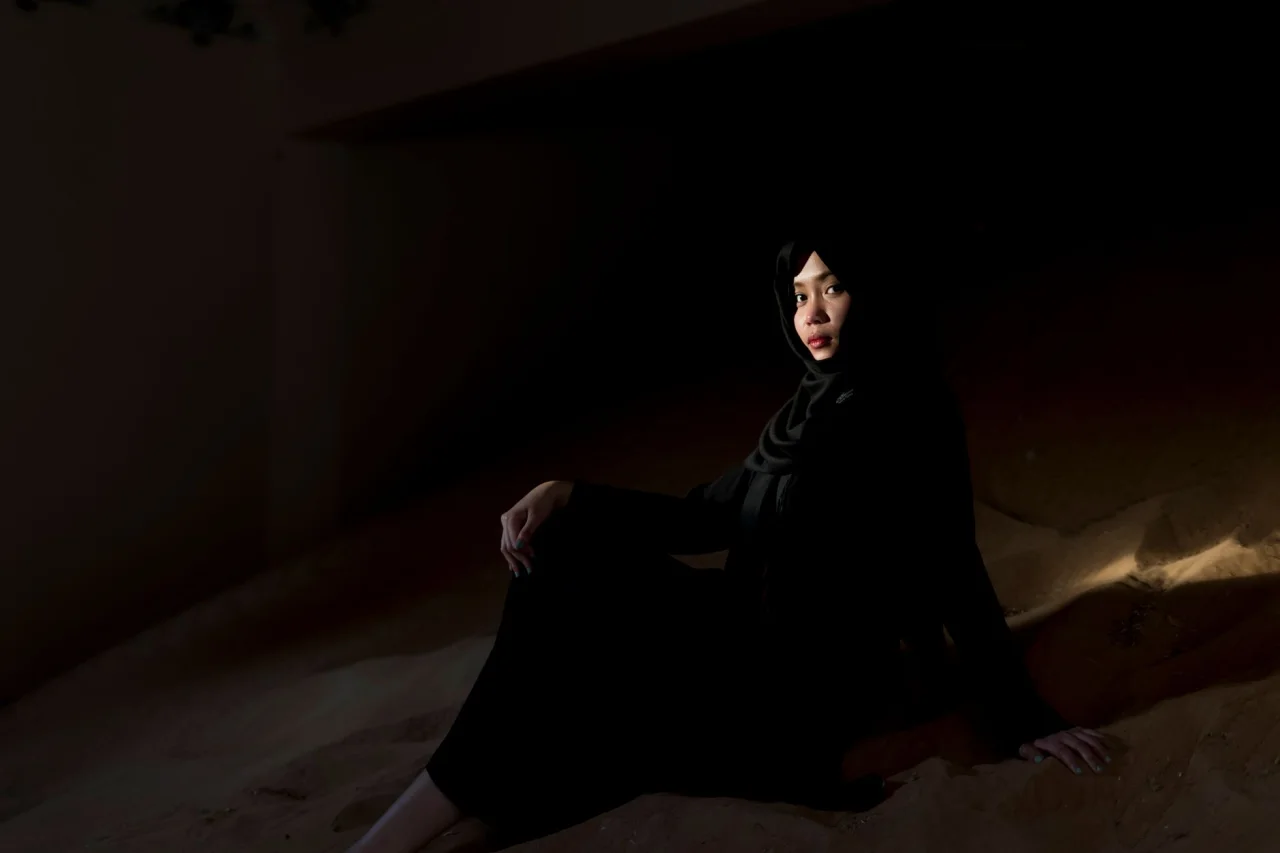
The abaya is a graceful, flowing over-garment worn by many Muslim women, and it has grown into one of the most quietly influential silhouettes in modest fashion. This complete guide explains what an abaya is, where it comes from, the main styles you will see, how it relates to garments like the kaftan and jalabiya, and how to choose and wear one with confidence and respect for its meaning.
The short version
- An abaya is a loose, robe-like over-garment that covers the body, worn by many women in parts of the Muslim world.
- It is worn primarily across the Middle East, North Africa and among Muslim communities elsewhere, including South Asia.
- Modern abayas range from traditional plain black to open-front, embroidered and coloured designs in light, drapey fabrics.
- Price varies widely by fabric, embroidery and retailer, so treat any figure as a range and confirm current pricing.
What an abaya actually is
An abaya is, in the words of Wikipedia's overview of the abaya, a simple, loose over-garment, essentially a robe-like dress, worn by some women in the Muslim world. It covers the body, typically leaving the face, hands and feet visible, and is worn over everyday clothing as an outer layer. Many women wear it as an expression of modest dress, and some pair it with a headscarf or, in some regions, a face veil.
The defining feature is a long, flowing line that falls from the shoulders (or sometimes the head) to the ankles. Traditional abayas are often black, but contemporary versions come in many colours, cuts and levels of embellishment, which is why the abaya now sits at the centre of a large and creative modest-fashion scene.
Where the abaya comes from
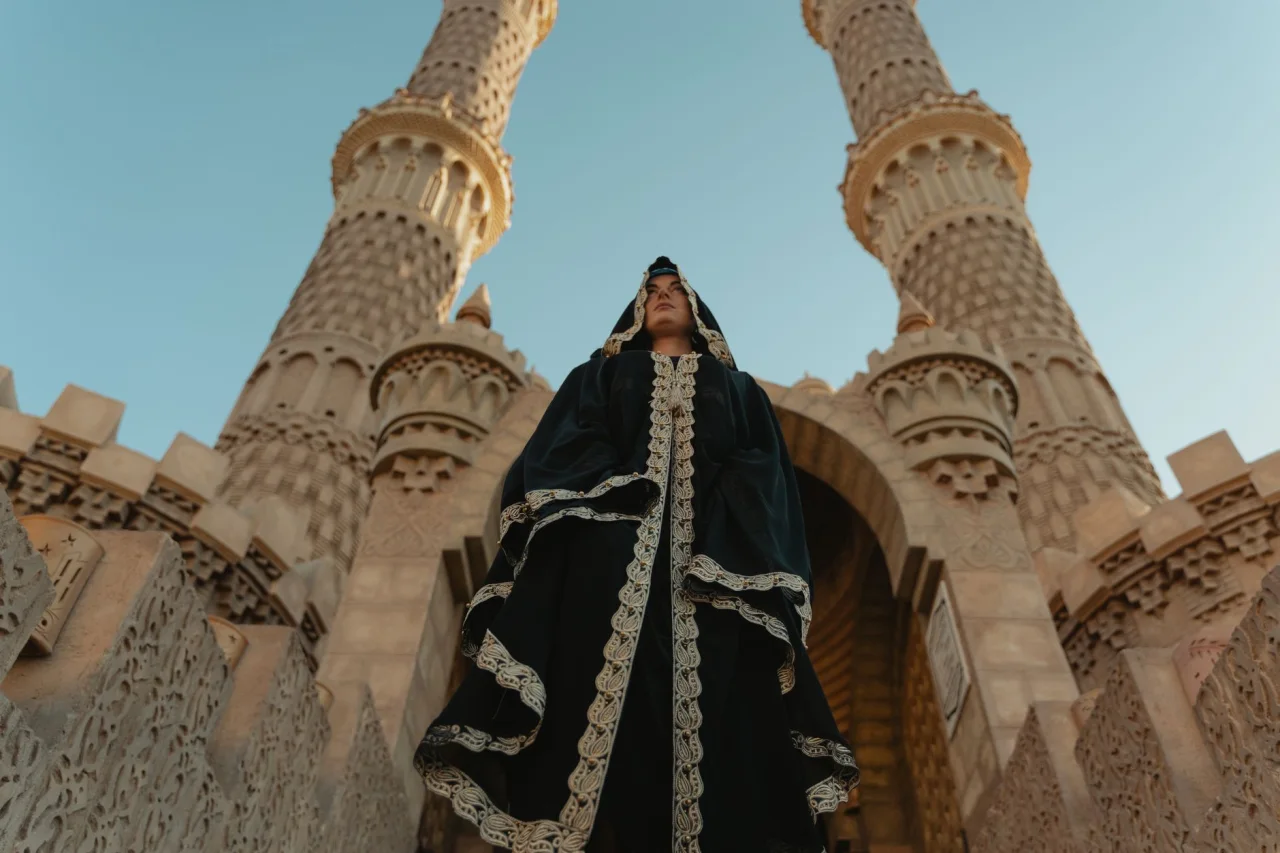
The abaya is worn primarily in the Middle East, North Africa and parts of the Horn of Africa, and is especially associated with countries such as Saudi Arabia, the UAE, Qatar, Iraq and Yemen. It is also worn by Muslim women in South Asia and in Muslim communities around the world. Wearers often connect the garment to the value of modesty in Islam, and some cite the Qur'anic verse (33:59) that speaks of drawing an outer garment over oneself.
Traditionally, the abaya took one of two broad forms: a large square of fabric draped from the shoulders or head, or a kaftan-style robe. Through the twentieth century, contact with wider fashion introduced new fabrics such as silk and lace and more contemporary cuts, while keeping the modest, flowing silhouette intact. It is worn in daily life and carries particular significance during Ramadan and the Eid festivals.
Respectful note: The abaya is a garment with religious and cultural meaning for many who wear it. Approach it as modest wear with real significance, not merely a fashion trend, and follow local norms when choosing one for a specific setting.
The main styles of abaya
Modern abayas are usually grouped by how they open and how they are cut. These are the styles you will meet most often.
- Closed-front abaya: the traditional pull-over or fully closed robe, clean and simple.
- Open-front abaya: worn open like a long coat over an outfit, often belted, a popular modern cut.
- Butterfly abaya: extra fabric in the sleeves and body that creates a dramatic, wing-like flare when the arms lift.
- Kaftan-style abaya: a looser, more relaxed cut with wide sleeves, prized for comfort in heat.
- Embroidered or embellished abaya: finished with threadwork, beading, lace or crystal detailing for occasions.
- Coloured and printed abayas: a contemporary move beyond classic black into pastels, earth tones and prints.
For a season-by-season look at current designs, see our companion piece on abaya designs trending in 2026.
Abaya, kaftan and jalabiya: how they compare
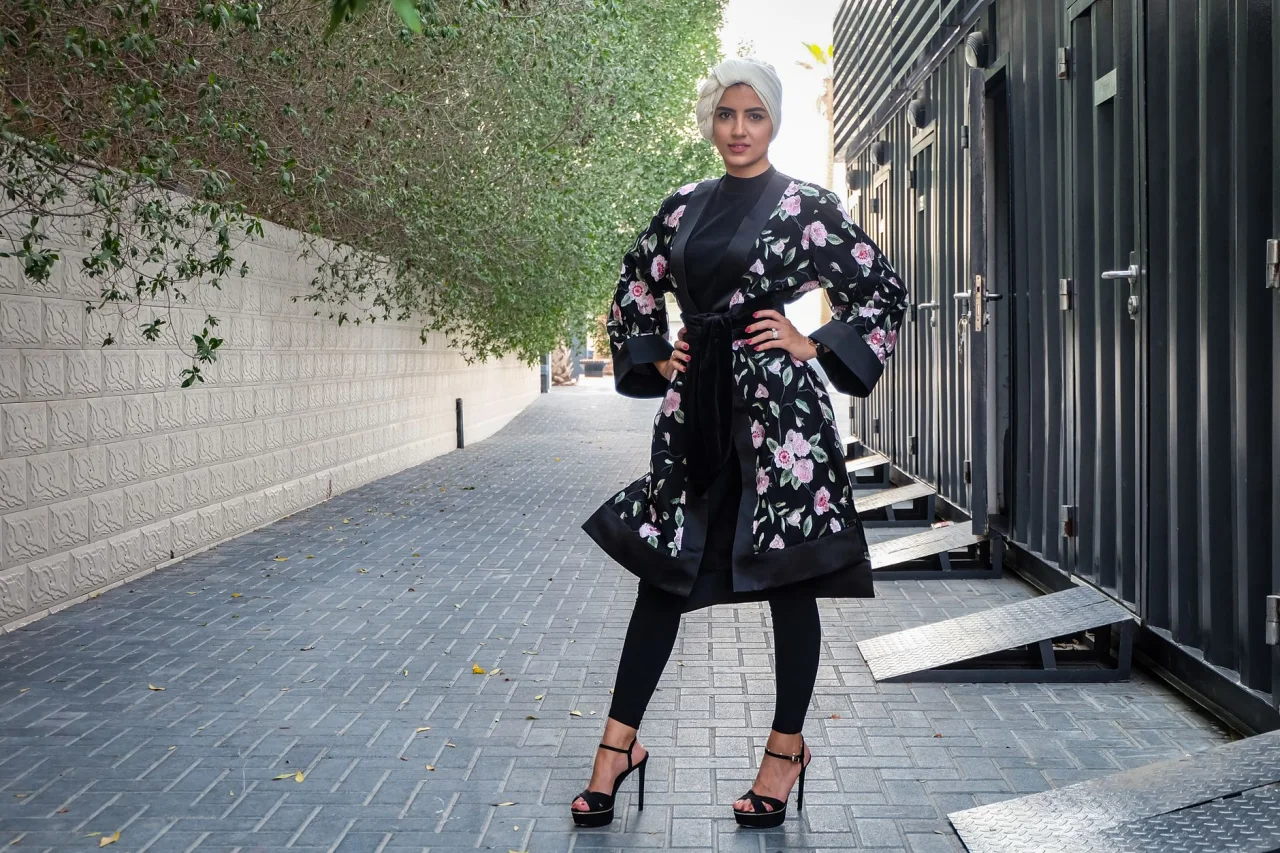
These flowing robes are often confused, but they have distinct origins and roles.
- Abaya: a women's over-garment from the Arabian regions, worn as an outer layer for modest dress.
- Kaftan: a robe or tunic variant that originated in West Asia and spans many cultures and genders. The kaftan is often worn as a standalone dress rather than an outer layer.
- Jalabiya: a loose, wide gown associated especially with Egypt, worn by both men and women in region-specific styles.
If you want to explore the closest relative, read what a kaftan is. A useful way to remember the difference is that an abaya is usually an outer layer worn over clothing, while a kaftan is often the dress itself.
Fabrics and how to wear an abaya
Fabric is central to how an abaya feels and where it belongs, especially in warm climates.
- Crepe: a widely used, lightly textured fabric that drapes beautifully and resists creasing.
- Georgette and chiffon: light and airy, ideal for heat and for a soft, flowing movement.
- Nida and other soft synthetics: popular for everyday abayas thanks to their smooth drape.
- Silk and richer blends: reserved for occasion and embellished abayas.
Styling is about proportion and finish. An open-front abaya can be belted to define the waist, statement sleeves add drama, and a coordinated headscarf completes the look for those who wear one. For everyday wear, keep the outfit underneath simple so the abaya's line stays clean. Our guide to styling an abaya for every occasion goes deeper on building looks around it.
Caring for an abaya
Because an abaya is worn often and drapes close to the floor, a little care keeps it looking crisp far longer. The right routine depends heavily on the fabric and any embellishment, so always check the care label first.
- Everyday crepe and nida: usually machine washable on a gentle cycle in a laundry bag, then hung to dry to avoid creasing.
- Chiffon and georgette: prefer gentle hand washing or delicate cycles, since these lightweight fabrics snag easily.
- Embroidered and embellished abayas: generally best dry cleaned to protect beading, crystals and threadwork.
- Storage: hang abayas on padded hangers so the shoulders keep their shape, and steam rather than press heavily to lift wrinkles.
A quick steam before wearing does more for the look than almost anything else, because the abaya's appeal is its clean, uninterrupted drape. Treat coloured abayas gently in their first wash too, as some dyes can bleed.
What to spend and how to choose
Treat any price as a broad range rather than a fixed rate. Plain everyday abayas in crepe or nida are the most affordable, lightly detailed open-front styles sit in the middle, and heavily embroidered or embellished occasion abayas in silk cost the most. Fabric, embroidery, brand and retailer all move the figure a great deal, so compare a few sellers and confirm current pricing before you buy.
When choosing, prioritise fit at the shoulders and a length that clears the floor without dragging, then pick a fabric suited to your climate. For a detailed walk through sizing, fabric and value, see our abaya fit, fabric and price guide. If you are shopping for Ramadan specifically, our Ramadan outfit ideas show how an abaya fits into the season's wardrobe.
A well-chosen abaya is a genuine wardrobe anchor: a single flattering, well-fitting piece can be dressed up or down for years, and worn with different scarves, belts and outfits underneath to change its mood. Start with fit and fabric, add embellishment to taste, and respect the setting you are dressing for, and the abaya rewards you with a look that is both easy and elegant.
Frequently asked questions
What is an abaya?
An abaya is a loose, robe-like over-garment worn by many women in parts of the Muslim world. It covers the body, usually leaving the face, hands and feet visible, and is worn over everyday clothing as a modest outer layer. It is often paired with a headscarf and, in some regions, a face veil.
Where is the abaya traditionally worn?
The abaya is worn primarily across the Middle East, North Africa and parts of the Horn of Africa, and is especially associated with countries such as Saudi Arabia, the UAE, Qatar, Iraq and Yemen. It is also worn by Muslim women in South Asia and in Muslim communities worldwide.
What is the difference between an abaya and a kaftan?
An abaya is a women's over-garment from the Arabian regions, usually worn as an outer layer over clothing for modest dress. A kaftan is a robe or tunic that originated in West Asia, spans many cultures and genders, and is often worn as a standalone dress rather than an outer layer. The two share a flowing silhouette but differ in role and origin.
Do abayas have to be black?
No. Black is the traditional and most classic colour, but contemporary abayas come in many colours, prints and levels of embellishment, including pastels and earth tones. The move beyond plain black is a defining feature of the modern modest-fashion scene, though local norms may favour darker, plainer styles in some settings.
What fabric is best for an abaya?
For everyday wear in warm climates, light and drapey fabrics such as crepe, georgette, chiffon and soft synthetics like nida are popular because they flow well and resist creasing. Silk and richer blends are usually reserved for embroidered occasion abayas. Choose the fabric to suit your climate and how often you will wear it.
More on Clothing Types
Have a question or a topic to suggest?
We read every message. Tell us what you would like to see next in the journal.
Get in touch