Sleeve Styles: Complete Guide
The construction families and statement shapes behind every kameez, plus which sleeve flatters your frame.
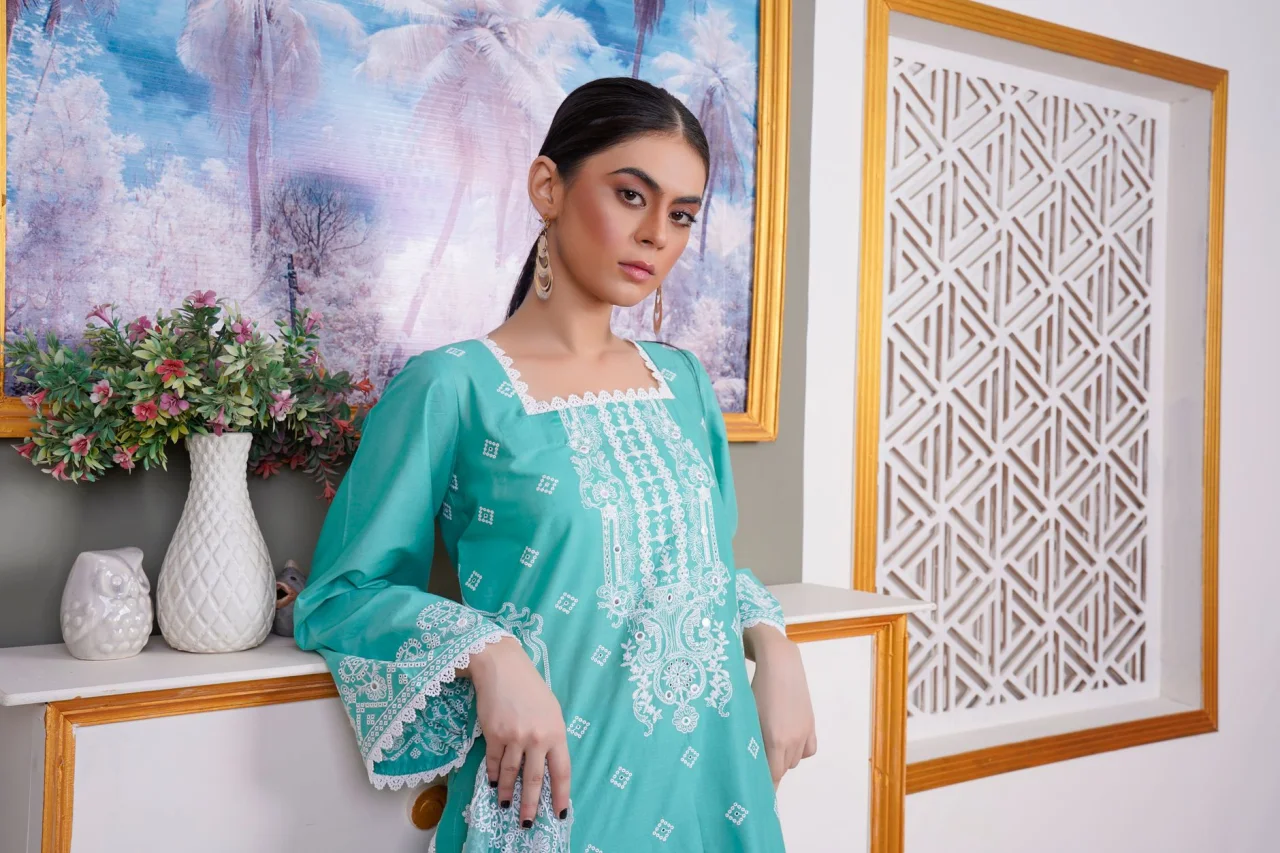
Sleeves quietly decide how an outfit sits on the body. The same kameez can look demure, dramatic, or bang up to date purely on the strength of its sleeve. This guide names the sleeve styles worth knowing, explains how each is cut, and tells you which body shapes and occasions each one flatters.
The short version
- Sleeves fall into a few construction families: set-in, raglan, dolman, and cut-on, plus decorative variations layered on top.
- Fuller sleeves (bishop, bell, angrakha) add drama and balance broader hips; fitted sleeves keep a look sleek and formal.
- Sleeve length changes coverage and mood: full sleeves read modest and formal, three-quarter reads polished and practical.
- Match the sleeve to the fabric and occasion: structured sleeves need body, flowing sleeves need drape.
Why the sleeve matters more than you think
Of all the parts of a garment, the sleeve does the most to signal era, formality, and personality. A puff sleeve reads romantic and current; a plain set-in sleeve reads timeless and safe; a wide angrakha or bell sleeve reads festive and expressive. Because sleeves frame the arms and shoulders, they also do real work for body balance, drawing the eye up or softening a silhouette.
Sleeves are also one of the easiest details to change. Many tailors can restyle a sleeve without touching the rest of a suit, which makes them the cheapest way to refresh an outfit you already own. A plain full sleeve can become a bell or bishop sleeve, a long sleeve can be shortened to three-quarter, and a simple cuff can gain an embroidered border, all without recutting the body.
This is worth remembering when you shop. If you love a suit but the sleeve feels dated or unflattering, do not rule it out: factor in a small tailoring cost and picture the sleeve you would change it to. Some of the most personal, well-fitted outfits come from a stock design tweaked at the sleeve to suit the wearer.
The core construction families
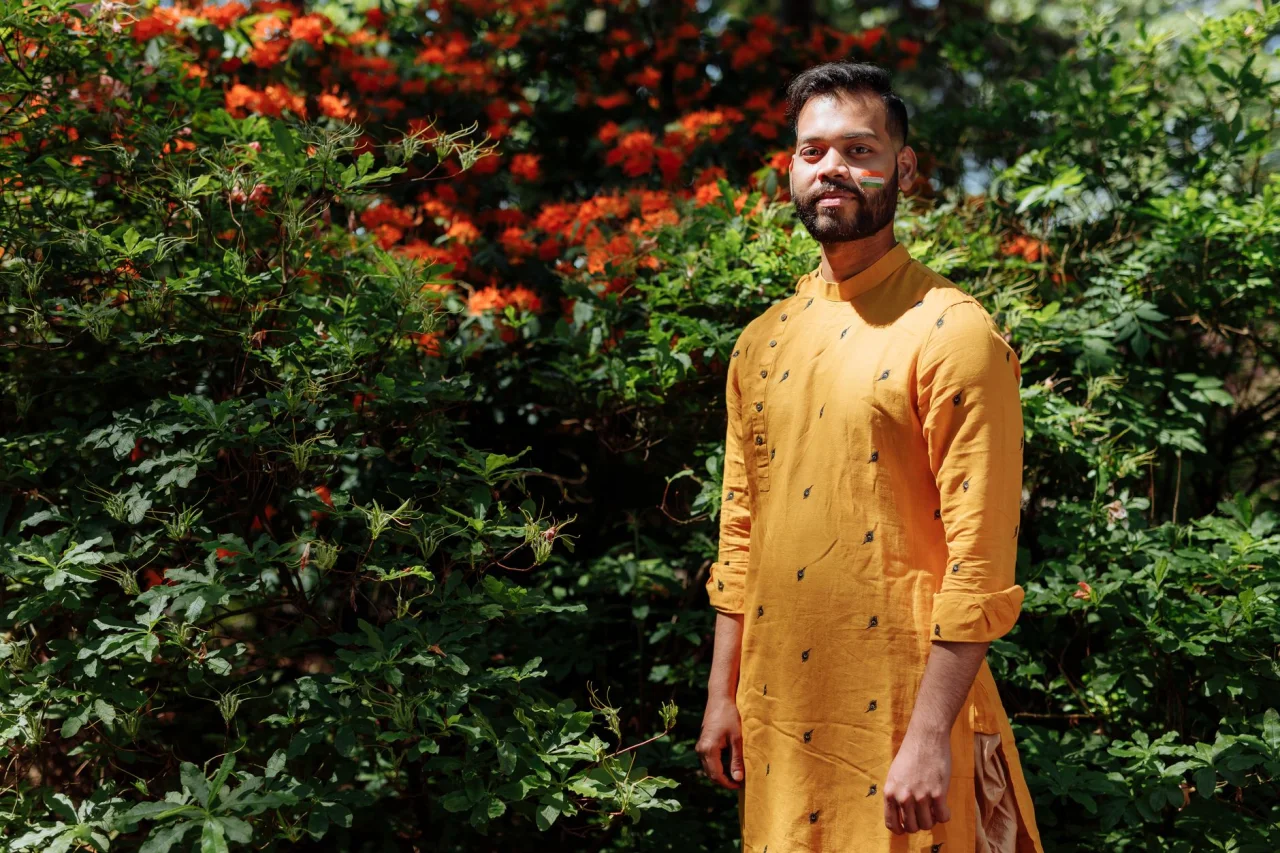
Most sleeves, however decorated, are built on one of a few base constructions. The reference descriptions on the sleeve overview line up with what tailors use in practice:
- Set-in sleeve: sewn into the armhole with a defined shoulder seam. The default for most kameez and shirts, clean and versatile.
- Raglan sleeve: extends in one piece up to the neckline, with a diagonal seam from underarm to collar. Comfortable and roomy, good for casual wear.
- Dolman or batwing: a deep, loose armhole that tapers to the wrist, cut in one with the body. Dramatic and flowing, flattering over the upper arm.
- Cut-on and cap: a short extension of the bodice covering just the shoulder, giving minimal coverage with a soft finish.
Fuller, statement sleeves
When you want the sleeve to be the story, volume is the tool. These styles suit festive and occasion wear:
- Bishop sleeve: full along the length and gathered into a cuff at the wrist. Elegant and forgiving on the arm.
- Bell sleeve: fitted to the elbow then flared outward. Graceful in chiffon and georgette.
- Puff sleeve: gathered at the shoulder, cuff, or both for a rounded lift. The most revived trend of recent seasons.
- Angrakha-style flared sleeve: a wide, dramatic sweep suited to festive anarkalis and frocks.
Fuller sleeves balance wider hips and add presence to a slim frame, but they need the right fabric. A structured puff wants a crisp weave, while a bell sleeve wants something that drapes. If you are pairing a statement sleeve with a fitted anarkali, our anarkali fit and fabric guide covers how to keep the proportions balanced.
Stylist tip
A voluminous sleeve pairs best with a simple, uncluttered neckline. If the sleeve is doing a lot, keep the neck clean so the two details do not compete. The reverse is also true: an ornate neckline sits happiest above a slim sleeve.
Fitted and minimal sleeves

For a sleek, formal, or modern-minimal look, fitted sleeves win. A slim set-in sleeve elongates the arm and keeps a heavily embroidered kameez from looking overloaded. Straight and pencil sleeves suit office wear and pret, while a plain full sleeve gives modest coverage without any fuss.
Fitted sleeves also flatter petite frames, since they do not add bulk that can overwhelm a smaller build. If your outfit already carries heavy work on the body, a quiet sleeve is usually the smarter choice.
Decorative sleeve details
Beyond the base cut, sleeves carry some of the most beautiful detailing in desi fashion:
- Embroidered cuffs and borders: gota, zari, or resham work at the wrist frames the hand and lifts a plain sleeve.
- Sheer and net panels: a fitted lining under a sheer outer sleeve gives coverage with a delicate finish.
- Slit or open sleeves: a vent along the sleeve adds movement and a modern edge.
- Layered and cape sleeves: a second fabric layer that flows over the arm for drama.
For the embroidery vocabulary behind these details, our overview of embroidery types in Pakistani fashion explains what gota, dabka, and resham each look like on a cuff.
Matching the sleeve to length and occasion
Sleeve length shifts the mood as much as the shape:
- Full length: the most formal and modest option, ideal for weddings, winter, and workwear.
- Three-quarter: polished and practical, flattering because it hits at the slimmest part of the forearm.
- Elbow length: versatile for daywear and warmer weather.
- Cap and sleeveless: best for parties and hot climates, often layered under a dupatta or jacket for coverage.
Think about the whole look, not just the arm. A statement sleeve, a clean neckline, and well chosen accessories should read as one idea. Coordinating your neckline design with the sleeve is the single fastest way to make an outfit look designed rather than assembled.
Sleeve styles by body shape
- Broader shoulders: avoid heavy puffs and cap sleeves that widen the top; choose set-in or bishop sleeves.
- Slimmer arms: almost anything works; bell and bishop sleeves add welcome softness.
- Fuller arms: three-quarter and full sleeves in fluid fabric flatter; very tight sleeves are less forgiving.
- Petite frames: keep volume moderate so the sleeve does not overwhelm your proportions.
Buying note
When you buy unstitched fabric, check there is enough cloth for the sleeve style you want. Bell, bishop, and angrakha sleeves eat significantly more fabric than a plain set-in sleeve, and running short mid-stitching is a common and avoidable disappointment.
Fabric and the sleeve you choose
A sleeve style only works if the fabric can hold the shape you want, so the two decisions belong together. Structured, statement sleeves need cloth with body, while flowing sleeves need cloth that drapes:
- Puff and structured sleeves: want a crisp fabric such as cotton, cambric, or a stiffened lawn that holds volume without collapsing.
- Bell and layered sleeves: want fluid fabrics such as chiffon, georgette, or net that move and fall gracefully.
- Fitted set-in sleeves: work in almost anything, which is why they suit heavy embroidered fabrics that already have weight.
- Sheer panel sleeves: want net or organza over a matching lining for coverage with delicacy.
Get this pairing wrong and even a good design falls flat: a puff sleeve in limp chiffon droops instead of standing, and a bell sleeve in stiff cotton juts out awkwardly. If you are buying unstitched cloth, picture the sleeve first, then judge whether the fabric has the right hand for it.
Weight also affects comfort and season. A full sleeve in heavy fabric is warm and formal, ideal for winter weddings, while a cap or sheer sleeve in a light weave keeps you cool for summer functions. Matching the sleeve to the season is as important as matching it to your shape, and it is worth thinking through before you commit to a style you will wear for hours.
Frequently asked questions
What is the most flattering sleeve style?
The three-quarter sleeve flatters most people because it ends at the slimmest part of the forearm and elongates the arm. Beyond that, the best sleeve depends on your shoulders and arms: fitted set-in sleeves suit broad shoulders, while soft bell or bishop sleeves flatter slimmer arms.
What is the difference between a bell sleeve and a bishop sleeve?
A bell sleeve is fitted to the elbow and then flares outward like a bell, while a bishop sleeve is full along its length and gathered into a fitted cuff at the wrist. Bell sleeves feel breezy and open; bishop sleeves feel structured and elegant.
Which sleeve style is best for a wedding outfit?
Statement sleeves such as bishop, bell, and embroidered full sleeves suit weddings because they add drama and formality. Pair them with a clean neckline so the two details do not compete, and choose a fabric with enough drape or structure to hold the shape.
Can I change the sleeve style on an existing suit?
Often yes. Many tailors can restyle a sleeve without altering the rest of the garment, which makes it an affordable way to refresh an outfit. The main limit is available fabric, since fuller sleeves need more cloth than a plain sleeve.
What sleeve suits broad shoulders?
Set-in and bishop sleeves suit broad shoulders because they follow the shoulder line without adding width. Avoid heavy puff sleeves and cap sleeves, which sit at the shoulder and can make the upper body look wider.
More on Styling Guides
Have a question or a topic to suggest?
We read every message. Tell us what you would like to see next in the journal.
Get in touch