Complete Ramadan Outfits Guide
Modesty, comfort, layering and fabric: the framework for dressing well through the fasting month.
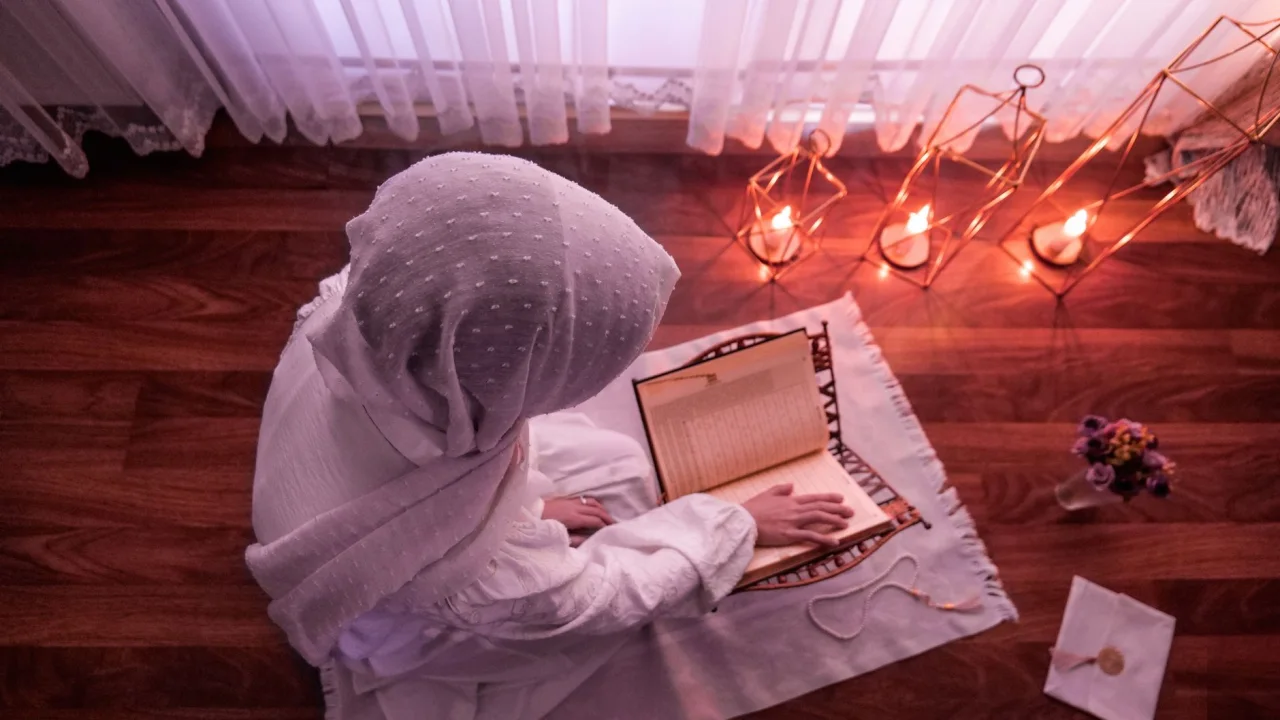
Dressing well through Ramadan is really about a few good decisions: how to stay modest and comfortable through a fasting day, which fabrics and colours make the month easier, and how to step things up just enough for iftar and the mosque. This complete guide gives you the framework, plus a quick checklist, so getting dressed stays the easy part of a demanding month.
The short version
- Comfort and modesty lead every Ramadan outfit decision. Everything else is secondary.
- Dress in layers for a day that swings from fasting errands to a cool late mosque: breathable base, easy topper, generous dupatta.
- Keep colours calm and cohesive. Save your brightest, heaviest pieces for Eid at the end of the month.
- Build a small capsule rather than a new outfit a day, and let breathable fabric do most of the work.
Understand the month before you dress for it
Ramadan is the ninth month of the Islamic calendar, observed with fasting from dawn to sunset, communal prayer and reflection, as Wikipedia's Ramadan overview explains. The daily rhythm, suhur before dawn, a fasting day, iftar at sunset and often taraweeh prayers at night, is what your wardrobe has to serve. Once you dress for that rhythm rather than for a single event, the whole month gets simpler.
The guiding mood is understated. Ramadan is reflective and communal, so quiet elegance suits it far better than statement dressing. Think of this as the calm before Eid al-Fitr, when the festive pieces finally come out.
The modesty principle
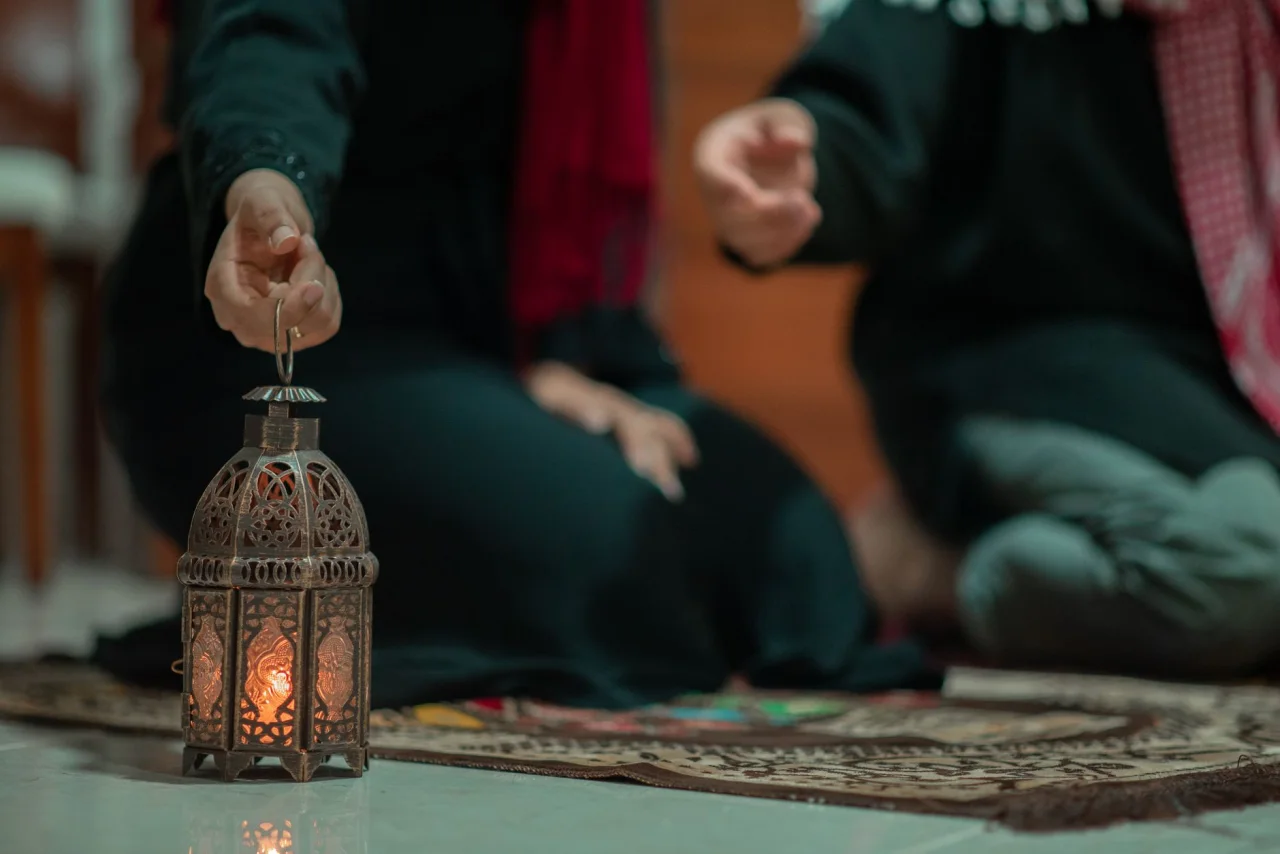
Modesty is the foundation of Ramadan dressing, particularly around prayers and the mosque. In practice that means comfortable coverage: longer sleeves, a hemline you can sit and kneel in, looser cuts, and a dupatta or scarf you can keep in place without constant fuss. Layering sheer fabrics such as chiffon over a lining keeps things both modest and worry-free.
Modesty here is also about ease. A loose, covered outfit that lets you move, pray and rest comfortably is worth more than a beautiful but restrictive one. Aim for graceful and unfussy rather than elaborate.
Dressing in layers for the whole day
A Ramadan day covers a lot of ground, so build outfits that flex. A simple layering formula works for almost everyone.
- Base: A breathable, modest suit or dress in a soft natural fabric, comfortable enough for low-energy afternoons.
- Topper: A light shrug, longer kameez or open abaya you can add for the mosque or remove in the heat.
- Cover: A generous dupatta or scarf that handles prayer coverage and doubles as warmth on cool late nights.
This approach means one core outfit can carry you from a warm afternoon errand to a cool taraweeh prayer without a full change of clothes.
Comfort note: waistbands and weight
Fasting makes stiff waistbands and heavy embellishment genuinely uncomfortable. Favour soft elastic or drawstring waists, lightweight fabric and minimal hardware. Comfort is not a compromise during Ramadan, it is the whole point.
Choosing colours for Ramadan
There is no rule fixing Ramadan colours, but the reflective mood of the month suits a calmer palette than Eid. Soft neutrals, muted pastels, earthy tones and gentle jewel shades all feel right. A few practical pointers help.
- Keep it cohesive. A small, harmonious palette lets your capsule pieces mix, so you get more outfits from fewer items.
- Lighter for day, deeper for iftar. Soft tones suit fasting hours, while slightly richer shades lift an evening iftar look.
- Save the brights for Eid. Hold your boldest colours and heaviest work back so Eid feels like the celebration it is.
Matching the outfit to the moment
Different parts of the day call for slightly different dressing. Use this as a quick map.
- Fasting hours and errands: A soft lawn or cotton suit, or a light abaya. Cool, modest, easy.
- Work: A tailored solid suit or a kurta with straight trousers, layered for air conditioning. Our office wear ideas translate well to the fasting month.
- Iftar: A lightly embroidered chiffon suit, a modest maxi or a soft anarkali. Dressier, still comfortable.
- Taraweeh: A full-coverage abaya or a roomy suit with a large dupatta, plus a warm layer for late nights.
- Home and suhur: Soft cotton loungewear or a comfortable kaftan.
Fabric is your comfort strategy
Fabric choice decides how the month feels on your skin. For warm-weather fasting, breathable natural fibres are essential: lawn, cotton, cotton-lawn and light chiffon let air move and keep you cool through long days. Our overview of the best fabrics for hot weather is a useful shopping companion, and reading up on lawn fabric explains why it breathes so well. For cooler climates or winter Ramadans, soft linen, raw silk and light knits give warmth without weight. Steer clear of stiff, scratchy or tightly woven synthetics that trap heat.
Your quick Ramadan checklist
- Every outfit is modest, loose enough to pray in, and genuinely comfortable.
- Fabrics are breathable and suited to your climate.
- Colours are calm and cohesive, with the brights saved for Eid.
- Layers are ready for a day that runs from warm afternoons to cool late nights.
- A small capsule covers day, work, iftar, mosque and home.
Building a Ramadan capsule
The smartest approach is a capsule, not a shopping haul. A handful of soft everyday suits, one or two iftar-ready looks, a comfortable mosque option and easy loungewear, all in a shared palette, will see you gracefully through the month. You will re-wear pieces happily because they are comfortable, and that is exactly the point.
When Eid arrives, everything changes gear. For ready-to-copy Ramadan looks, see our Ramadan outfit ideas for 2026. To plan the celebration at the end of the month, read our Eid outfit ideas and the complete Eid outfits guide.
Frequently asked questions
Is there a dress code for Ramadan?
There is no single fixed dress code, but the spirit of the month favours modest, comfortable and understated clothing. Around prayers and the mosque, modest coverage is expected: longer sleeves, comfortable length and a dupatta or scarf. Beyond that, dress in a way that keeps you comfortable through fasting and reflects the calm, reflective mood of Ramadan.
What colours should I wear during Ramadan?
Calm, cohesive colours suit the reflective mood best: soft neutrals, muted pastels, earthy tones and gentle jewel shades. Lighter colours feel right for fasting hours and slightly richer ones lift an iftar look. There is no rule against brighter shades, but many people save their boldest colours and heaviest embellishment for Eid.
How do I dress modestly but still stay cool while fasting?
Rely on breathable natural fabrics and loose cuts. Lawn, cotton and light chiffon provide modest coverage while letting air circulate, and a relaxed silhouette keeps fabric off your skin. Layering lightly, a breathable base with a removable topper, lets you adjust between the heat of the day and cooler evenings without sacrificing coverage.
What should I wear to the mosque for taraweeh?
Choose full, comfortable coverage that lets you stand and kneel with ease: a simple abaya with a scarf, or a roomy cotton or lawn suit with a generous dupatta. Because taraweeh runs late and mosques can be cool, carry a soft shawl or light layer. Prioritise modesty and comfort over any decorative detail.
Should I buy new clothes for Ramadan?
You do not need to. Ramadan is well suited to a small capsule of comfortable, mixable pieces you re-wear through the month, which is both practical and economical. New clothes are traditionally associated with Eid at the end of Ramadan, so it is fine to keep the fasting month simple and save any special purchases for the celebration.
More on Wedding & Occasion Fashion
Have a question or a topic to suggest?
We read every message. Tell us what you would like to see next in the journal.
Get in touch