How to Style Pakistani Dresses
Take one silhouette and dress it up or down with the right jewellery, footwear and dupatta drape.
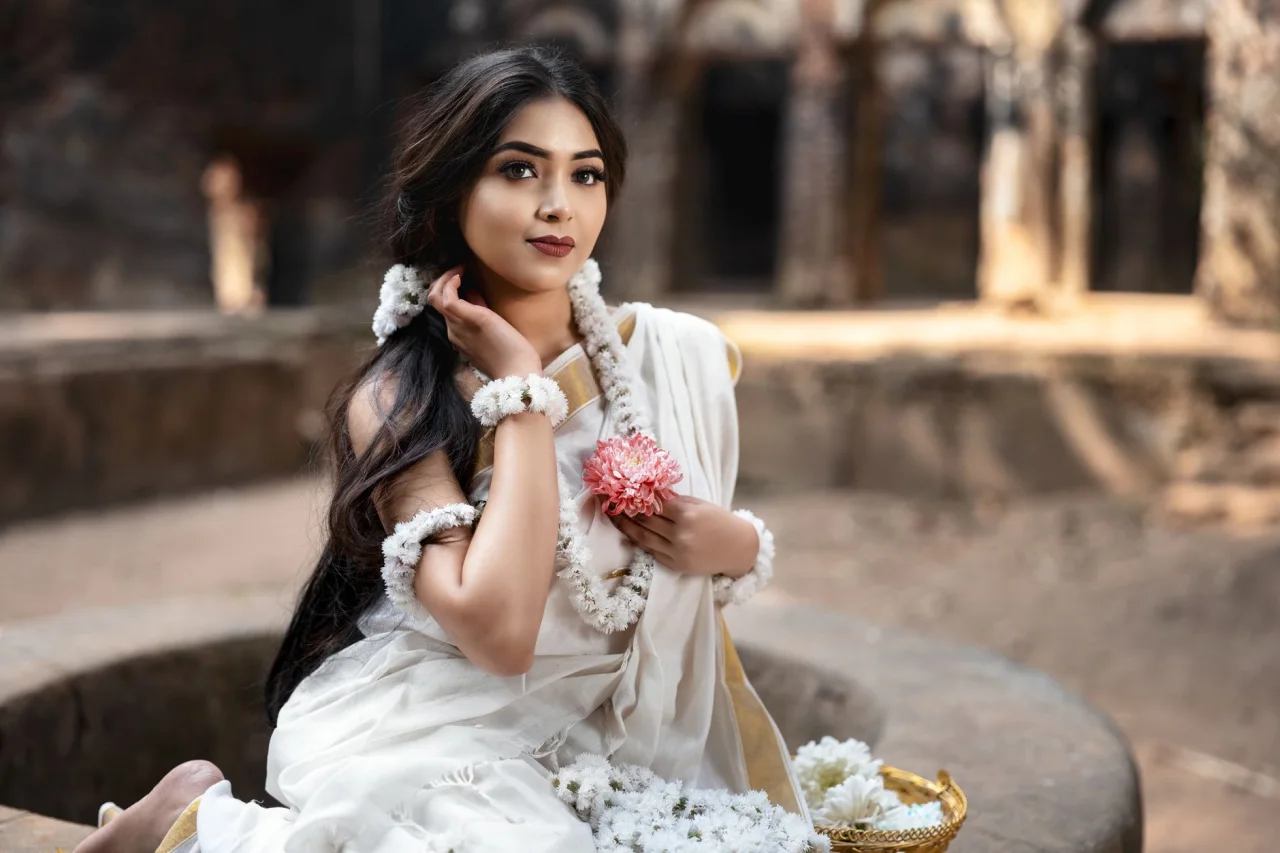
A Pakistani dress is only half the outfit. The dupatta drape, the jewellery weight, the shoe and the bag decide whether a look reads as casual, office-ready, festive or bridal. This guide breaks styling down occasion by occasion so you can take one silhouette and dress it up or down with confidence.
The short version
- Match jewellery weight to the occasion: studs by day, statement jhumkas and chokers by night.
- The dupatta is your styling lever. How you drape it changes the whole silhouette.
- Footwear sets the register: flats and kolhapuris for daywear, heels and khussas for events.
- Keep one hero element per look. If the outfit is heavily worked, let accessories stay quiet.
Start with the silhouette you own
Styling is easier when you know what you are working with. A straight-cut lawn shirt, an anarkali, a gharara and a lehenga each carry a different energy and take accessories differently. If you are still deciding what to buy, our roundup of Pakistani dress designs for 2026 shows the silhouettes in play, and the complete guide to Pakistani dresses explains how the pieces fit together.
The rest of this article assumes you have a shirt-and-trouser or shirt-and-skirt outfit and want to style it for a specific event.
Casual and everyday looks
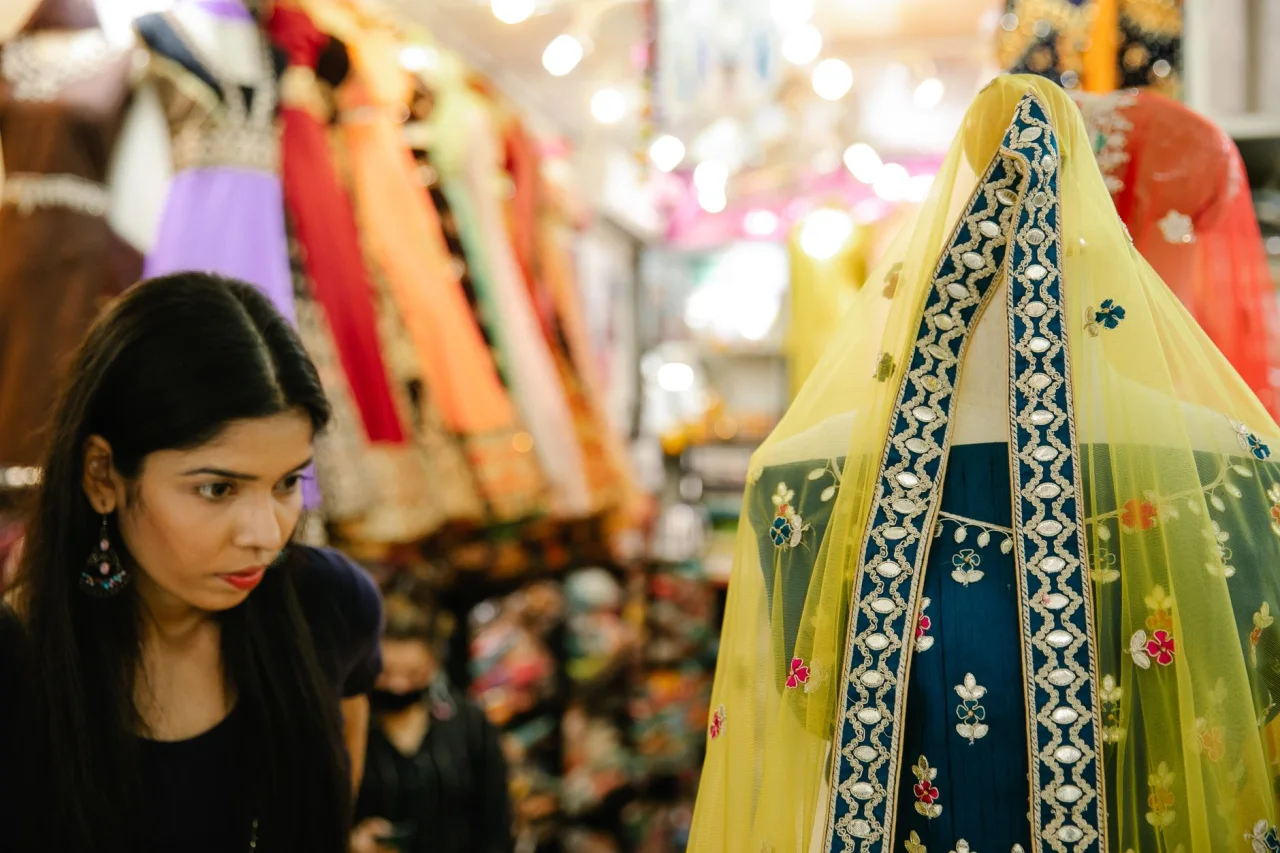
Daywear should feel effortless. The goal is a put-together look that survives heat and errands.
- Outfit base: printed lawn or cambric straight shirt with cigarette pants, or a short kurti with jeans.
- Dupatta: skip it, or wear a light cotton dupatta loose around the neck like a scarf.
- Jewellery: small studs, a thin bangle stack, a watch.
- Footwear: flat sandals, kolhapuris or clean sneakers.
- Bag: a crossbody or tote in a neutral tone.
Styling note: For casual looks, let a bold print be the statement and keep everything else muted. A busy print with heavy jewellery fights itself.
Office and smart-casual looks
Workwear balances polish with comfort. Structure and solid colour do most of the work.
- Outfit base: a solid or subtly printed A-line or straight shirt in cambric or khaddar, with tailored trousers.
- Dupatta: a neatly pinned single-shoulder drape, or none for a cleaner line.
- Jewellery: one refined piece, such as small hoops or a slim pendant.
- Footwear: closed flats, block heels or loafers.
- Extras: a structured handbag and minimal makeup keep it professional.
For more workplace-specific combinations across the week, see our complete office wear guide.
Festive and party looks
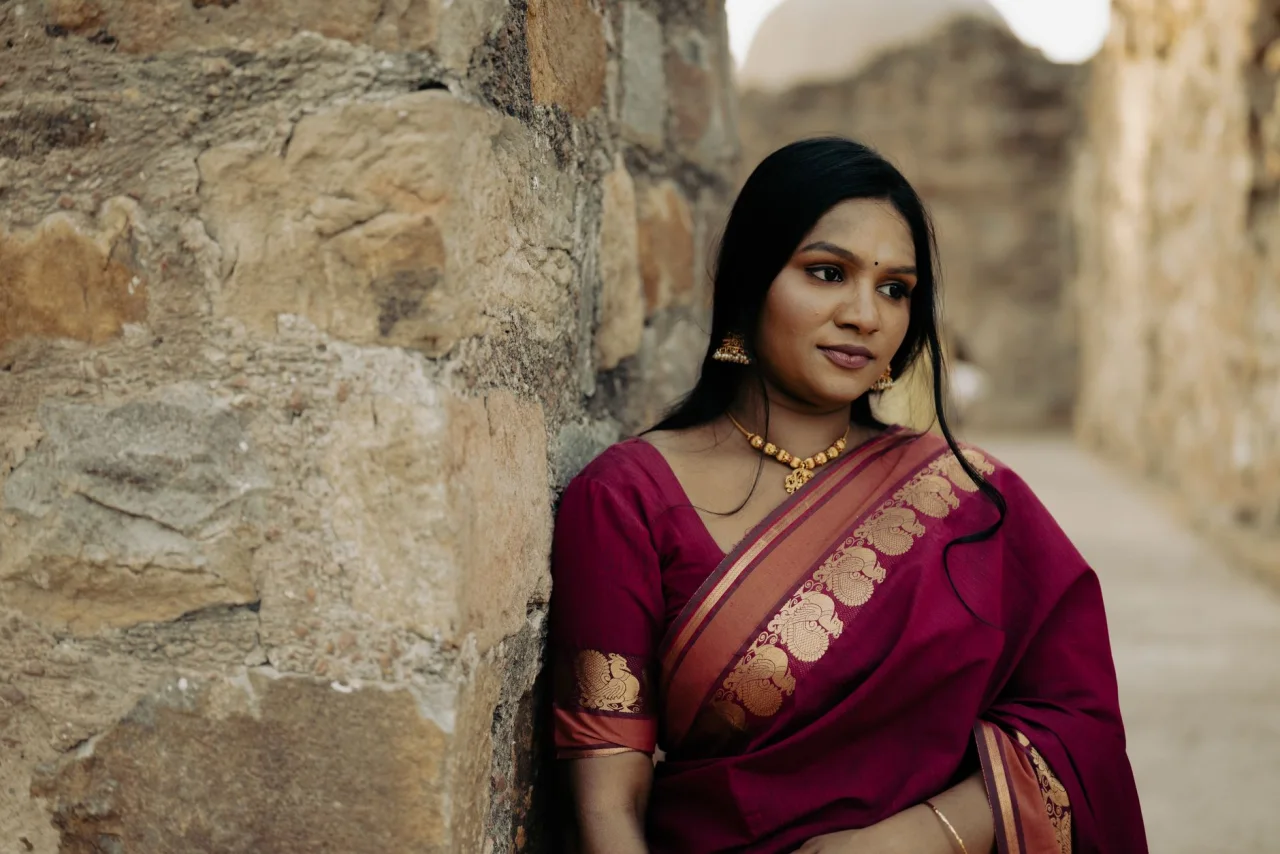
Festive dressing is where you can add sheen, colour and volume. Eid, dinners and family functions all sit here.
- Outfit base: an embroidered organza or chiffon three-piece, a sharara set, or a gharara with a short kurti.
- Dupatta: drape it over one shoulder with a visible worked border, or pin it across for a heavier look.
- Jewellery: statement jhumkas or a choker, plus a few bangles. Choose earrings or neckpiece as the hero, not both at full weight.
- Footwear: embellished khussas, mojaris or heels.
- Hair: a low bun or soft waves keep the neckline visible.
If the occasion is Eid specifically, our Eid outfit ideas for 2026 pair silhouettes with accessory notes.
Wedding-guest and event looks
As a wedding guest you want to look festive without competing with the bridal party. Rich fabric, considered colour and one strong accessory do the job.
- Outfit base: a raw-silk or jacquard suit, an anarkali, or a sharara with placed embroidery.
- Dupatta: a contrast net or organza dupatta with a dabka or gota border adds instant occasion.
- Jewellery: matched set of earrings and a maang tikka or ring, kept in one metal tone.
- Footwear: embellished heels or khussas you can stand in for hours.
Avoid heavy red and full bridal gold as a guest. For a fuller breakdown, see our complete wedding guest outfits guide.
Bridal and heavy-formal looks
Bridal styling is about coordinating heavy embroidery, jewellery and drape so nothing clashes. If your outfit already carries dense zari, dabka and tilla work, let the jewellery echo rather than overpower it.
- Outfit base: lehenga choli, farshi shalwar or a fully worked gharara.
- Dupatta: for gharara and lehenga, a double-dupatta drape (one on the head, one at the waist or arm) is traditional and photogenic.
- Jewellery: a coordinated set of matha patti or tikka, choker, earrings and bangles in one metal family.
- Footwear: comfortable embellished heels, since bridal events run long.
The gharara in particular has deep roots in Muslim wedding dressing from the Awadh era, so its styling rewards a classic hand. Our gharara guide covers the silhouette in detail.
Styling note: On heavily embroidered outfits, choose polished-gold or antique jewellery to match the zari tone, and keep makeup either eyes or lips as the focus, not both at maximum.
Mastering the dupatta
The dupatta is the single most powerful styling tool in a Pakistani outfit. A few reliable drapes:
- One-shoulder pin: neat and modern, good for office and daywear.
- Front cross-drape: both edges brought forward, elegant for festive events.
- Cape drape: spread across both shoulders like a shawl for a soft, covered look.
- Head drape: traditional for nikah and religious occasions, keeping the worked border framing the face.
Seasonal styling adjustments
The same outfit can be styled to suit the weather as well as the occasion. In summer, keep layers minimal, choose open footwear such as sandals or khussas, and let a light lawn or cotton dupatta stay loose for airflow. In winter, add a fine shawl or a structured jacket over the kameez, switch to closed shoes, and lean into warmer fabrics like khaddar and velvet. A pashmina or embroidered stole doubles as both warmth and a styling accent for evening events.
Colour also shifts with the season. Pastels, whites and warm neutrals feel right for bright daytime summer looks, while deeper jewel tones read well under artificial light and in cooler months.
Common styling mistakes to avoid
A few habits flatten otherwise good outfits. Steer clear of these:
- Overloading accessories. Heavy earrings, a heavy neckpiece and stacked bangles together compete. Choose one hero.
- Ignoring proportion. A voluminous gharara or lehenga needs a fitted top; a flowing anarkali needs restrained jewellery so the silhouette breathes.
- Mismatched metals. Keep jewellery in one metal family, and match it to the embroidery tone, gold with zari and silver with cooler thread.
- A crushed dupatta. The drape is half the look. Press it, pin it deliberately, and let the worked border show.
- Uncomfortable shoes at long events. Weddings run for hours. Choose heels or khussas you can actually stand in.
Bags, hair and finishing touches
The details you add last often decide how polished a look reads. Match your bag to the occasion: a compact clutch or potli for events, a structured handbag for the office, a roomy tote for daywear. Keep hair simple enough to let the neckline and earrings show, a low bun or soft waves works for most festive looks, while a sleek ponytail suits daywear. For makeup, choose either eyes or lips as the focus rather than maximising both. A small nose pin, a delicate ring or a thin bangle stack can finish an outfit without tipping it into overload. These quiet choices are what separate a thrown-together look from a considered one.
Building your finished look
Once you have chosen your silhouette and accessories, make sure the base garment actually fits and suits the season. Our fit, fabric and price guide helps you get the foundation right, and for broader wardrobe ideas across menswear and casuals, see our Pakistani clothes designs roundup.
Frequently asked questions
How do I style a Pakistani dress for the office?
Choose a solid or subtly printed A-line or straight shirt in cambric or khaddar with tailored trousers. Keep the dupatta neatly pinned on one shoulder or skip it, add one refined piece of jewellery such as small hoops, and finish with closed flats or block heels and a structured bag.
What jewellery goes with a Pakistani dress?
Match the weight to the occasion. Studs and thin bangles suit daywear, while statement jhumkas or a choker suit festive and wedding events. Pick one hero piece rather than wearing heavy earrings and a heavy neckpiece together, and keep to a single metal tone.
How should I drape the dupatta?
Common drapes include a neat one-shoulder pin for daywear, a front cross-drape for festive looks, a cape drape across both shoulders for a covered look, and a head drape for nikah and religious occasions. Let a worked border show to add occasion.
What shoes work with Pakistani dresses?
Flats, kolhapuris or clean sneakers suit casual looks. Closed flats, loafers or block heels suit office wear. For festive and wedding events, choose embellished khussas, mojaris or heels you can comfortably stand in for long periods.
How do I dress one outfit up or down?
Change the accessories, not the garment. Add a worked dupatta, statement jewellery, khussas and softer makeup to dress up. Swap to a plain dupatta or none, studs, flat sandals and minimal makeup to dress down. The same shirt and trouser can serve both.
More on Styling Guides
Have a question or a topic to suggest?
We read every message. Tell us what you would like to see next in the journal.
Get in touch