Pakistani Clothes Designs: 20+ Ideas
The whole wardrobe, not just dresses: women's suits, menswear, formals and casual separates for 2026.
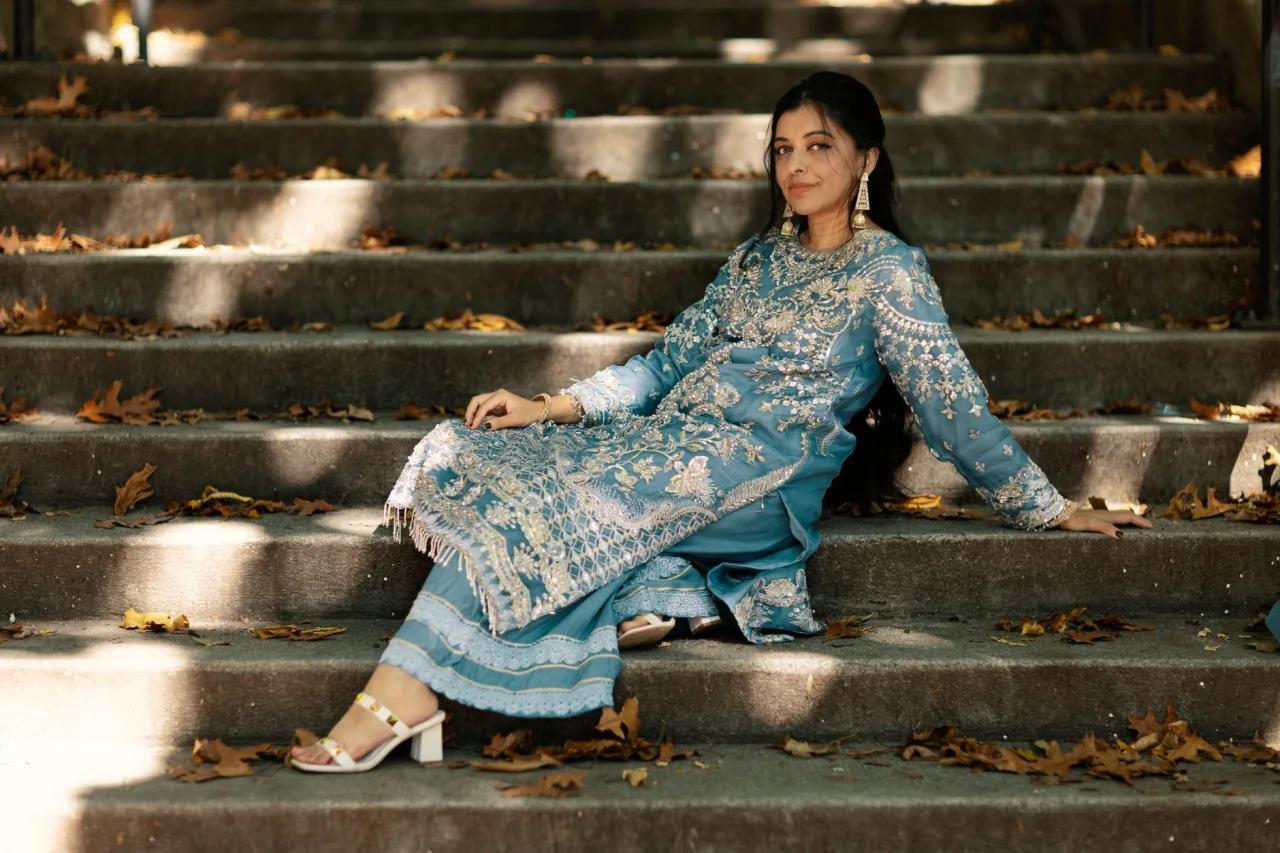
Where a dress roundup zooms in on women's stitched outfits, this one steps back to the whole Pakistani wardrobe: women's suits, menswear, festive formals and casual separates. Here are more than twenty design directions worth saving for 2026, spanning every corner of the closet and grouped so you can find the category you actually need.
The short version
- 2026 favours ease across the board: relaxed cuts, breathable fabric and lighter, placed embroidery.
- Menswear is having a moment, with refined kurtas, waistcoat layering and clean sherwanis.
- Lawn and cambric anchor casuals; raw silk, velvet and organza carry the formals.
- These are design directions, not fixed products. Adapt each to your fabric, colour and budget.
How to read a trend list honestly
Trend roundups are most useful as inspiration, not instruction. No single design is compulsory, and last year's favourites rarely disappear, they simply share the spotlight with newer shapes. The directions below reflect what is visibly popular and widely available heading into 2026, drawn from the enduring logic of Pakistani dressing rather than any fabricated leaderboard. Treat the list as a menu: keep the ideas that suit your body, your budget and your occasions, and ignore the rest without worry.
Because these are directions rather than fixed products, the same idea can be dressed up or down. A straight-cut shirt can be everyday cotton or festive organza; a sherwani can be understated or richly worked. That flexibility is the real strength of the wardrobe.
How this roundup is organised
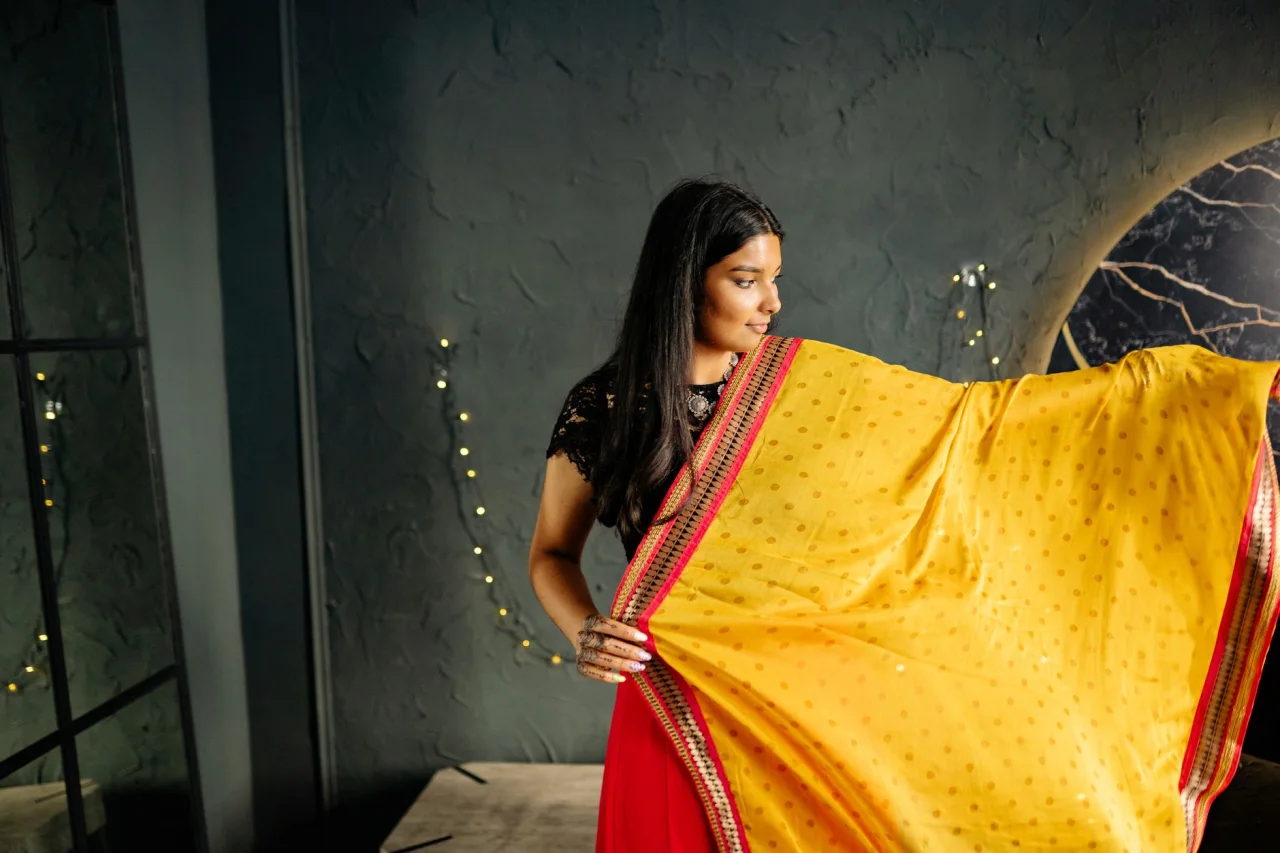
We have split the ideas into women's wear, menswear, festive and occasion, and casual separates, so you can jump to your category. Because Pakistani fashion is built around adapting a silhouette to your own fabric and embroidery budget, treat each entry as a direction to take to a tailor or match to a brand. For the wider context behind these categories, start with our complete guide to Pakistani clothes.
Women's everyday and suit designs
The backbone of most wardrobes, built for comfort and repeat wear.
- Straight-cut printed lawn suit. The summer staple, cool and forgiving.
- A-line cambric shirt with trousers. Gentle shape for daily wear.
- Two-piece khaddar suit. Soft handwoven cotton for cooler months.
- Short chikankari kurti. Delicate white-on-white thread work, kept minimal.
- Boxy co-ord separates. Mix-and-match relaxed shirt and wide trouser.
For a deeper women's-only survey, our Pakistani dress designs roundup covers festive and bridal silhouettes in more detail.
Menswear designs
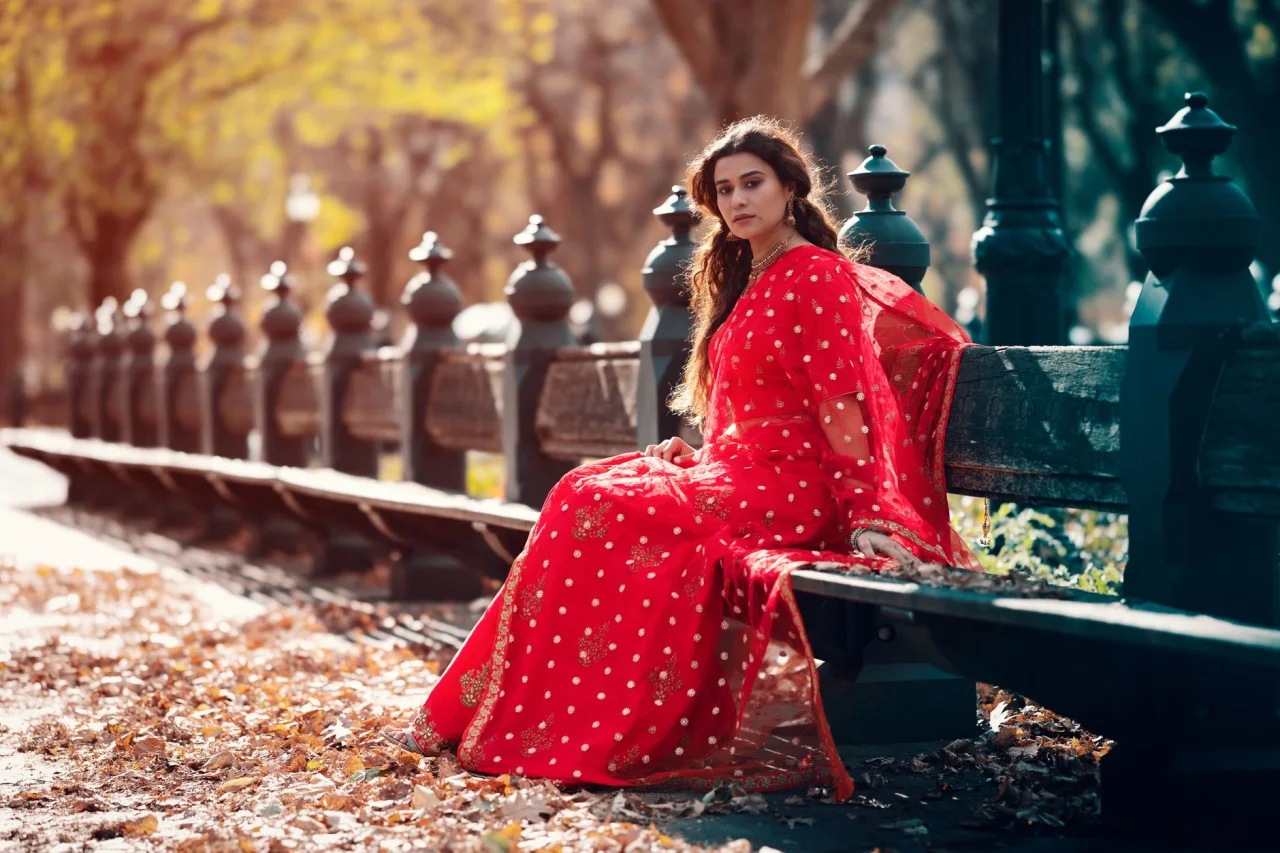
Men's Pakistani fashion in 2026 is clean, structured and quietly refined.
- Cotton shalwar kameez in solid tones. The everyday standard, cut neat rather than baggy.
- Kurta with pyjama. A lighter, versatile option for daytime and casual events.
- Waistcoat over kameez. A layered look that smartens an outfit for functions.
- Textured sherwani in ivory or deep tones. Structured formal wear for grooms and big occasions.
- Kameez shalwar with a subtle self-print. Understated texture for a modern finish.
Styling note: For menswear, fit is everything. A well-tailored simple kameez looks sharper than a loose, heavily detailed one. Keep colours tonal and let the cut do the work.
Festive and occasion designs
Where colour, sheen and placed embroidery come in, for Eid, dinners and celebrations.
- Embroidered organza three-piece. Crisp and translucent with a worked neckline.
- Sharara set with a short kurti. Flared-from-the-hip trousers, playful and easy to wear.
- Gharara with gota-trimmed kurti. A heritage silhouette from Awadh; see our gharara guide.
- Anarkali gown in jewel tones. A fitted bodice into a full, flowing skirt.
- Chiffon suit with scattered sequins. Fluid, light and flattering.
- Men's embroidered-collar kurta. A restrained festive touch for the men in the family.
Planning for a specific event? Our Eid outfit ideas for 2026 pair silhouettes with accessory notes.
Bridal and heavy-formal designs
Wedding-scale ideas using layered embroidery and richer fabric.
- Lehenga choli with dabka and zari. The classic bridal statement in velvet or raw silk.
- Farshi shalwar with a long shirt. A regal, floor-pooling revival.
- Tilla-worked nikah suit. Understated elegance for the ceremony.
- Pastel walima gown. Soft and luminous, lighter than a red bridal.
- Groom's sherwani with a worked stole. Coordinated formal menswear for the wedding.
For the sparkle at the seams of many of these, our guide on gota work explains the technique and how to judge quality.
Casual and fusion separates
Everyday pieces that blend traditional and modern.
- Kurti with jeans or trousers. The easiest fusion look for daily life.
- Tunic over straight pants. Minimal and office-friendly.
- Dupatta as a statement over solids. Let a worked dupatta lift a plain outfit.
Kids and family coordination
Pakistani celebrations are family affairs, and coordinated dressing is a popular way to mark them. You do not need to match outfits exactly. Instead, pull the family together with a shared palette or a common fabric, then let each person wear a silhouette that suits them.
- Children's wear mirrors adult styles in miniature: small kurta shalwar sets for boys, and frocks, lehengas or shalwar suits for girls, usually in lighter fabric and simpler embroidery for comfort.
- Colour coordination is the easiest approach. Choose two or three tones for the whole family and vary the garment.
- Fabric coordination works for weddings, where several members might share a raw-silk or organza base in different cuts.
Keep children's outfits practical. Lighter embroidery, breathable fabric and room to move matter more than heavy detailing for a long event.
Caring for your pieces
Care depends on the fabric and the work on it:
- Lawn, cambric and khaddar take gentle washing in cool water. Wash prints inside out and dry in shade.
- Chiffon, organza and net are delicate, so hand wash or dry clean and never wring them.
- Embroidered and bridal pieces should be dry cleaned and stored in muslin or cotton, not plastic, to keep metallic work from tarnishing.
- Menswear formals such as sherwanis and waistcoats are best dry cleaned and hung on padded hangers to hold their structure.
Fabric and colour for 2026
Design only works when the fabric and season agree. Lawn and cambric keep summer looks cool, in line with lawn's long standing as Pakistan's signature warm-weather cloth, while khaddar, jacquard and velvet suit winter. On colour, expect warm neutrals such as ivory, sand and clay to anchor daywear, with emerald, ruby and sapphire leading formals. Choose fabric with the best summer fabrics guide in mind for warm months.
- Pastels and neutrals for daytime and walima.
- Deep jewel tones for evening and winter.
- Metallic accents through gota and tilla rather than all-over shimmer, so the shine reads as detail rather than costume.
Mixing traditional and modern pieces
One of the strongest directions across 2026 is quiet fusion: pairing a traditional element with a contemporary one so each feels fresh. A short embroidered kurti over well-fitted trousers, a structured waistcoat over a plain kameez, or a heritage gharara styled with a minimal modern blouse all read as current without abandoning the roots of the wardrobe. The trick is balance. Let one piece carry the tradition and keep the other clean, so the outfit feels intentional rather than costume-like. This approach also stretches a wardrobe further, since a single modern separate can be restyled with several traditional pieces across different occasions. It is a practical way to build a versatile closet without buying a new outfit for every event, and it keeps your everyday and festive dressing feeling connected rather than compartmentalised.
From saved idea to worn outfit
Once you have your directions, the next steps are buying and styling. Our fit, fabric and price guide covers stitched versus unstitched and the value red flags to avoid, and our styling guide on looks for every occasion takes you from garment to finished outfit.
Frequently asked questions
What Pakistani clothes designs are trending in 2026?
Relaxed, breathable cuts lead across the wardrobe, with lighter placed embroidery at necklines and borders. Women's suits favour straight and A-line shapes and co-ord separates, menswear leans into refined kurtas and waistcoat layering, and formals use richer fabric with jewel-tone colour.
How is this different from Pakistani dress designs?
This roundup covers the whole wardrobe, including menswear, casual separates and formals, while a dress roundup focuses on women's stitched outfits such as suits, anarkalis and lehengas. Use this guide for a broad view and the dress roundup for women's-only detail.
What are the trending menswear styles?
Clean, well-fitted looks dominate: solid-tone cotton shalwar kameez, kurta with pyjama, waistcoat layering over the kameez, and structured sherwanis in ivory or deep tones for grooms. Fit and tonal colour matter more than heavy detailing.
Which fabrics suit these designs?
Lawn and cambric are ideal for summer casuals because they are light and breathable, while khaddar, jacquard and velvet suit winter. Organza, chiffon, raw silk and net carry festive and bridal designs. Match the fabric to the season and the occasion.
Are these designs suitable for weddings?
Yes. The bridal and formal ideas here, such as lehenga choli, farshi shalwar, gharara and groom's sherwani, are built for wedding events. Choose heavier fabrics and layered embroidery for main functions and lighter organza or pastels for daytime and walima events.
More on Clothing Types
Have a question or a topic to suggest?
We read every message. Tell us what you would like to see next in the journal.
Get in touch