Chikankari Suit Designs for 2026
How to judge a three-piece, plus price ranges and the occasions each suits.
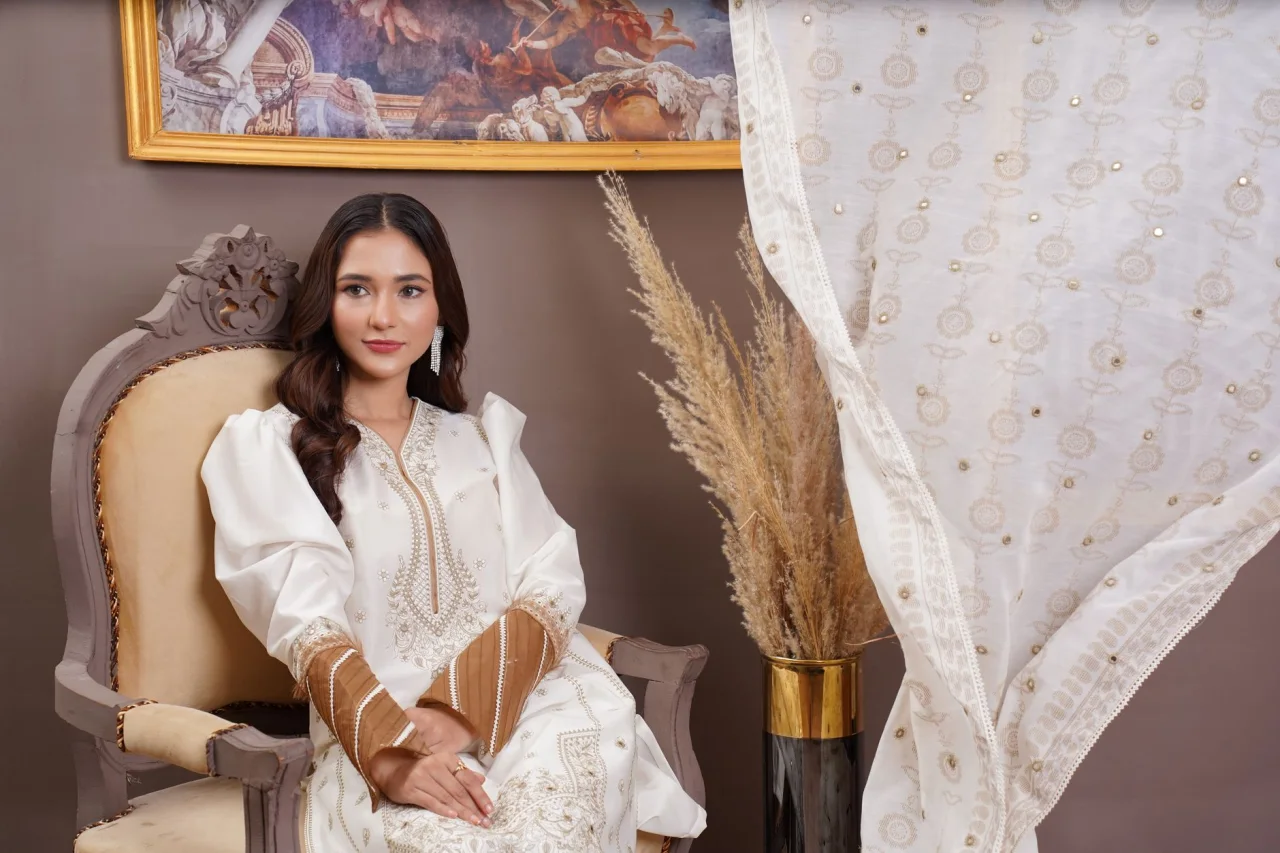
Where a single kurti shows off chikankari on one piece, a full chikankari suit lets the handwork flow across the kameez, the trouser and the dupatta as one considered look. That is exactly why a well-made three-piece is worth the investment in 2026, and why it pays to know what you are buying. This roundup covers the chikankari suit designs actually worth your money, how to judge the work across all three pieces, and the price and occasion each style suits.
The short version
- A chikankari suit is a coordinated three-piece: kameez, shalwar or trouser and dupatta, carrying the same hand embroidery across the set.
- The designs worth buying span classic white-on-white, pastel and coloured grounds, and dressier sheer-dupatta formals.
- Value depends on genuine handwork, so check the reverse, the jaali and the absence of leftover print on every piece, not just the front.
- Prices vary widely by fabric, density of work and seller, so treat ranges as brackets and confirm current pricing before buying.
What a chikankari suit is, and why it is worth it
A chikankari suit is a full outfit rather than a single garment: a kameez tunic, a shalwar or trouser, and a dupatta scarf, all carrying chikankari, the traditional white-thread hand embroidery from Lucknow. The appeal over a standalone kurti is coherence: when the shadow work, jaali and knots repeat across the kameez, dupatta and trouser hem, the outfit reads deliberate and finished. That coordination is also where the value sits, because a genuine hand-worked three-piece takes far more labour than a single embroidered top.
If you want the craft background first, our guide to chikankari history, technique and how to spot quality explains the stitches, and our companion chikankari kurti roundup covers single-piece buys. This guide is about choosing a full suit well.
Judging the work across all three pieces
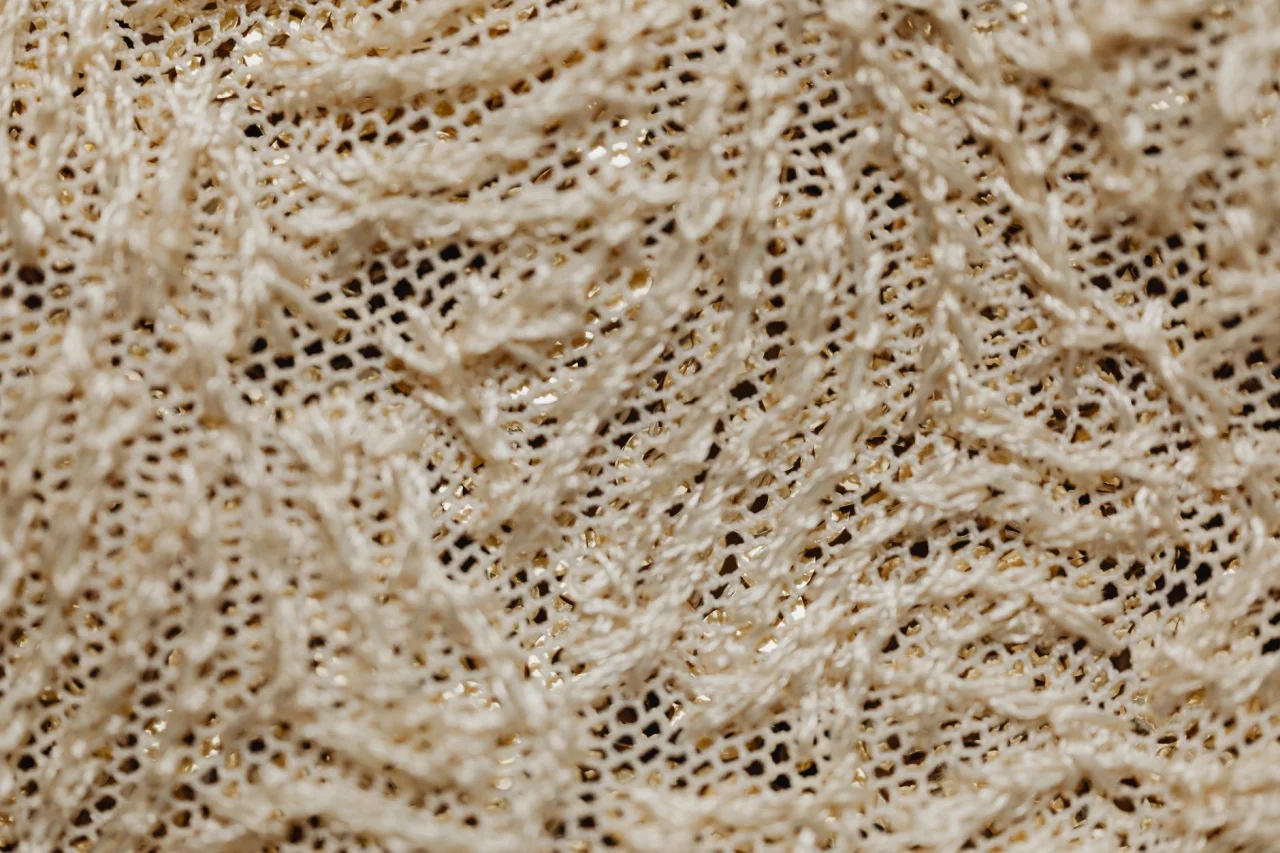
The mistake buyers make with suits is checking only the kameez front. On a three-piece, quality has to hold across every piece, so run these checks on the whole set.
- Reverse of each piece. Genuine handwork shows a neat, readable back on the kameez, dupatta and trouser alike. A uniform grid or no back thread points to machine or print.
- Consistency across the set. The motifs, thread and density should feel of a piece. A heavily worked kameez paired with a barely touched dupatta can signal a cost-cutting mix of hand and machine work.
- Even jaali. True jaali openwork is made by parting threads, not cutting, so the holes look even and the cloth stays strong.
- No leftover print. The washable block-print guide should be gone, leaving no blue or grey outline under the thread.
- Soft hand. Real work on fine cloth feels supple, not stiff or plasticky.
Our guide to hand versus machine embroidery covers the tells in more depth, and they apply to every piece of the suit.
Chikankari suit designs worth buying in 2026
These are the styles delivering the best balance of craft, wearability and value this year, each suited to a different taste and occasion.
- Classic white-on-white three-piece: the signature look, tonal shadow work across a white cotton or muslin set. The most versatile and timeless suit you can own.
- Pastel co-ordinated suit: self-tone or white thread on mint, powder blue, blush or lilac, a little dressier while staying easy to wear.
- Coloured-ground festive suit: deeper grounds with tonal or contrast embroidery, made for evening and festive daywear.
- Straight suit with worked borders: a clean kameez with chikankari concentrated on the neckline, cuffs and hem, smart for the office and daytime events.
- Sheer-dupatta formal: a lighter worked kameez paired with a densely embroidered georgette or organza dupatta that carries the drama.
- Angrakha or A-line chikankari suit: a wrap or flared silhouette that frames placed embroidery and feels a touch more special.
- Unstitched chikankari set: fabric plus worked panels you tailor yourself, the best route to a perfect fit and often better value.
Styling note
Let the embroidery lead and keep everything else quiet. Minimal jewellery, a simple sandal, and a well-lined trouser so a fine ground stays opaque. For more looks, see our salwar kameez styling guide.
The dupatta makes the suit
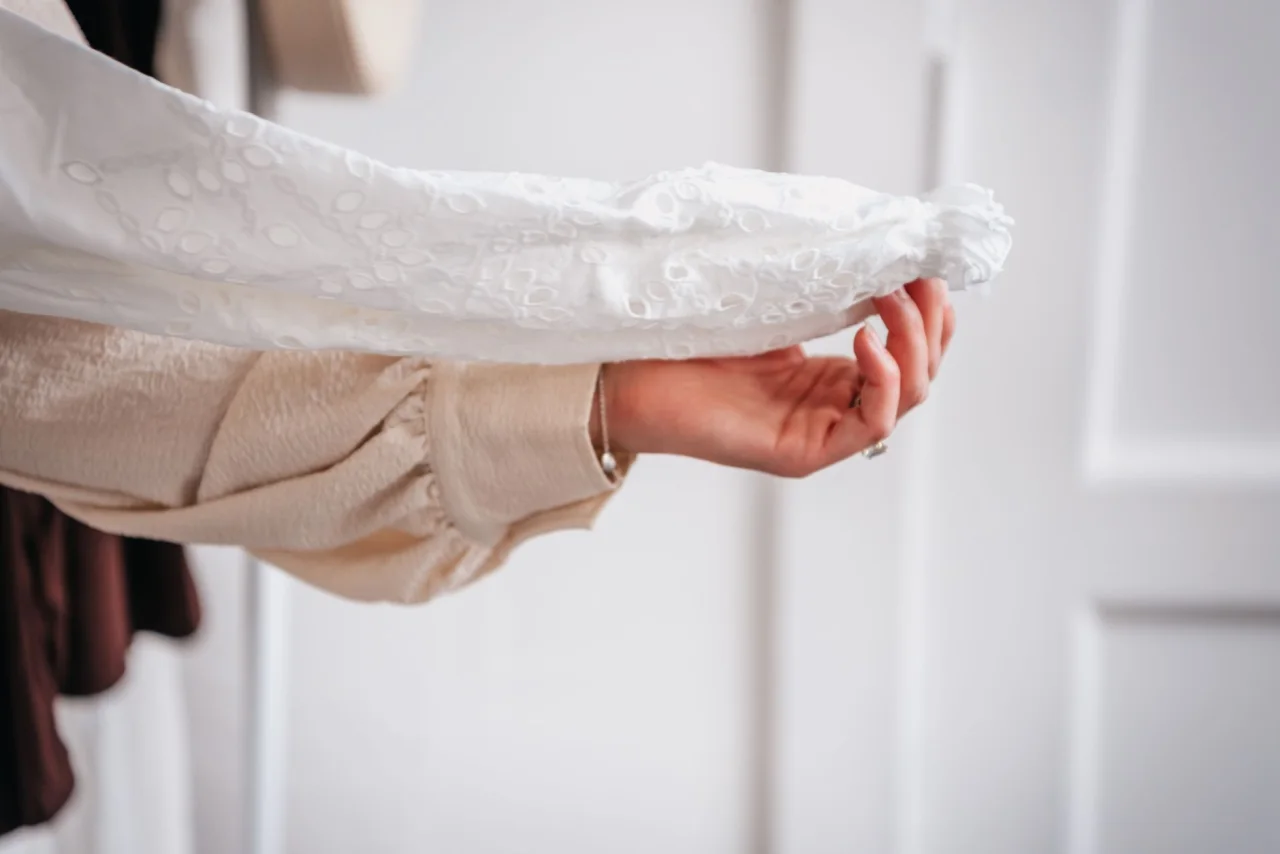
On a chikankari suit the dupatta does a huge share of the styling, so it is worth treating as a design choice rather than an add-on. A densely worked sheer dupatta can lift an otherwise simple kameez into festive territory, while a lightly worked cotton dupatta keeps a set casual and breathable. When you compare two suits at a similar price, the one with the better dupatta usually gives you more looks, because you can restyle the same kameez with a plainer scarf for daytime and the worked one for evening.
Sheer grounds show the shadow work beautifully, which is why georgette and organza dupattas are popular on dressier suits. Our guide to the organza dupatta covers how to style and care for that delicate drape.
Unstitched versus ready, and the fabrics that suit
Chikankari suits come both ready-to-wear and unstitched, and the choice affects fit, price and value. Unstitched sets let you tailor to your measurements, which matters most on a fitted kameez, and often cost less for comparable work. Ready-to-wear is more convenient if the standard sizing works for you. Our guide to ready-to-wear versus unstitched weighs the trade-offs.
For fabric, chikankari needs a cloth fine enough for the needle and, for shadow work, sheer enough to show the stitch on both sides:
- Cotton and muslin: the coolest, most classic grounds for summer suits.
- Cotton lawn: crisp and breathable for daily and office wear.
- Georgette and chiffon: more drape and a dressier feel for evening.
- Silk and organza: the most formal grounds, with body and sheen for occasions.
Because so much chikankari sits on fine cotton, these suits pair naturally with the best fabrics for Pakistani summers, and our salwar kameez fit, fabric and price guide helps you get the cut right.
Price ranges and the occasions they suit
Suit prices track the fabric, how dense and fine the handwork is across all three pieces, and whether it is genuine hand or machine work. As broad brackets, and remembering that prices vary a great deal by fabric, density of work and seller, so confirm current pricing:
- Entry: lightly worked cotton suits with spaced embroidery, or machine sets for casual everyday wear.
- Mid-range: genuine hand chikankari on cotton or muslin with fuller motifs and some jaali across the set, the value sweet spot.
- Premium: densely worked three-pieces with fine murri, phanda and extensive jaali, often with a georgette, silk or organza dupatta, for occasions.
Match the tier to the moment: a mid-range cotton suit covers daily and office wear, while a densely worked set with a sheer worked dupatta earns its price at festive and evening events. To carry the craft into occasion wear, our chikankari lehenga roundup applies the same logic to bridal-adjacent pieces, and our embroidered suit designs guide shows where chikankari sits among other work.
Caring for a chikankari suit
A three-piece is a bigger investment, so care protects it. Hand wash or use a delicate cycle with mild detergent, wash the dupatta separately if it is a sheer or coloured ground, and avoid wringing. Dry in shade so white grounds do not yellow, press on the reverse or under a cloth so the knots stay raised, and store folded with a little space rather than crushed. Keep the jaali away from rough surfaces and sharp jewellery, and a well-kept chikankari suit will stay elegant for many seasons.
Frequently asked questions
How do I check quality on a chikankari suit?
Check every piece, not just the kameez front. Look at the reverse of the kameez, dupatta and trouser for neat handwork, confirm the motifs and density feel consistent across the set, check that jaali is made by parting threads rather than cutting, and make sure no printed guide lines remain. A soft rather than stiff hand also signals genuine work.
What is the difference between a chikankari suit and a kurti?
A kurti is a single top worn with your own bottoms, while a suit is a coordinated three-piece with a kameez, shalwar or trouser and a matching dupatta, all carrying chikankari. A suit gives a more finished, cohesive look and involves more handwork, which is reflected in the price.
Should I buy a chikankari suit unstitched or ready-to-wear?
Unstitched lets you tailor to your measurements for a better fit and often costs less for comparable work, which matters most on a fitted kameez. Ready-to-wear is more convenient if the standard sizing fits you well. Choose based on how important a precise fit is and whether you have a reliable tailor.
How much does a chikankari suit cost?
Lightly worked cotton and machine suits sit at the entry end, genuine hand chikankari on cotton or muslin is mid-range, and densely worked sets with fine jaali and a sheer worked dupatta are premium. Prices vary widely by fabric, density of work and seller, so treat these as brackets and confirm current pricing.
Can I wear a chikankari suit to a festive or evening event?
Yes, with the right piece. A densely worked coloured-ground suit, or a lighter kameez paired with a heavily embroidered georgette or organza dupatta, suits festive and evening occasions, while a simpler cotton or muslin suit is ideal for daily and office wear. The range across occasions is part of a chikankari suit's value.
More on Embroidery
Have a question or a topic to suggest?
We read every message. Tell us what you would like to see next in the journal.
Get in touch