Chikankari Lehenga: 2026 Picks
Soft, tonal white on white embroidery for nikah, mehndi and day weddings, and how to buy it well.
A chikankari lehenga is the quiet luxury option in a room full of heavy bridalwear. Instead of dense metallic work, it leans on the soft, shadowy white on white needlecraft of Lucknow to look expensive without shouting. This guide walks through the chikankari lehenga designs worth buying in 2026, the quality markers that separate genuine handwork from print, honest price ranges, and the occasions each style suits best.
The short version
- Chikankari is a traditional hand embroidery from Lucknow, India, built from a family of fine white thread stitches, so a chikankari lehenga reads as tonal and delicate rather than heavy.
- It suits day weddings, mehndi and nikah functions, and summer occasions far better than a dense gota or zardozi lehenga.
- Georgette, organza, chanderi and net grounds carry chikankari lehengas best because they show the shadow work and let the skirt flare softly.
- Prices vary widely by fabric, density of handwork and retailer, so treat every figure below as a range and confirm current pricing.
Why a chikankari lehenga in 2026
Bridal and festive fashion has spent several seasons piling on weight: heavier cans, more crystals, denser metallic embroidery. A chikankari lehenga is the counterpoint. Because chikankari began as white untwisted thread on fine muslin, a Lucknow tradition documented on Wikipedia's chikan embroidery page, the whole aesthetic is about subtlety, texture and coolness in warm weather rather than sparkle. For 2026 that translates into pastel and ivory lehengas that photograph beautifully in daylight and feel light enough to actually dance in.
It is also a practical choice for the second or third outfit of a wedding season. If a bride wants a statement gota or velvet piece for the main event, a chikankari lehenga is the natural pick for a daytime mehndi, an intimate nikah, or a family engagement where comfort and elegance matter more than sheer drama.
What genuine chikankari on a lehenga looks like
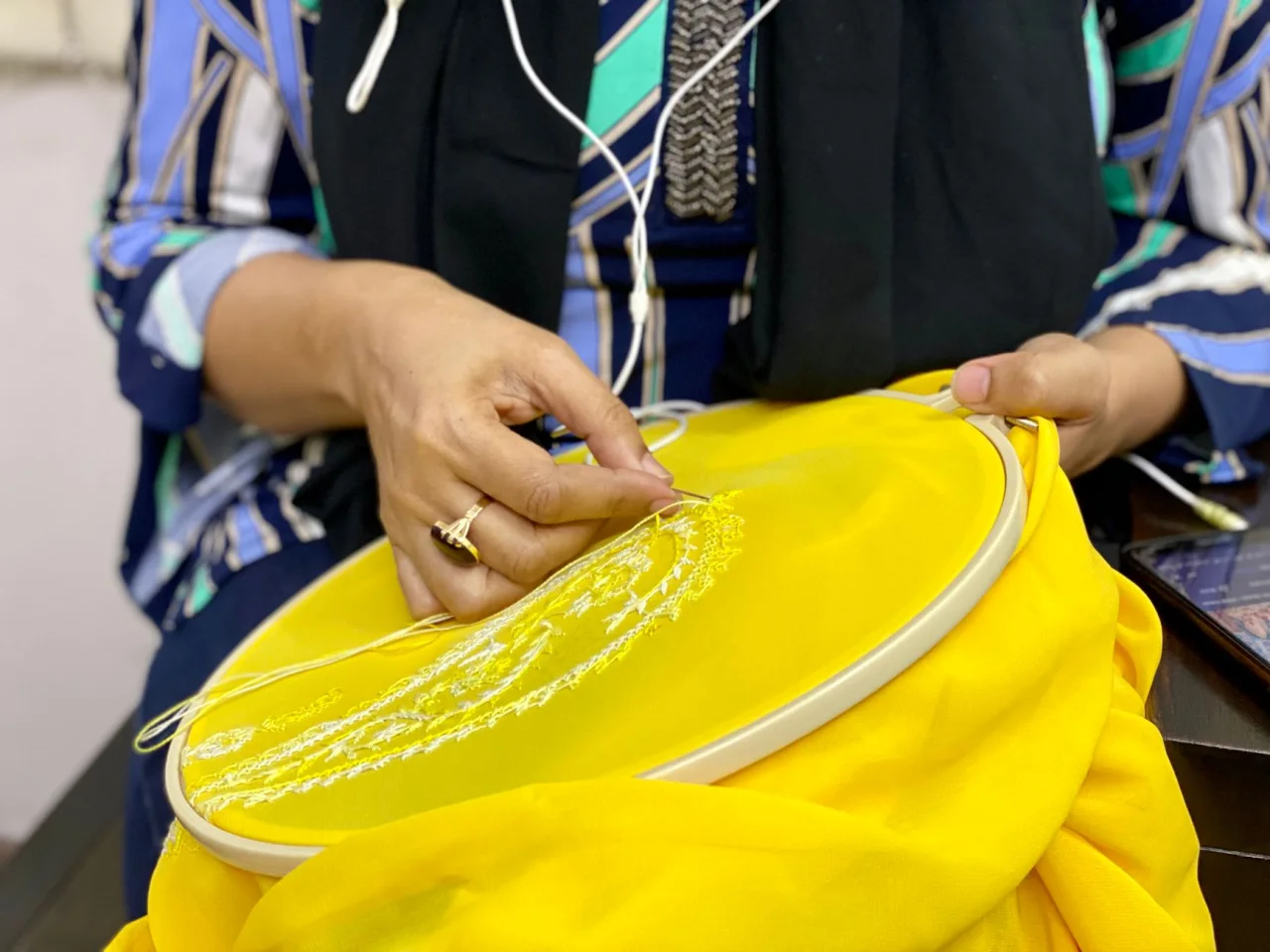
The single most important thing to understand before you buy is that real chikankari is hand embroidered, and a lot of what is sold as chikankari is machine embroidery or even print. On a lehenga, where the panels are large, the temptation to fake the work is even higher because covering that much fabric by hand is slow and expensive.
Look for these signs of authentic handwork:
- A meaningful reverse. Turn a hem or the dupatta corner. Hand chikankari has a neat, readable back with visible shadow work and knots. Machine work shows a dense uniform grid and jump threads; a print has no back thread at all.
- Gentle irregularity. Handwork varies slightly in stitch size and spacing. Motifs that repeat with mechanical perfection across every panel point to machine or screen.
- True jaali. The net or lattice effect in real chikankari is made by teasing the cloth threads apart with the needle, not by cutting. Even, uncut openwork is a strong quality marker.
- No leftover print outline. The block printed guide is meant to wash out. A faint blue or grey line under the thread means poor finishing.
Chikankari lehenga designs worth buying in 2026
Rather than invent collections, here are the honest design directions that are widely available and genuinely wearable this year.
The ivory white on white lehenga
The purest expression of the craft: an ivory or off white georgette skirt worked in tonal chikankari, paired with a matching blouse and a sheer dupatta. It suits nikah ceremonies and civil weddings where a restrained palette feels right. Because the work is tonal, a simple pearl or polki set finishes it without competing.
Pastel chikankari with light thread contrast
Powder blue, sage, blush and lilac grounds with white or self toned chikankari read as fresh and modern. A hint of resham or subtle sequin scatter on the borders lifts it for a mehndi without turning it into a heavy piece.
Chikankari plus mukaish or gota border
A classic Lucknawi pairing is chikankari with fine mukaish or badla dotting, sometimes edged with a slim gota border to add just enough shine. This is the most festive end of the chikankari lehenga range and works well for evening functions in cooler months.
Organza dupatta over a chikankari skirt
Pairing a chikankari skirt with a crisp organza dupatta gives structure and a slight sheen against the soft skirt. It is a flattering, photogenic combination for daytime events.
Styling note
Let the embroidery lead. A chikankari lehenga wants minimal, tonal jewellery: pearls, uncut polki or delicate kundan rather than heavy meenakari. Keep the makeup soft and the hair loose or in a low bun so nothing fights the delicate texture. If you want more ideas, our guide to styling a lehenga for every occasion covers draping and accessory pairings in depth.
Fabrics that carry chikankari lehengas best
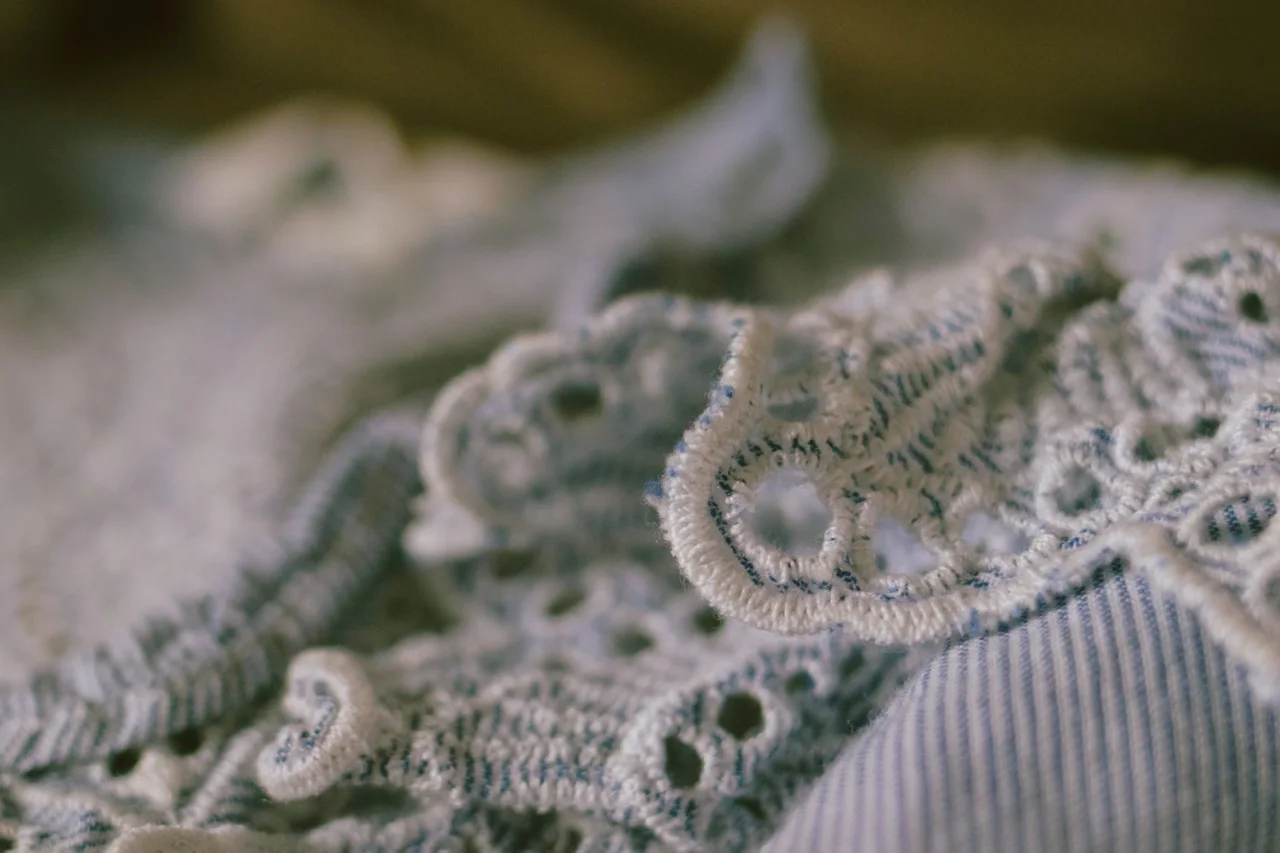
Chikankari needs a cloth fine enough for the needle to pass through easily and light enough to show the shadow work. On a lehenga the fabric also has to flare and hold pleats, so the popular grounds are:
- Georgette: the workhorse. It drapes, flares softly and shows chikankari beautifully, which is why most pastel chikankari lehengas are georgette.
- Organza: crisper and slightly sheer, lovely for dupattas and structured skirts, though it creases more.
- Chanderi and fine cotton: more traditional and breathable, best for daytime and summer functions.
- Net: used for the flare and can be layered, though heavy net loses the airy chikankari feeling.
If you are still deciding on the overall garment before the embroidery, our complete guide to the lehenga explains skirt cuts, cans and dupatta styles, and Wikipedia's lehenga entry traces the ankle length skirt back to the sixteenth century subcontinent.
Honest price ranges
Chikankari lehenga pricing swings enormously depending on whether the work is hand done, how densely the panels are covered, and the fabric. As a rough orientation only, and always to be confirmed with the seller:
- Mostly machine or light hand work on georgette: the budget end, suitable for guests and lighter functions.
- Genuine hand chikankari with moderate coverage: a clear step up, the sweet spot for a mehndi or nikah outfit.
- Dense hand chikankari with mukaish, jaali and premium fabric: the top end, approaching bridal pricing.
Prices vary widely by fabric, density of work, brand and retailer, so confirm current pricing before you commit. Buying unstitched or semi stitched and having a trusted tailor finish it can stretch a budget further, a trade off we cover in our broader lehenga buying advice at how to choose the perfect lehenga.
Occasions each style suits
- Nikah and civil wedding: ivory white on white, minimal jewellery.
- Mehndi and daytime functions: pastel chikankari with light sequin or gota edging.
- Evening receptions in winter: chikankari with mukaish and a richer pastel, layered over net for flare.
- Wedding guest: a single tonal chikankari lehenga set is elegant without upstaging the bride.
Caring for a chikankari lehenga
Because it is fine handwork on delicate cloth, a chikankari lehenga rewards gentle care. Dry clean the heavier, embellished pieces. Hand wash lighter cotton or georgette skirts in cool water with mild detergent, never wring, and dry in shade so white grounds do not yellow. Press on the reverse or with a cloth between iron and fabric so the raised knots are not flattened, and store folded with acid free tissue rather than crushed on a hanger, which strains the pleats and the jaali.
How chikankari compares to gota and mirror lehengas
If you love embroidery detail but are torn between styles, it helps to know the trade offs. Chikankari is the lightest and most tonal. A gota lehenga, built from applied metallic ribbon, is brighter and more festive, closer to the Rajasthani wedding aesthetic covered in our gota lehenga roundup. Chikankari also pairs naturally with matching separates, so many buyers add a chikankari suit for the surrounding events to keep a coherent look across a wedding.
Frequently asked questions
Is a chikankari lehenga suitable for a bride?
Yes, especially for a nikah, a daytime wedding or a mehndi, where the soft tonal look suits the mood. Brides who want a lighter, cooler and more understated alternative to heavy zardozi or gota often choose chikankari for one of their events. For the main heavy event, many still pick a denser embroidered lehenga, so it comes down to the ceremony and your comfort.
How can I tell a chikankari lehenga is hand embroidered?
Turn over a hem or the dupatta corner and look at the reverse. Hand chikankari has a neat, meaningful back with visible shadow work and knots, small natural irregularities in the stitches, and even jaali openwork made by parting threads rather than cutting. Machine work shows a uniform grid and jump threads, and a print has no back thread and often a faint leftover outline.
What fabric is best for a chikankari lehenga?
Georgette is the most popular because it drapes, flares and shows the shadow work well. Organza is crisper and lovely for dupattas, chanderi and fine cotton are breathable choices for daytime and summer, and net is used for extra flare. Lighter, slightly sheer grounds flatter chikankari most.
How much does a chikankari lehenga cost?
It varies widely. Lightly worked or machine pieces on georgette sit at the budget end, genuine hand chikankari with moderate coverage is a clear step up, and dense hand work with mukaish and premium fabric approaches bridal pricing. Prices depend on fabric, density of work, brand and retailer, so always confirm current pricing before buying.
How do I care for a chikankari lehenga?
Dry clean embellished pieces, and hand wash lighter cotton or georgette skirts in cool water with mild detergent without wringing. Dry in shade to protect white grounds, press on the reverse or under a cloth so the knots are not flattened, and store folded with acid free tissue rather than crushed.
More on Embroidery
Have a question or a topic to suggest?
We read every message. Tell us what you would like to see next in the journal.
Get in touch