Embroidered Suit Designs: 20+ Ideas
Twenty plus embroidered suit ideas from everyday thread work to bridal zardozi, plus placement, colours and how to match density to your event.
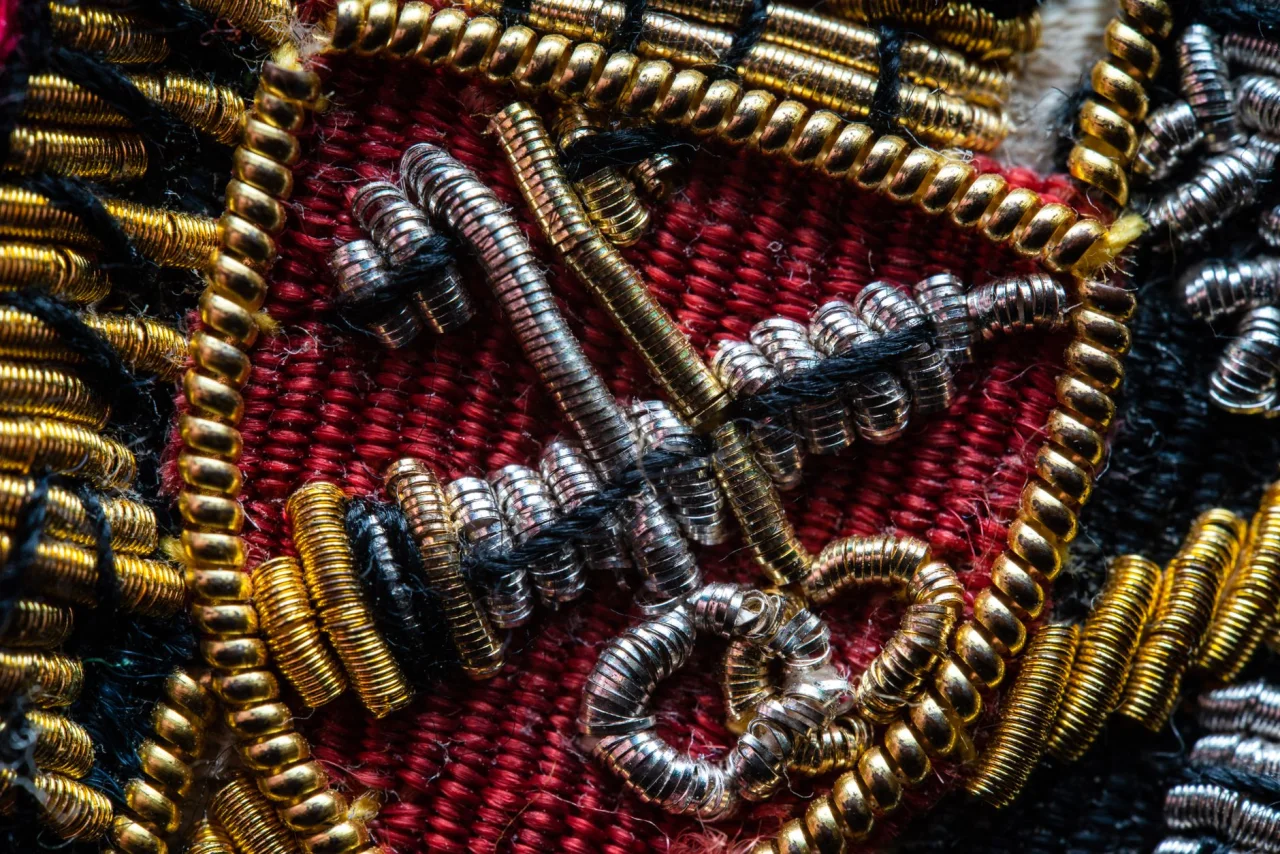
Embroidery is where a suit shows its personality: a whisper of white chikankari, a bold zardozi border or a scatter of tiny mirrors can change the whole mood of an outfit. This roundup collects more than twenty embroidered suit design ideas for 2026, organised by occasion and budget, so you can find work that suits your event without overspending. These are style directions to adapt, not a ranked chart, and every one can be scaled up or down in density.
The short version
- Twenty plus embroidered suit ideas across everyday, festive, bridal and budget.
- The technique and its placement decide how formal and how expensive a suit reads.
- Light thread work suits daywear; heavy metallic work suits weddings.
- A worked dupatta over a plain suit is the smartest budget upgrade.
How to use this list
Think in three layers: the technique (what stitch), the placement (where it sits) and the base fabric (what it is stitched on). If the vocabulary is new, read our guide to what an embroidered suit is first, then use these ideas to picture the finished look.
Everyday embroidered suit ideas
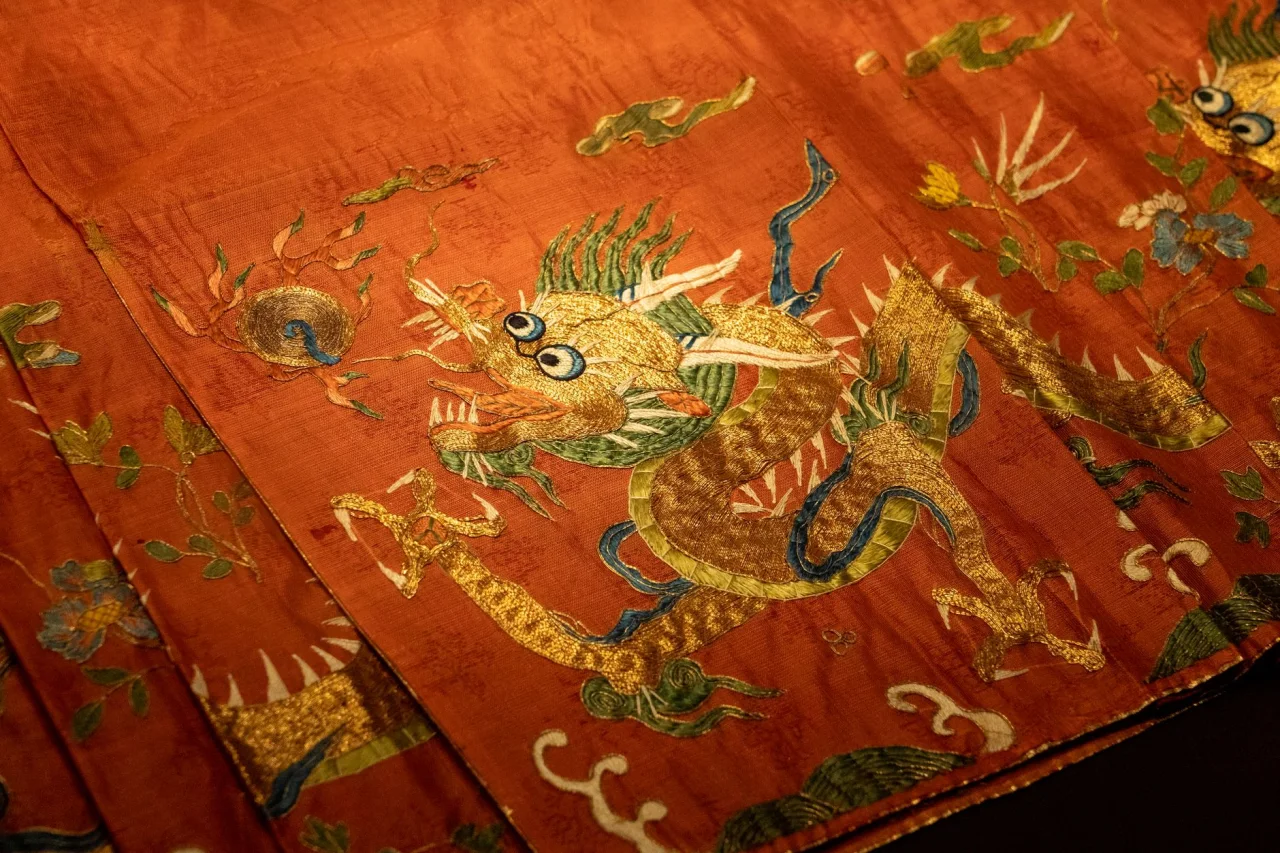
Light, comfortable work you can wear to the office, to lunch or on a normal day out.
- White chikankari on pastel cotton: soft, breathable and quietly elegant. See our chikankari guide for what quality looks like.
- Neckline resham motif: a small coloured thread cluster at the yoke on a plain suit.
- Thread scallop hem: a fine embroidered edge on the kameez and dupatta.
- Tone on tone work: embroidery in the same colour as the fabric for a subtle, textured look.
- Cutwork daman: light thread and cutwork along the hem for a summery feel.
Festive and party embroidered suits
Medium density work with a bit of shine for Eid, dinners and celebrations.
- Zari border kameez: metallic thread borders frame the suit without covering it. Judge it with our zari guide.
- Gota patti on chiffon: applied gold ribbon patterns, light and festive.
- Mirror work on a dark base: shisha mirrors catch the light beautifully in the evening.
- Sequin scatter yoke: a sprinkle of sequins across the chest for gentle sparkle.
- Contrast thread florals: bright floral embroidery on a solid base.
- Embellished dupatta, plain suit: a heavily worked dupatta lets you keep the rest simple.
- Angrakha with border embroidery: a wrap front trimmed with fine thread work.
Building a festival wardrobe? Our Eid outfit ideas show several of these in context.
Bridal and heavy occasion embroidered suits
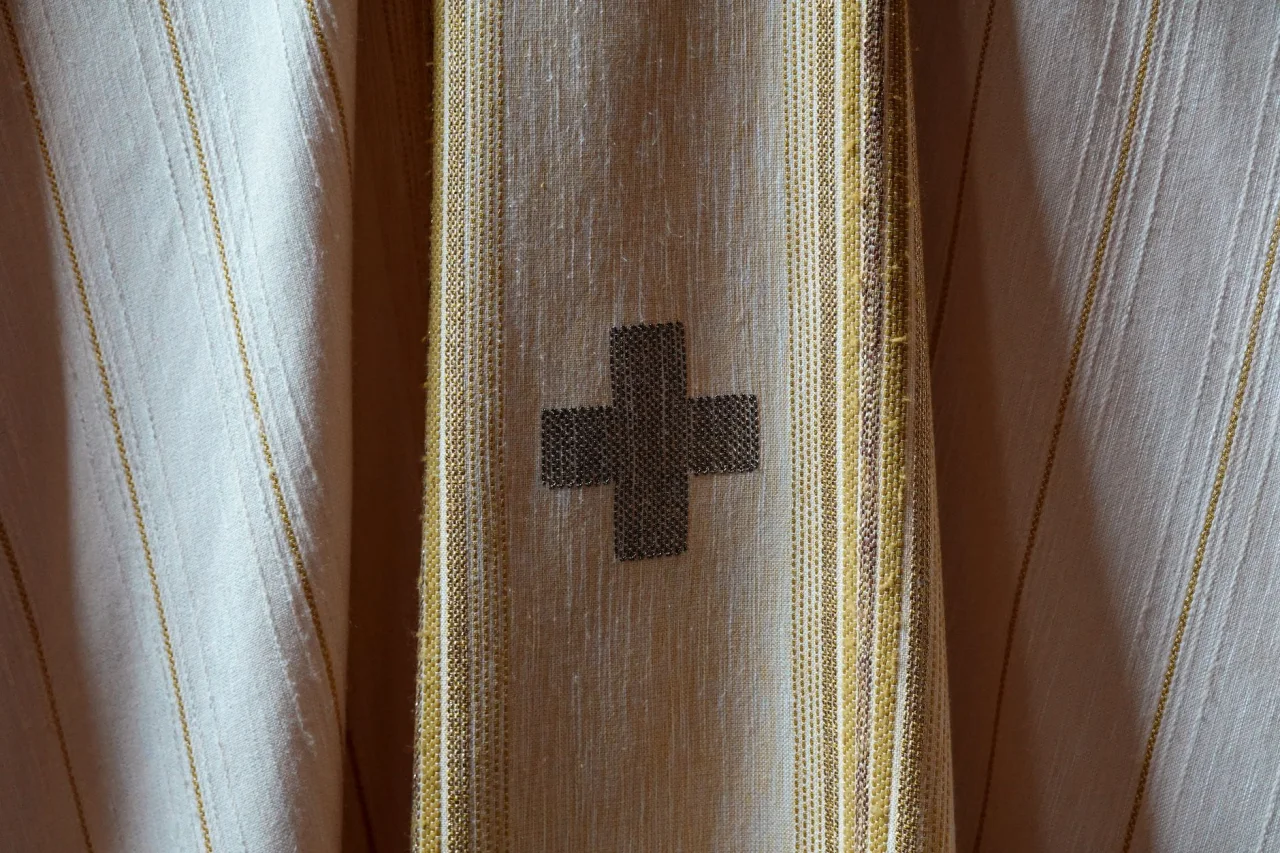
Dense, rich work for weddings and the biggest events. These are the most involved and the most expensive.
- Zardozi all over: raised metallic wire work across the kameez, the classic formal statement.
- Dabka and pearl combination: coiled wire and pearls for a layered, luminous surface.
- Velvet base with gold work: heavy embroidery on velvet for winter weddings.
- Jaal net suit: an all over net pattern of embroidery for a formal, delicate look.
- Kundan and stone accents: embroidery mixed with stones for a couture feel.
For the full occasion, our wedding guest outfit ideas help pitch the embroidery level to your role in the event.
Budget friendly embroidered suit ideas
- Machine embroidered neckline: neat, affordable and quick to find.
- Lace and thread mix: combine ready lace with light embroidery for a rich look for less.
- Single motif placement: one well placed embroidered motif costs far less than all over work.
- Refresh an old suit: add an embroidered patch or border to a plain suit you already own.
Value note
Embroidered suit prices vary widely by technique, hand versus machine work, coverage, base fabric and brand. Compare the density and neatness of the stitching and whether it is hand or machine done, and always confirm current pricing before you buy.
Necklines and placement ideas
Where the embroidery sits shapes the whole look, so it is worth planning as carefully as the technique. A worked boat neck or square yoke draws the eye up and flatters most faces. A vertical placket of embroidery down the centre front lengthens the frame. Sleeve cuffs and a matching hem create a neat frame around plain fabric for a balanced, semi formal effect. A single large motif on one shoulder feels contemporary and uses the least thread for a striking result. If you are having a suit made, discuss placement with your tailor and embroiderer before work begins, because moving embroidery afterwards is difficult and rarely clean.
Hand or machine: which idea to choose
Many ideas above come in both hand and machine versions. Hand work gives depth and slight irregularity and costs more; machine work is uniform, fast and budget friendly. For occasion pieces where texture matters, hand work rewards the spend. For everyday designs, quality machine embroidery is sensible. Learn to tell them apart with our hand versus machine guide.
Pairing embroidery with the right base
The base fabric changes how embroidery reads. Light thread work sits well on cotton and lawn for daywear. Gota and sequins love chiffon and georgette for parties. Heavy zardozi needs a sturdy base like silk or velvet to carry the weight. If you prefer breathable everyday pieces, cross over to our cotton suit design ideas, many of which use light embroidery on a cotton base.
Colours that make embroidery sing
Colour is part of the design, not an afterthought. Metallic gold and silver embroidery reads richest on deep jewel tones such as maroon, bottle green, navy and plum, which is why bridal and winter pieces lean dark. Pastels and ivory let fine thread work and chikankari feel airy and modern, ideal for daytime. Tone on tone embroidery, where the thread matches the fabric, gives a refined, textured look that photographs well and suits the office. If you want the embroidery to be the star, keep the base a solid colour so nothing competes with the stitching.
Common mistakes to avoid
- Over matching: a heavily embroidered suit, an embroidered dupatta and a heavy clutch can be too much. Let one element lead.
- Wrong base for the work: heavy embroidery on flimsy fabric sags and puckers. Match density to the cloth.
- Ignoring the reverse: loose, trailing threads on the back snag and unravel. Check the finishing before you buy.
- Skipping care: machine washing beaded or metallic work dulls and breaks it. Dry clean heavier pieces.
Making the most of your budget
Embroidery is where suit prices climb fastest, so spend where it shows. A worked yoke and neckline sit right in the eyeline and give the biggest visual return for the least fabric covered. Borders on the hem and dupatta frame the outfit for a moderate cost. All over jaal work is the most expensive because it covers everything, so reserve it for pieces you will wear to major events. Buying one versatile embroidered dupatta that you can throw over several plain suits is often smarter than buying several lightly worked suits, because it multiplies your options for a single spend.
Matching embroidery to your role at an event
How much embroidery is right depends on where you sit at the occasion. As a guest, aim for medium work that looks celebratory without upstaging the hosts or the couple. As a close family member at a wedding function, you can go heavier, with border or partial jaal work. For everyday and office wear, keep to a single embroidered neckline or a fine hem so the outfit stays practical. Reading the event and your part in it is the quickest way to avoid feeling underdressed or overdressed, and it saves you from buying embroidery you will rarely use.
Frequently asked questions
What embroidered suit designs are trending in 2026?
Popular directions include white chikankari on pastel cotton, zari and gota borders for festive wear, mirror and sequin work for parties, and dense zardozi or dabka for weddings. These are style directions to adapt rather than a ranked leaderboard.
Which embroidered suit is best for a wedding?
Heavier techniques such as zardozi, dabka, kundan accents and dense zari work on a sturdy base like silk or velvet read as bridal and formal. Reserve the densest, all over embroidery for the biggest events.
How can I get an embroidered look on a budget?
Choose a machine embroidered neckline, combine ready lace with light thread work, pick a single well placed motif, or add an embroidered dupatta or border to a plain suit you already own. These give a rich effect for less.
What base fabric works best for heavy embroidery?
Heavy metallic embroidery such as zardozi needs a sturdy base like silk or velvet to carry the weight without sagging. Light thread work suits cotton and lawn, while gota and sequins sit beautifully on chiffon and georgette.
Is machine embroidery lower quality than hand embroidery?
Not necessarily. Machine embroidery is uniform, fast and affordable and can be very neat, while hand embroidery offers depth and character at a higher price. The right choice depends on your budget and how formal the occasion is.
More on Clothing Types
Have a question or a topic to suggest?
We read every message. Tell us what you would like to see next in the journal.
Get in touch