Farshi Shalwar Designs 2026
More than 20 farshi shalwar designs for 2026, sorted by occasion and budget for every function.
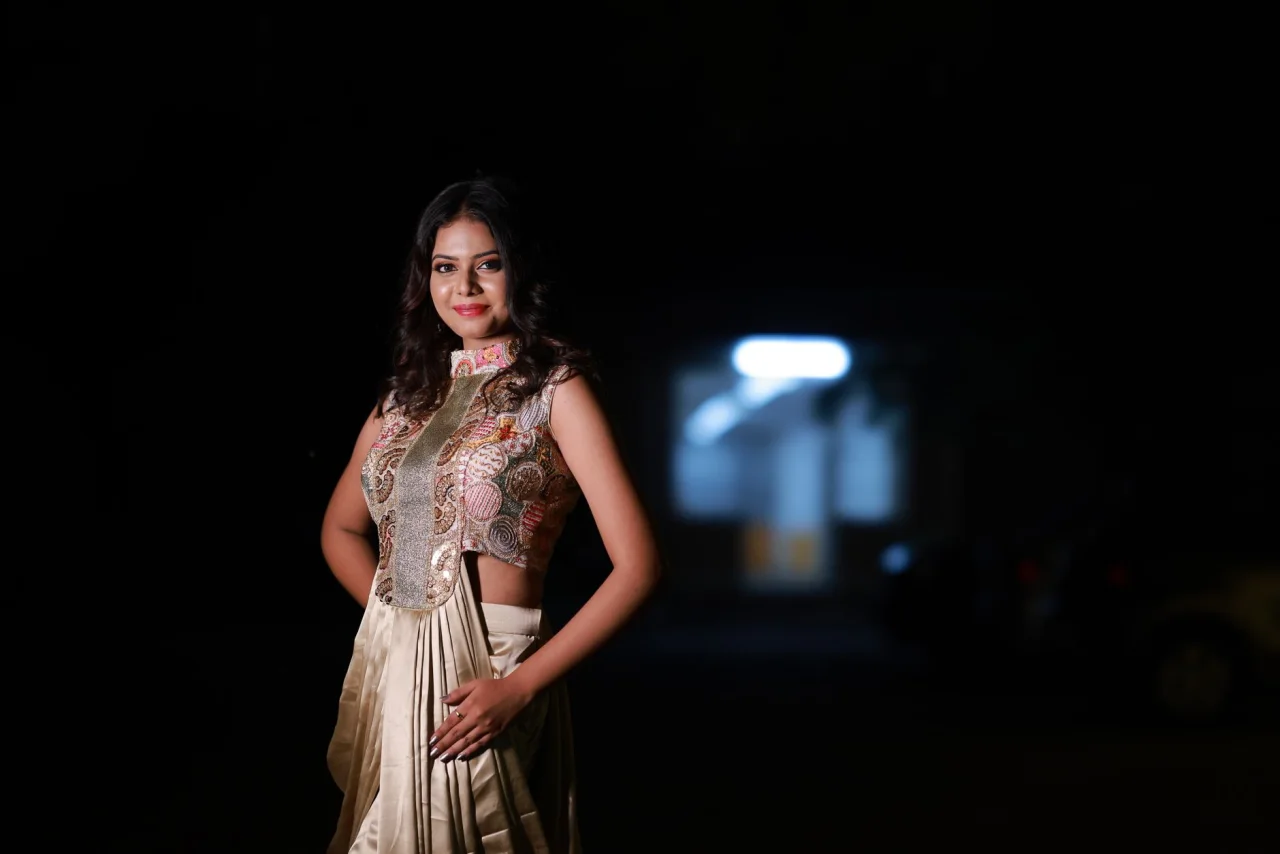
The farshi shalwar has swept back into wedding fashion, trailing hem and all, prized for the drama it brings to bridal and heritage looks. This roundup gathers more than twenty farshi shalwar design ideas for 2026, grouped by occasion and budget, so you can find a version that suits your event, your fabric preference and your spend.
The short version
- The farshi shalwar is a floor-trailing garment from Awadh (Lucknow), now mainly a bridal and occasion piece.
- Design variety comes from fabric, embellishment placement and the weight of the trailing flare.
- Bridal versions lean on zardozi, gota and jamawar; lighter festive versions use georgette and net.
- Pick the design by occasion first, then choose a fabric that gives you the trail you can comfortably carry.
What defines a farshi shalwar design
Before the ideas, a quick orientation. A farshi shalwar falls straight to the ankle and then flares into a wide, trailing pool of fabric, worn as a three-piece with a kurta and dupatta. The name comes from farsh, meaning floor, and the garment traces to the courtly culture of early twentieth-century Lucknow, as documented on the farshi pajama Wikipedia page. If you want the full background, start with our complete farshi shalwar guide.
Because the silhouette is fixed, most design variety comes from three levers: the fabric, where the embellishment sits, and how heavy or light the trailing flare is. Keep those in mind as you browse the ideas below.
Bridal farshi shalwar designs
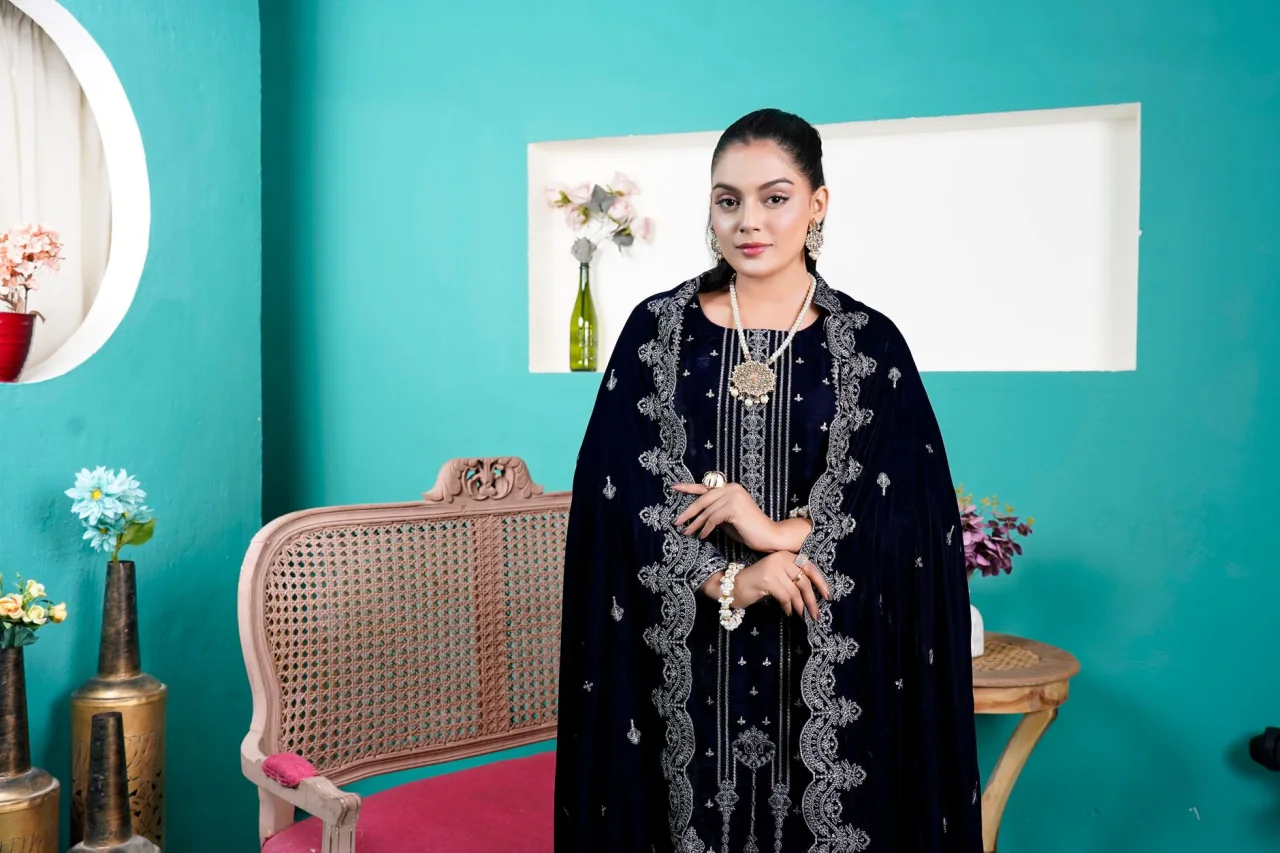
This is the garment's natural home. Bridal designs go all in on heritage craft and rich fabric.
- Zardozi-worked farshi shalwar. Dense metallic zardozi goldwork along the flare and hem for full bridal grandeur.
- Deep-red silk classic. A traditional bridal red in structured silk that holds a sculptural trail.
- Jamawar farshi shalwar. Woven, patterned jamawar fabric that carries the regal, nawabi association.
- Gold-and-ivory heritage set. Ivory base with gold tilla and dabka for a timeless, softer bridal palette.
- Velvet winter bridal. Deep jewel-tone velvet for cold-weather weddings, weighty and dramatic.
Walima and reception designs
For the walima and reception, designs lean elegant and luminous rather than maximal.
- Pastel georgette farshi. Soft blush, sage or powder blue in fluid georgette for a graceful trail.
- Ivory-and-silver set. A cool, refined palette suited to evening receptions.
- Net flare with scattered work. A lighter net trail with spaced embellishment for movement.
- Tonal self-work farshi. Embroidery in the same colour as the base for understated luxury.
See how these sit alongside other options in our complete walima dress guide.
Mehndi and mayun designs
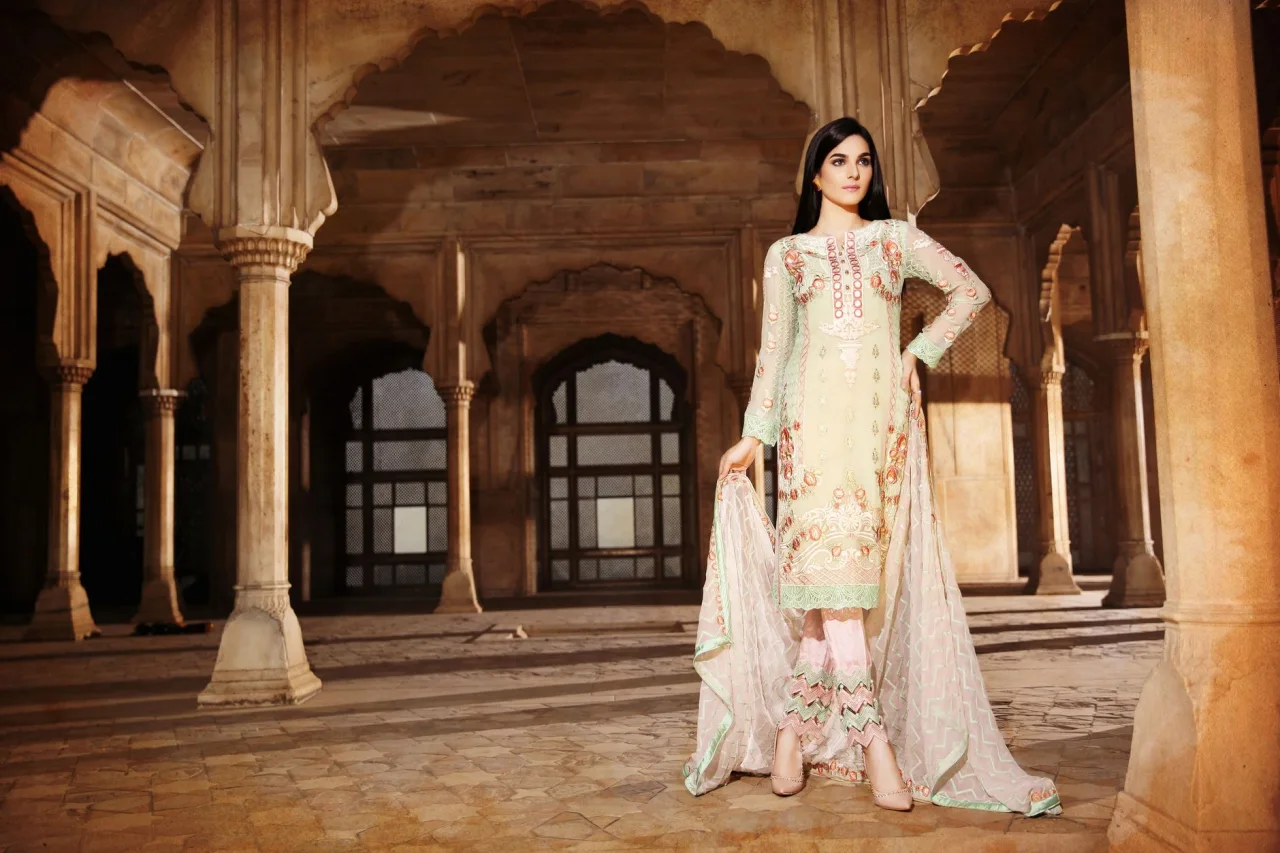
For the vibrant pre-wedding functions, farshi shalwars turn colourful and playful.
- Yellow gota farshi. A mehndi-classic yellow with gota edging for festive brightness.
- Multi-colour mirror-work set. Bright, mixed hues with mirror and thread work for a lively look.
- Green-and-orange festive. Bold, celebratory colour blocking for daytime functions.
- Floral-print farshi. Printed base with light embellishment for an easier, colourful mehndi option.
Our mehndi dress ideas and mayun dress ideas show more pre-wedding directions.
Styling note
The trailing hem is the star, so keep the kurta relatively simple and let the flare carry the embellishment. Heirloom jewellery and a well-draped dupatta finish the look without competing with the garment.
Festive and guest designs
You do not have to be the bride to wear one. Lighter farshi shalwars work for close family and formal guests.
- Chiffon farshi with border work. A fluid, manageable trail with embellishment kept to the edges.
- Solid jewel-tone set. Emerald, sapphire or wine in a single rich colour for an elegant guest look.
- Printed festive farshi. A patterned base for a less formal, more wearable version.
- Short-trail modern farshi. A reduced trail for guests who want the silhouette with more mobility.
For broader options, our wedding-guest outfit ideas place the farshi shalwar among sarees, lehengas and gharara sets.
Designs by budget
Farshi shalwar pricing swings widely because the garment uses so much fabric and often heavy handwork. Treat these as broad brackets that vary by fabric, work and retailer, and confirm current pricing before buying.
- Budget. Printed or lightly worked georgette and net farshi shalwars, with a shorter trail, are the most accessible.
- Mid-range. Silk or jacquard bases with moderate embellishment on the flare sit in the middle.
- Premium. Heavily zardozi- or dabka-worked bridal sets in silk, jamawar or velvet are the most expensive, driven by fabric yardage and handwork hours.
Trending directions for 2026
Rather than invented rankings, here are the honest directions gaining ground with designers and retailers.
- Pastel bridals. Soft ivory, blush and sage as alternatives to traditional red.
- Lighter trails. Reduced, more manageable flares for wearability without losing the silhouette.
- Heritage revival. Jamawar, tilla and zardozi celebrated for their Lucknow craft roots.
- Tonal embellishment. Self-coloured work for a modern, refined finish.
- Fusion kurtas. Shorter or contemporary kurtas paired with the classic trailing bottom.
How to choose from these designs
- Name the function. Bridal, walima, mehndi or guest sets the formality and colour.
- Pick the fabric. Structured silk for drama, georgette or net for a lighter, easier trail.
- Decide the trail length. Full traditional trail for maximum impact, shortened for mobility.
- Match the embellishment to the event. Heavy zardozi for bridal, lighter border work for guests.
Frequently asked questions
What is the most popular farshi shalwar design for brides?
Heavily embellished designs in silk, jamawar or velvet, worked with zardozi goldwork along the flare and hem, are the classic bridal choice. Traditional deep red remains popular, though pastel ivory, blush and sage have become common modern alternatives.
Can I wear a farshi shalwar as a wedding guest?
Yes. Lighter versions in chiffon, georgette or net with border embellishment and a shorter trail work well for close family and formal guests. Choose a single rich colour or a printed base for a more wearable look.
Which fabric is best for a farshi shalwar?
Structured fabrics like silk, jamawar and velvet give the flare a rich, sculptural trail and suit bridal wear, while georgette and net offer a lighter, more manageable trail for festive and guest looks. Match the fabric weight to how much drama and mobility you want.
Are shorter-trail farshi shalwars still authentic?
Modern, shortened versions reduce the trailing hem for practicality and are a legitimate contemporary take on the garment. They keep the signature straight-then-flare silhouette but trade away some of the traditional floor-sweeping drama.
How much does a farshi shalwar cost?
Prices vary widely with fabric, embellishment and retailer. Lighter georgette and net versions are the most affordable, silk or jacquard sets sit mid-range, and heavily worked bridal sets in silk, jamawar or velvet are the most expensive. Always confirm current pricing before buying.
More on Clothing Types
Have a question or a topic to suggest?
We read every message. Tell us what you would like to see next in the journal.
Get in touch