Raw Silk Outfits: What Styles Best
The crisp, matte silk that holds structure and heavy embroidery: silhouettes, occasions and colours.
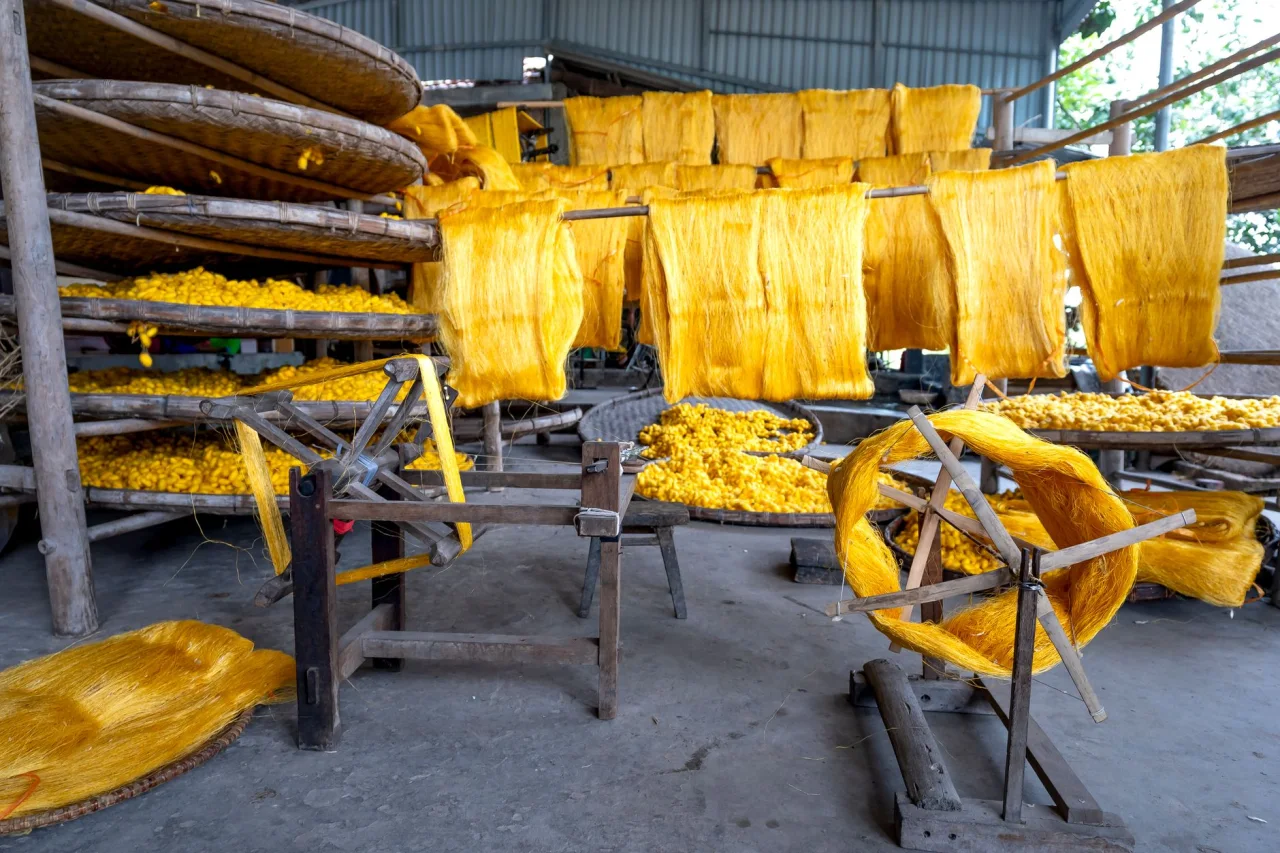
If georgette is the fabric that flows, raw silk is the fabric that stands. Its crisp body and matte, textured surface make it the natural choice for structured, richly embellished occasion wear, from bridal lehengas to groom sherwanis. This guide shows exactly what raw silk sews best, the occasions it suits and the embroidery and styling that bring out its quiet luxury.
The short version
- Raw silk is a matte, textured, crisp silk with real body, so it holds structure rather than draping softly.
- It sews best into A line suits, lehengas, shararas, sherwanis, waistcoats and structured gowns.
- It is an ideal base for heavy work: zardozi, dabka, gota, tilla and dense thread embroidery all sit beautifully on it.
- It leans formal and cool weather, and most pieces are dry cleaned rather than washed.
Why raw silk styles the way it does
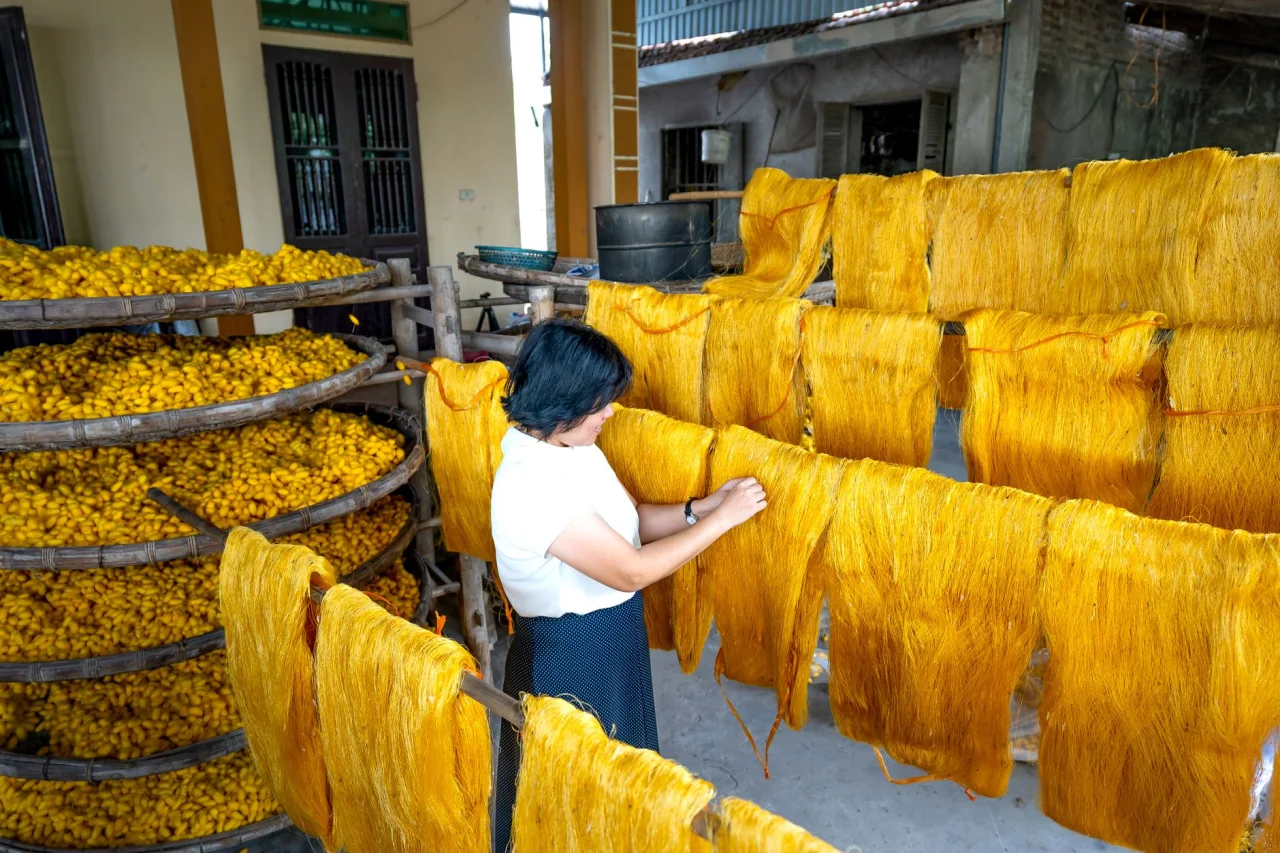
Raw silk's whole styling character comes from one property: structure. Unlike smooth, degummed silk, raw silk keeps a firmer, matte hand and a slightly slubbed surface. Much of what is sold as raw silk is a dupioni style cloth, woven with uneven yarn reeled from tangled cocoons, giving it a crisp hand and irregular texture. That firmness means the fabric stands away from the body and holds a clean line, which is why it is used for tailored, sculptural silhouettes rather than soft, clingy ones.
For the full background on the fibre, its sericin gum and the dupioni and noil family, see our explainer on what raw silk is, its properties and care. Here we concentrate on turning it into outfits.
The silhouettes raw silk sews best
Reach for raw silk whenever a design needs to hold its shape or carry weight:
- A line and straight suits: the fabric's body keeps clean, architectural lines, so a raw silk kameez looks crisp and tailored.
- Lehengas: raw silk skirts flare and stand with volume, giving that regal, structured shape that heavier fabrics do best.
- Shararas and ghararas: the flared legs read as sculptural rather than floaty, which suits grand formal occasions.
- Sherwanis and Nehru jackets: raw silk is a classic menswear formal fabric because it tailors sharply and holds a collar and structured shoulder.
- Waistcoats and structured gowns: anywhere you want a firm, self supporting shape.
Styling note
Play to the structure. Raw silk looks its best in outfits that celebrate a clean silhouette: a sharp A line, a standing collar, a flared skirt with body. Do not fight the fabric by asking it to gather into soft, fluid ruffles, that is georgette or chiffon territory. Let raw silk do the one thing it does better than almost anything: hold a beautiful shape.
The occasions raw silk owns
Raw silk is firmly formal and celebratory. Its richness and weight make it feel special, so it belongs at the top end of the occasion scale:
- Weddings and bridal wear: raw silk lehengas and heavily worked suits are wedding wardrobe staples, and dupioni style silk is popular in bridal and formal wear. See our full guide to bridal dresses for where it fits.
- Groom and family menswear: sherwanis, waistcoats and Nehru jackets in raw silk for grooms and wedding guests.
- Walima and reception dressing: the fabric photographs richly under evening light.
- Winter festive occasions: its warmth and body suit cooler months, as covered in our best fabrics for winter dresses.
It is less suited to casual daywear and peak summer heat, where lighter, breathable fabrics are more comfortable.
Embellishments that shine on raw silk
This is where raw silk really earns its place. Its firm, stable surface is one of the best bases for heavy embroidery, because the fabric supports the weight of the work instead of sagging under it:
- Zardozi and dabka: raised metallic goldwork sits proud and secure on the structured ground.
- Gota and tilla: flat gold ribbon and metallic thread work read crisply against the matte surface.
- Dense thread and resham embroidery: the fabric holds intricate motifs without puckering.
- Stone, sequin and mirror work: the body of the cloth carries the added weight comfortably.
The matte finish is a genuine advantage here: because the fabric itself is not shiny, metallic and reflective embroidery stands out against it rather than competing with a glossy background. That contrast is a large part of why bridal ateliers reach for raw silk.
Colours that flatter raw silk
Raw silk's slubbed, matte surface gives colour a deep, slightly heathered quality, and many dupioni style silks are woven with two tones in warp and weft for a subtle iridescent shimmer that shifts in the light. That makes rich, saturated shades especially rewarding:
- Jewel tones: emerald, ruby, sapphire, deep teal and aubergine look luxurious and formal.
- Regal metallics and golds: antique gold, bronze and champagne suit heavy goldwork.
- Ivory, cream and blush: classic for brides and grooms, and a clean canvas for coloured embroidery.
- Shot two tone shades: the iridescent weave gives depth that flat fabrics cannot match.
Styling and finishing tips
A few practical moves get the most from a raw silk outfit:
- Line raw silk garments. A lining protects the skin from scratchy embroidery backs and helps the shape hold.
- Pair structure with structure: a stiff raw silk kameez balances well over slim churidars or cigarette pants that keep the lower half clean.
- Let heavy jewellery meet heavy fabric. Raw silk formal wear carries statement kundan, polki or temple jewellery without looking overloaded.
- Steam, do not crush. Because raw silk creases, hang it and steam out folds before an event rather than packing it tightly.
Buyer tip
When comparing a raw silk outfit with a smooth silk one, decide what you want the fabric to do. For a soft, lustrous, body skimming look, polished silk wins, and our piece on what silk sews and styles best covers that. For crisp structure and a base for heavy work, raw silk wins. Our silk versus raw silk comparison lays out the trade offs.
Is a raw silk outfit right for you?
Choose raw silk when you want a structured, formal, heavily embellished look: bridal lehengas, tailored suits, sherwanis and winter occasion wear with a rich matte finish. Look elsewhere for easy care daywear, hot weather comfort or soft fluid drape. Prices swing widely with fibre content (pure silk versus blend or art silk), embroidery density, brand and region, so always confirm current pricing and check what the fabric actually is before you buy.
Frequently asked questions
What outfits are best made from raw silk?
Raw silk suits structured, formal silhouettes best: A line and straight suits, lehengas, shararas and ghararas, sherwanis, waistcoats and structured gowns. Its crisp body helps garments hold a clean shape, which is why it is a favourite for bridal and grand occasion wear.
Is raw silk good for bridal and wedding wear?
Yes. Raw silk, and the dupioni style silk often sold under that name, is popular in bridal and formal wear because it holds structure and supports heavy embroidery. Raw silk lehengas, sherwanis and richly worked suits are wedding wardrobe staples, especially for cooler weather functions.
What embroidery works best on raw silk?
Heavy, structured work shines on raw silk: zardozi, dabka, gota, tilla, dense thread and resham embroidery, plus stone, sequin and mirror work. The firm surface supports the weight without sagging, and the matte ground makes metallic embroidery stand out rather than compete with a shiny background.
Is raw silk suitable for summer?
Not really. Raw silk has body and warmth, which makes it better for formal occasions and cooler weather than for everyday summer wear. For hot months, lighter, more breathable fabrics such as lawn, cotton or chiffon are more comfortable choices.
How should I care for a raw silk outfit?
Most raw silk outfits, especially embellished ones, are best dry cleaned, because plain water can spot the fabric and it creases readily. Store it on a padded hanger rather than folded, keep it out of direct sunlight, and steam or press gently before wear to smooth out any wrinkles.
More on Fabrics
Have a question or a topic to suggest?
We read every message. Tell us what you would like to see next in the journal.
Get in touch