Silk Outfits: Styling Guide
The cuts, embellishments, and occasions where weighty, lustrous silk truly shines.
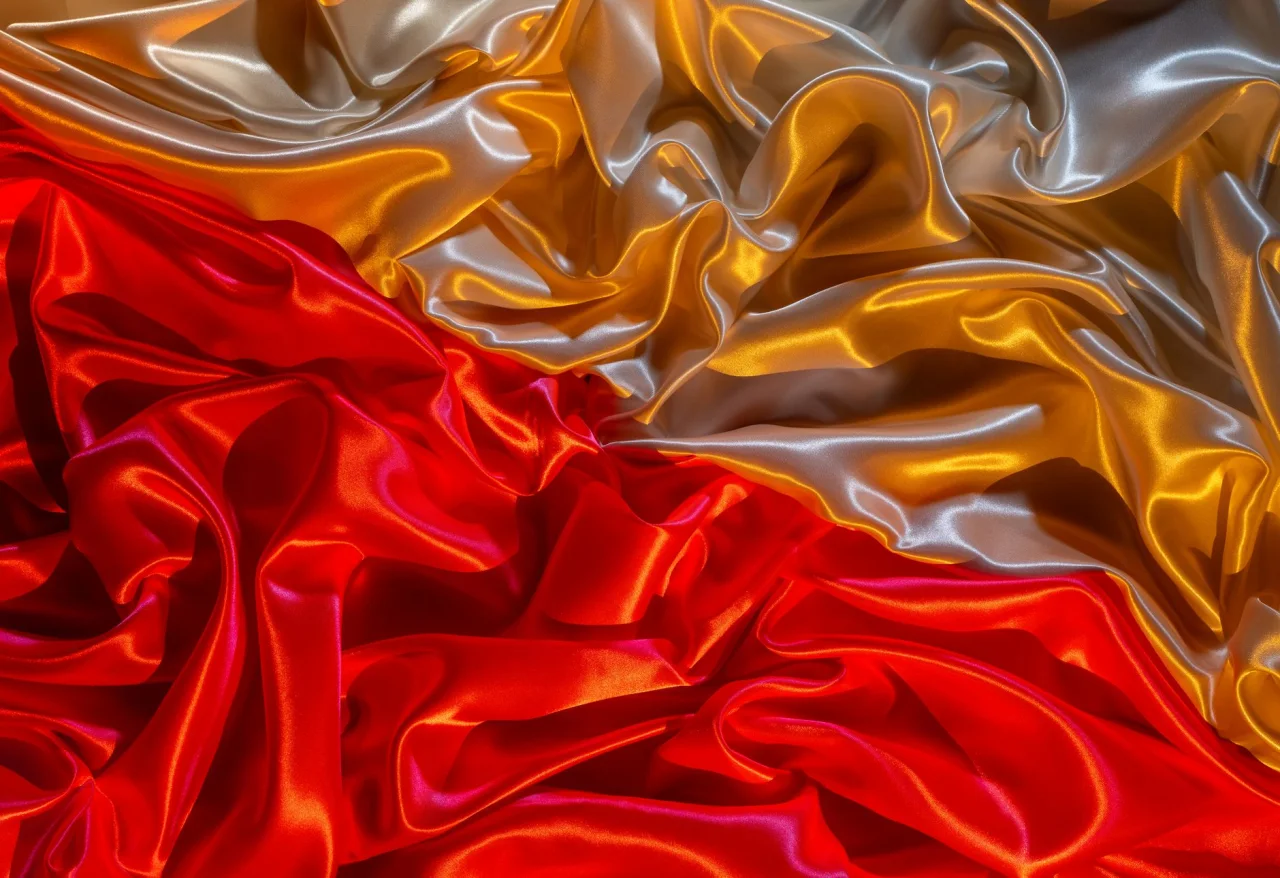
Silk is the fabric that turns an outfit into an occasion. Its weight, sheen, and strength make it the natural choice for bridal lehengas, heirloom sarees, and formal sherwanis, but those same qualities mean it styles very differently from a light lawn or a floaty chiffon. This guide covers the cuts, embellishments, and occasions where silk truly shines, with honest notes on comfort and care.
The short version
- Silk has weight and a rich fall, so it suits structured, formal pieces: bridal lehengas, sarees, sherwanis, and tailored suits.
- Its natural lustre carries heavy zari, zardozi, and dabka work beautifully, which is why it dominates wedding wardrobes.
- Different silks suit different looks: smooth mulberry silk for fluid drape, textured raw silk for crisp structure.
- Heavy embellished silk is warm for long events, so plan for the season, the venue, and comfort.
Why silk sews and styles the way it does
Silk's styling behaviour comes straight from its nature. It is one of the strongest natural fibres, it has a substantial weight compared with sheer fabrics, and its triangular fibre structure gives that famous glow. For the full technical background, our explainer on what silk is, its properties and care covers the fibre and the making. Here the focus is what all that means for building an outfit.
Weight and lustre are the headline. Silk falls in rich, sculptural folds rather than fluttering, so it reads as formal and holds embellishment without collapsing. The trade-offs to design around are that heavy silk can be warm, it marks easily with water, and it needs careful pressing, so it is a considered fabric rather than a casual one.
The outfits silk does best
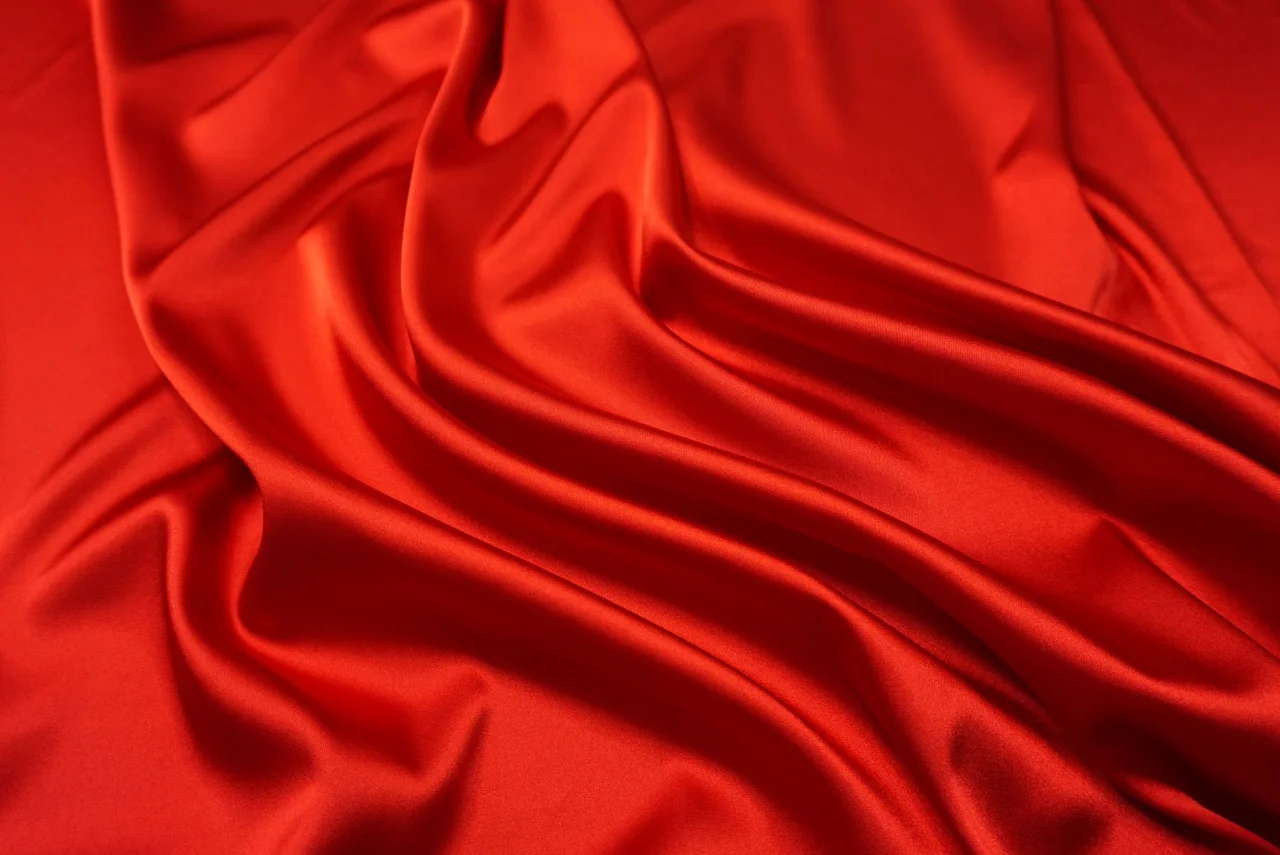
- Bridal and formal lehengas. Silk gives the structure and rich fall that heavy bridal work needs. Our lehenga guide covers the silhouettes.
- Sarees. Woven silk sarees are the classic heirloom piece, elegant, weighty, and endlessly re-wearable.
- Sherwanis and men's formals. Raw and woven silks give a crisp, dignified drape for grooms and formal events.
- Tailored suits and kurtas. Silk holds a sharp, structured cut, so a silk kurta or a straight silk suit looks polished for festive dinners.
- Occasion dupattas. A zari-bordered silk dupatta elevates even a simple base outfit.
Embellishments that work on silk
Silk is the traditional home of heavy hand embroidery because its strength and body can carry the weight without sagging. The most flattering pairings include:
- Zari and zardozi, metallic thread work that glimmers against silk's own sheen. Learn to read it in our guide to zari.
- Dabka and tilla, raised metallic coil work used lavishly on bridal silks. See our dabka guide.
- Resham thread embroidery, which adds colour and softness against the lustre.
- Woven brocade motifs, where the pattern is part of the weave itself rather than stitched on.
A quick honesty note: the richest bridal silks with dense metallic work are heavy to wear, so factor in how many hours you will have them on. Our overview of different types of embroidery in Pakistani fashion helps you recognise and choose the work.
Styling note
Let one thing lead. Silk already carries lustre and often heavy work, so a heavily embellished silk outfit pairs best with restrained jewellery and a clean hairstyle, while a plain silk piece is the place to bring out statement jewellery. Fighting sheen with sheen and heavy work with heavy jewels reads cluttered rather than luxe.
Matching the silk to the look
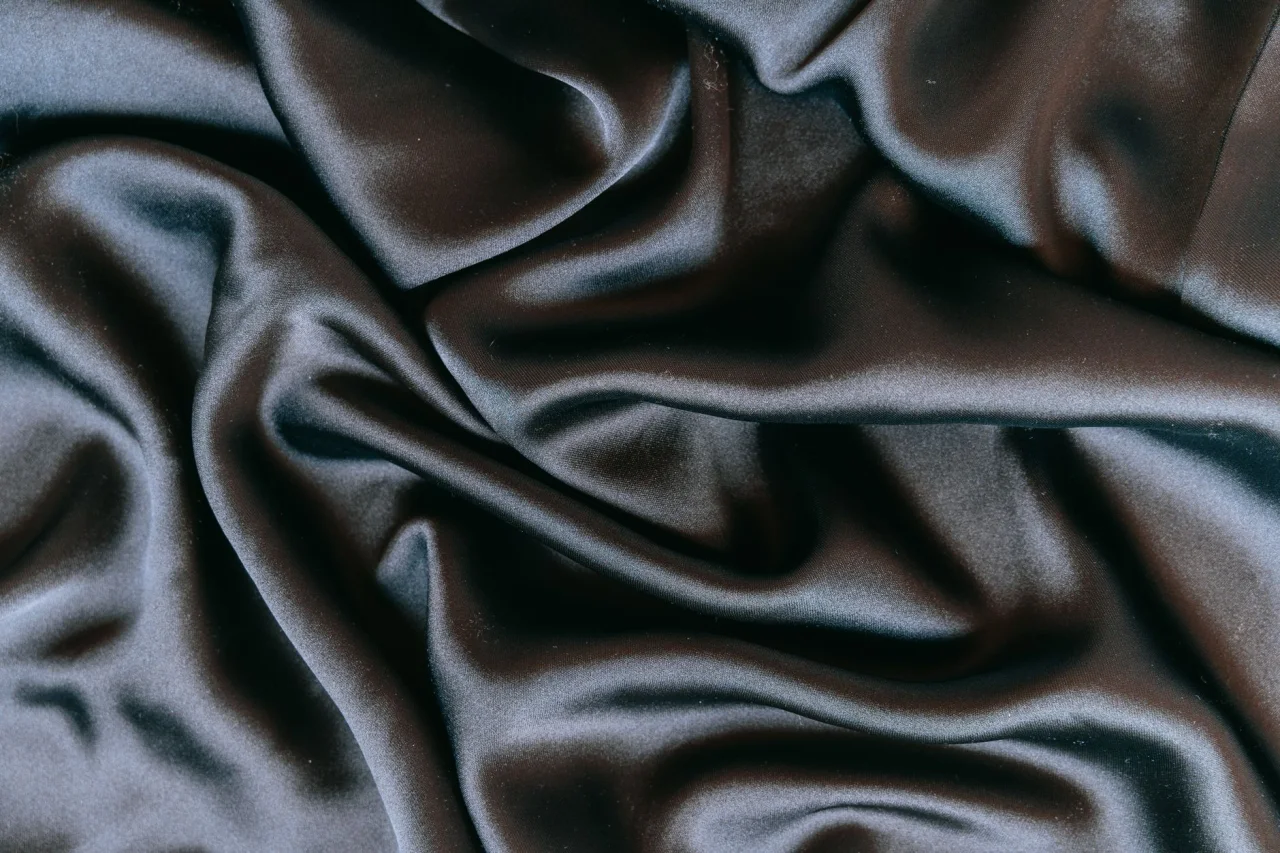
Because silk is a family, the type you choose shapes the outfit as much as the colour.
- Smooth mulberry silk gives a fluid, lustrous drape, ideal for sarees and softly falling gowns.
- Raw silk is more textured and crisp, so it holds sharper, more architectural shapes like structured kurtas and sherwanis. Compare the two in our silk vs raw silk guide.
- Tussar silk brings a natural golden, earthy tone that suits understated, artisanal looks.
- Woven brocade silks carry their own pattern, so they shine as the hero piece with minimal added work.
Matching silk to the occasion
- Weddings and receptions. Silk is the default for bridal and walima wear. See our walima dress ideas for direction.
- Eid and festive dinners. A silk kurta or a soft silk suit strikes an effortless, dressed-up note.
- Formal family functions. Silk sarees and dupattas are the reliable, elegant choice that never looks underdressed.
- Daytime summer events. Choose a lighter-weight silk and keep embellishment modest, since heavy silk is warm for long hours in the heat.
How to style a silk outfit from top to bottom
- Balance the shine. Pair lustrous silk with matte accessories or a matte contrast piece so the outfit does not look overly glossy.
- Respect the weight. Heavy silk needs supportive tailoring and the right undergarments to hang correctly, especially in structured lehengas.
- Choose jewellery to the work. Heavy embroidery calls for lighter jewellery; plain silk invites a statement set.
- Mind the hemline and fall. Silk drapes cleanly, so a well-finished hem and a proper petticoat or lining make the drape look intentional.
- Layer thoughtfully for winter, where a silk shawl or a structured jacket complements rather than crushes the fabric.
Care reminder
Silk marks with water and fades in strong sun, so blot spills promptly, dry clean embellished pieces, press on low heat from the reverse with a cloth barrier, and store wrapped in cotton or muslin rather than plastic. Well-cared-for silk lasts for decades and re-wears beautifully.
Common silk styling mistakes to avoid
- Overloading a heavy outfit with equally heavy jewellery and hair, which reads busy rather than rich.
- Wearing dense bridal silk for a long, hot outdoor day without planning for comfort and heat.
- Ignoring the drape. Silk needs proper lining and structure underneath; skimp there and even good silk looks limp.
- Confusing art silk for pure silk. Both are fine, but know which you are buying, and confirm fibre content and current pricing with the seller.
- Storing in plastic, which traps moisture and can yellow the fabric over time.
Frequently asked questions
What outfits look best in silk?
Structured, formal pieces look best in silk: bridal and formal lehengas, woven sarees, sherwanis, tailored suits, and occasion dupattas. Silk has weight and a rich fall, so it flatters silhouettes that need structure and can carry heavy embellishment beautifully.
What embellishments suit silk?
Silk carries heavy hand embroidery well, so zari, zardozi, dabka, and tilla metallic work, resham thread embroidery, and woven brocade motifs all suit it. Its strength and body hold the weight of dense work without sagging, which is why bridal wear relies on it.
Is silk too hot to wear in summer?
Lightweight silks can be worn in warmer weather because silk breathes and regulates temperature, but heavy woven and heavily embellished silks are warm over long hours. For summer daytime events, choose a lighter silk and keep embellishment modest.
Which silk is best for a structured outfit?
Raw silk, with its crisp, textured hand, holds sharper, more architectural shapes, so it suits structured kurtas, sherwanis, and tailored pieces. Smooth mulberry silk drapes more fluidly and is better for softly falling sarees and gowns.
How do I keep a silk outfit looking good?
Blot spills promptly since silk marks with water, dry clean embellished pieces, and press on low heat from the reverse with a cloth over the fabric. Store it wrapped in cotton or muslin away from direct light, not in plastic, and it will re-wear well for years.
Sources: Wikipedia: Silk and Wikipedia: Sericulture.
More on Fabrics
Have a question or a topic to suggest?
We read every message. Tell us what you would like to see next in the journal.
Get in touch