Velvet Outfits: What Styles Best
The silhouettes, embellishments, and occasions where plush velvet earns its place in a festive wardrobe.
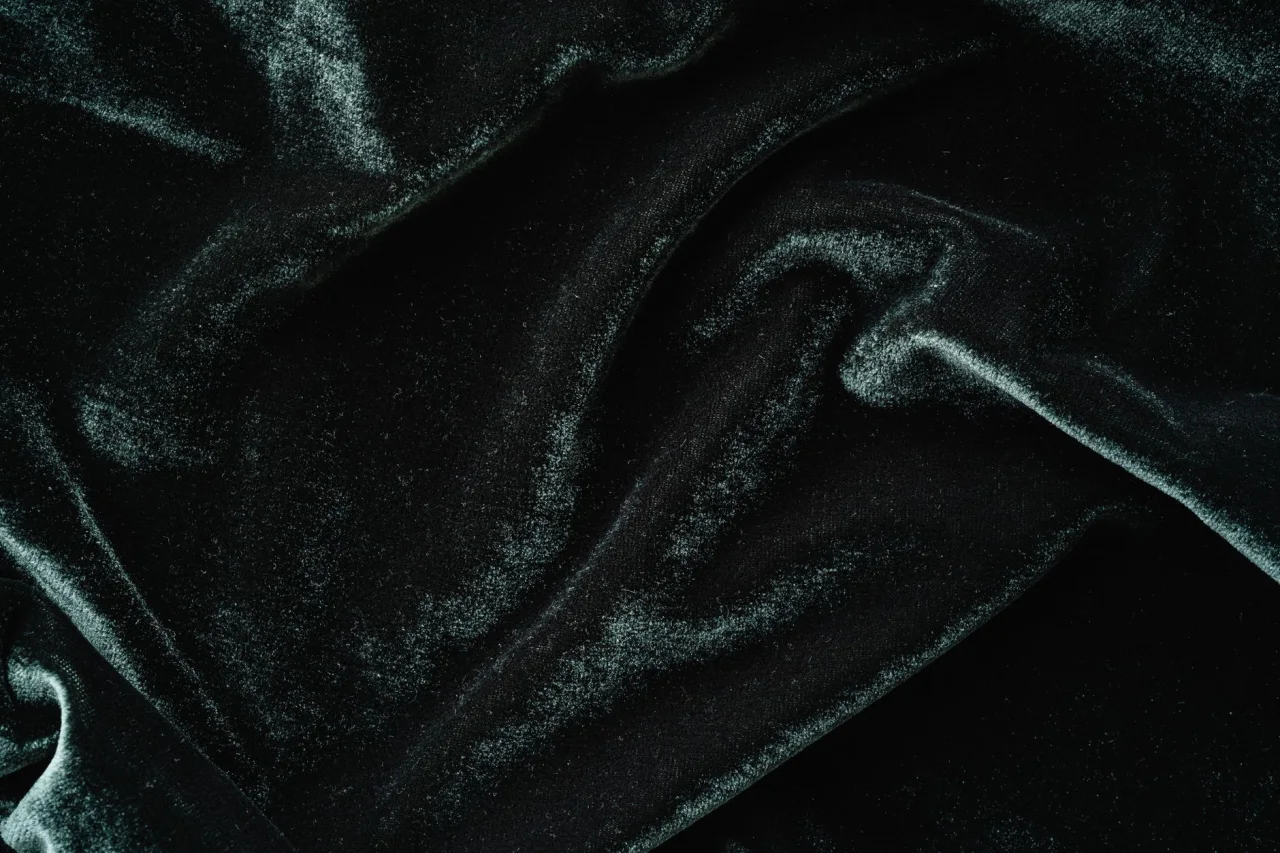
Velvet is not a fabric you fight; it is one you follow. Its weight, structure, and shifting sheen point clearly toward certain silhouettes and away from others. This guide is about what velvet does best: the suit shapes, embellishments, and occasions where the fabric earns its reputation, and the few places it works against you.
The short version
- Velvet loves structure: straight shirts, A-line silhouettes, fitted cholis, and jackets hold their shape beautifully.
- It is a winter and evening fabric, ideal for weddings, walima, engagements, and festive formals.
- The pile is a natural stage for zardozi, dabka, tilla, and stonework, so embellishment sits richly on it.
- Keep the rest of the look calm: plain trousers, restrained jewellery, and one hero velvet piece read as expensive.
Why velvet sews and styles the way it does
Velvet is a woven pile fabric, so it has body and weight rather than the airy float of a chiffon or net. That weight is the whole point. It holds a clean line, it drapes with a slight swing rather than clinging, and its raised pile catches light so colours look deep and saturated. When you are deciding what to make from it, think structured and substantial, not floaty and sheer. If you want the underlying fabric detail first, our explainer on what velvet is, its properties, uses, and care covers the construction that drives all of this.
Suit and silhouette styles that work best
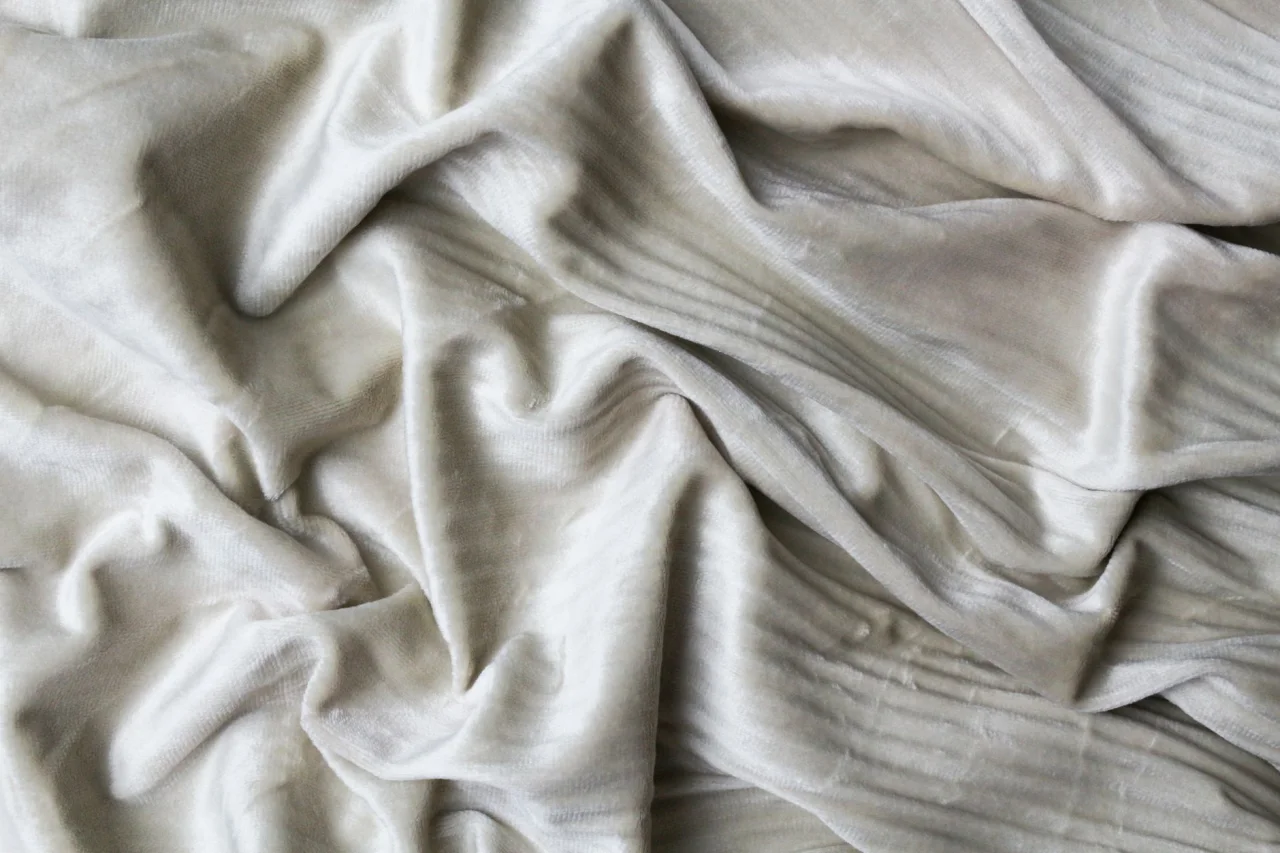
These are the shapes where velvet consistently delivers.
- Straight and column shirts: A long, straight velvet shirt over cigarette pants or straight trousers is the fabric at its most flattering. The weight keeps the line crisp and elegant.
- A-line and flared kameez: Velvet gives an A-line silhouette a rich, sculpted flare that holds its shape all evening.
- Fitted bridal choli and blouse: A structured velvet choli anchors a heavy lehenga and provides a firm base for dense embroidery.
- Peplums and structured tops: The fabric's body supports a sculpted peplum without collapsing.
- Jackets and long coats: An embroidered velvet jacket layered over a plain kurta or gown adds instant occasion.
- Shararas and lehengas for winter: Velvet panels give festive shararas and bridal lehengas a luxurious drape and swing.
- Waistcoats and bodices: A short velvet waistcoat or a fitted bodice panel adds a rich focal point to an otherwise plain ensemble.
The common thread across all of these is a little structure. Velvet looks its best where the design gives the fabric a clean line to hold, whether that is the straight fall of a column shirt or the sculpted flare of an A-line hem. Ask your tailor for firm interfacing at collars, cuffs, and waistbands so those lines stay crisp through a long evening.
Styling note: Because velvet has a nap, all panels should be cut in the same direction so the colour stays even. If you are getting an outfit stitched, remind your tailor. It is a small instruction that prevents a patchy, mismatched finish.
Silhouettes velvet does not love
Velvet is not the fabric for everything, and knowing its limits saves a disappointing outfit.
- Very gathered, floaty styles: Heavily ruffled or highly gathered designs that rely on air and float belong to net, organza, or georgette, not weighty velvet.
- Hot-weather daywear: The pile traps warmth, so velvet is uncomfortable for summer daytime events. Save it for winter and cool evenings.
- Ultra-fitted, skin-tight tailoring: Velvet reads best with a little structure and room; extremely tight cuts can crush and shine the pile at stress points.
Embellishments that sit richly on velvet
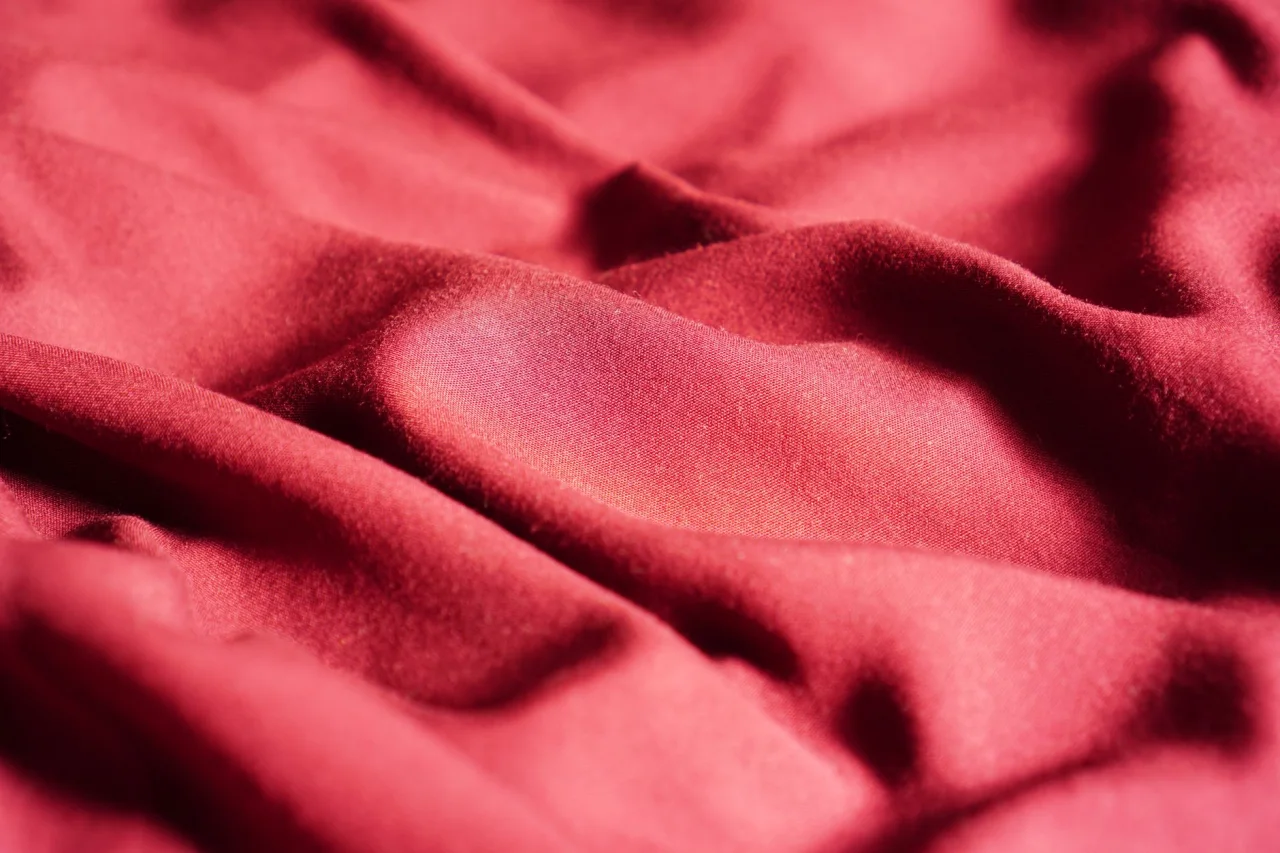
Velvet is one of the best canvases in the desi wardrobe for heavy handwork, because its weight carries dense embroidery without buckling and its dark, matte pile makes metallic threads glow.
- Zardozi and dabka: Raised metallic embroidery looks spectacular against velvet's depth. Learn what goes into it in our guide to dabka work.
- Tilla and zari: Gold and silver thread reads as luxurious on a velvet ground; see what zari is and how to spot quality.
- Stone, sequin, and kora work: Velvet's low sheen sets off the sparkle of stones without competing with it.
- Applique and patti borders: Contrast borders define the structured hems that velvet naturally creates.
Colours that flatter the fabric
Velvet's pile makes colour look deeper than it does on a flat weave, so rich, saturated shades tend to win.
- Jewel tones: Emerald, sapphire, ruby, and deep teal look regal and are wedding-season staples.
- Classic deep neutrals: Black, wine, and midnight blue are endlessly versatile and photograph beautifully under warm light.
- Maroon and rust: Warm, festive, and forgiving against most skin tones.
- Ivory and champagne: Softer velvet shades work for brides and walima looks, especially with gold work.
Occasions to reach for velvet
Match the fabric to the moment and it never feels out of place.
- Winter weddings: Bridal lehengas, shararas, and heavy formals in velvet are a cold-season classic. Browse ideas in our wedding wear designs roundup.
- Walima and reception: A structured velvet gown or shirt with restrained jewellery reads as quietly expensive.
- Engagements and mayun: An embroidered velvet jacket or peplum over a simpler base is festive without being over the top.
- Winter festive dinners: A velvet shirt over silk trousers is the reliable cold-evening formal.
Styling note: Let velvet be the loudest thing you wear. Pair a worked velvet shirt with plain jamawar or raw silk trousers, keep jewellery to one statement piece, and choose a velvet clutch or khussa to echo, not compete.
Pairing velvet with other fabrics
One of the smartest ways to style velvet is to pair it, not pile it on. A single velvet piece against a lighter or plainer partner fabric looks intentional and expensive, while head-to-toe velvet can feel heavy and dated.
- Velvet shirt with raw silk or jamawar trousers: The classic winter-formal combination. The velvet carries the eye while the woven trouser keeps the look grounded.
- Velvet jacket over a plain kurta or gown: The most flexible layering trick, adding occasion to a simple base in one step.
- Velvet choli with a net or organza lehenga: A structured velvet top anchors a floaty skirt, balancing weight and movement beautifully.
- Velvet borders on a chiffon or georgette outfit: A little velvet at the hems and cuffs of a lighter fabric adds richness without the full weight.
The guiding principle is contrast: let velvet supply the depth and richness, and let a lighter or plainer fabric supply the ease. That balance is what keeps a velvet look modern rather than costumey.
Accessories and finishing touches
Velvet's richness sets the tone for everything else you add.
- Jewellery: Gold and kundan sit beautifully against velvet's depth. Keep it to one or two statement pieces so the fabric stays the hero.
- Footwear: Velvet khussa or heels tie the look together; metallic or embellished shoes also work against a deep velvet base.
- Bags: A velvet potli or clutch echoes the outfit without matching it exactly.
- Hair and makeup: Because velvet already carries drama, a polished but restrained finish usually reads best in photographs.
Fit, tailoring, and price expectations
Velvet rewards a good tailor. Because it has weight and nap, seams should be pressed carefully from the reverse and panels cut in one direction. Structured linings help the fabric hold its intended shape. On price, velvet spans a very wide range: affordable synthetic velvet suits sit at the budget end, mid-range rayon and viscose blends occupy the middle, and pure silk velvet or heavily hand-embroidered bridal pieces climb steeply. Costs vary by fabric, weight, amount of handwork, and retailer, so confirm current pricing before you commit. If you are weighing velvet against a woven alternative for a winter formal, our velvet vs jacquard guide lays out the trade-offs. You can also read documented background on velvet's construction and history on Wikipedia.
Frequently asked questions
What outfit styles suit velvet best?
Structured, substantial shapes work best: straight and column shirts, A-line kameez, fitted cholis, peplums, jackets, and winter shararas or lehengas. Velvet's weight holds these lines cleanly, while very floaty, heavily gathered styles are better suited to lighter fabrics like net or organza.
Can I wear velvet to a summer event?
It is not ideal. Velvet's dense pile traps warmth, so it feels uncomfortable in heat and is best kept for winter weddings, cool evenings, and air-conditioned indoor events. For summer occasions, choose lighter fabrics and save velvet for the cold season.
What embroidery looks best on velvet?
Raised metallic work such as zardozi, dabka, tilla, and zari looks especially rich because velvet's dark, matte pile makes metallic threads glow. Stone, sequin, and kora work also sit beautifully, since the fabric's weight carries dense handwork without buckling.
What colours work best in velvet?
Rich, saturated shades win because the pile deepens colour. Jewel tones like emerald, sapphire, and ruby, along with deep neutrals like black, wine, and midnight blue, look regal. Softer ivory and champagne velvets suit bridal and walima looks, especially with gold work.
How should I style a velvet outfit so it does not look heavy?
Let one velvet piece lead and keep everything else calm. Pair a worked velvet shirt with plain silk or jamawar trousers, limit jewellery to a single statement piece, and choose accessories that echo the outfit rather than compete with it.
More on Fabrics
Have a question or a topic to suggest?
We read every message. Tell us what you would like to see next in the journal.
Get in touch