How to Style a Kurta
Casual, office, festive and wedding kurta looks that work.
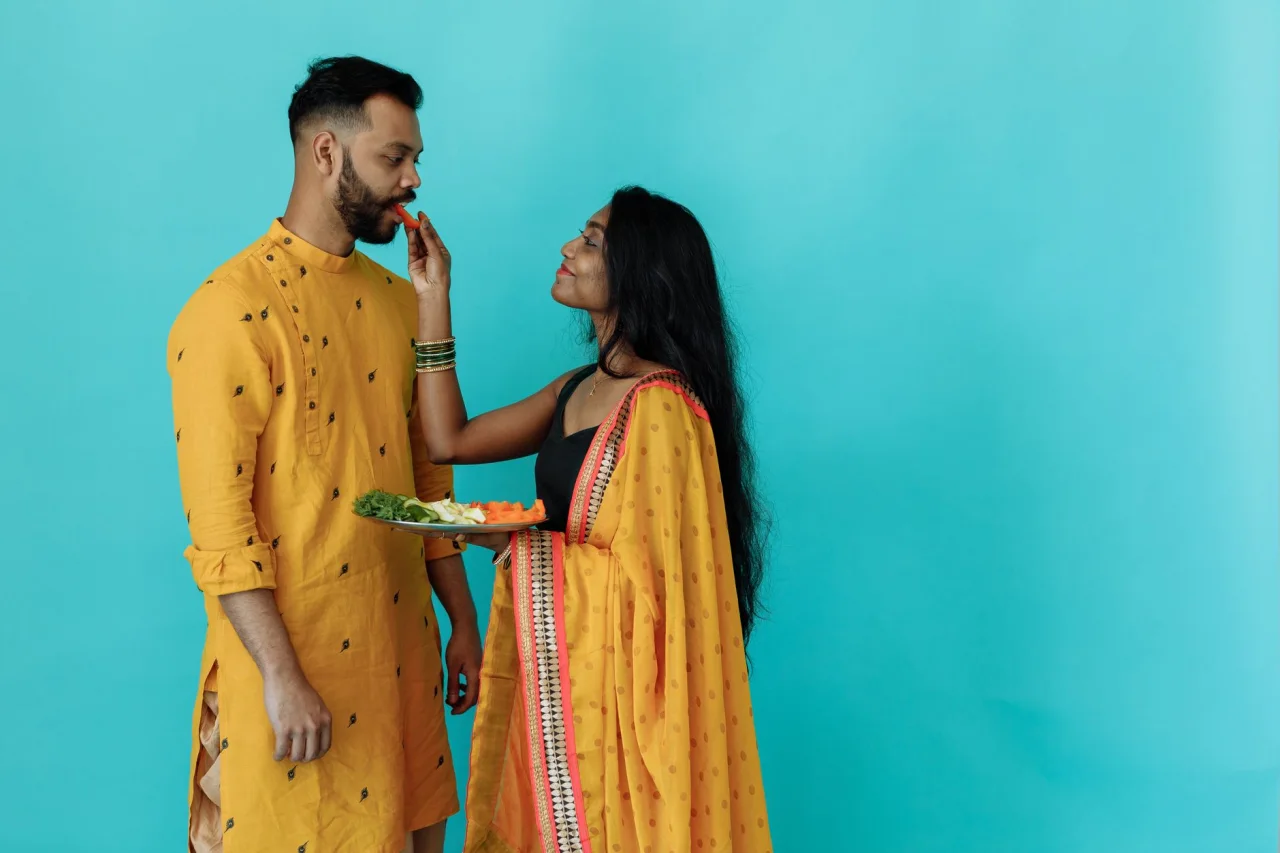
A kurta is one of the most flexible pieces you can own, but that flexibility is exactly why people freeze in front of the mirror. The same tunic can look like loungewear or wedding-guest polish depending on the bottom, the shoes and one or two accessories. This guide walks through complete looks for casual, office, festive and wedding occasions so you always have a starting point.
The short version
- The bottom sets the tone: jeans read casual, churidar reads traditional, cigarette trousers read smart.
- Match formality across the whole outfit, so shoes and jewellery agree with the kurta.
- One clear focal point, usually the neckline or a statement earring, beats many competing details.
- Fit and hem length do more for a look than any accessory you can add on top.
Start with the bottom
The fastest way to change a kurta's mood is to change what you wear underneath it. A kurta is a loose collarless tunic traditionally paired with churidar, pyjama or salwar, and today just as happily with jeans and leggings, so your choice of bottom is the single biggest styling decision.
- Straight jeans or trousers: instantly casual and modern, best with shorter kurtas.
- Churidar: the gathered, ankle-pooling legging that reads classic and traditional.
- Cigarette or tapered pants: clean and office-ready, especially under a straight kurta.
- Palazzo or sharara: dramatic and festive, good for events where you want movement.
- Leggings: the comfortable everyday default, ideal under an A-line kurta.
If you would rather buy the tunic and matching bottom together, a coordinated kurta set removes the guesswork, and its own design roundup shows what pairs well.
Casual everyday looks
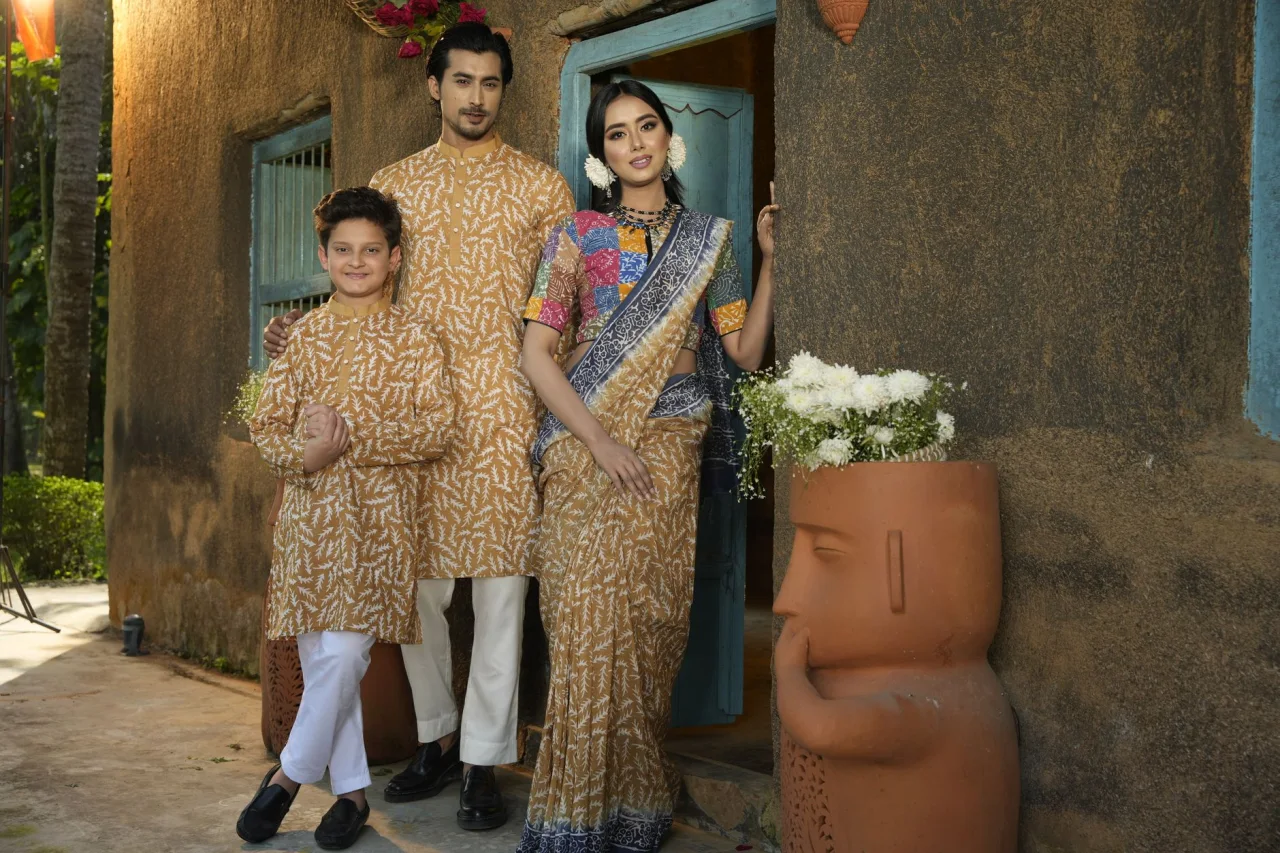
For daily wear the aim is comfort that still looks considered. Reach for a cotton or linen kurta in a solid or small print.
- Short kurta plus straight jeans plus sliders or sneakers: the easy uniform for errands and college.
- A-line cotton kurta plus leggings plus juttis: relaxed but tidy, with a folksy shoe.
- Shirt-kurta plus tapered trousers, sleeves rolled: a smart-casual take that works for coffee or a lunch meeting.
Keep jewellery minimal here, a pair of studs and a watch is plenty. Cotton and linen are the workhorses of casual dressing because they breathe and soften with wear; our guide to cotton lawn explains why lightweight cottons feel so good in warm weather.
Office and workwear looks
At work, structure and restraint win. Choose a tailored straight or A-line kurta in a muted colour and let the fit carry the outfit.
- Straight kurta plus cigarette trousers plus loafers or block heels: a clean professional line.
- Collared kurta-shirt plus tailored pants: reads almost like a tunic-and-trouser suit.
- Kurta plus a structured jacket or waistcoat: a layered look for cooler offices or presentations.
Styling note: For work, pick one metal and stick to it across your watch, earrings and bag hardware. Small consistencies like this are what make an outfit look deliberate rather than thrown together.
For choosing office-appropriate cuts and colours in the first place, our roundup of office wear outfit ideas is a good next stop.
Festive and celebration looks
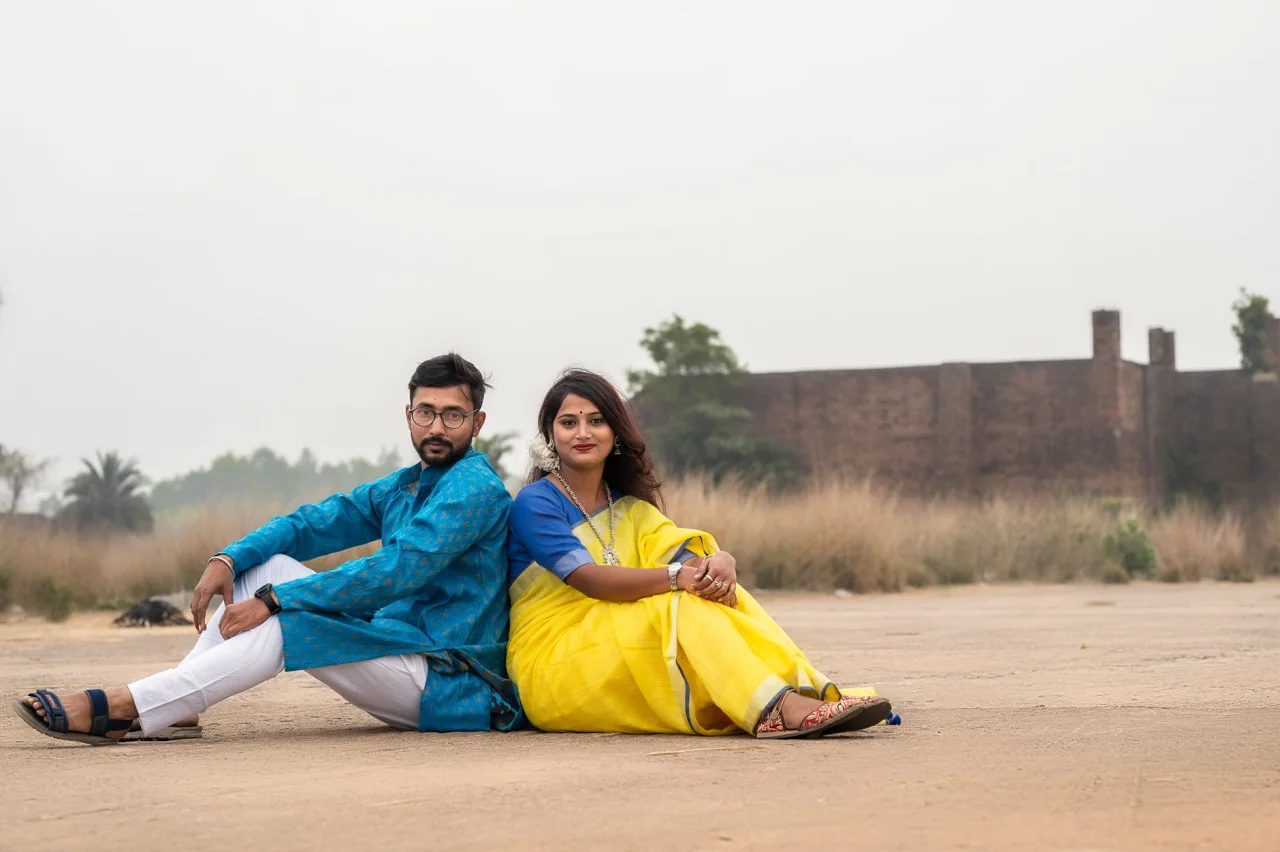
Festivals and family gatherings are where you can bring in embroidery, richer fabrics and a dupatta. The trick is to let one element lead.
- Chikankari kurta plus churidar plus a light dupatta: elegant, breathable and daytime-appropriate.
- Embroidered-yoke kurta plus palazzo plus statement jhumkas: festive without heavy beadwork.
- Angrakha kurta plus cigarette pants plus juttis: a distinctive silhouette that needs little else.
A dupatta is the classic festive add-on: drape it over one shoulder for a clean line, or let it fall down both sides for a softer, more traditional look. For festival-specific outfit planning, see our Eid outfit ideas.
Wedding-guest looks
As a wedding guest you want polish without upstaging the family. A well-made festive kurta paired with a richer bottom and a statement jewellery piece hits the mark.
- Silk or silk-blend kurta plus sharara plus a maang tikka or heavy earrings: celebratory and photogenic.
- Embroidered kurta plus churidar plus a contrast dupatta: traditional and safe for most functions.
- Floor-grazing long kurta plus fitted pants: a modern, minimal alternative to a lehenga.
Silk lifts any wedding look because of the way it catches light and holds shape; if you are unsure how to care for it, our silk fabric guide covers the essentials. For fuller function-by-function planning, our wedding guest outfit ideas go deeper.
Accessories that tie a look together
Accessories should support the kurta, not compete with it. A few reliable rules:
- Shoes set the register: sneakers and sliders for casual, juttis and mojaris for traditional, heels and loafers for formal.
- One statement piece: either bold earrings or a bold neckpiece, rarely both at once.
- Bags scale with the occasion: a structured tote for work, a small potli or clutch for festive.
- Dupattas are jewellery too: a contrasting colour can be the most striking thing you add.
Common styling mistakes to avoid
Most kurta outfits go wrong in predictable ways, and all of them are easy to fix.
- Wrong hem length: a kurta that puddles at the ankle or rides up mid-thigh unbalances the whole look. Get it hemmed.
- Mismatched formality: festive kurta with worn sneakers, or a casual cotton kurta with heavy bridal jewellery, sends mixed signals.
- Too many focal points: a busy kurta, a busy dupatta and heavy jewellery cancel each other out.
- Ignoring fit through the shoulders: the shoulder seam should sit on your shoulder, not droop down your arm.
Tip: When in doubt, subtract one thing. Remove the busiest accessory and see if the outfit reads cleaner. It usually does.
If your styling struggles trace back to the garment itself rather than the accessories, it may be a fit or fabric issue; our kurta buying guide helps you get those right at the source, and our kurta design roundup offers fresh silhouette ideas.
Frequently asked questions
What can I wear with a kurta?
A kurta pairs with jeans, leggings, churidar, cigarette trousers, palazzos or a sharara. Jeans and leggings read casual, cigarette trousers read smart, and a churidar or palazzo reads traditional or festive. The bottom you choose sets the formality of the whole outfit.
How do I style a kurta for the office?
Choose a tailored straight or A-line kurta in a muted colour, pair it with cigarette trousers and loafers or block heels, and keep jewellery minimal and consistent in one metal. A structured jacket or waistcoat adds polish for meetings.
Can I wear a kurta to a wedding as a guest?
Yes. A silk or embroidered festive kurta with a sharara or churidar and a statement jewellery piece is a polished wedding-guest option. Keep the look celebratory but not so heavy that it competes with the wedding party.
Do I always need a dupatta with a kurta?
No. A dupatta is optional and mainly used to raise the formality of festive and traditional looks. For casual and office wear, a kurta with the right bottom and shoes stands on its own.
How long should a kurta be?
It depends on the look you want. Short, hip-to-thigh kurtas suit jeans and casual outfits, mid-length kurtas are the versatile everyday choice, and floor-grazing kurtas read formal or festive. Whatever the length, make sure the hem sits cleanly rather than pooling or riding up.
More on Styling Guides
Have a question or a topic to suggest?
We read every message. Tell us what you would like to see next in the journal.
Get in touch