How to Choose a Kurta
Fit, fabric, price and the red flags that matter.
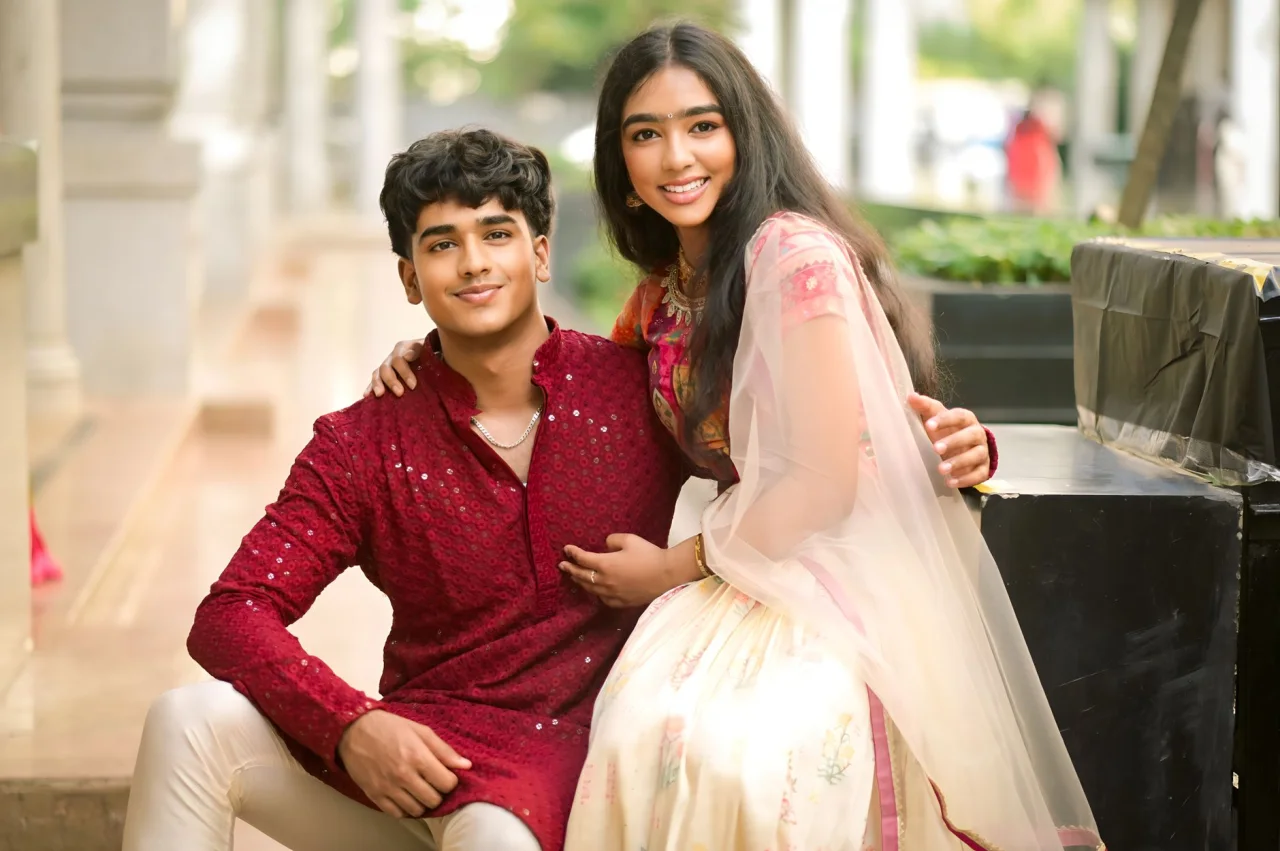
Buying a kurta well is less about the label and more about three things you can judge with your own hands: fit, fabric and finishing. Get those right and even a modest budget buys a tunic you will keep reaching for. This guide walks through how to choose the perfect kurta by body type and season, when to buy stitched versus unstitched, and the realistic price brackets and red flags to watch for.
The short version
- Fit at the shoulders and through the hem matters more than any trend or logo.
- Match fabric to season: light cottons and lawn for heat, silk, khaddar and blends for cooler months.
- Stitched is convenient, unstitched lets a tailor perfect the fit; choose by how much you value each.
- Price follows fabric, work and finishing, so inspect stitching and cloth before you trust the tag.
Start with fit, not the print
The most beautiful kurta in the shop is the wrong one if it does not sit correctly on your frame. A kurta is a loose tunic, but loose does not mean shapeless, and a few fit points make all the difference.
- Shoulder seam: it should land on the edge of your shoulder, not droop onto your upper arm.
- Chest and bust: the fabric should skim without pulling across buttons, plackets or seams.
- Length: decide where you want the hem to fall, then be willing to have it altered.
- Sleeve: the sleeve should end at a flattering point, usually mid-forearm or wrist, and not balloon.
If you are still learning the garment's proportions, our explainer on what a kurta is and the women's-cut kurti guide set out the standard silhouettes.
Choosing a cut for your body type
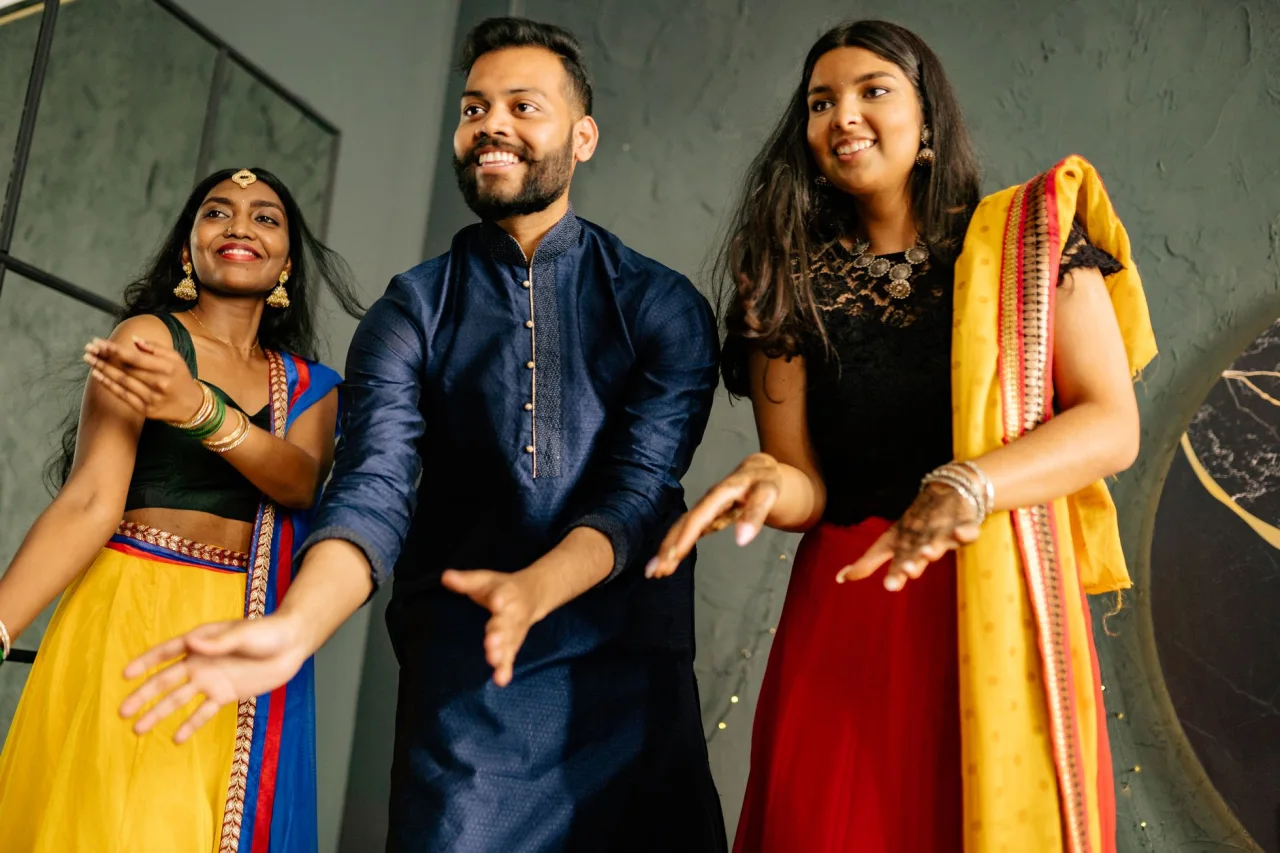
No body type is off-limits for any kurta, but some cuts are more forgiving of the shape you want to play up or down.
- Straight cut: universally flattering, cleanest on tall and lean frames, and easy to layer.
- A-line: narrow at the shoulder and wider at the hem, kind to fuller hips and midsections.
- Angrakha: the crossover front draws the eye diagonally and adds interest to a straight figure.
- Short kurta: flatters petite frames and looks modern over jeans.
If the A-line suits you, its dedicated A-line kurta designs roundup shows the range. Whatever the cut, remember the general rule from the history of the kurta: it evolved as a comfortable, breathable tunic, so comfort and movement should never be sacrificed for a trend.
Fabric by season
Fabric decides how a kurta feels and how long it lasts, so choose it for the weather you will actually wear it in.
- Hot and humid: cotton, cotton lawn and voile breathe and dry quickly.
- Warm but dressy: linen and linen-cotton blends look crisp and stay cool.
- Transitional: khaddar and heavier cottons hold shape without overheating.
- Cool and festive: silk, silk blends and lightly textured jacquards add warmth and sheen.
To go deeper on any of these, our fabric guides to linen, khaddar and silk explain how each behaves and how to care for it.
Tip: Rub a corner of the fabric between your fingers and hold it to the light. Good cloth feels substantial and even, with a consistent weave. Thin, papery cotton and slubby, uneven synthetics are usually a sign of corner-cutting.
Stitched versus unstitched
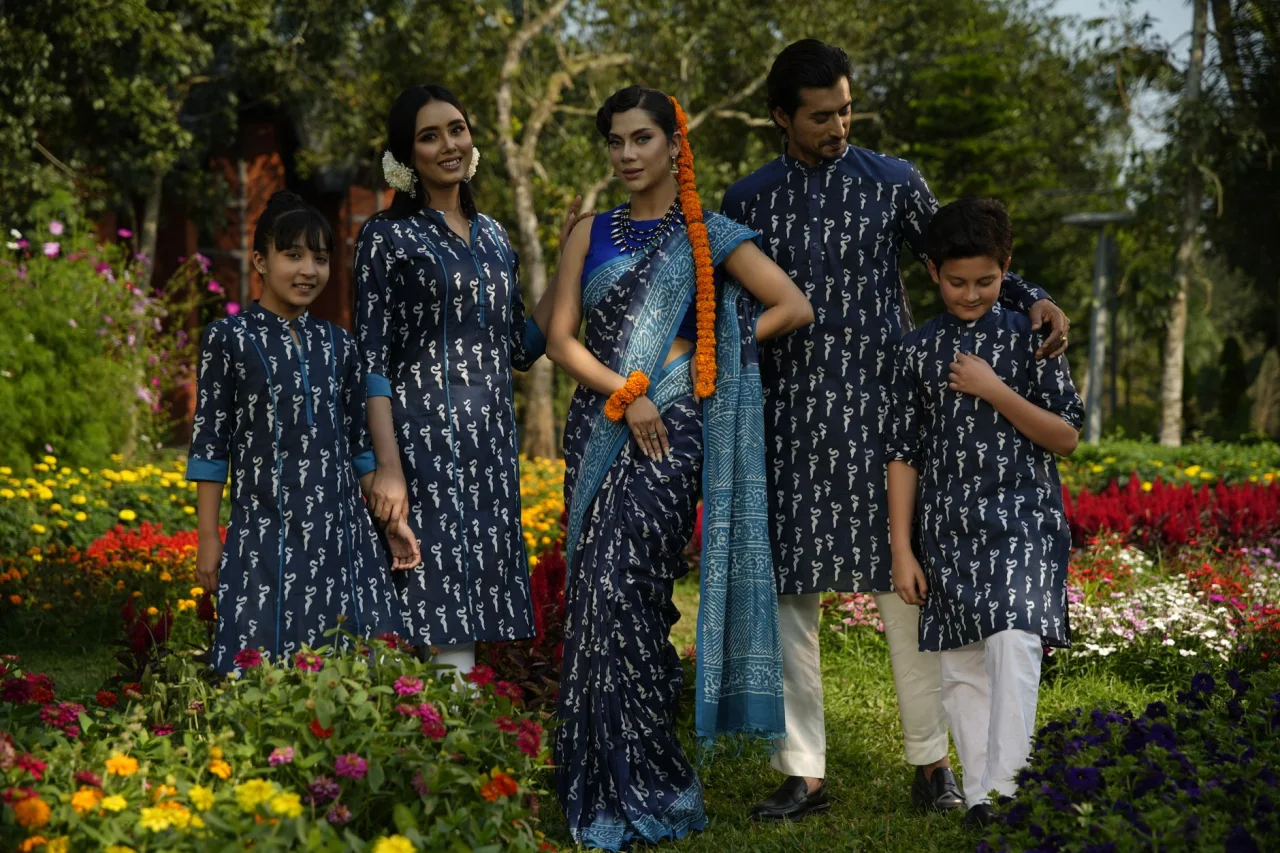
South Asian retail sells kurtas both ready-stitched and as unstitched fabric pieces meant for a tailor. Each has a clear case.
- Stitched: buy, try and wear the same day. Best when the standard sizing fits you well and you value convenience.
- Unstitched: a fabric length that a tailor cuts to your exact measurements. Best for non-standard proportions, personal design tweaks, and often better value on premium cloth.
If you have a reliable tailor, unstitched is frequently the smarter buy for fit and cost, especially for embroidered or premium fabrics where a good cut transforms the result.
Judging embroidery and finishing
Surface work is where quality gaps show most clearly, so slow down and inspect it.
- Hand versus machine: hand embroidery such as genuine chikankari shows fine, varied, slightly irregular stitches and shadow effects, while machine work is flat and uniform.
- Thread ends: too many loose or knotted threads on the reverse suggest rushed finishing.
- Seams: they should lie flat without puckering, with even, secure stitching.
- Colourfastness: ask about washing, especially for dark or richly dyed pieces.
Chikankari in particular is widely imitated with prints, so it pays to know the signs; our guide to spotting quality chikankari is worth reading before you pay a premium for it.
Realistic price brackets and red flags
Kurta prices vary widely by region, fabric, the amount and type of work, and retailer, so treat any figure as a moving target and confirm current pricing before buying. As a broad framework:
- Entry level: simple printed cotton kurtas, everyday basics with light or no embroidery.
- Mid range: better cottons, linens and light machine embroidery, the sweet spot for value.
- Premium: pure silk, hand embroidery and designer tailoring, where craft and cloth justify the jump.
Heritage retailers such as Fabindia, which has sold garments handmade by rural Indian craftspeople since 1960, give a sense of where considered natural-fabric kurtas tend to sit. Red flags at any price include scratchy or papery fabric, uneven or drooping shoulders, puckered seams, a strong chemical smell, and prices that feel high for obviously machine-printed work dressed up as handcraft.
Note: A higher price does not guarantee a better kurta. A well-finished mid-range cotton can outlast a poorly made premium piece, so let your hands and eyes judge before the tag does.
Care so your kurta lasts
The right care keeps a good kurta looking new far longer.
- Cottons and lawn: gentle machine or hand wash, dry in shade to protect colour.
- Linen: expect and embrace some natural creasing, iron slightly damp for a crisp finish.
- Silk and embroidered pieces: dry clean or hand wash cold, and store folded with the embroidery protected.
- All fabrics: wash dark and richly dyed kurtas separately for the first few washes.
Once you have chosen well, the fun part is wearing it; see how to style a kurta for every occasion and browse the latest kurta designs for inspiration.
Frequently asked questions
How do I choose the right kurta size and fit?
Check that the shoulder seam sits on the edge of your shoulder, the fabric skims the chest without pulling, and the hem falls where you want it. Be ready to have the length or sleeves altered, since a small tailoring tweak often turns an average fit into a perfect one.
Which kurta fabric is best?
It depends on the season and occasion. Cotton, lawn and voile are best for heat, linen suits warm but dressy days, khaddar and heavier cottons work in transitional weather, and silk or silk blends suit cooler, festive wear. There is no single best fabric, only the best one for the conditions.
Should I buy a stitched or unstitched kurta?
Buy stitched for convenience if standard sizing fits you well. Choose unstitched if you have a reliable tailor and want an exact fit or design tweaks, which is often the better value on premium and embroidered fabrics.
How much should a good kurta cost?
Prices vary widely by region, fabric, work and retailer, so confirm current pricing before buying. Broadly, simple printed cottons sit at the entry level, better cottons and linens in the mid range, and pure silk and hand embroidery at the premium end. Judge the stitching and cloth rather than assuming a higher price means better quality.
How can I tell if a kurta is poorly made?
Warning signs include scratchy or papery fabric, shoulders that droop past your shoulder edge, puckered or uneven seams, many loose threads on the reverse, a strong chemical smell, and flat machine printing sold at handcraft prices.
More on Buying Guides
Have a question or a topic to suggest?
We read every message. Tell us what you would like to see next in the journal.
Get in touch