What Is a Jalabiya?
Origin, silhouette, who wears it and how the jalabiya differs from the abaya, thobe and kaftan.
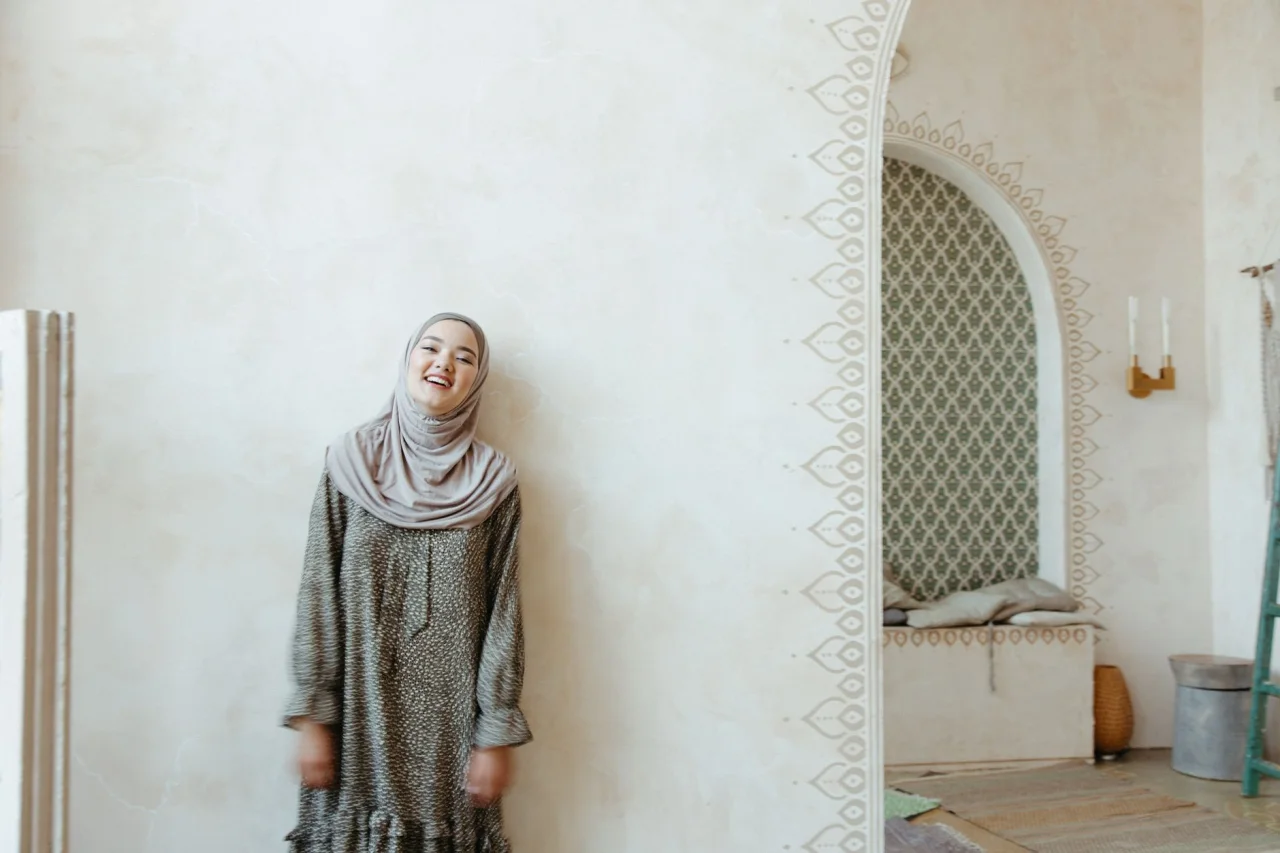
The jalabiya is one of those garments people recognise instantly but rarely name correctly: a long, loose, flowing robe that turns up everywhere from an Egyptian village to a Gulf living room to a summer holiday wardrobe. This complete guide explains what a jalabiya actually is, where it comes from, who wears it, and how it differs from the abaya, thobe and kaftan it is so often confused with.
The short version
- The jalabiya (also spelled jellabiya or galabeya) is a loose-fitting traditional garment closely associated with Egypt, where it is a form of national dress.
- It is worn by both men and women, with distinct cuts, and is common in Egypt and Sudan.
- Compared with the Arabic thawb, it has a wider cut, usually no collar and longer, wider sleeves.
- It differs from the abaya (a modest over-garment) and the kaftan (a front-opening robe), though modern styles borrow from all three.
What is a jalabiya?
A jalabiya is a loose-fitting traditional garment from Egypt, where it serves as a form of national clothing and is particularly associated with Egyptian farmers. The word is transliterated several ways, jalabiya, jellabiya and galabeya are all the same garment, which is one reason it confuses newcomers. At its simplest it is a long, comfortable robe that falls from the shoulders to around the ankles, prized for how easy and breathable it is to wear.
Because it is cut generously and rarely fitted, the jalabiya reads as relaxed and forgiving. That practicality is exactly why it has endured for so long and why modern versions have travelled well beyond Egypt into holiday and loungewear wardrobes around the world.
Where does the jalabiya come from?
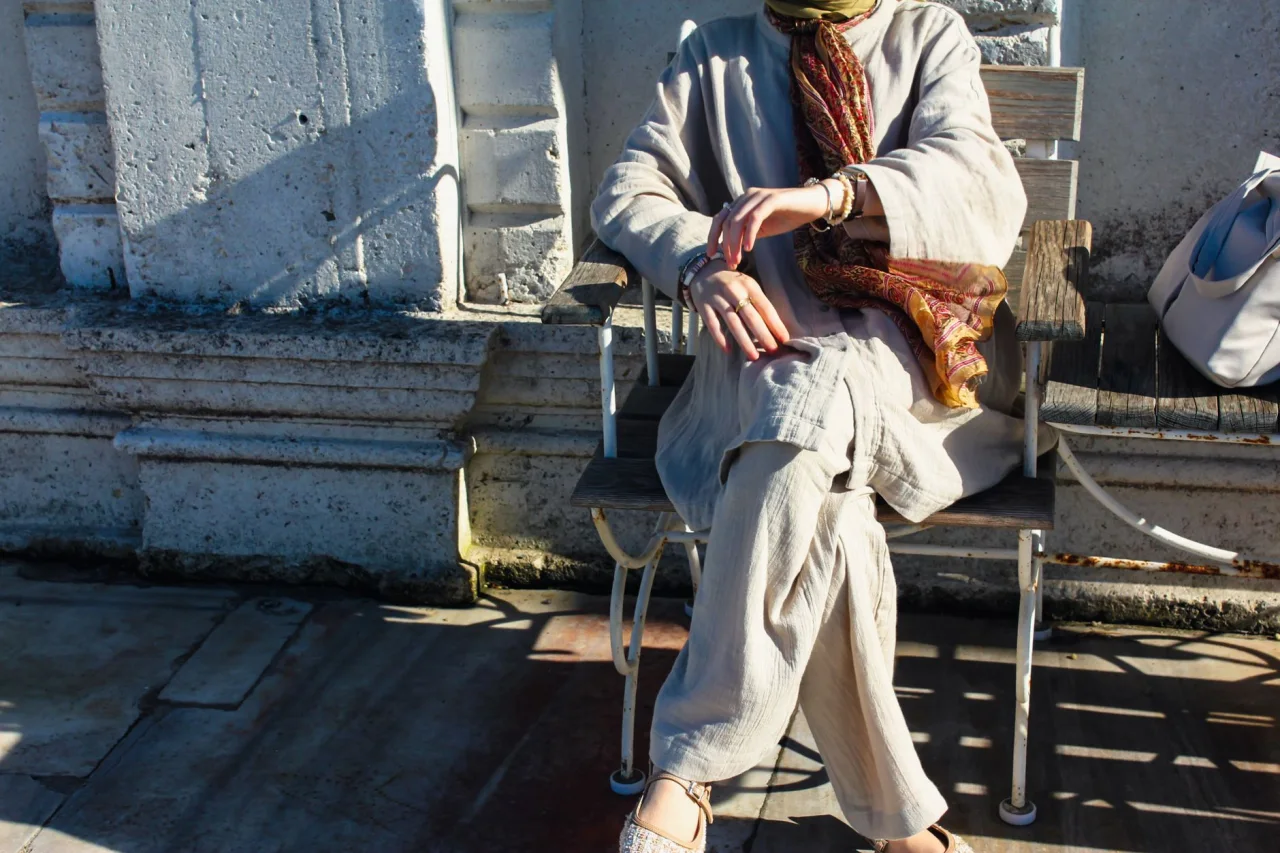
The Egyptian jalabiya in its modern form is believed to have originated during the Islamic era in Lower Egypt, the Nile Delta region. Its deeper roots run much further back: the earliest forms of loose Egyptian robes trace to Ancient Egypt and Nubia, and archaeologists point to garments such as the Tarkhan dress, one of the oldest woven garments known, as evidence of how long this basic robe silhouette has existed in the region.
Today the garment is worn in both Egypt and Sudan, though the Sudanese version often has a different texture and is usually white. This long, continuous history is part of what makes the jalabiya culturally significant rather than merely fashionable, and it deserves to be described with that respect.
What does a jalabiya look like?
The defining features of a jalabiya are its wide, loose cut and its flowing lines. Compared with the Arabic thawb, the jalabiya has a wider cut, typically no collar, in some cases no buttons, and longer, wider sleeves. Rural farmer versions are especially generous, with very wide sleeves that sometimes include sewn-in pockets, a practical touch for working dress.
- Silhouette: long and loose, falling to around the ankle.
- Neckline: often collarless, sometimes with a simple placket rather than a full button front.
- Sleeves: long and wide, wider still on traditional rural styles.
- Overall feel: relaxed and breathable, built for comfort and movement.
Who wears the jalabiya?
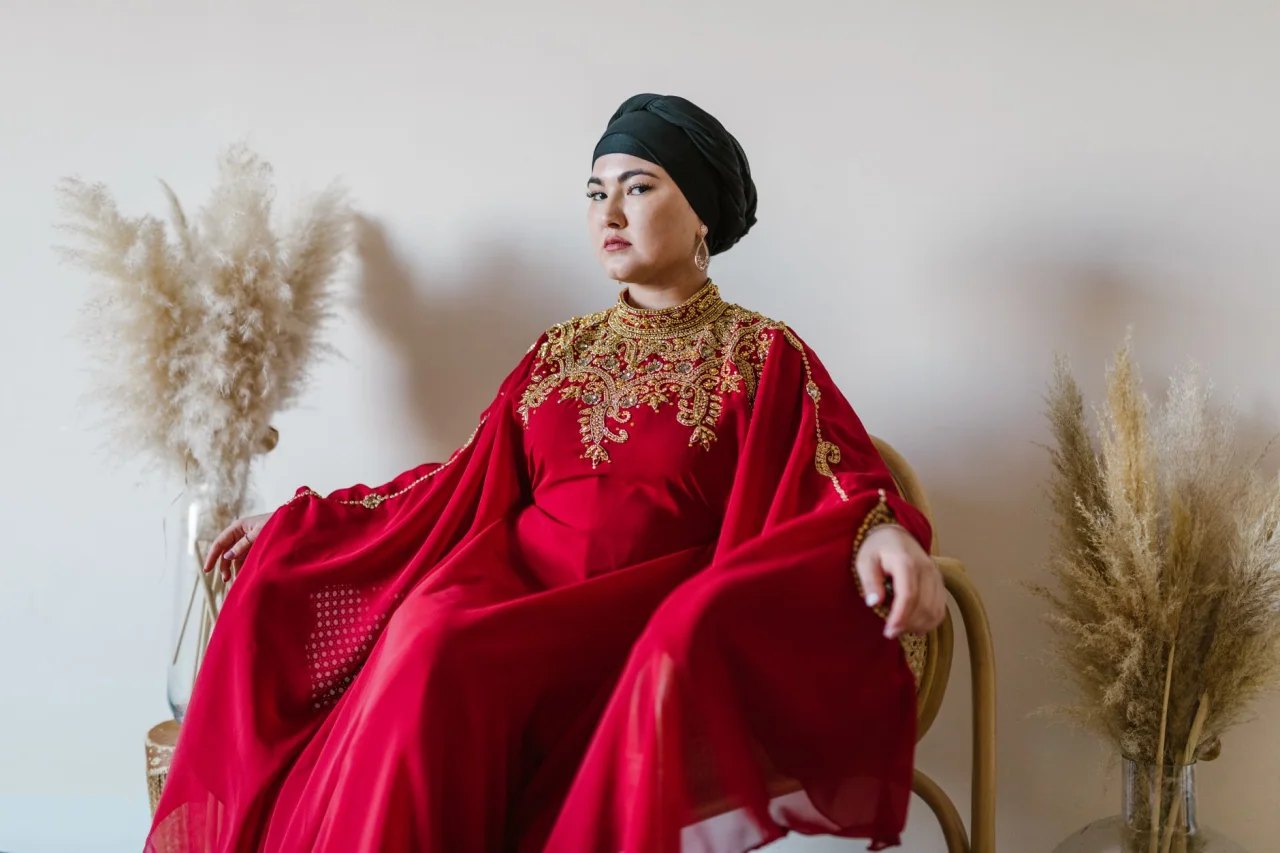
The jalabiya is worn by both men and women, in different cuts. Men's versions vary by setting: rural styles have wider hems and sleeves, while city versions may include a button placket, and solid colours, stripes and plaid are all standard. It is strongly associated with Egyptian farmers, for whom it is practical everyday working dress.
Women's jalabiyas come in two broad styles, one with a fitted waist and one with a yoke or looser cut, and they carry extensive regional decorative variation, with prints and bright colours. In the Gulf, a related loose women's house-and-leisure dress is also popular, which is part of why the name travels across borders and styles.
Jalabiya versus abaya, thobe and kaftan
These garments are constantly mixed up, so it helps to line them up side by side.
- Jalabiya: a wide, loose robe with long wide sleeves and usually no collar, closely tied to Egypt and worn by both men and women.
- Abaya: a loose over-garment, essentially a robe-like dress, worn by some women across the Muslim world for modest dress, traditionally black and worn over other clothing. Read our complete guide to the abaya for the full picture.
- Thawb (thobe): a more fitted robe with a narrower cut than the jalabiya, often collared.
- Kaftan: a robe or tunic variant, frequently open at the front, worn as formal or ceremonial dress across many cultures.
Quick way to tell them apart
If it is a wide, collarless robe with long loose sleeves and an Egyptian or Sudanese heritage, it is a jalabiya. If it is a modest over-garment worn on top of your outfit, it is an abaya. If it opens down the front like a long coat-robe, it leans kaftan.
Fabrics and seasons
Fabric follows the season. Summer jalabiyas are often made of white cotton, chosen for how cool and breathable it feels in heat. Winter versions use thicker fabrics in colours such as grey, dark green, olive, blue and tan, or in stripes, and are often paired with colourful scarves.
Modern women's jalabiyas add lighter, dressier fabrics for occasion wear, drawing on the same flowing materials popular across modest fashion. If you want to understand how those fabrics behave, our guides to cotton lawn and linen are good starting points for breathable summer choices.
Cultural significance and wearing it respectfully
The jalabiya is not only a comfortable robe: it carries real cultural weight as a form of Egyptian national dress, deeply woven into rural and everyday life and connected to a garment tradition that stretches back thousands of years in the Nile region. When the silhouette appears in wider fashion, it helps to remember and acknowledge that heritage rather than treat it as a blank trend.
Wearing a jalabiya respectfully is straightforward. Enjoy the garment for what it is, learn a little about where it comes from, and, if you buy one, consider supporting makers and regions with a genuine connection to it. There is nothing exclusive about appreciating the jalabiya, it is warm, practical clothing worn by millions, but treating it as culturally meaningful rather than merely novel is the courteous approach and a more informed one.
It also pays to get the names right. Because jalabiya, jellabiya and galabeya all describe the same garment, and because it is often confused with the abaya, thobe and kaftan, using the correct term signals that you understand what you are wearing and where it sits in a rich family of robes.
How to wear and style a jalabiya today
The jalabiya's appeal is its ease, so styling should protect that. For everyday wear, a plain cotton jalabiya needs almost nothing: flat sandals and simple jewellery are enough. For a dressier take, choose a version with embroidery at the neckline or cuffs, add statement earrings, and finish with heeled sandals and a clutch.
Because the cut is so relaxed, a little waist definition changes the mood when you want it, though many wearers prefer to leave it loose in keeping with tradition. Footwear sets the tone as much as anything: flat leather sandals keep a cotton jalabiya grounded and everyday, while heeled or embellished sandals lift a printed or embroidered version for evening. A woven bag and a simple scarf finish a daytime look, and a small metallic clutch nudges the same robe towards occasion wear. Because the silhouette does so much on its own, restraint usually flatters it more than heavy layering. If you like the flowing shape, you may also enjoy our guides to the kaftan and the maxi dress, which share its easy silhouette. For design inspiration, see our roundup of jalabiya design ideas.
Frequently asked questions
What is a jalabiya?
A jalabiya is a loose-fitting traditional garment from Egypt, where it is a form of national clothing particularly associated with Egyptian farmers. It is a long, wide robe that falls to around the ankle, and it is also spelled jellabiya or galabeya.
Is a jalabiya the same as an abaya?
No. A jalabiya is a wide, collarless robe with long loose sleeves, closely tied to Egypt and worn by both men and women. An abaya is a loose over-garment worn by some women for modest dress, traditionally black and worn over other clothing. The shapes can look similar, but their origins and use differ.
Do men wear the jalabiya too?
Yes. The jalabiya is worn by both men and women in different cuts. It is especially associated with Egyptian farmers as practical everyday dress, with rural men's versions featuring wider hems and sleeves and city versions sometimes adding a button placket.
How is a jalabiya different from a thobe?
Compared with the Arabic thawb, or thobe, the jalabiya has a wider cut, typically no collar, in some cases no buttons, and longer, wider sleeves. In short, the jalabiya is the looser, more flowing of the two.
What fabric is a jalabiya made from?
It depends on the season. Summer jalabiyas are often white cotton for breathability, while winter versions use thicker fabrics in colours such as grey, dark green, olive, blue and tan, or in stripes, and are often worn with colourful scarves.
More on Clothing Types
Have a question or a topic to suggest?
We read every message. Tell us what you would like to see next in the journal.
Get in touch