What Is a Maxi Dress?
Everything you need to know about the maxi dress: its origin, silhouettes, fabrics and how it fits a desi wardrobe.
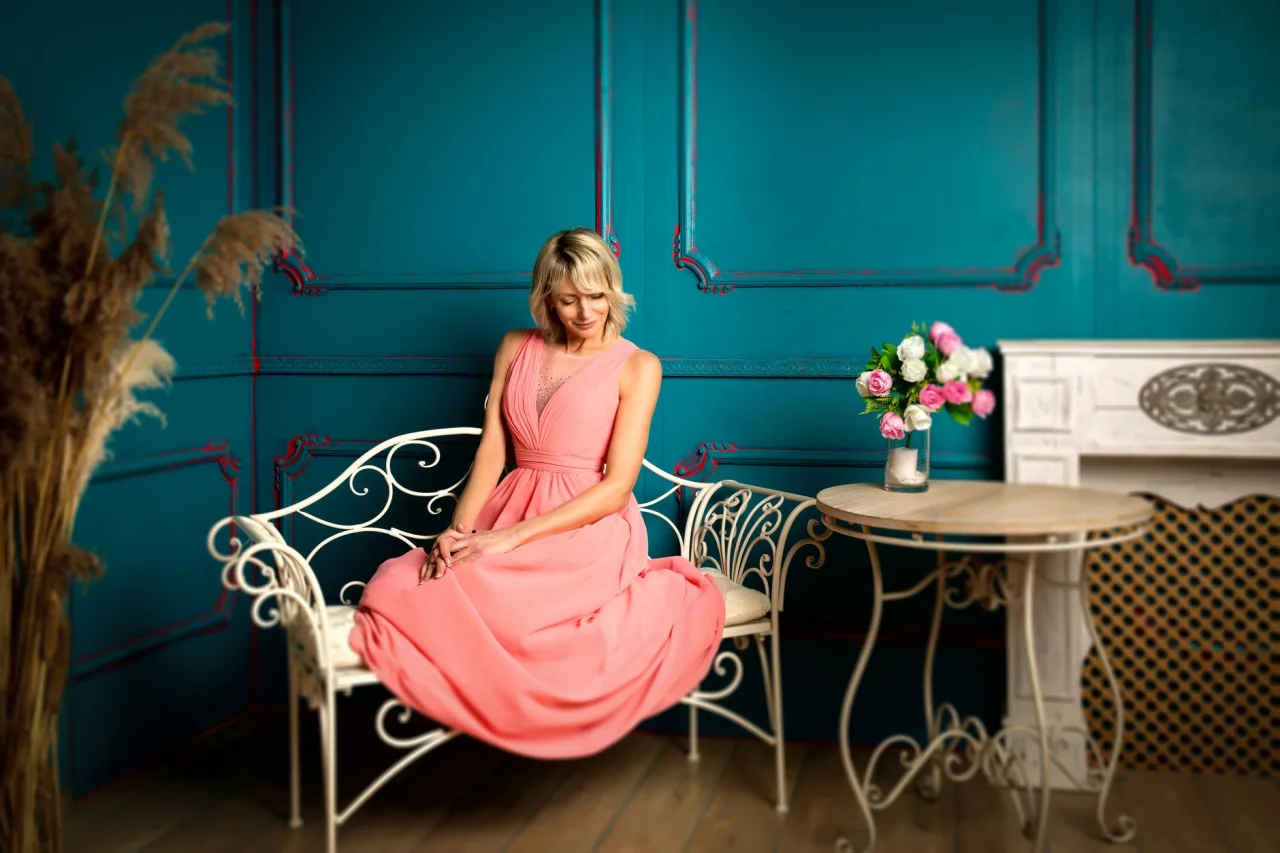
The maxi dress is the wardrobe piece that manages to feel effortless and considered at the same time: one long, flowing column of fabric that carries you from a beach walk to a mehndi function. This guide explains exactly what a maxi dress is, where the silhouette came from, who it flatters, and how it fits into a desi wardrobe alongside kurtis, kaftans and anarkalis.
The short version
- A maxi dress is a one-piece dress that falls to the ankle or the floor, usually in a soft, drapey fabric.
- The name has been used since the late 1960s and simply refers to the maximum length, as opposed to mini or midi.
- It suits every body type once you match the cut to your shape, not the other way around.
- In desi styling it doubles as festive, resort and everyday wear depending on fabric and embellishment.
What a maxi dress actually is
A maxi dress is a single, unbroken garment that reaches from the shoulders down to the ankle or the floor. Unlike a kurta or a kameez, it is not paired with separate trousers, so the length itself does the styling work. The word maxi has been used since the late 1960s for ankle-length, typically informal dresses, in contrast to the mini and later the midi. You can read the short definition on the Wikipedia entry for the maxi dress.
What makes the maxi distinct is the combination of full length and, usually, a soft vertical drape. That long line is why the silhouette reads as elegant with almost no effort. A maxi can be sleeveless or long-sleeved, fitted or loose, plain jersey or heavily embroidered georgette. The one constant is the floor-skimming or ankle-skimming hem.
A quick history of the silhouette
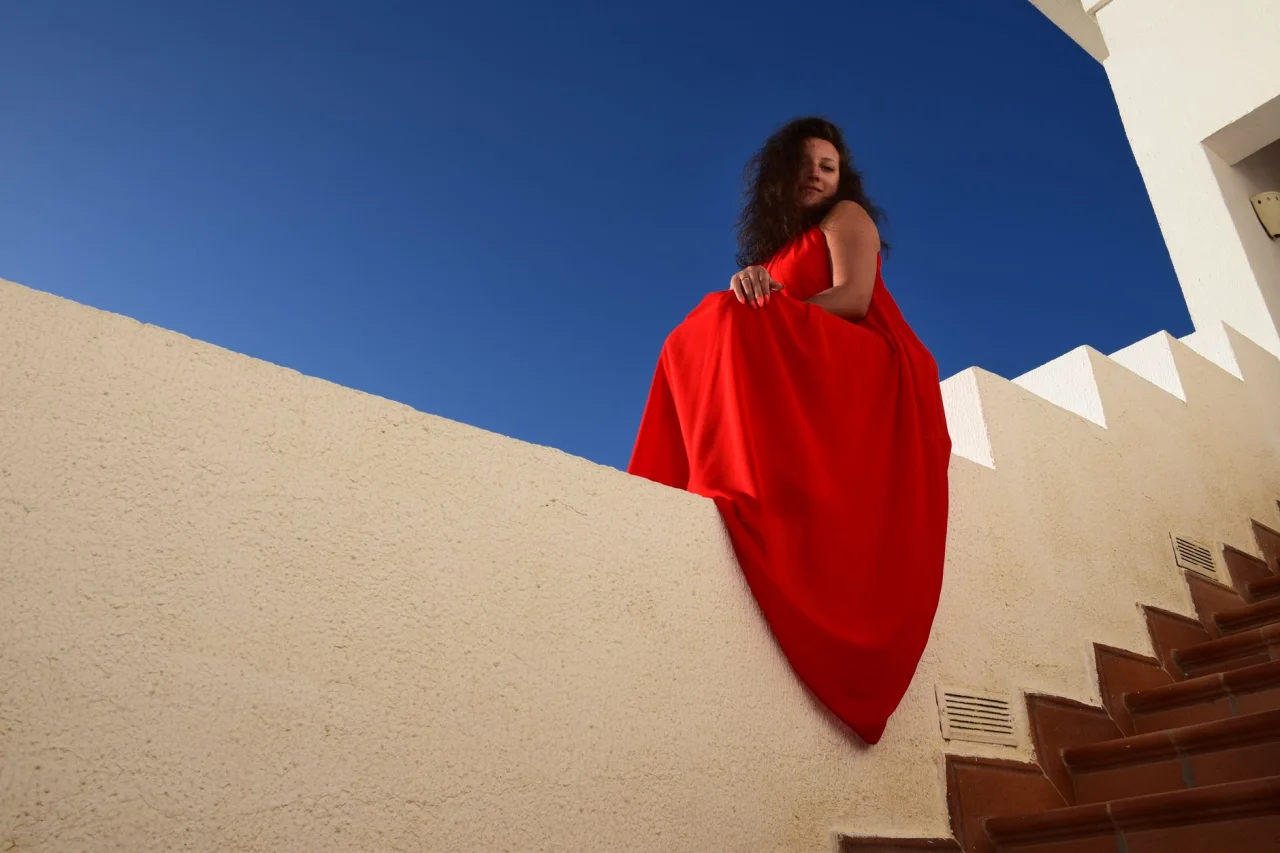
Long, flowing dresses are ancient, but the maxi as a named, everyday style belongs to the late 1960s and 1970s. It arrived as a deliberate counterpoint to the mini skirt, offering coverage and movement at a moment when fashion was experimenting freely. Since the 1970s no single hemline has dominated for long, and short and ankle-length styles have appeared side by side in magazines and catalogs ever since.
For South Asian wearers the maxi slotted in naturally, because long gowns, the anarkali and the front-open jalabiya style already carried the idea of a graceful full-length garment. The modern maxi simply gave that instinct a Western cut and an easy, pull-on shape.
Maxi, midi and mini: the length ladder
Dress length is described on a simple scale, and knowing it stops a lot of shopping confusion:
- Mini ends around mid-thigh.
- Midi ends somewhere between the knee and the mid-calf.
- Maxi ends at the ankle or the floor.
Because the maxi covers the most, it also flatters the widest range of occasions. It can be as modest as an abaya-adjacent silhouette or as glamorous as a trailing evening gown, all within the same length category.
Common maxi dress styles
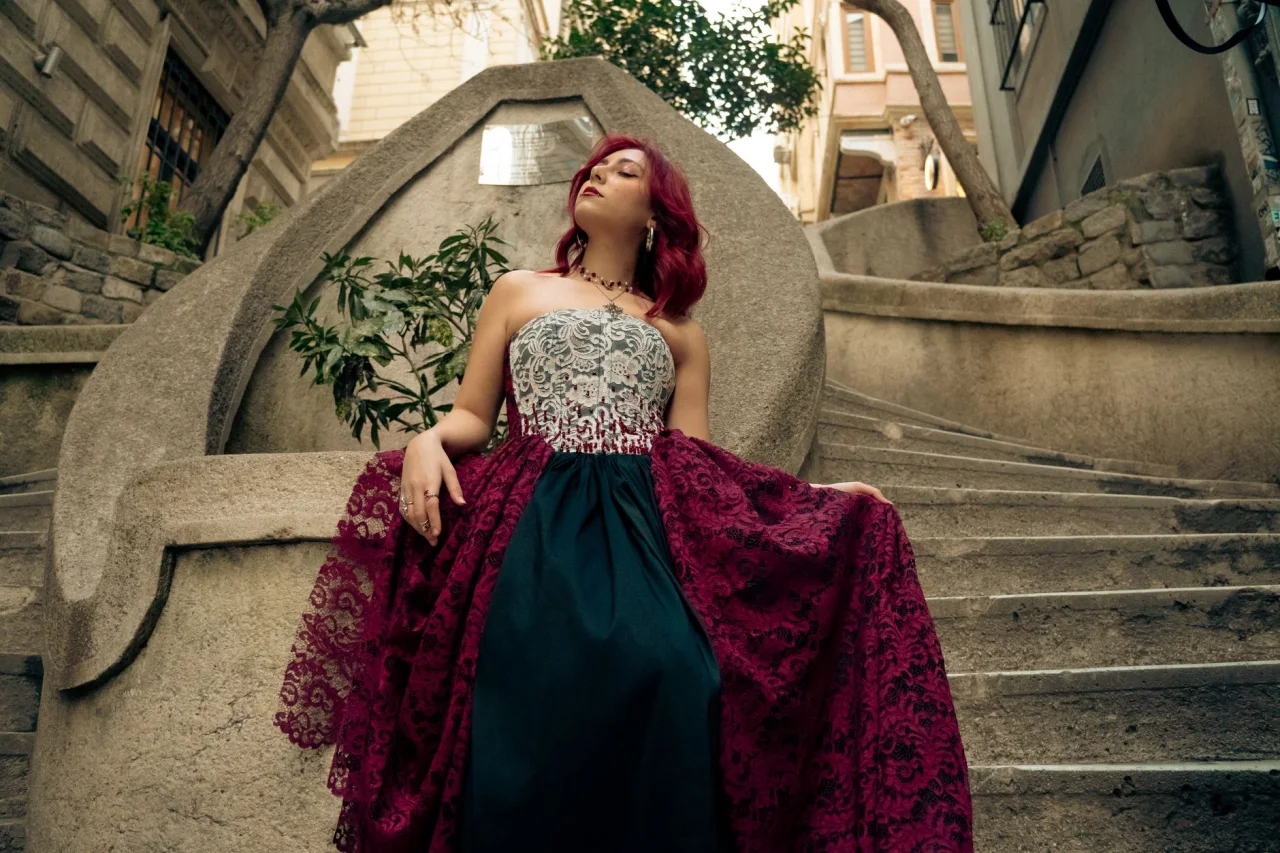
Under the single umbrella of maxi you will meet several recurring cuts. Learning them makes both shopping and styling far quicker:
- A-line maxi: fitted through the bust, then flaring gently to the hem. The most universally flattering shape.
- Empire-waist maxi: the seam sits just under the bust, then the fabric falls straight in the classic empire silhouette. Excellent for a relaxed, forgiving line.
- Bodycon or column maxi: follows the body closely from top to hem for a sleek, statement look.
- Wrap maxi: crosses over and ties at the waist, so you adjust the fit yourself.
- Tiered or ruffled maxi: horizontal panels add volume and movement, ideal in lightweight cottons.
- Kaftan-style maxi: loose and unstructured, borrowing the free cut of the kaftan.
Styling note
The maxi is one of the easiest desi-adjacent pieces to festivise. Add a light embroidered dupatta, statement jhumkas and juttis and a plain jersey maxi reads as occasion wear. See the full breakdown in our guide on how to style a maxi dress for every occasion.
Which fabrics maxi dresses use
Fabric decides everything about how a maxi behaves. A long hem magnifies both good drape and stiffness, so the cloth matters more than in a short dress:
- Cotton and cotton lawn: breathable and matte, ideal for daytime and hot weather.
- Chiffon and georgette: sheer, fluid and slightly floaty, perfect for evening and festive versions. Learn more about chiffon and its properties.
- Jersey and knits: stretchy and easy, the backbone of casual pull-on maxis.
- Linen: crisp, cool and relaxed, with a characteristic lived-in crumple.
- Silk and satin: lustrous and formal, reserved for gowns and celebrations.
If you live somewhere hot, prioritise breathable cloth. Our roundup of the best fabrics for Pakistani summers is a good place to start.
Necklines, sleeves and details
The same maxi silhouette changes character completely with the neckline and sleeve. A square or sweetheart neck reads romantic, a boat neck feels clean and modern, and a high round neck leans modest. Sleeves do the same work: cape and bishop sleeves add drama and formality, three-quarter sleeves feel practical and everyday, and sleeveless cuts suit warm weather and layering under a shrug. When you shop, treat the neckline and sleeve as deliberate choices rather than afterthoughts, because together they decide how covered, how festive and how seasonal the dress feels.
Surface details matter too. A plain maxi is a blank base, while piping, buttons, pin-tucks, a contrast yoke or a panel of embroidery each shift the mood. In a desi wardrobe, even a small border of gota or thread work along the hem and cuffs can turn a simple cotton maxi into something that reads as festive, without the cost or weight of all-over embellishment.
Who a maxi dress suits
The honest answer is everyone, provided you match the cut to your frame rather than forcing a trend. A maxi elongates the body, which is why it works across heights and sizes:
- Petite frames: choose a high or empire waist and a narrower skirt so the length does not overwhelm you. A small heel helps.
- Tall frames: almost anything works, including tiered and voluminous cuts.
- Curvier frames: wrap and A-line shapes define the waist while skimming the hips.
- Straighter frames: ruffles, tiers and prints add welcome shape and movement.
The maxi is also a genuinely practical choice at moments when comfort matters most. Its loose length makes it a favourite through pregnancy, during recovery and on the hottest days of summer, because it offers full coverage without clinging anywhere. That combination of coverage and ease is a large part of why the silhouette has stayed in wardrobes decade after decade.
Caring for a maxi dress
A long hem picks up dust and catches on heels, so a little care keeps a maxi looking new:
- Always check the care label. Cottons and jerseys are usually machine washable, while chiffon, georgette and silk often need hand washing or dry cleaning.
- Hang heavier maxis on padded hangers so the shoulders keep their shape, and fold delicate embellished pieces to protect the beadwork.
- Steam rather than press embroidered and sheer fabrics, and always iron on the reverse to protect any surface work.
- Store festive maxis in a breathable garment bag, never sealed plastic, so the fabric can breathe.
How the maxi fits into a desi wardrobe
The maxi is a genuine crossover piece. In a cotton print it is everyday wear you can throw on for errands. In embroidered georgette with a dupatta it stands in for a gown at an engagement or Eid gathering. It sits comfortably beside the anarkali suit for festive occasions and the relaxed tunic for casual days. If you want a fuller catalogue of shapes and details, browse our maxi dress design ideas for 2026, and when you are ready to buy, the fit, fabric and price guide walks you through it.
Frequently asked questions
What is a maxi dress?
A maxi dress is a one-piece dress that falls to the ankle or the floor, usually in a soft, drapey fabric. The name refers to the length, which is the maximum on the scale that runs mini, midi, maxi. It can be casual or formal depending on the fabric and any embellishment.
What is the difference between a maxi and a midi dress?
Length is the only difference. A midi dress ends between the knee and the mid-calf, while a maxi ends at the ankle or the floor. Both can share the same cut, fabric and neckline.
Are maxi dresses suitable for short heights?
Yes. Petite wearers should choose a high or empire waistline and a slimmer skirt so the length flatters rather than overwhelms. A small heel and a vertical print add extra height.
Can a maxi dress be worn as festive or wedding-guest wear?
Absolutely. In embroidered georgette, chiffon or silk, paired with a dupatta and statement jewellery, a maxi works beautifully as festive and wedding-guest wear. Fabric and embellishment are what shift it from casual to formal.
What fabric is best for an everyday maxi dress?
For daily wear in warm weather, breathable cotton, cotton lawn or linen are the most comfortable choices. Jersey knits are ideal for easy pull-on maxis. Save chiffon, georgette and silk for evening and festive versions.
More on Clothing Types
Have a question or a topic to suggest?
We read every message. Tell us what you would like to see next in the journal.
Get in touch