How to Style a Maxi Dress
Casual, office, festive and wedding looks built around a single maxi dress, with jewellery, footwear and dupatta pairings.
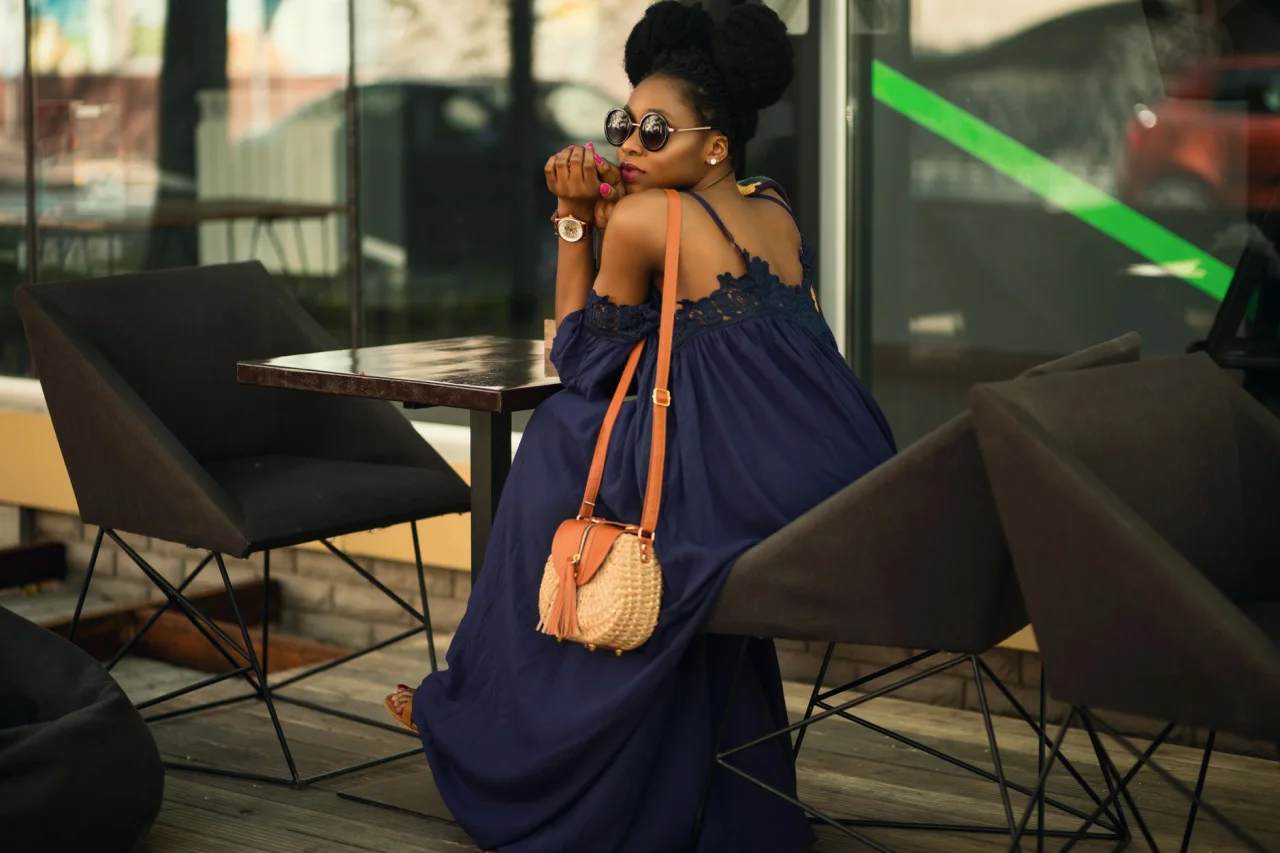
One maxi dress can carry you through an entire week if you know how to restyle it. The trick is not owning more dresses, it is changing the layers, jewellery and footwear around the same long silhouette. This guide gives you complete, occasion-by-occasion looks for a maxi dress, from a school run to a wedding reception.
The short version
- Footwear and jewellery do most of the work in shifting a maxi from casual to festive.
- A dupatta or light shrug adds instant desi polish and modest coverage.
- Define the waist with a belt when a maxi feels too loose or shapeless.
- Match the metal and the fabric weight to the formality of the occasion.
Start with the base, then layer
Treat the maxi as a blank canvas. A plain column of fabric can be dressed in a dozen directions, so decide the mood first, then add exactly three things: a layer, jewellery and shoes. The maxi dress has been an ankle-length, typically informal style since the late 1960s, which is precisely why it takes so well to restyling: the base is neutral and the accessories set the tone. If you are unsure which maxi shapes take styling best, our overview of what a maxi dress is covers the cuts, and the design ideas roundup shows the details to look for.
Casual daytime look
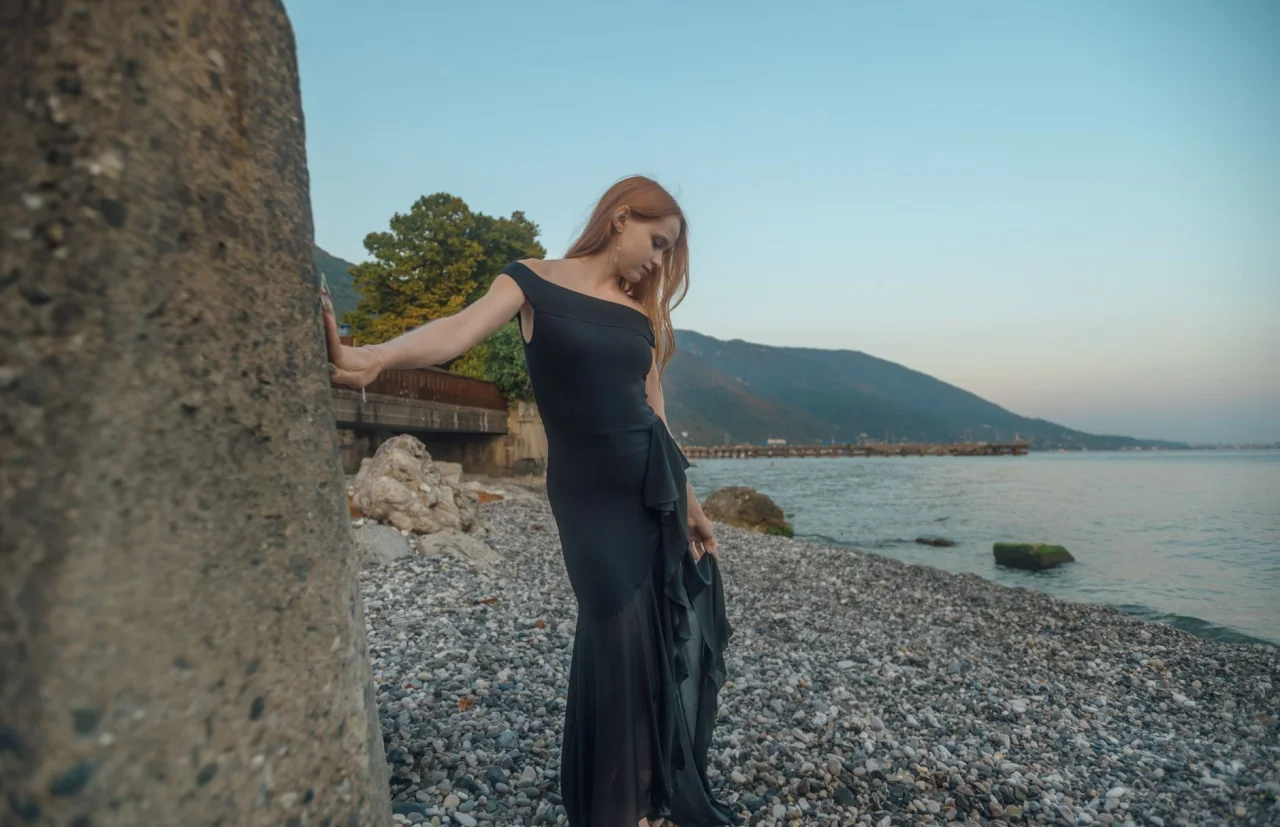
For errands, brunch or a relaxed day out, keep everything soft and low effort:
- Base: a cotton or jersey A-line maxi in a print or solid.
- Layer: a denim jacket or an open cotton shrug.
- Jewellery: small hoops or studs and a couple of thin bangles.
- Feet: flat sandals, white sneakers or slip-on mules.
Add a crossbody bag and sunglasses and you are done. This is the most forgiving look, so it is the best place to experiment with prints.
Office and workwear look
A maxi is entirely office-appropriate once you tidy the proportions:
- Base: a shirt-style or column maxi in a matte, structured fabric.
- Layer: a tailored blazer or a longline waistcoat.
- Jewellery: a slim watch and one understated piece.
- Feet: closed loafers, block heels or pointed flats.
Keep the palette calm and the fabric wrinkle-resistant. For more desk-to-dinner ideas, see our office wear outfit ideas.
Styling note
A thin belt at the natural waist instantly makes a loose maxi look intentional and professional. Match the belt to your shoes for a longer, cleaner line.
Festive and Eid look
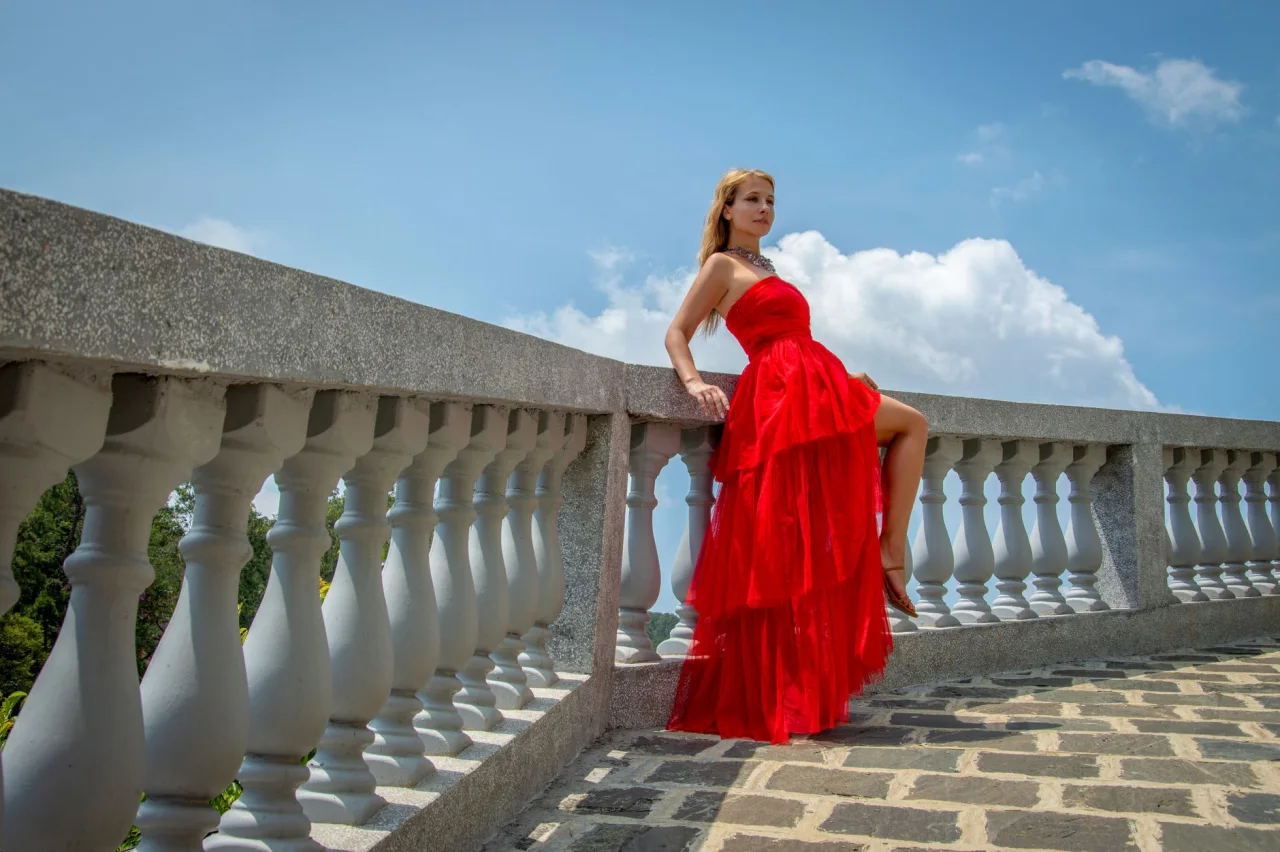
This is where the maxi truly shines in a desi wardrobe. The garment stays the same, the accessories turn celebratory:
- Base: an embroidered georgette or chiffon maxi in a rich or pastel tone.
- Layer: a light embroidered or tissue dupatta, draped over one shoulder or across.
- Jewellery: jhumkas or chandbalis, a few kadas and a maang tikka if you like.
- Feet: embellished juttis, kolhapuris or heeled sandals.
Finish with a small potli bag. For complete festive outfits built around this idea, our Eid outfit ideas for 2026 pair maxis with the right jewellery and shoes.
Wedding-guest and reception look
For someone else's big day you want polish without competing with the bride:
- Base: a cape-sleeve, belted or mermaid-hem maxi in silk, velvet or heavy georgette.
- Layer: a richly worked dupatta or a structured shrug.
- Jewellery: one statement set, either bold earrings or a necklace, not both.
- Feet: heels in a metallic or tonal shade.
Add a soft updo or blow-dry to keep the neckline clear. Our wedding-guest outfit ideas go deeper on balancing glamour and etiquette.
Resort and holiday look
On vacation, comfort and movement lead:
- Base: a kaftan-style, halter or slit-hem maxi in a breezy print.
- Layer: skip it, or add a light kimono in the evening.
- Jewellery: layered pendants and stacked bangles.
- Feet: flat sandals or espadrilles.
A wide-brim hat and a straw bag complete the relaxed feel. For a looser, more unstructured take on this mood, the kaftan is the natural next step.
How to drape a dupatta with a maxi
A dupatta is the single fastest way to give a maxi a desi identity, and how you drape it changes the whole effect:
- One-shoulder drape: let it fall down one shoulder and trail at the back for an easy, elegant line.
- Across the front: pin one end at the shoulder and sweep the rest across the body for more coverage.
- Cape style: open it fully across both shoulders like a cape for a formal, gown-like presence.
- Over the head: a soft drape over the head suits mosque visits and traditional family gatherings.
Choose a dupatta that contrasts with the maxi in either colour or texture. A sheer embroidered dupatta over a plain maxi, or a plain one over a busy print, keeps the look balanced rather than heavy.
Layering for cooler weather
A maxi is not only a warm-weather piece. In cooler months, layering keeps it wearable without losing the long line:
- A longline cardigan or duster coat that follows the length of the dress.
- A cropped jacket or short shrug to define the waist and add structure.
- A polo neck or fine knit worn underneath a sleeveless maxi.
- Ankle boots in place of sandals, with the hem grazing the top of the boot.
Keep the layers in a similar tonal family as the dress so the outfit still reads as one long, deliberate silhouette rather than a set of separate pieces.
Common styling mistakes to avoid
A maxi is forgiving, but a few habits flatten an otherwise good outfit:
- Wearing it too long: a hem that pools on the floor frays and trips you. Hem it to graze the top of your shoes, or wear a small heel.
- Skipping shape entirely: a loose maxi with no belt, layer or defined neckline can read as shapeless. Break the line with at least one of those.
- Overloading accessories: a busy print with heavy jewellery, a bold bag and statement shoes competes with itself. Let one element lead.
- Mismatched formality: a casual jersey maxi with fine jewellery, or a silk maxi with beach sandals, sends mixed signals. Keep the fabric and accessories on the same level.
- Ignoring the undergarments: a sheer or fitted maxi needs the right slip and seamless underwear to sit smoothly.
Fix any one of these and the same dress looks noticeably more considered. Styling a maxi well is less about adding more and more about editing to a clear, single idea.
Accessory rules that always work
A few principles keep any maxi looking deliberate:
- Match your metals: keep gold with gold and silver with silver in a single look.
- Balance volume: a voluminous maxi wants sleeker jewellery and shoes, and a sleek maxi can carry bolder pieces.
- Break the length: a belt, a tucked-in layer or a contrast dupatta stops a long dress reading as one flat block.
- Mind the hem: heels or wedges keep a floor-length maxi off the ground and prevent fraying.
Building a capsule around one maxi
The real value of a well-chosen maxi is how many looks it unlocks from a small set of accessories. Take one plain, mid-weight maxi in a neutral shade and gather a handful of pieces around it: a denim jacket, a tailored blazer, an embroidered dupatta, a thin belt, and three shoe options in flat, block heel and embellished jutti. With just those, the same dress covers a casual day, an office afternoon, a festive evening and a wedding you are attending, without buying anything new. That is the most economical way to dress well: fewer garments, more combinations.
When you do add a second maxi, choose one that contrasts with the first, for example a print if the first is plain, or a festive fabric if the first is everyday cotton. Two well-chosen maxis and a considered set of accessories will out-perform a rail of dresses you rarely reach for.
Frequently asked questions
How do I style a maxi dress for a casual day out?
Keep it soft and simple. Wear a cotton or jersey maxi with a denim jacket or cotton shrug, add small hoops and a couple of thin bangles, and finish with flat sandals or white sneakers. A crossbody bag and sunglasses complete the look.
Can I wear a maxi dress to the office?
Yes. Choose a shirt-style or column maxi in a matte, structured fabric, layer a tailored blazer or longline waistcoat over it, and wear closed loafers or block heels. A thin belt at the natural waist makes the silhouette look intentional and professional.
How do I make a plain maxi dress look festive?
Add a light embroidered or tissue dupatta, statement jhumkas, a few kadas and embellished juttis or heeled sandals. Keeping the maxi itself simple and letting the accessories do the celebrating is the easiest way to festivise it.
What shoes go with a maxi dress?
For casual looks, flat sandals, sneakers or mules work well. For office wear, choose loafers, block heels or pointed flats. For festive and wedding looks, embellished juttis, kolhapuris or heels are ideal. Heels also keep a floor-length hem off the ground.
Should I belt a maxi dress?
Belt it when the maxi feels loose or shapeless and you want to define the waist. A thin belt at the natural waist adds structure and a longer line. Skip the belt for deliberately relaxed, kaftan-style maxis where the loose drape is the point.
More on Styling Guides
Have a question or a topic to suggest?
We read every message. Tell us what you would like to see next in the journal.
Get in touch