What Is a Tunic?
What a tunic is, its ancient roots, how it relates to the kurti and kurta, the main types, and how to choose and wear one.
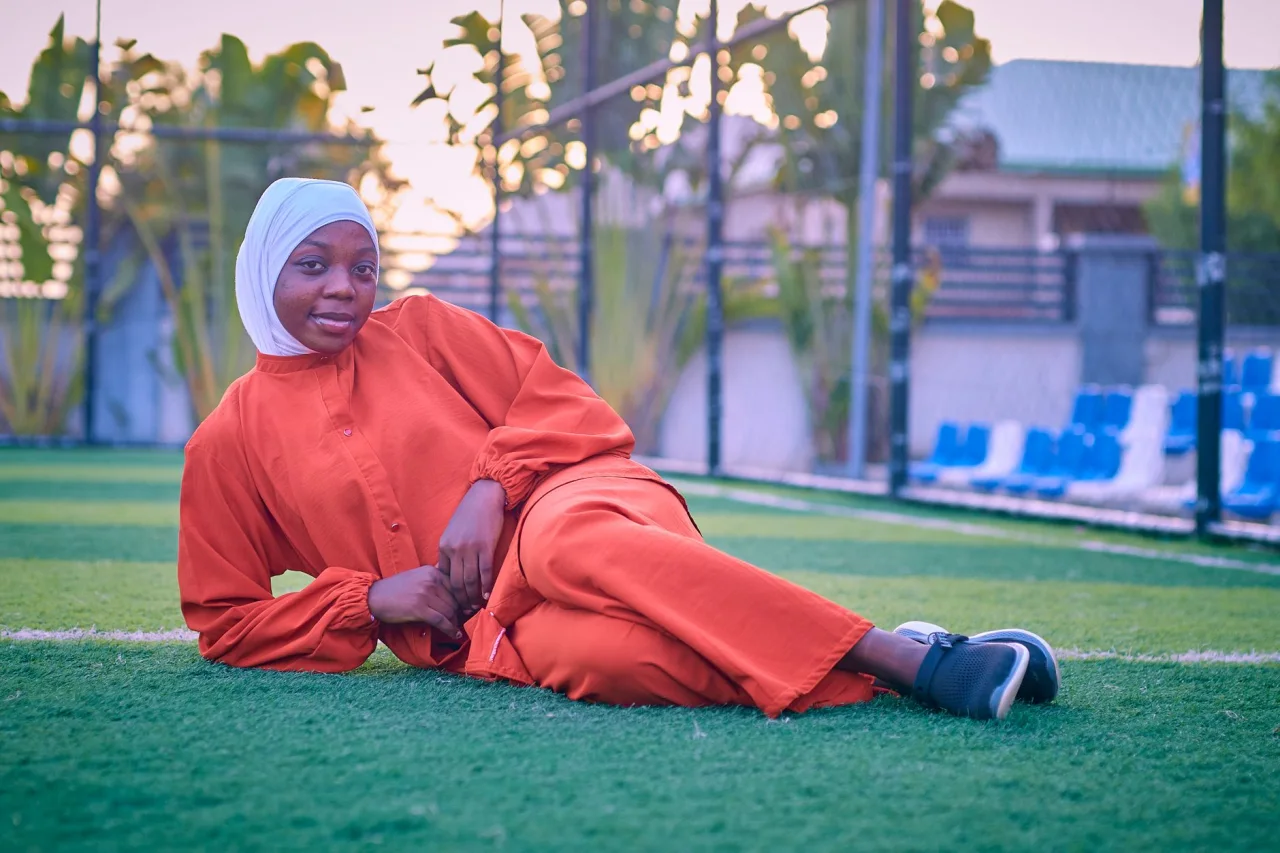
The tunic is one of the oldest garments in human history and one of the most useful pieces in a modern desi wardrobe. This complete guide explains what a tunic is, where it comes from, how it relates to the kurti and kurta, the main types you will see, and how to choose and wear one so it flatters your shape and suits the occasion.
The short version
- A tunic is a simple garment for the torso, reaching from the shoulders to somewhere between the hips and the ankles.
- Its roots run back to ancient Greece and Rome, and in South Asia the tunic is usually called a kurta or kurti.
- Tunics span casual cotton tops, office-ready styles and embroidered festive pieces, worn over trousers, leggings or jeans.
- Price depends on fabric and embroidery, so treat any figure as a range and confirm current pricing before buying.
What a tunic actually is
A tunic is a garment for the upper body, usually simple in cut, that reaches from the shoulders to a length somewhere between the hips and the ankles. It can have short or full-length sleeves and often has no complicated fastenings. That loose definition is exactly why the tunic has survived for thousands of years: it is easy to make, comfortable to wear and endlessly adaptable across climates and cultures.
In everyday modern use, a tunic usually means a top that is longer than a standard shirt, falling around the hip, thigh or knee, worn over a slimmer bottom such as trousers, leggings or jeans. The extra length is the signature. A tunic covers more than a blouse and drapes more softly than a fitted shirt. That combination of coverage and ease is why the tunic travels so well across cultures, seasons and dress codes, from a beach cover-up to a formal embroidered piece.
Where the tunic comes from

The word tunic comes from the Latin tunica, the basic garment of ancient Rome, and the Greek khiton shares the same origin. As Wikipedia's overview of the tunic records, it was worn in ancient Greece before Rome adopted it, and in Roman dress the width and colour of its stripes signalled social status. The garment then evolved through medieval Europe and, much later, into military and casual wear.
Crucially for desi fashion, the same source notes that in the Indian subcontinent the tunic is usually referred to as a kurta, often finished with delicate embroidery, bead-work or threadwork. So when we talk about a kurti or kurta, we are really talking about the South Asian branch of a very old, very global family of garments.
Tunic, kurti and kurta: how they connect
These words overlap, and the distinctions are mostly regional and about length rather than hard rules.
- Tunic: the broad, global term for a longer top worn over a slimmer bottom.
- Kurta: the South Asian tunic, traditionally collarless with straight sleeves and side seams open at the hem, worn by all genders. The kurta traces its roots to Central Asian nomadic tunics.
- Kurti: generally a shorter, lighter, more casual take on the kurta, popular as everyday and Western-fusion wear.
If you want the detail, read what a kurti is and what a kurta is. For this guide, it helps to picture the tunic as the family name and the kurta and kurti as the desi members of that family.
Styling note: The easiest way to identify a tunic is the balance of length and looseness. If a top clearly extends past the hip and skims rather than clings, you are almost certainly looking at a tunic.
The main types of tunic
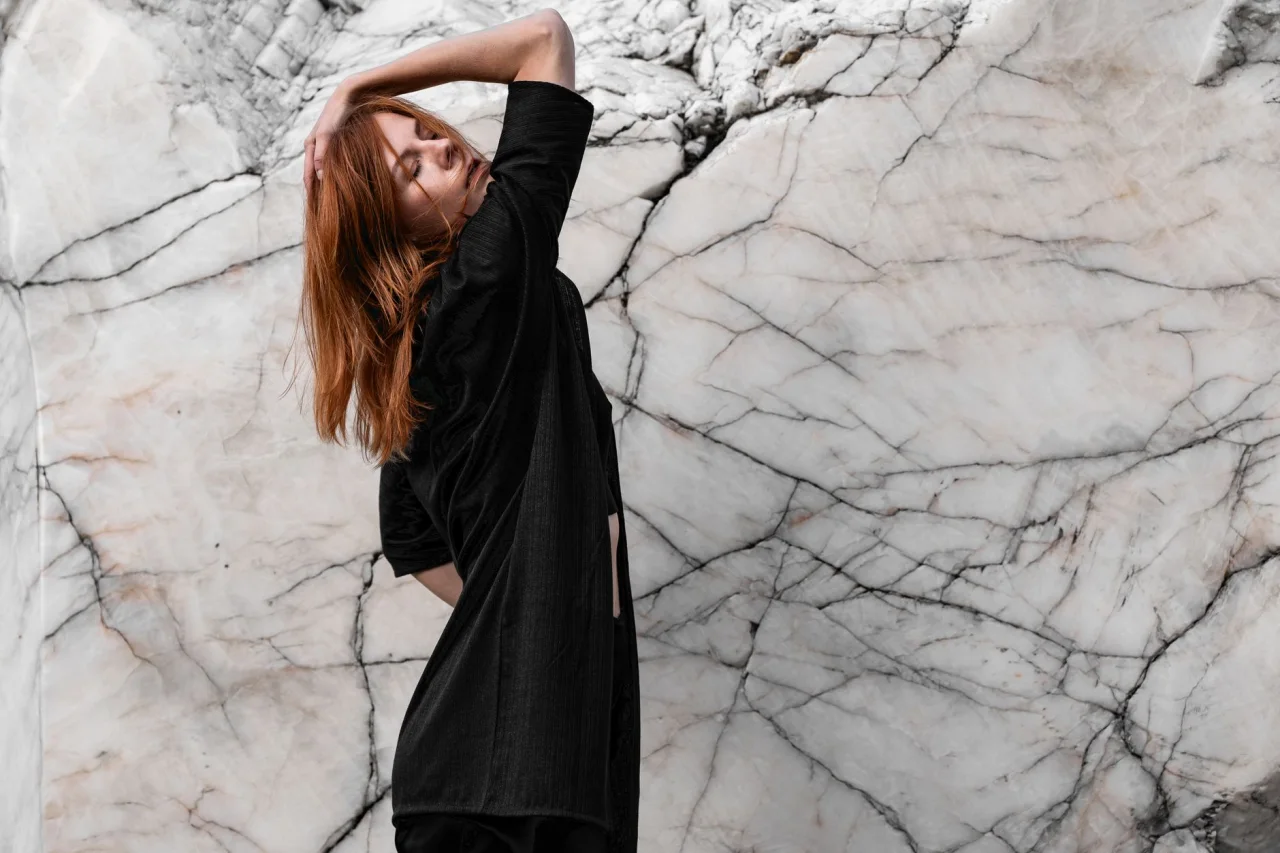
Tunics are usually grouped by silhouette and by how dressy they are. These are the shapes you will meet most often.
- Straight tunic: a clean, column-like cut that suits most body types and layers easily.
- A-line tunic: narrower at the shoulders and flaring toward the hem, flattering and forgiving through the middle.
- High-low tunic: shorter at the front and longer at the back, a modern, fashion-forward line.
- Anarkali-style tunic: fitted above and heavily flared below, closer to a short frock, ideal for occasions.
- Shirt tunic: a collared, button-through style that leans smart and Western-friendly.
- Kaftan-style tunic: loose and flowing with wide sleeves, prized for comfort and heat.
For a season-by-season look at current styles, see our companion piece on tunic designs trending in 2026.
Who tunics suit and how to wear one
Because the tunic is loose and long, it is one of the most universally flattering shapes, as long as you match the cut to your frame.
- If you want definition: choose a straight or A-line tunic and add a slim belt, or pick one with subtle waist shaping.
- If you prefer to skim: a slightly longer, relaxed tunic over straight trousers gives an easy, elegant line.
- For petite frames: a hip or mid-thigh length avoids overwhelming your proportions, paired with narrow bottoms.
- For layering: tunics work under jackets, shrugs and long waistcoats without adding bulk.
Bottoms make or break the look. Slim trousers, leggings, cigarette pants and straight jeans all balance the tunic's volume. For a full occasion-by-occasion breakdown, our guide to how to style a kurti applies directly, since the kurti is a tunic.
Getting the length and proportion right
Most tunic disappointments come down to proportion rather than the tunic itself. Because the garment is defined by length, a few extra inches in the wrong place can shorten your frame or swamp a petite build, while the right length looks effortless.
- Hip length: the most versatile, easy over jeans and leggings and flattering on nearly everyone.
- Mid-thigh: a modern, casual length that keeps proportions balanced on shorter frames.
- Knee length: dressier and more traditional, elegant on taller frames and ideal over churidar.
- Below knee or ankle: the most formal, closer to a kurta or short frock, best kept for occasions.
Pair the length with the right bottom and the outfit balances itself. A longer tunic needs a slim bottom so the volume sits on one half, while a shorter tunic can take a wider palazzo. Side slits also matter, since they add ease of movement and let a longer tunic drape rather than cling.
Fabrics, care and what to spend
Fabric decides where a tunic belongs. Cotton, lawn and linen are cool and casual for daytime and summer. Rayon and viscose drape softly for a dressier everyday look. Georgette, chiffon, silk blends and velvet carry embroidery well for occasions. Check the care label, since embroidered and delicate tunics usually prefer gentle hand washing or dry cleaning to protect the work and the colour.
On price, treat any number as a broad range. Plain cotton tunics are the most affordable, printed and lightly embroidered rayon styles sit in the middle, and heavily embroidered festive tunics in richer fabrics cost the most. Fabric, embroidery, brand and retailer all move the figure, so compare a few sellers and confirm current pricing before you buy.
Bought thoughtfully, a tunic is one of the highest-value pieces you can own, because a single well-chosen style covers casual, work and festive dressing depending on how you accessorise it. Start with a versatile straight or A-line cut in a fabric suited to your climate, get the length right for your frame, and you will reach for it far more often than any trend-led buy.
Frequently asked questions
What is a tunic?
A tunic is a simple garment for the torso that reaches from the shoulders to a length somewhere between the hips and the ankles, usually loose and often without complex fastenings. In modern wear it means a longer top worn over a slimmer bottom such as trousers, leggings or jeans, and in South Asia it is usually called a kurta or kurti.
What is the difference between a tunic and a kurti?
A kurti is the South Asian version of a tunic, generally shorter and lighter than a full kurta and popular as casual and fusion wear. Tunic is the broad, global term for the shape, while kurti and kurta are the specific desi members of the same garment family. In practice the words are often used interchangeably.
What do you wear under a tunic?
Tunics are worn over slimmer bottoms that balance their length and volume: leggings, cigarette trousers, straight or skinny jeans, churidar or palazzos for a more traditional look. The general rule is to pair a fuller top with a narrower bottom so the outfit stays in proportion.
Are tunics formal or casual?
Both, depending on fabric and detailing. Cotton and linen tunics are casual and summer friendly, shirt-style tunics read smart, and embroidered tunics in georgette, chiffon or silk work for festivals and parties. The silhouette stays similar while the fabric and embroidery set the tone.
Which tunic length is most flattering?
It depends on your height and what you want to highlight. A hip or mid-thigh length suits petite frames and keeps proportions balanced, while a knee-length or longer tunic drapes elegantly on taller frames. A-line and straight cuts flatter the widest range of body types.
More on Clothing Types
Have a question or a topic to suggest?
We read every message. Tell us what you would like to see next in the journal.
Get in touch