Tunic Designs: 20+ Ideas for 2026
More than twenty tunic ideas across casual, office, festive and fusion styles, plus fabric, colour and budget guidance.

The tunic is a wardrobe workhorse, and 2026 offers more ways to wear it than ever, from clean office silhouettes to embroidered festive pieces. This roundup collects more than twenty tunic design ideas, organised by occasion and budget, so you can find a direction that fits your day rather than scroll through endless options and lose the thread.
The short version
- These are honest style directions, not a ranked leaderboard: choose by occasion and body type, not by hype.
- Ideas are grouped into casual, office, festive and fusion so you can shop with intent.
- Silhouette and fabric matter more than any single trend; the right cut for your frame always wins.
- Prices vary widely by fabric, embroidery and retailer, so treat any range as a guide and confirm current pricing.
How to use this list
A tunic is simply a longer top worn over a slimmer bottom, and in South Asia it is usually a kurti or kurta. If the basics are new to you, start with our explainer on what a tunic is, then use the ideas below as templates to adapt to your fabric, colour and comfort. The best tunic in your wardrobe is the one that suits your shape and an occasion you actually dress for.
Casual and everyday tunic designs
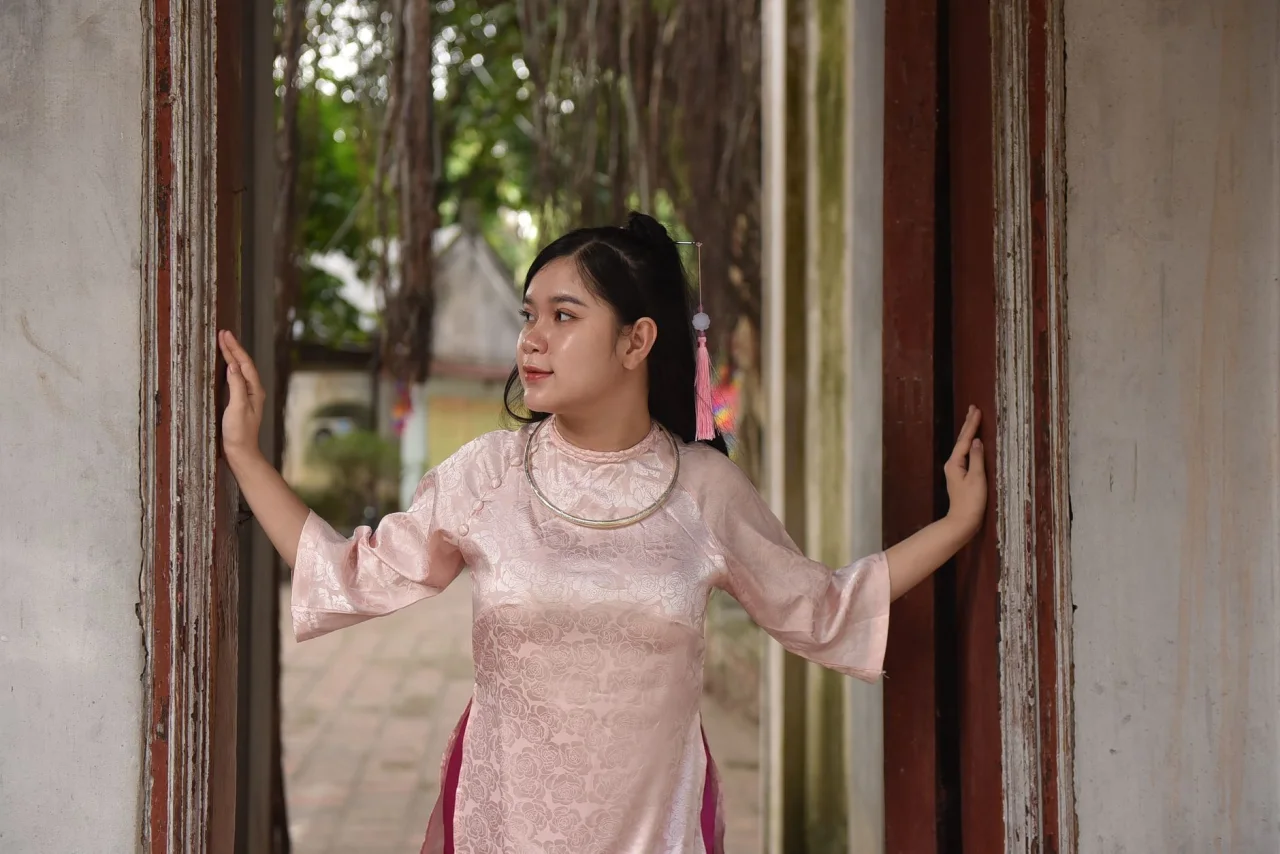
Breathable fabrics and easy cuts for daytime, errands and warm weather.
- Straight cotton tunic in a block print: the reliable daily choice, cool and forgiving.
- A-line tunic with side slits: flattering through the middle and easy to move in.
- Chikankari-style white tunic: light, elegant and endlessly re-wearable in summer.
- Denim or chambray tunic: a casual, Western-friendly spin over leggings or jeans.
- Printed rayon tunic: soft drape and vivid prints for a slightly dressier daytime look.
Office and smart tunic designs
Structured cuts and quiet detailing that read polished at work.
- Collared shirt tunic with trousers: crisp and professional, close to Western workwear.
- Solid straight tunic in a muted tone: understated and easy to accessorise.
- Self-print or tonal-texture tunic: interest without loud colour, ideal for a formal room.
- Belted tunic over cigarette pants: a defined waist and a clean, tailored line.
For more ways to style these for work and beyond, our guide to styling a kurti for every occasion applies directly, since the kurti is a tunic.
Styling note: For office tunics, keep the bottom slim and the colour calm. A narrow trouser balances the tunic's length, and a muted palette reads more professional than high-contrast prints.
Festive and occasion tunic designs
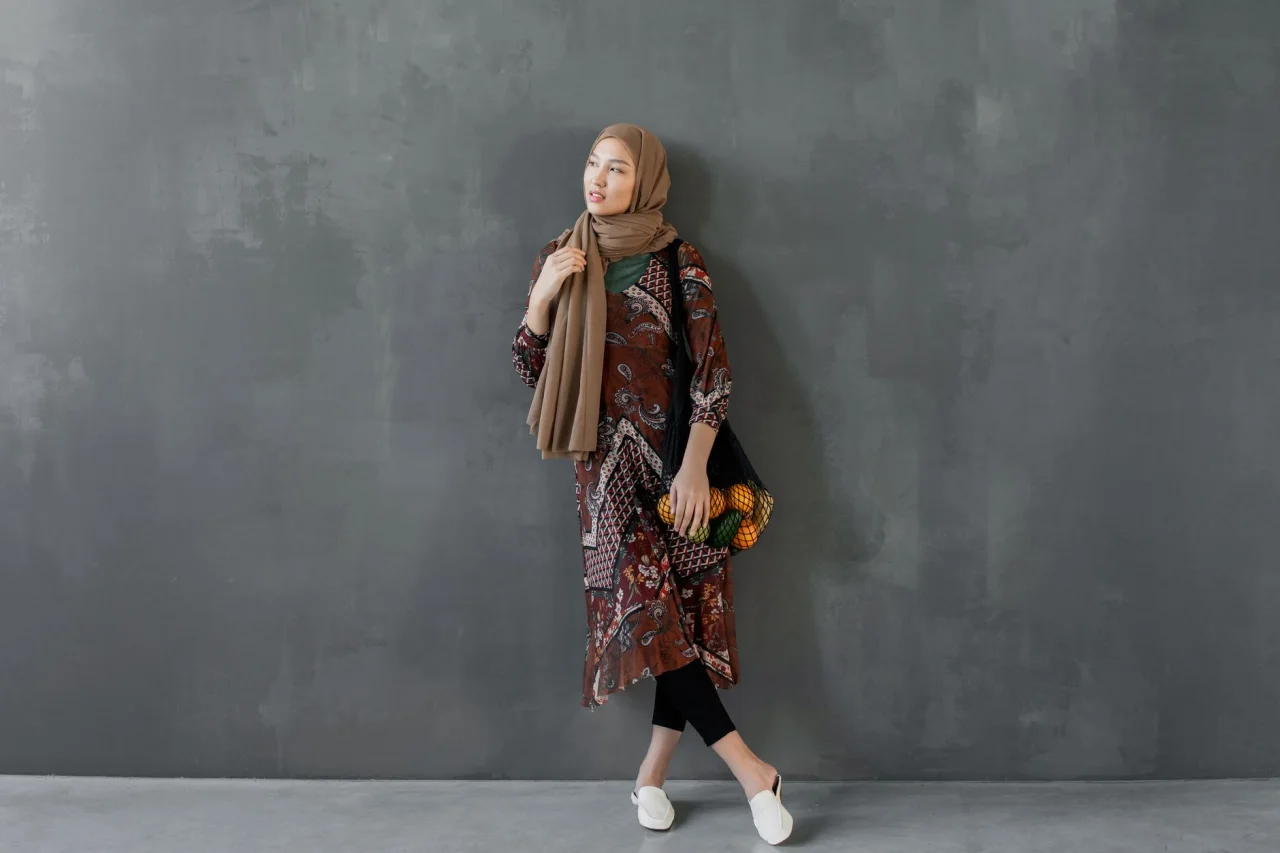
Richer fabrics and embroidery lift a tunic into celebration territory.
- Anarkali-style flared tunic: fitted above and full below, a graceful short-frock silhouette.
- Embroidered georgette tunic: flowing and photogenic, comfortable for long events.
- Mirror-work tunic with churidar: a festive classic that catches the light.
- Zari-bordered silk-blend tunic: subtle shine for evening functions.
- Velvet tunic for winter occasions: deep tones and a soft nap that suit party lighting.
- Pastel chiffon tunic with light threadwork: soft and elegant for daytime celebrations.
Fusion and modern tunic designs
Contemporary cuts that bridge desi and Western dressing.
- High-low tunic: shorter front, longer back, a fashion-forward line over slim trousers.
- Cape or layered tunic: an attached overlay for architectural drama.
- Asymmetric-hem tunic: an off-centre cut that feels fresh with palazzos.
- Tunic dress worn solo: a longer tunic styled as a standalone dress with boots or flats.
- Kaftan-style tunic: loose and flowing with wide sleeves for effortless comfort.
Colours and prints worth looking for
The cut of a tunic sets the shape, but colour and print decide the mood. Rather than following one trend shade, choose a direction that flatters your complexion and slots into the bottoms you already own, so the tunic works hard rather than sitting in the wardrobe.
- Crisp whites and ivories: especially in chikankari or fine threadwork, these feel fresh and endlessly re-wearable in summer.
- Earthy neutrals: mustard, terracotta, olive and beige pair naturally with denim and neutral trousers and hide daily wear.
- Pastels: soft mint, blush and lilac suit daytime events and lighter fabrics like chiffon and rayon.
- Deep solids: maroon, teal and ink navy read smart for office and evening, and take embroidery well.
- Block and floral prints: a confident all-over print lets the tunic carry the outfit, so keep the bottom plain.
A dependable rule is to let one part of the look be loud and keep the rest calm. A bold printed tunic pairs best with a solid trouser and minimal jewellery, while a plain tunic can carry a statement necklace or an embellished bottom.
How to accessorise and style a tunic
A tunic is a blank canvas, which is its strength and its trap. The right finishing touches shift the same piece from a school-run outfit to something party ready without changing the tunic at all.
- Bottoms: leggings and churidar keep it traditional, cigarette pants and straight jeans lean modern, and palazzos add relaxed volume.
- Layers: a long shrug, a denim jacket or a tailored waistcoat over a straight tunic changes the mood entirely.
- Belting: a slim belt over a loose tunic defines the waist and creates instant structure.
- Jewellery and shoes: studs and flats for daytime, jhumkas and heels or embellished juttis for occasions, always keeping one element as the focus.
Choosing by budget
Budget tracks fabric and embroidery far more than silhouette. As a rough guide, and always subject to current pricing:
- Entry level: plain cotton and printed rayon tunics with little or no embroidery.
- Mid range: shirt tunics, self-print fabrics and light machine embroidery.
- Premium: heavy hand embroidery, mirror or zari work, silk and velvet festive tunics.
Because work, brand and seller move prices so much, compare a few retailers before buying. For more everyday inspiration, browse our roundup of kurti designs and our explainer on what a kurti is. The tunic's long history, from ancient Rome to the South Asian kurta, is well documented in Wikipedia's overview of the tunic.
Matching fabric to the tunic style
A design only works if the fabric supports it, and this is where many tunic purchases go wrong. A structure-heavy cut in the wrong cloth looks limp, while a flowing style in a stiff fabric fights its own shape. Use these pairings as a starting point.
- Straight and shirt tunics: cotton, linen and crisp blends hold the clean line these cuts depend on.
- A-line and high-low tunics: rayon, viscose and soft cottons drape and swing without adding bulk.
- Anarkali-style flared tunics: georgette, chiffon and silk blends give the flare its graceful movement.
- Kaftan-style tunics: lightweight chiffon, georgette and soft cotton keep the loose silhouette airy.
- Occasion tunics: silk, velvet and embellished bases carry embroidery and hold their shape under weight.
When in doubt, match the fabric weight to the season and the occasion first, then the cut. A breathable fabric will always beat a beautiful design you cannot bear to wear in the heat, and a structured festive piece will always outshine a flimsy one under evening light.
Building a small tunic capsule
If you want maximum wear from a handful of pieces, think in terms of a small capsule rather than one-off buys. A few well-chosen tunics in complementary colours will stretch across far more days than a wardrobe of clashing favourites.
- One crisp white or ivory tunic for summer and layering.
- One printed everyday tunic in a versatile colour family.
- One smart solid tunic for work and smarter days.
- One embroidered or festive tunic for occasions.
Frequently asked questions
Are tunics still trending in 2026?
Yes. The tunic stays popular because it is comfortable, flattering and versatile across casual, office and festive wardrobes. The specific prints, cuts and embroidery shift each season, but the core silhouette of a longer top over a slimmer bottom remains a wardrobe staple.
Which tunic design is best for a festival or wedding?
For celebrations, choose richer fabrics and embroidery: an Anarkali-style flared tunic, an embroidered georgette or chiffon piece, a mirror-work tunic with churidar, or a velvet tunic for winter functions. These carry the occasion while staying easier to move in than a heavy stitched suit.
What is the most budget-friendly tunic?
Plain cotton and printed rayon tunics with minimal or no embroidery are usually the most affordable, and they work hard as everyday pieces. Prices still vary by fabric and retailer, so compare a few sellers before you buy.
What should I wear with a tunic?
Pair a tunic with a slimmer bottom to balance its length: leggings, cigarette trousers, straight or skinny jeans, churidar or palazzos. Keep accessories simple so the tunic stays the focus, and add a belt if you want to define the waist.
How many tunic designs are in this guide?
This guide covers more than twenty tunic design ideas across casual, office, festive and fusion categories, plus a budget breakdown. They are style directions to adapt to your fabric and frame rather than a ranked list, so choose the ones that match the occasions you actually dress for.
More on Clothing Types
Have a question or a topic to suggest?
We read every message. Tell us what you would like to see next in the journal.
Get in touch