How to Choose a Maxi Dress
Fit, fabric and price advice to help you pick a maxi dress that flatters your shape and lasts.
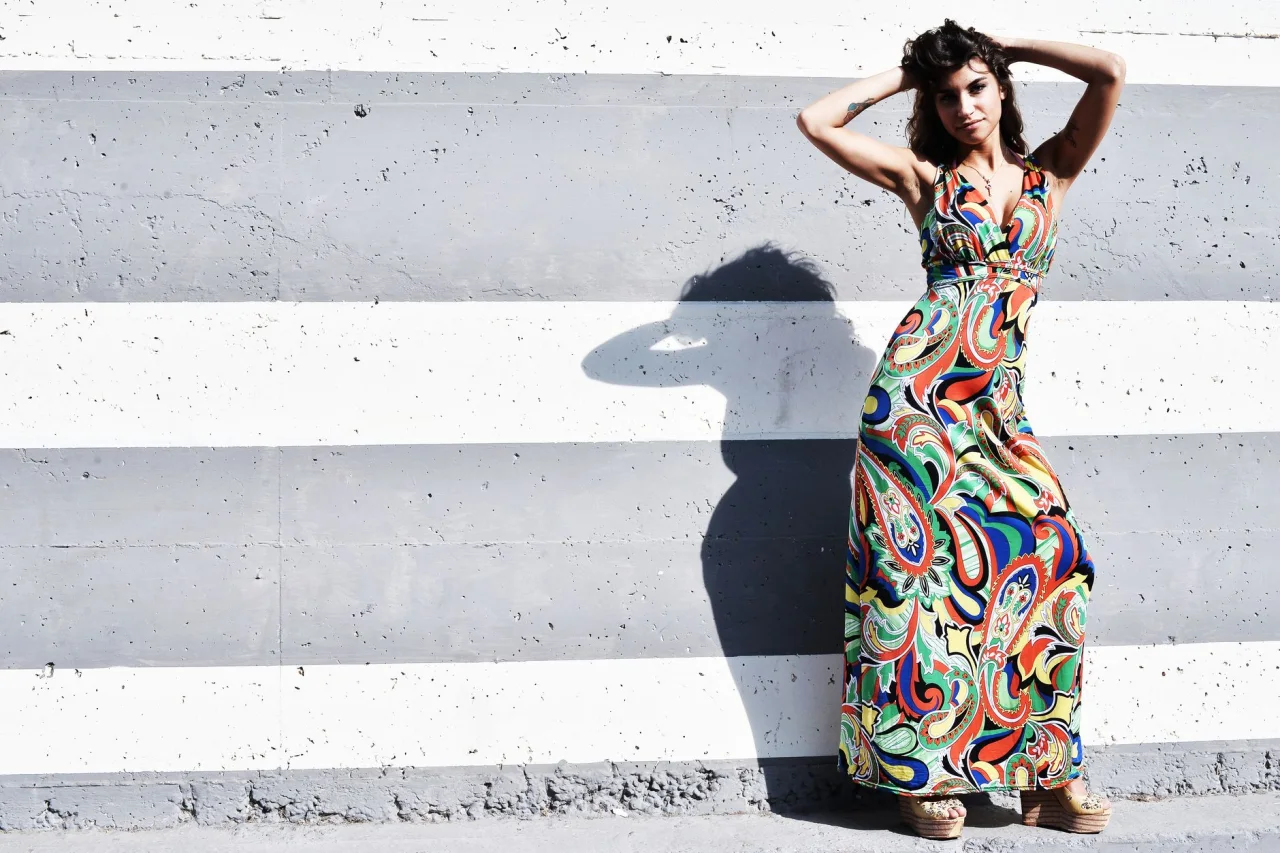
Buying a maxi dress you will actually wear comes down to three decisions: the fit for your body, the fabric for your climate and occasion, and a price that matches how often it will leave the wardrobe. This guide walks through all three, plus the red flags that separate a bargain from a waste of money.
The short version
- Choose the cut for your body shape first, then worry about colour and print.
- Match fabric to your climate: breathable cotton and linen for heat, silk and velvet for occasions.
- Check the hem length against your usual shoe height before buying.
- Prices vary hugely by fabric and hand work, so confirm current pricing and buy for wear frequency.
Step one: get the fit right
Fit is where most maxi purchases succeed or fail. The length is fixed, so the shape has to do the flattering. Use your body shape as the starting point:
- Petite: high or empire waist, a slimmer skirt and a vertical print to add height. Avoid heavy tiers that shorten the leg.
- Tall: almost any cut works, including full and tiered skirts and dramatic sleeves.
- Curvy: wrap and A-line shapes that define the waist and skim the hips.
- Straight or athletic: ruffles, tiers and belted styles that create the illusion of a waist.
Whatever your shape, check the shoulder seams and bust first. Those are the hardest areas to alter, whereas a hem is easy to shorten. If the shoulders and bust fit, the rest can usually be tailored. For a fuller look at the silhouettes on offer, see our guide to what a maxi dress is.
Step two: choose the fabric for the job
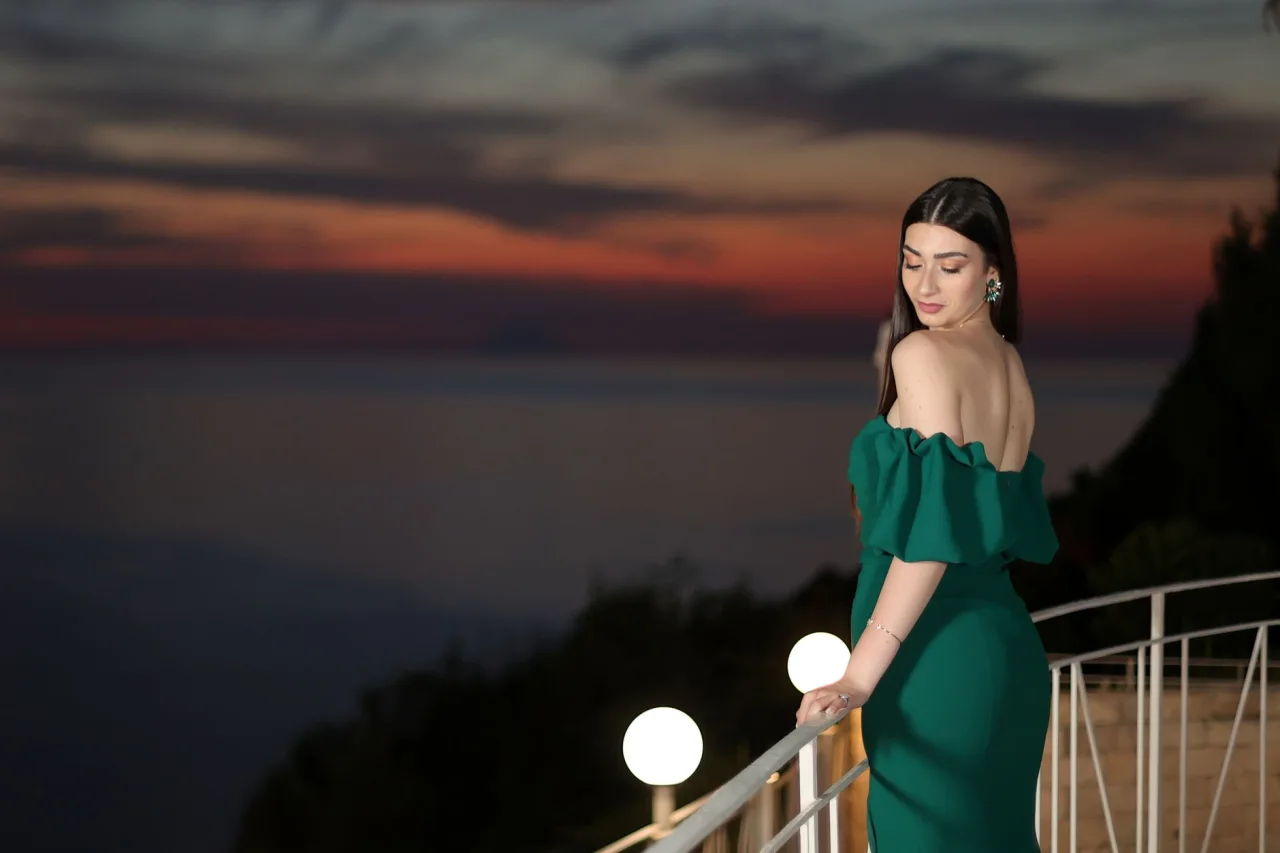
Because a maxi uses a lot of cloth, the fabric decides comfort, drape and how formal the dress reads. Match it to your climate and occasion:
- Cotton and cotton lawn: breathable and matte, the best choice for hot-weather daywear. Cotton is a soft, breathable natural fibre that is comfortable in warm climates, and you can read more in our guide to cotton lawn properties and care.
- Linen: cool and absorbent, comfortable in heat, though it wrinkles easily. The full profile is in our linen guide.
- Chiffon and georgette: sheer and fluid, ideal for evening and festive maxis, usually with a lining. Chiffon drapes well and frays easily, so it needs bound or French seams, which is worth checking on the inside of the garment.
- Jersey and knits: stretchy and forgiving, perfect for easy everyday maxis.
- Silk, satin and velvet: lustrous and formal, best kept for celebrations and cooler weather.
If you live somewhere hot, weigh breathability heavily. Linen is comfortable to wear in hot weather because it is strong, absorbent and dries faster than cotton, a point confirmed on the Wikipedia entry for linen. For a season-by-season shortlist, our best fabrics for Pakistani summers is a useful companion.
Buying tip
Hold the fabric up to the light in the shop. Cheap sheer fabrics can be see-through without a proper lining, which turns a promising maxi into something you can only wear with a slip.
Step three: stitched or unstitched
In many desi markets you can buy a maxi ready-to-wear or as unstitched fabric to have tailored. Each has trade-offs:
- Ready-to-wear: convenient and quick, but you are limited to standard sizing and may need small alterations.
- Unstitched: a tailor can fit it exactly to you and adjust the length and neckline, but it costs extra time and stitching charges.
If your proportions sit between standard sizes, unstitched fabric plus a trusted tailor almost always gives a better result.
Step four: match length to your shoes
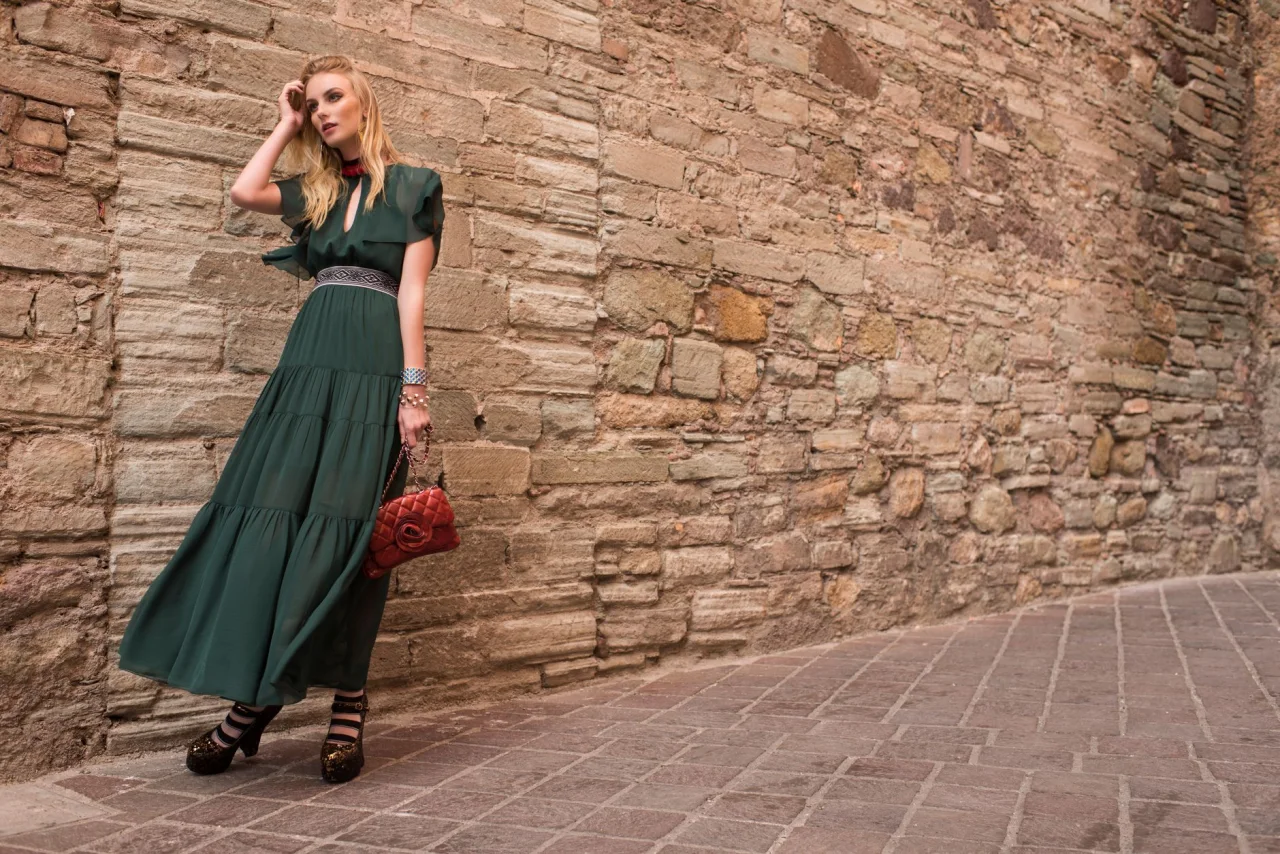
A maxi should clear the floor by a small margin in the shoes you will actually wear it with. Too long and it frays and trips you, too short and it loses the elegant column line. Try the dress on in your usual heel height, or note the measurement from shoulder to floor before ordering online.
Step five: set a realistic budget
Maxi prices vary widely depending on the fabric, the amount and type of embroidery, whether it is hand or machine work, and the retailer. Rather than quote figures that quickly go stale, think in brackets and confirm current pricing before you commit:
- Budget: plain cotton and jersey maxis from high-street and online fast-fashion labels.
- Mid-range: printed lawn, light embroidery and better tailoring from established retail brands.
- Premium: heavy hand embroidery, silk and designer or couture pieces.
The single biggest price driver is hand embroidery, which is labour intensive. A heavily worked festive maxi will cost several times more than a plain everyday one in the same fabric. Decide how many times you will realistically wear a piece before you move up a bracket.
A useful way to think about value is cost per wear. A plain, versatile maxi you wear thirty times a year is better value at almost any price than a heavily embellished one you wear twice, even if the second dress cost the same. Reserve your biggest spend for pieces you will genuinely re-wear, and keep occasion maxis to a budget that matches how rarely they leave the wardrobe. Buying a couple of hard-working everyday maxis and one considered festive piece usually beats a wardrobe full of expensive dresses that gather dust.
Buying online versus in store
Each channel has its own risks and rewards, and knowing them protects your money:
- In store: you can feel the fabric, check the lining against the light and try the exact length in your usual shoes. This is the safest way to buy anything sheer, embellished or expensive.
- Online: convenient and often cheaper, but you are trusting photographs. Always read the full measurements, check the return policy before ordering, and compare the shoulder-to-floor length against a dress you already own that fits.
If you buy online, order your usual size and one adjacent size when the returns are free, then send back whichever does not fit. Photographs flatten fabric and colour, so treat the listed measurements as the truth, not the image.
A simple pre-purchase checklist
Before you pay, run through five quick checks. They take a minute and save a lot of regret:
- Do the shoulders and bust fit without pulling? These are hardest to alter.
- Is the fabric right for the climate and occasion you bought it for?
- Held to the light, is it opaque, or does it need a slip you do not own?
- Does the hem clear the floor in the shoes you will actually wear?
- Is the embroidery neat on the reverse, with no loose threads?
If you can answer yes to all five, the maxi is worth buying. If two or more are no, keep looking, because a dress that fails the basics rarely gets worn.
Red flags to watch for
A few warning signs save you from a disappointing buy:
- Loose or trailing threads on the reverse of embroidery, a sign of rushed work.
- Puckered seams where the fabric bunches, which means poor stitching that will not hang well.
- See-through fabric with no lining, which limits when and how you can wear it.
- An unfinished or raw hem on delicate fabrics like chiffon, which frays quickly and needs a bound seam.
- Colour that rubs off on your fingers, a sign the dye was not properly fixed.
Once you have chosen well, our guide to styling a maxi dress for every occasion helps you get the most wear out of it, and the design ideas roundup is worth a look before you shop.
Frequently asked questions
How do I choose the right maxi dress for my body type?
Start with the cut. Petite frames suit a high or empire waist and a slimmer skirt, curvy frames suit wrap and A-line shapes that define the waist, and straighter frames benefit from ruffles, tiers or a belt. Check the shoulders and bust fit first, since those are the hardest areas to alter.
What is the best fabric for a maxi dress?
It depends on use. Cotton, cotton lawn and linen are best for hot-weather daywear because they are breathable. Chiffon and georgette suit evening and festive maxis, jersey is ideal for easy everyday wear, and silk or velvet are best for formal occasions and cooler weather.
Should I buy a stitched or unstitched maxi dress?
Ready-to-wear is convenient but limited to standard sizing, while unstitched fabric lets a tailor fit the dress exactly to your measurements and adjust the length and neckline. If your proportions fall between standard sizes, unstitched with a trusted tailor usually gives a better result.
How much does a good maxi dress cost?
Prices vary widely by fabric, the amount of hand work and the retailer, so confirm current pricing before buying. As a rough guide, plain cotton and jersey maxis sit in the budget bracket, printed lawn and lightly embroidered pieces in the mid-range, and heavy hand embroidery, silk and designer pieces in the premium bracket.
What are the warning signs of a poor-quality maxi dress?
Look out for loose or trailing threads on the reverse of embroidery, puckered seams, see-through fabric with no lining, an unfinished raw hem on delicate fabrics, and dye that rubs off on your fingers. Any of these signals rushed construction or poor materials.
More on Buying Guides
Have a question or a topic to suggest?
We read every message. Tell us what you would like to see next in the journal.
Get in touch