What Is Pakistani Party Wear?
The festive middle ground between everyday wear and bridal: silhouettes, fabrics, occasions and fit.
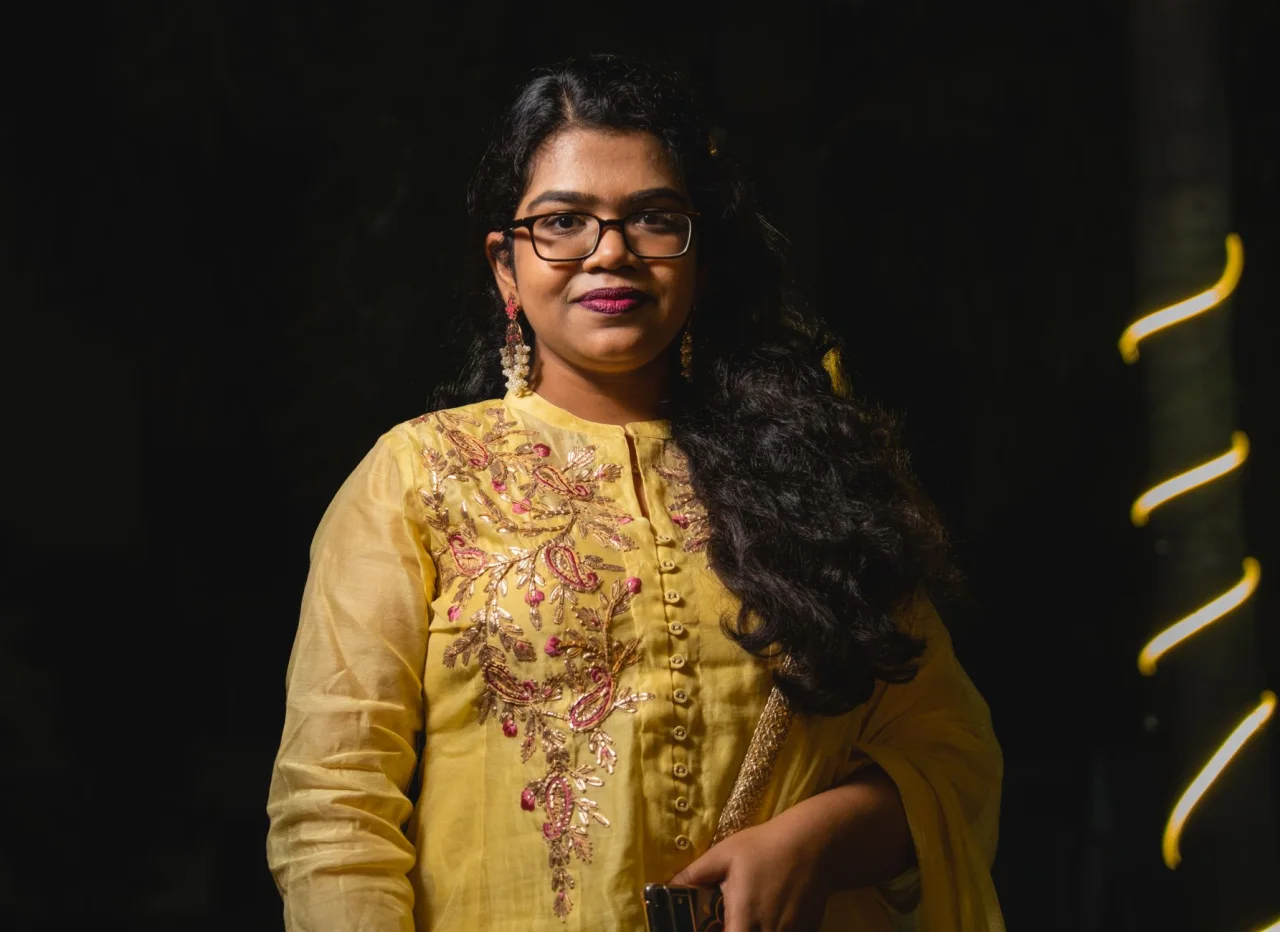
Pakistani party wear is the dressed-up end of everyday South Asian clothing: the outfits you reach for when there is a dinner, an engagement, an Eid gathering or a friend's celebration, and jeans simply will not do. It is not one fixed garment but a whole register of festive dressing built on the shalwar kameez family, layered with richer fabrics, hand embellishment and a more considered silhouette. This guide explains what the term really covers, the pieces it includes, who it suits and how to tell good party wear from ordinary daywear.
The short version
- Pakistani party wear means festive, semi-formal to formal outfits for parties, dinners and family functions, sitting between daily wear and full bridal.
- The core is still the shalwar kameez and its relatives (kameez with trousers, shararas, ghararas, gowns and long frocks), lifted with better fabric and embellishment.
- Signature fabrics are chiffon, organza, net, silk and richly embroidered lawn or cotton for lighter events.
- Fit, drape and the quality of the embroidery matter far more than how heavy or expensive an outfit looks.
What "Pakistani party wear" actually means
There is no single dress called a "party wear." The phrase is a shopping and styling category rather than a named garment. It describes any outfit dressy enough for a social event but stopping short of the very heavy, ceremonial pieces reserved for a bride or groom. Think of a spectrum: casual daywear at one end, bridal couture at the other, and party wear occupying the broad, glamorous middle.
Almost all of it grows out of the shalwar kameez, which is the national dress of Pakistan and the most widely worn clothing for men and women across the country. According to Wikipedia's overview of the shalwar kameez, formal versions of this everyday outfit evolved distinct features over time, including more elaborate cuts, decorative necklines and richer surface work. Party wear is essentially that formal evolution: the same building blocks, styled up for an occasion.
If you want the wider context of Pakistani dressing before you go deeper, our complete guide to Pakistani dresses maps the full landscape, and this article zooms into the festive slice of it.
The garments that make up party wear
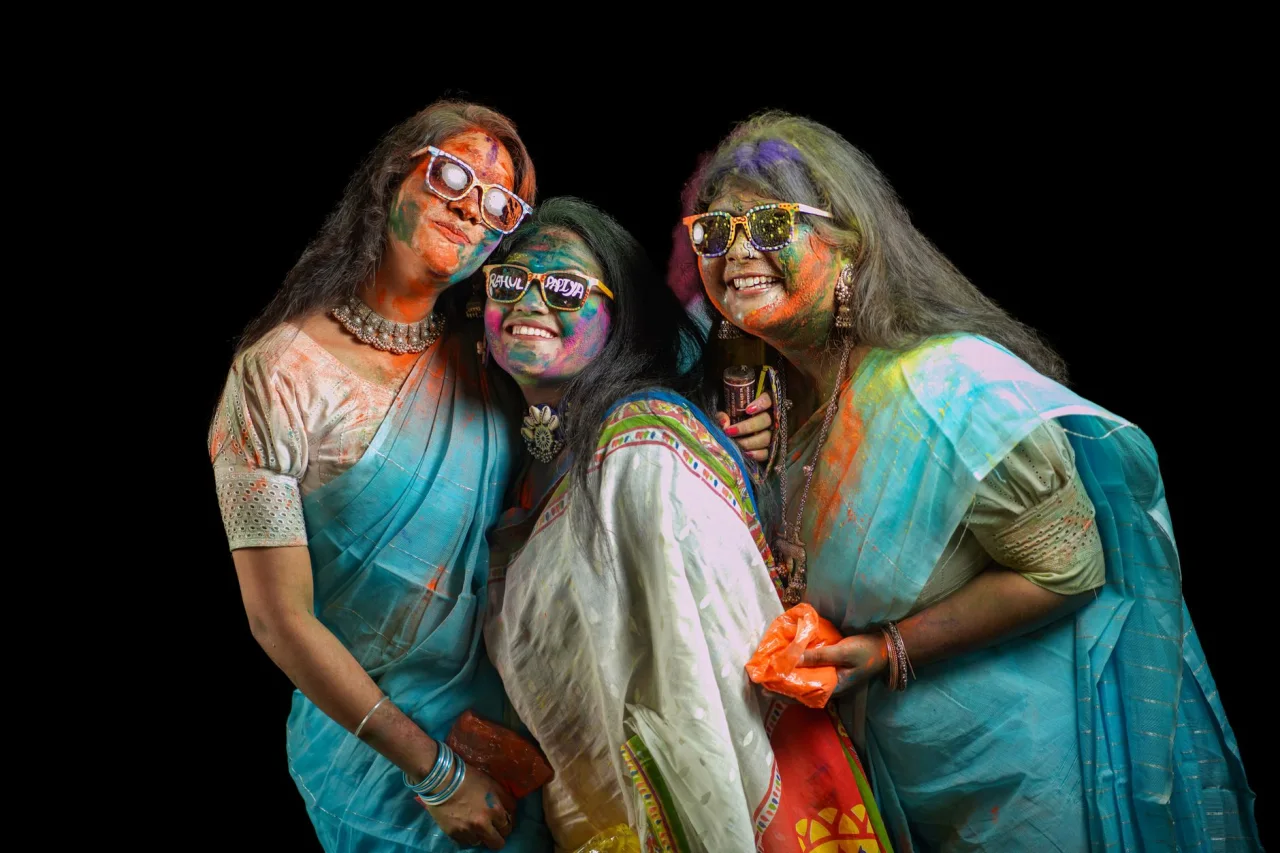
Party wear is a family of silhouettes rather than a uniform. The most common pieces you will see are:
- Embellished kameez with trousers: a decorated tunic worn over cigarette pants, straight pants or a shalwar. The everyday staple, dressed up.
- Anarkali and long frocks: a fitted bodice flaring into a full, floor-skimming skirt, elegant for dinners and semi-formal weddings.
- Sharara and gharara sets: a short or medium kameez over wide, flared trousers (sharara) or ruched-at-the-knee flares (gharara), both firmly festive.
- Peplum and short shirts: a cropped or waist-flared top paired with a slim trouser or a voluminous skirt.
- Gowns and fusion pieces: Western-influenced silhouettes cut in South Asian fabrics and embroidery for cocktail-style events.
Many of these overlap with pieces we cover in depth elsewhere, such as our guide on what a lawn suit is for the lighter, printed end of festive dressing.
Styling note
The dupatta does a lot of the heavy lifting in party wear. A plain outfit with a heavily worked, well-draped dupatta often reads as more elegant than a fully embroidered three-piece worn without care. Treat the dupatta as the centrepiece, not an afterthought.
The fabrics that define the look
Fabric is what separates a party outfit from a daytime one. Festive Pakistani dressing leans on textiles that catch light and hold a graceful drape:
- Chiffon: soft, flowing and slightly sheer, the classic choice for formal shalwar kameez and dupattas. See our chiffon fabric guide for how it behaves.
- Organza: crisp, lightweight and transparent, ideal for structured sleeves, ruffles and statement dupattas.
- Net: an open mesh that carries embroidery beautifully and adds volume without weight.
- Silk and raw silk: lustrous and substantial, used for cooler-weather and more formal pieces.
- Embellished lawn and cotton: for daytime parties, Eid lunches and warm-climate events where breathability matters.
Surface work then layers on top: zari and tilla metallic thread, dabka and gota, sequins, resham thread embroidery and mirror work. If you are curious how these are made and how to judge quality, our explainer on zari embroidery is a good starting point.
How party wear differs from daywear and bridal
Understanding the boundaries helps you shop and dress with confidence.
- Versus daywear: daily wear prioritises comfort and washability in cotton, lawn and khaddar with simple prints. Party wear adds richer fabric, embroidery, a sharper cut and a coordinated dupatta.
- Versus bridal: bridal wear is heavier, more ornate and usually built around a single defining outfit in traditional reds, maroons and golds, often with extensive hand embroidery. Party wear is lighter, more repeatable and comes in a far wider colour range.
A useful test: if you could comfortably wear it to three or four different events over a couple of seasons, it is party wear. If it is a once-in-a-lifetime showpiece, it has crossed into bridal or heavy occasion territory.
Choosing party wear for the occasion
Not every "party" asks for the same level of dressing. Match the outfit to the event:
- Casual dinners and get-togethers: a lightly embellished kameez with cigarette pants, or a printed silk shirt with a plain trouser.
- Eid and daytime festivities: embroidered lawn or cotton, breathable and bright. Our Eid outfit ideas cover this in detail.
- Engagements, mehndi and evening functions: shararas, ghararas, Anarkalis or gowns in chiffon, organza or net with heavier work.
- As a wedding guest: aim for festive but not bridal. Our wedding guest outfit guide explains where the line sits.
Who party wear suits and how to flatter your shape
The strength of this category is its range of silhouettes, which means there is a flattering option for every body type.
- Petite frames: shorter or peplum shirts with slim trousers keep proportions balanced; avoid overly long frocks that shorten the leg line.
- Tall frames: full-length Anarkalis and floor-length gowns are made for you and carry drama well.
- Curvier shapes: A-line and Anarkali cuts skim rather than cling; a well-placed vertical panel of embroidery elongates.
- Straighter shapes: shararas and ghararas add flattering volume at the hip and hem.
Buying tip
Party wear is where tailoring pays off. An unstitched three-piece run up by a good tailor to your exact measurements almost always sits better than an off-the-rack ready-to-wear piece. Budget for stitching time before the event, not the night before.
What party wear costs and how to shop it
Prices swing widely and depend on fabric, the amount and type of embroidery, whether the work is hand or machine done, and the label. As a broad, honest guide rather than a fixed price list: simple embellished lawn or cotton pieces sit at the affordable end, chiffon and net formals with moderate embroidery occupy the middle, and heavily hand-worked silk or designer formals reach the premium end. Machine embroidery keeps costs down; extensive hand embroidery such as dabka and zardozi pushes them up. Always confirm current pricing directly with the retailer, because fabric costs and collections change every season.
Pakistan has a large, well-developed formalwear industry, and established textile houses such as Gul Ahmed, a public textile company incorporated in 1953 according to its Wikipedia profile, produce both everyday and festive ranges. When you are ready to translate all of this into concrete looks, our roundup of Pakistani party wear designs for 2026 shows the silhouettes and details in action.
Frequently asked questions
What is considered Pakistani party wear?
Pakistani party wear is any festive, semi-formal to formal outfit worn for parties, dinners, Eid and family functions. It is usually built on the shalwar kameez family, including embellished kameez with trousers, Anarkalis, shararas, ghararas and gowns, made in richer fabrics like chiffon, organza, net and silk with embroidery. It sits between everyday daywear and heavy bridal wear.
What is the difference between party wear and bridal wear?
Bridal wear is the heaviest, most ornate outfit, usually one defining piece in traditional reds and golds with extensive hand embroidery, meant for the bride or groom. Party wear is lighter, comes in a much wider colour range, uses less dense embellishment and can be worn to several different events over a couple of seasons.
Which fabric is best for Pakistani party wear?
It depends on the event and season. Chiffon and net are classic for evening formals because they drape and carry embroidery well. Organza adds structure for sleeves and dupattas. Silk suits cooler weather and more formal occasions, while embellished lawn or cotton is best for daytime and warm-climate parties such as Eid lunches.
Can lawn be party wear?
Yes. Embroidered and embellished lawn is a popular choice for daytime and summer festivities, including Eid and casual gatherings, because it is breathable and comfortable in heat while still looking dressy. For evening formals, most people move to chiffon, net or silk, which have a more luxurious drape and sheen.
How do I choose party wear for my body type?
Match the silhouette to your frame. Petite frames suit shorter or peplum shirts with slim trousers, tall frames carry full-length Anarkalis and gowns well, curvier shapes are flattered by A-line and Anarkali cuts that skim the body, and straighter shapes gain shape from shararas and ghararas. Good tailoring to your measurements matters more than any single rule.
More on Clothing Types
Have a question or a topic to suggest?
We read every message. Tell us what you would like to see next in the journal.
Get in touch