Top Pakistani Fashion Trends
The flagship hub: silhouettes, lawn-led fabrics, colors and the shift to ready-to-wear defining the desi fashion year.
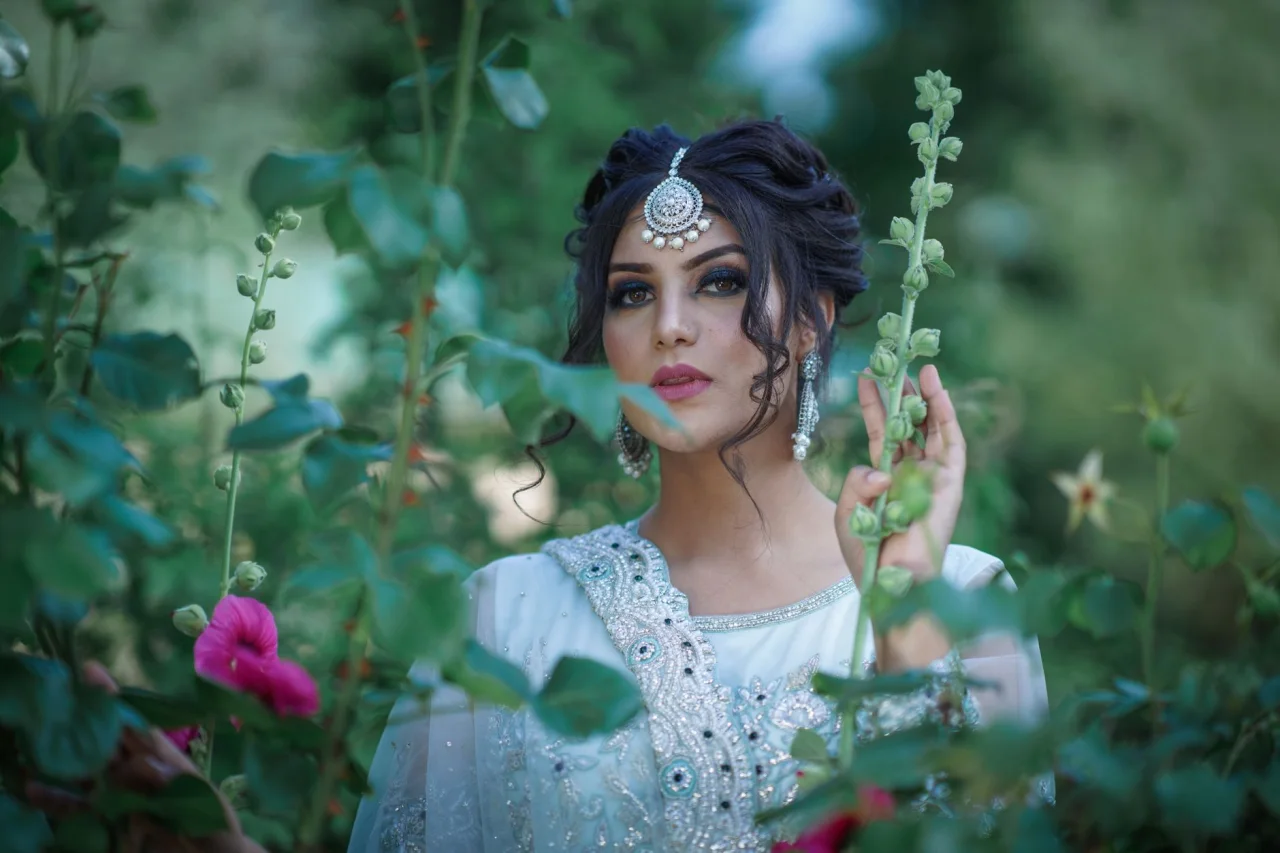
Pakistani fashion moves in a clear annual rhythm: lawn season in summer, festive and Eid drops, wedding formals in winter, and a steady undercurrent of pret and street style all year. This is the flagship trend hub for the year, an honest map of the silhouettes, fabrics, colors and shopping habits shaping desi wardrobes, with links to every deeper guide. Treat it as a filter for your own choices, not a leaderboard, because fit and confidence always outrank any trend.
The short version
- Relaxed silhouettes, co-ord sets and versatile separates dominate everyday and formal wear alike.
- Lawn remains the backbone of Pakistani summer fashion, a segment worth hundreds of millions to the textile industry.
- Ready-to-wear and luxury pret keep gaining ground over unstitched as lifestyles get busier.
- Softer palettes and quality-led buying are in; disposable, over-embellished, single-use pieces are out.
The Pakistani fashion calendar
To understand the year's trends, start with its structure. Summer belongs to lawn, a fine plain-weave fabric made from combed cotton that is lightweight, breathable and central to Pakistani wardrobes; lawn cotton alone has been valued in the hundreds of millions of dollars to the country's textile industry. Eid and festive seasons bring bolder, dressier drops, winter shifts toward heavier formals and wedding wear, and pret and street style run continuously underneath. The industry itself is well established, anchored by events like PFDC Fashion Week in Lahore and Fashion Pakistan Week in Karachi, following Pakistan's first fashion week in 2009.
Everything below hangs on that calendar. Use the seasonal links to go deeper wherever a trend is relevant to you right now.
Silhouettes and cuts trending this year
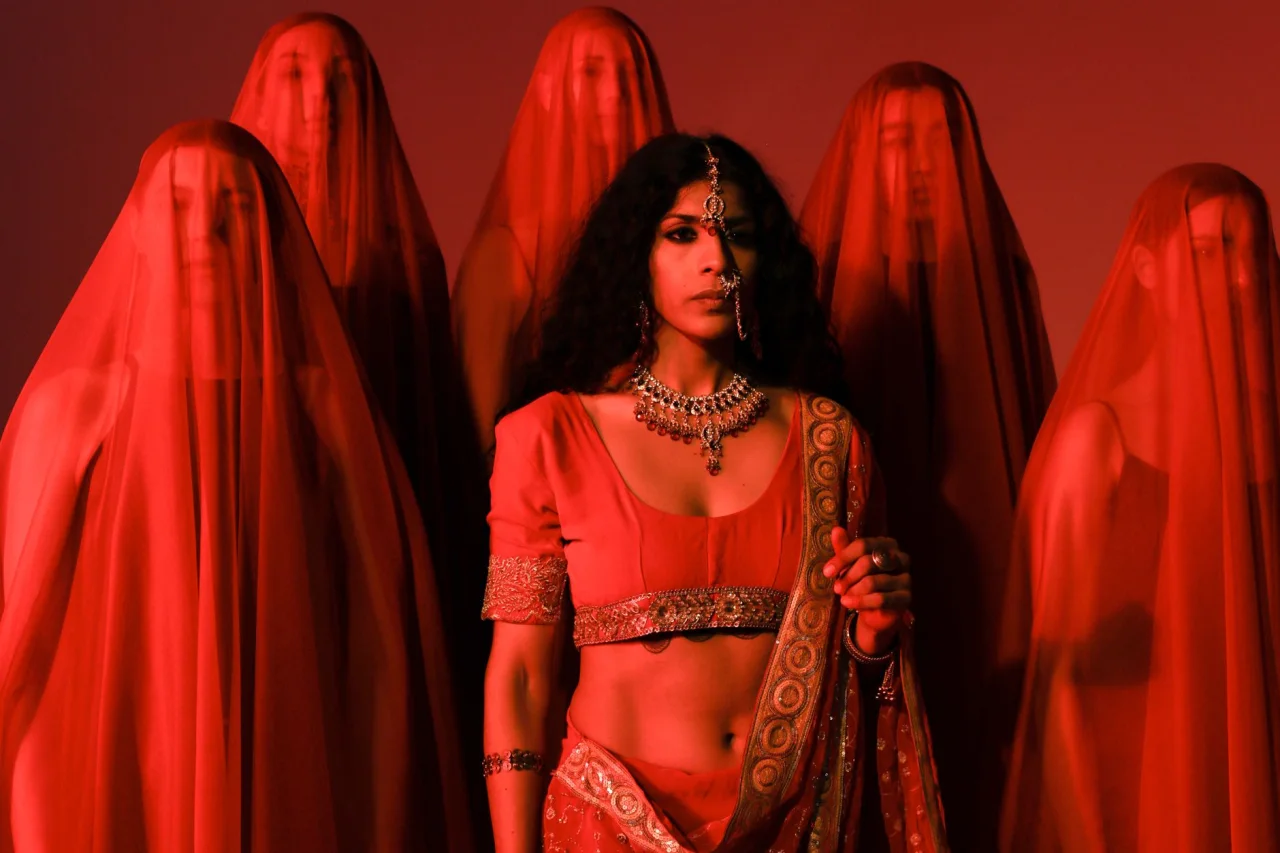
The dominant direction is relaxed, wearable and versatile. Structured, ultra-fitted tailoring is giving way to cuts you can move in.
- Straight and A-line kurtas that flatter a wide range of body types.
- Co-ord sets for effortless, coordinated dressing in a single purchase. See co-ord set designs trending in 2026.
- Restylable separates that mix across occasions rather than locking into one look.
- Revived heritage silhouettes like the sharara, gharara and farshi shalwar for festive and formal wear.
For the finer detail on cut, our style guides on monochrome outfits and styling a dupatta like an expert show how to make simple silhouettes look considered.
Fabrics defining the year
Lawn is the headline fabric of Pakistani summer for good reason: made from fine combed cotton, it is lightweight, breathable and comfortable in heat, ranging from soft to semi-crisp. It anchors the entire summer season. For hotter months more broadly, our guide to the best fabrics for Pakistani summers covers the full range. As the year turns, heavier fabrics like raw silk, velvet and jacquard take over for festive and wedding formals. To shop the summer season smartly, see the 2026 summer lawn collection picks.
Colors and prints for the year
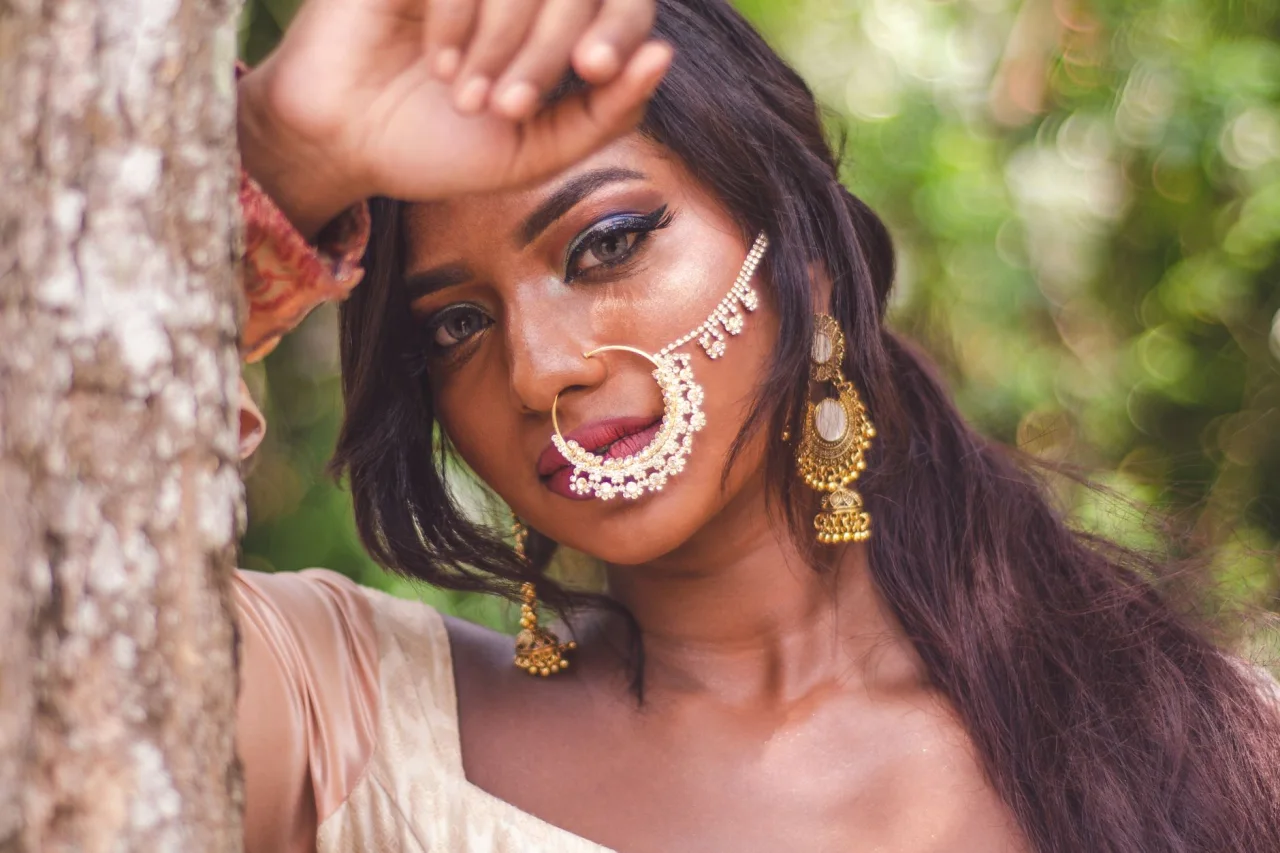
Palettes are softening. Earthy neutrals, dusty pastels and tonal dressing are rising for everyday and daytime wear, while jewel tones hold strong for evening and formal occasions. On prints, the mood is restraint: one considered print grounded by solids, rather than head-to-toe maximalism. Our complete color combinations guide breaks down pairings that reliably work across desi silhouettes.
Seasonality shapes the palette as much as trend does. Summer lawn leans into fresh, light grounds with airy florals and clean geometry, while festive and Eid drops turn richer and more saturated. Winter formals lean into deeper, warmer tones that suit heavier fabrics like velvet and raw silk. The practical lesson is to buy color for the season you will actually wear it in, and to anchor bolder pieces with neutrals you already own so nothing sits unworn. A wardrobe built on a neutral base with a few considered accent pieces stretches further and dates more slowly than one chasing every seasonal shade.
Styling note
If you buy one thing on-trend this year, make it a versatile neutral piece in good fabric. It will carry more outfits, photograph better and outlast louder, cheaper statement pieces by seasons.
How you shop is changing
The biggest shift is not a silhouette, it is buying behaviour. Ready-to-wear and luxury pret keep gaining ground over unstitched fabric as shoppers prioritise convenience and consistent sizing. Ready-to-wear means finished garments in standard sizes, bought off the rack, while luxury pret is its designer-level top tier. If you are choosing between models, read ready to wear versus unstitched and what luxury pret really means. To compare where your money goes across labels, our ranked overview of the best Pakistani clothing brands in 2026 is the place to start.
Pakistan's textile heritage runs deep. Established houses such as Gul Ahmed, incorporated in 1953 and based in Karachi, and Khaadi, founded in 1998 as a handwoven clothing brand before expanding into ready-to-wear, sit alongside a wave of newer designer labels driving the pret and formal segments.
The trend clusters worth following
This hub connects to a family of focused trend reports. Dive into whichever matches your wardrobe:
- Pakistani fashion trends in 2026: what is in and out
- Street style in 2026 for everyday, casual dressing.
- Wedding trends in 2026 for bridal and guest looks.
- Luxury pret in 2026 for high-end ready-to-wear.
- Modest fashion in 2026, a movement where Pakistani style leads.
Occasion dressing through the year
Because the calendar is occasion-driven, the smartest way to plan a wardrobe is by event. For festive and Eid, lean into dressier fabrics and richer color. For weddings, build around one hero outfit and restyle for smaller functions. For daily and office wear, prioritise breathable, mixable separates. Our guides to the 2026 Eid collection, the wedding collection and office wear ideas map each occasion in detail.
What is in and what is out this year, at a glance
Across every category, the same underlying shift shows up: quality, versatility and comfort are rising, while volume, disposability and over-embellishment are fading. Here is the year distilled:
- In: relaxed straight and A-line silhouettes, co-ord sets, restylable separates, softer and tonal palettes, fabric-led luxury, inclusive sizing, and revived heritage cuts like sharara, gharara and farshi shalwar.
- Out: stiff over-tailoring, head-to-toe busy prints, weight-as-value embellishment, single-use showpieces and disposable fast-trend buys.
None of this makes a beloved outfit wrong. Trends describe where the centre of gravity is moving, not what you must wear. The most stylish wardrobes borrow selectively from the "in" column while keeping the pieces that genuinely suit the wearer. Read the year as a set of directions to sample from, not a checklist to complete, and you will spend less, wear more of what you own, and look consistently like yourself rather than like a moving trend board.
Modest and fusion directions
Two currents run strongly through the year and deserve their own note. Modest fashion continues to grow, and Pakistani style sits at the front of that movement, with layered silhouettes, fuller coverage and dupatta styling that feel contemporary rather than compromised; our feature on how Pakistani style leads the modest movement goes deeper. Alongside it, fusion dressing keeps blending desi and Western elements, a kurta with tailored trousers, a lehenga skirt with a modern blouse, or ethnic embroidery on contemporary cuts. Explore where each is heading in our reports on modest fashion in 2026 and fusion fashion in 2026.
How to use this hub
Trend reports work best as a filter, not a shopping list. Use the "in" signals to discover fresh options and the "out" signals to avoid overspending on fading looks, then choose what genuinely suits your body, climate, budget and calendar. Prices across every category vary widely by fabric, handwork, brand and retailer, so always confirm current pricing directly before buying. Bookmark this hub and revisit it each season, and follow the cluster links above whenever a specific trend becomes relevant to your wardrobe.
Frequently asked questions
What are the top Pakistani fashion trends this year?
Relaxed silhouettes and co-ord sets, lawn-led summer dressing, revived heritage cuts like sharara and gharara, softer color palettes and a continued shift toward ready-to-wear and luxury pret are the strongest directions this year.
Why is lawn so important in Pakistani fashion?
Lawn is a fine combed-cotton fabric that is lightweight, breathable and comfortable in heat, making it ideal for Pakistan's hot summers. It is central to the summer season and worth hundreds of millions of dollars to the country's textile industry.
Is ready-to-wear replacing unstitched fabric?
Ready-to-wear and luxury pret keep gaining ground as shoppers prioritise convenience and consistent sizing, but unstitched fabric remains popular for those who want a custom tailored fit. Both models coexist, and the right choice depends on your priorities.
What colors are trending in Pakistani fashion this year?
Earthy neutrals, dusty pastels and tonal dressing are rising for everyday and daytime wear, while jewel tones stay strong for evening and formal occasions. On prints, one considered print grounded by solids is favoured over head-to-toe maximalism.
How should I use a trend report like this?
Treat it as a filter, not a rulebook. Use the trending signals to spot fresh options and avoid fading looks, then choose what suits your body, climate, budget and calendar. Always confirm current pricing directly with brands, as prices vary widely.
More on Fashion Trends
Have a question or a topic to suggest?
We read every message. Tell us what you would like to see next in the journal.
Get in touch