Luxury Pret 2026: In and Out
Refined minimalism and fabric-led value rise while over-embellished, single-use showpieces fade in designer pret.
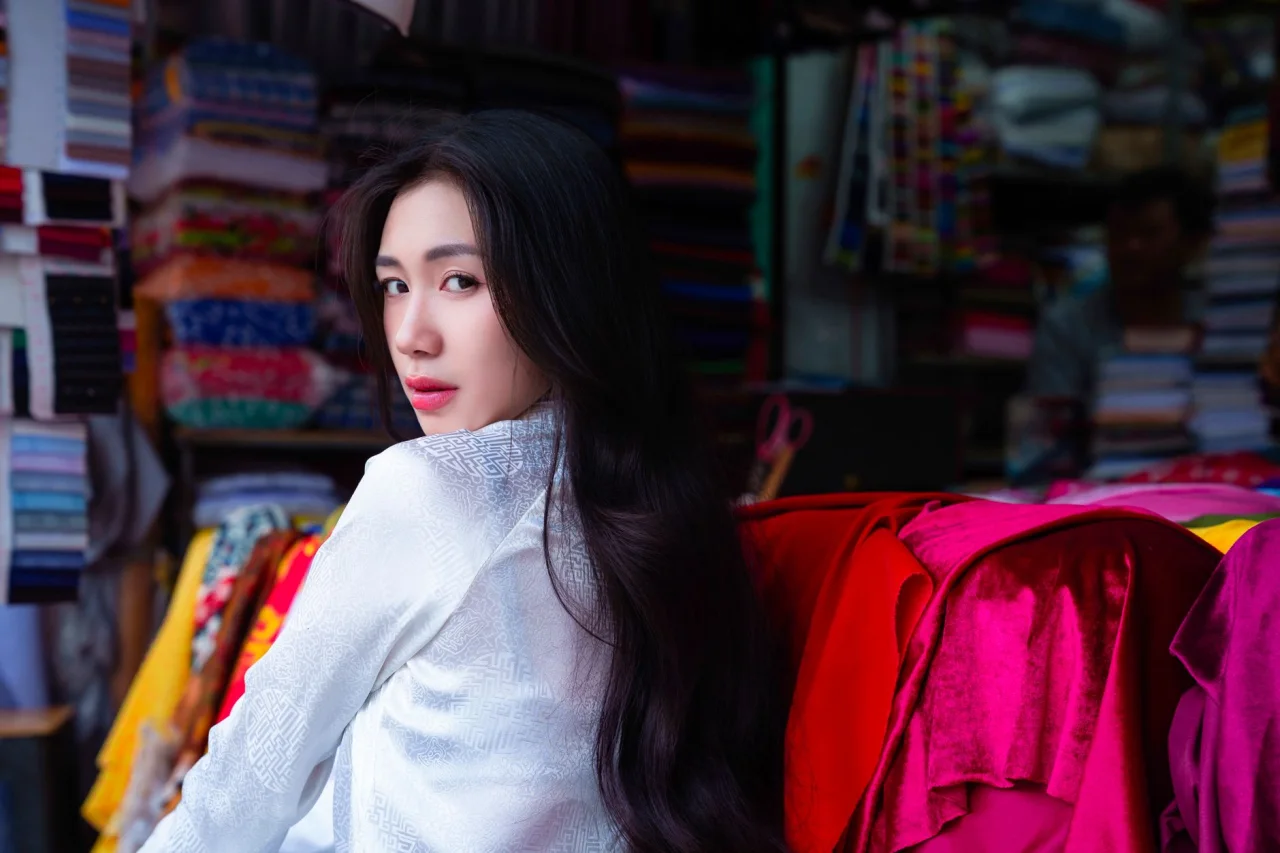
Luxury pret is where designer thinking meets a hanger: high-end, ready-to-wear pieces you can buy finished, in standard sizes, without a single fitting. In 2026 this segment is growing fast in desi fashion, and the mood is shifting toward wearable luxury, cleaner design and pieces that justify their price through fabric and finishing rather than sheer weight of embellishment. Here is an honest read on what is rising, what is fading, and how to spend wisely.
The short version
- Luxury pret is finished, ready-to-wear designer clothing in standard sizes, distinct from bespoke couture.
- In for 2026: refined minimalism, superior fabric, and versatile pieces you can re-wear across occasions.
- Out: over-embellished, single-use showpieces priced purely on how heavy they are.
- Prices vary widely by fabric, work and brand: always confirm current pricing before you buy.
What luxury pret actually is
Pret is short for prêt-à-porter, the French term for ready-to-wear: garments sold finished, in standardized sizes, rather than custom-tailored for one person. Luxury pret sits at the top of that category, offering designer-level fabric, cut and finishing off the rack. It differs from haute couture, which is individually made for a specific client, and from bespoke or made-to-measure, which is sewn to your exact measurements. If you want the underlying distinction in depth, our explainer on what pret wear is and what luxury pret really means breaks it down.
The appeal is simple: you get much of the polish of a designer piece with the convenience of buying it ready to wear. The trends below reflect a segment maturing toward genuine wearability.
What is in for luxury pret in 2026
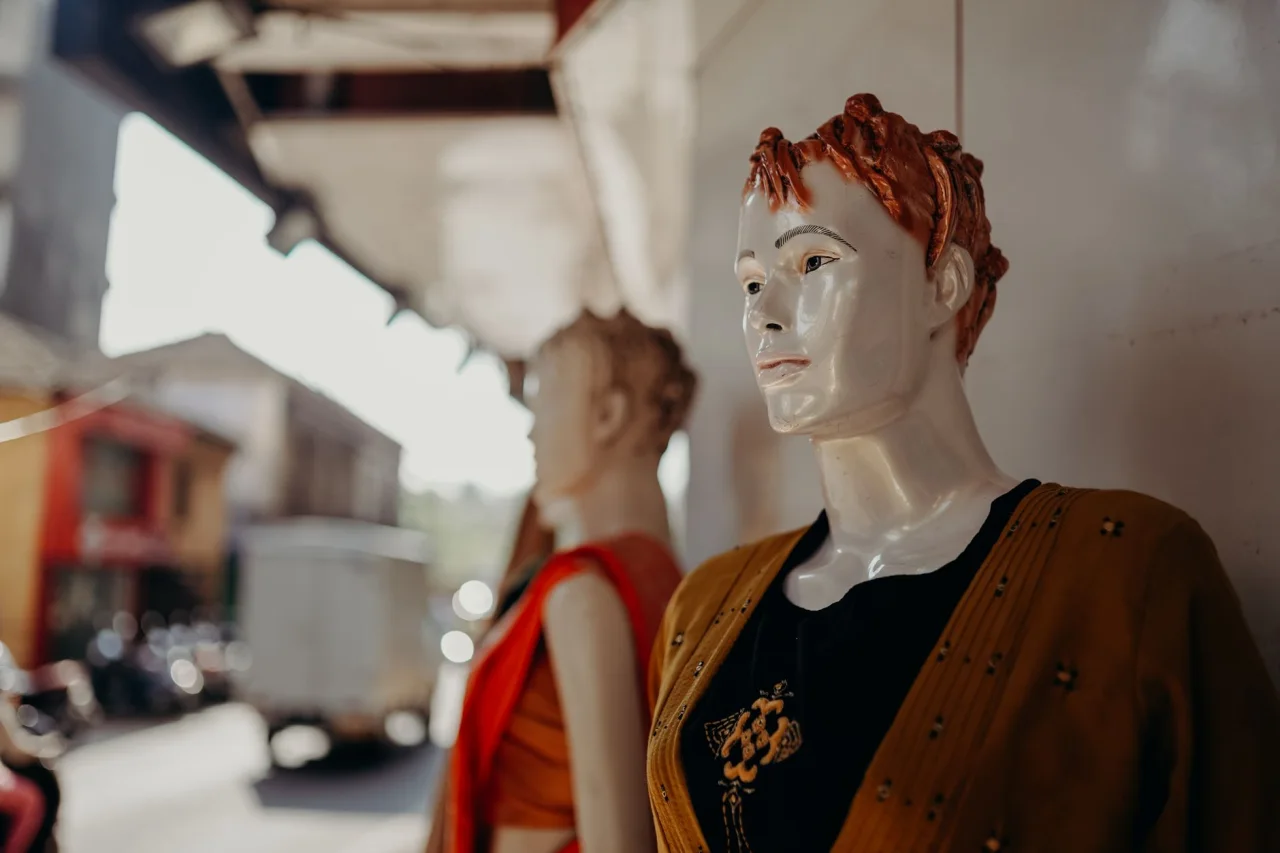
The strongest direction is restraint with quality. Shoppers paying a premium increasingly want that money in the fabric, the cut and the finishing, not just in more crystals.
- Refined minimalism: Clean silhouettes, thoughtful embroidery placement and quiet luxury over maximalist sparkle.
- Fabric-led value: Premium silk, organza, raw silk and fine lawn where the material itself is the statement.
- Versatile, re-wearable formals: Pieces designed to work across multiple occasions rather than a single event.
- Considered handwork: Well-executed traditional techniques like tilla and zardozi, used with intention rather than sprayed everywhere.
- Co-ord and separates thinking: Luxury pieces that mix back into the rest of your wardrobe, echoing the wider co-ord set trend.
What is on its way out
No well-loved outfit is ever "wrong," but a few luxury-pret habits are fading in 2026.
- Weight-as-value pricing: The idea that heavier and more embellished automatically means better is losing ground.
- Single-use showpieces: Expensive pieces you can realistically wear only once are harder to justify.
- Logo-heavy, trend-chasing design: Pieces that shout rather than last are cooling off.
- Poor finishing hidden behind embellishment: Buyers are scrutinising seams, linings and fit, not just surface sparkle.
Buying note
At the luxury level, judge the piece by the parts people rarely photograph: the inside seams, the lining, the weight and drape of the fabric, and how the embroidery is anchored. Good finishing is where luxury pret earns its price.
Luxury pret versus ready-to-wear and unstitched
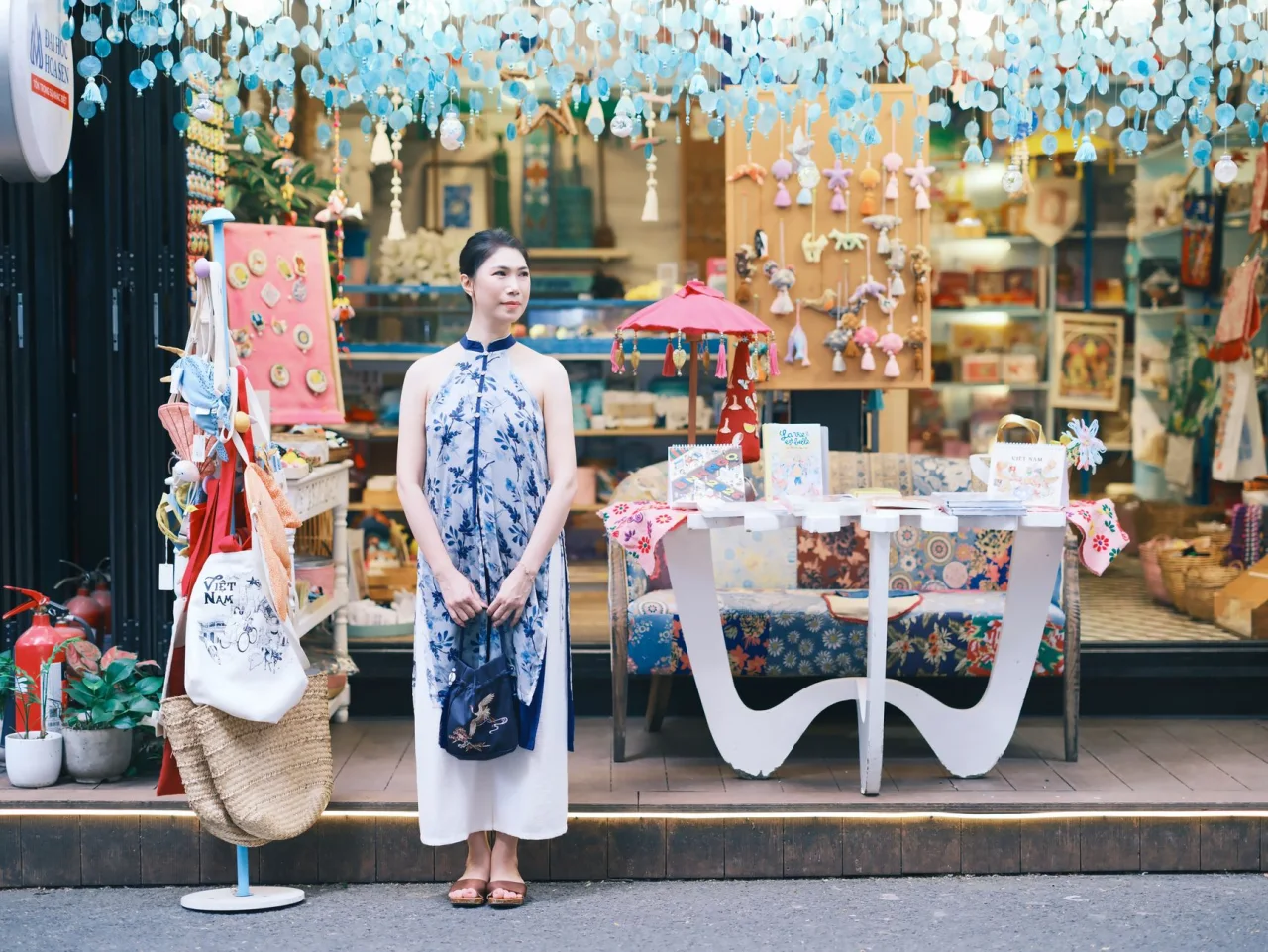
Luxury pret is a premium slice of the broader ready-to-wear market, so it helps to know where it sits. Standard ready-to-wear covers everyday finished clothing at high-street prices, while unstitched fabric lets you tailor your own fit. Luxury pret trades some of that customisation for designer-level material and finishing, delivered ready to wear. Our comparisons of luxury pret versus ready-to-wear and ready to wear versus unstitched lay out the trade-offs so you can decide what fits your body, budget and schedule.
Where the Pakistani market sits
Pakistan has a deep, established textile and fashion base, formalised further since the country held its first fashion week in November 2009, spanning large heritage houses and newer designer labels. Luxury pret has become a natural growth area as buyers seek designer polish without the wait of custom tailoring. Many well-known names now run dedicated pret lines alongside their unstitched and couture ranges. To compare where the money goes, see our ranked overview of the best Pakistani clothing brands in 2026 and our breakdown of luxury lawn brands compared.
What luxury pret realistically costs
Luxury pret spans a wide price band, and figures move constantly with fabric, the volume and type of handwork, the brand and the retailer. As a general shape, luxury pret sits well above standard ready-to-wear but below full bespoke couture. Embellishment-heavy formal pieces reach the upper end, while cleaner, fabric-led designs offer better long-term value per wear. Because material and labour costs shift, treat any figure as a moving target and confirm current pricing directly with the brand before buying.
It also helps to understand what you are paying for beyond the label. A meaningful share of a luxury pret price reflects the cost of premium fabric, the hours of skilled handwork, and the finishing that keeps a garment looking sharp after repeated wear. That is very different from paying purely for a name or for weight of embellishment. When you compare two pieces at a similar price, the better value is almost always the one with superior fabric and cleaner construction, even if it looks quieter on the hanger. Sales and end-of-season drops can improve value, but never let a discount talk you into a piece you would not choose at full assessment of its quality.
Value tip
Cost per wear is the honest metric at this level. A versatile luxury piece you wear ten times is better value than a heavier showpiece you wear once, even if the showpiece looks more impressive on the hanger.
What separates good luxury pret from expensive pret
Price alone tells you little at this level, because a high number can hide poor construction just as easily as it can reflect real craft. The pieces that justify their cost tend to share a few concrete qualities:
- Fabric you can feel: Genuine silk, fine organza, quality raw silk and premium lawn have a weight, drape and hand that synthetics cannot fake. This is where much of the value lives.
- Finishing you can inspect: Clean, even seams, a proper lining, neat hems and securely anchored embroidery are the marks of real craft. Turn the garment inside out before you buy.
- Embroidery with intent: Well-placed handwork that frames the silhouette beats dense, all-over embellishment that adds weight without elegance.
- Cut that flatters: A considered pattern and proportion do more for how a piece looks than any amount of surface sparkle.
Traditional techniques like zardozi, tilla and gota remain highly prized when executed well, but the technique matters less than the quality of the execution. A simple, beautifully finished piece in superb fabric is luxury; a heavily worked piece with careless seams is not.
Who luxury pret is really for
Luxury pret makes the most sense for shoppers who want designer polish without the wait and uncertainty of custom tailoring, and who value fabric and finishing enough to pay for them. It suits busy calendars, standard-to-typical sizing and occasions where you want to look considered without a fitting appointment. If you have an unusual fit, a very tight budget, or you specifically want a one-of-a-kind piece, unstitched fabric with a trusted tailor or full couture may serve you better. There is no single right answer, only the model that matches your body, your schedule and how you actually shop.
How to shop luxury pret without regret
Before committing to a premium piece, run it through three filters: fabric quality you can feel, finishing you can inspect, and versatility you can actually use. Buy for your real calendar, not an imagined one. And remember that luxury is not the same as heavy: some of the most expensive-looking 2026 pieces are the simplest, letting fabric and cut do the work. For the wider seasonal context, our roundup of Pakistani fashion trends in 2026 shows how luxury pret fits the year.
Frequently asked questions
What is luxury pret?
Luxury pret is high-end, ready-to-wear designer clothing sold finished in standard sizes. Prêt-à-porter means ready-to-wear, so luxury pret offers designer-level fabric, cut and finishing off the rack, without custom tailoring.
How is luxury pret different from couture?
Haute couture is individually made for a specific client, and bespoke is sewn to your exact measurements. Luxury pret trades that customisation for designer-quality material and finishing delivered ready to wear in standard sizes, usually at a lower price than couture.
What luxury pret trends are in for 2026?
Refined minimalism, fabric-led value using premium silk and organza, versatile re-wearable formals and considered traditional handwork are all rising. The theme is quality and wearability over sheer weight of embellishment.
What is going out in luxury pret?
Weight-as-value pricing, single-use showpieces, logo-heavy trend-chasing design and poor finishing hidden behind surface embellishment are all cooling off as buyers scrutinise construction and versatility more closely.
How much does luxury pret cost?
Prices vary widely by fabric, amount and type of handwork, brand and retailer, sitting above standard ready-to-wear but below full couture. Because costs shift constantly, always confirm current pricing directly with the brand rather than relying on fixed figures.
More on Fashion Trends
Have a question or a topic to suggest?
We read every message. Tell us what you would like to see next in the journal.
Get in touch