Net Lehenga: Styles, Care and Picks
Volume and flare without the weight: net lehenga styles, linings, embellishment, care and buying tips.
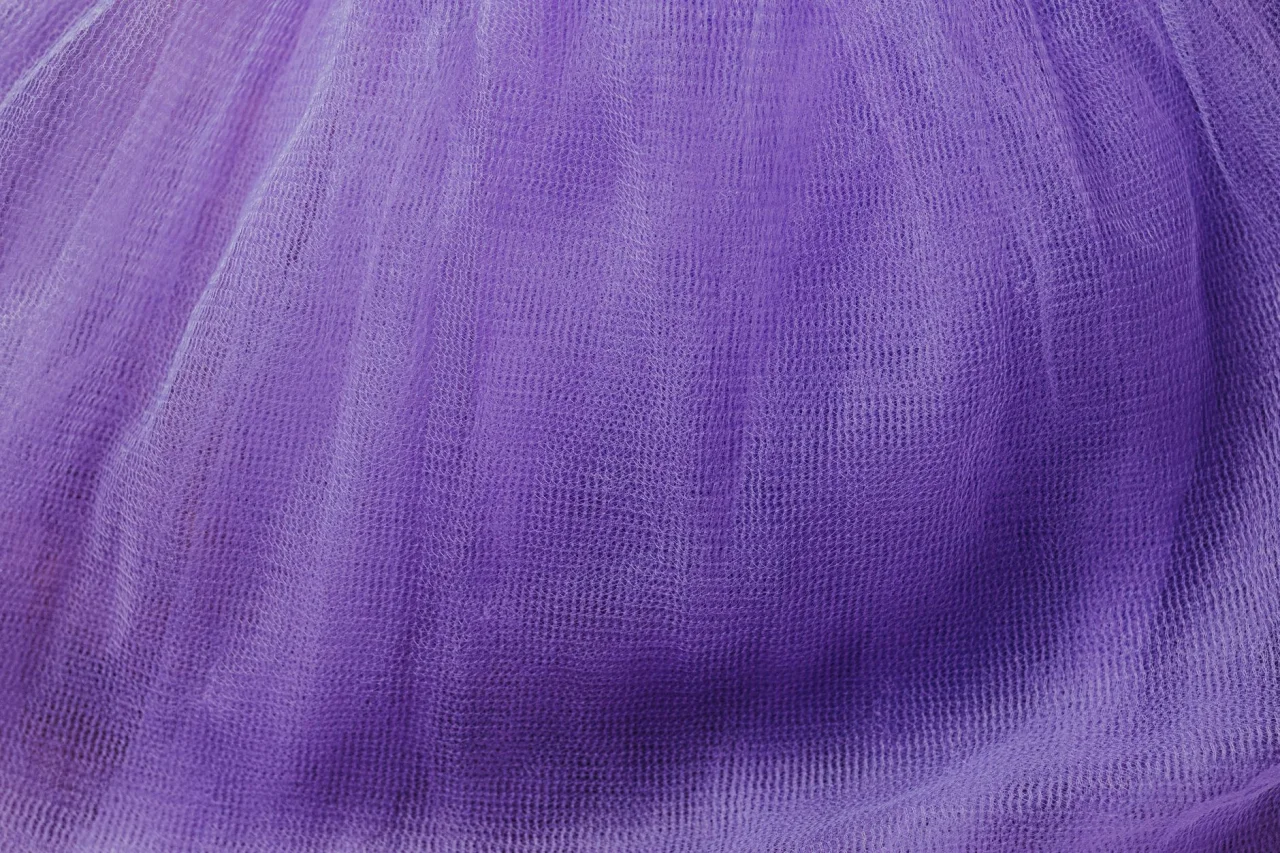
A net lehenga is a bridal and party favourite for a simple reason: net gives you volume and drama without weight. Its open, mesh-like structure floats and flares, holds heavy embellishment on a light base, and layers over linings to control both shape and modesty. This guide covers the styles that suit net, how to care for a delicate mesh skirt, and how to buy one that lasts.
The short version
- Net is a light, open, mesh fabric, so a net lehenga gives fullness and flare without the heaviness of solid cloth.
- The lining underneath does the real work: it sets the colour, modesty, and comfort of a sheer net skirt.
- Net is a superb base for heavy surface work, sequins, dabka, and applique that would drag a solid fabric.
- It snags and tears easily and does not like heat, so it needs gentle handling, careful storage, and usually dry-cleaning. Confirm pricing with the retailer.
Why net works so well for a lehenga
Net, also called tulle in its finer form, is a form of netting made from small-gauge thread knotted or woven into a regular pattern of small openings. It can be made from silk, nylon, polyester, or rayon, with polyester the most common today, and it is often lightly starched for extra body. That open structure is exactly what a lehenga wants: a full, floating skirt that moves on a dance floor without the crushing weight of a solid fabric cut to the same volume. For the fibre and structure in full, see our explainer on what net fabric is, its properties and care.
Because net is sheer, it is nearly always worn over a lining, and because it is light, it can carry dense embellishment that would sag on a heavier base. The catch is fragility: the open weave snags on jewellery and can tear, so a net lehenga is a garment to handle with care.
Popular net lehenga styles
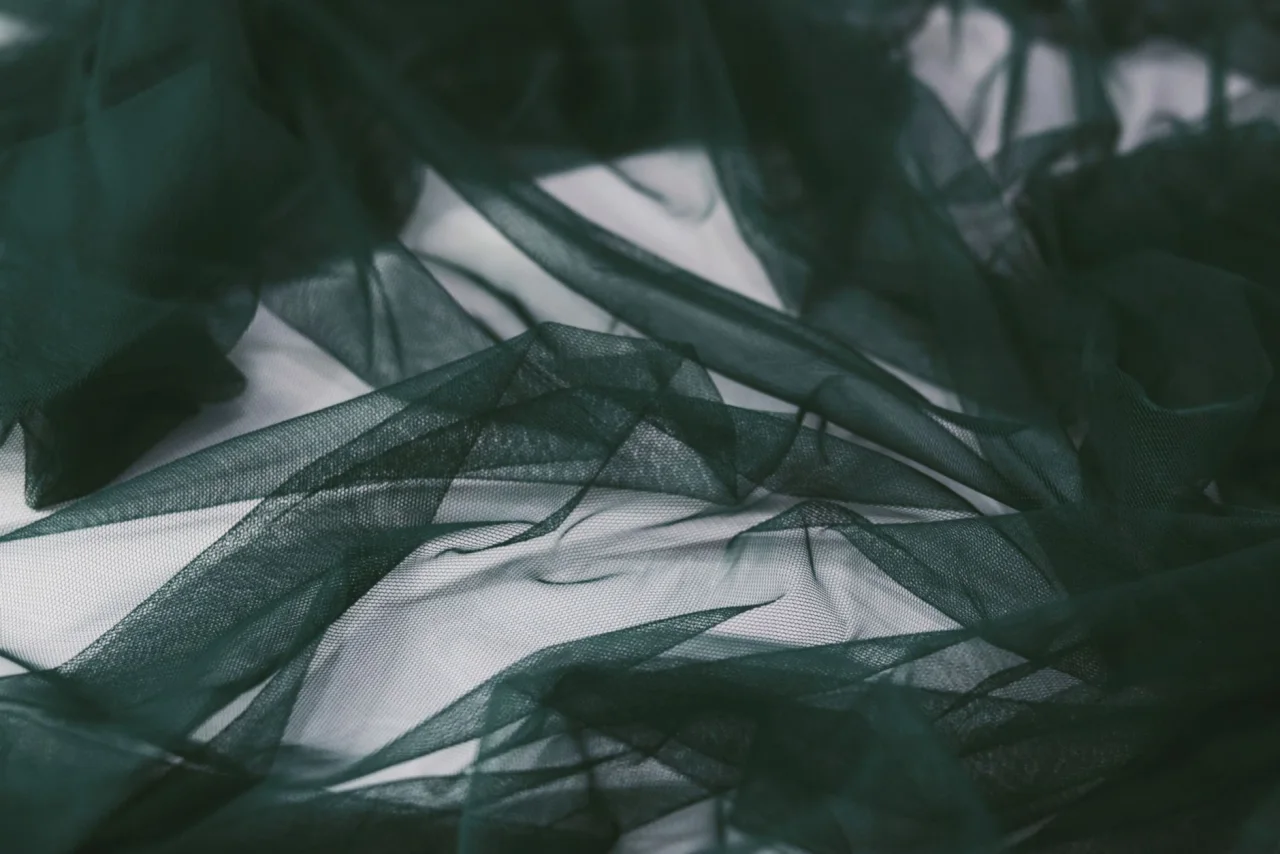
Net suits both airy, romantic looks and heavily worked bridal pieces.
- Flared or circular net lehenga. Layers of net create a full, floating skirt with dramatic flare, ideal for twirling and photographs.
- Embroidered net. Thread work, sequins, and applique across the skirt and blouse, from light scatter to dense bridal work.
- Dabka and zardozi net. Heavy metallic and coiled-wire work concentrated on borders and motifs for formal and bridal wear.
- Ruffled and tiered net. Horizontal frills that use net's lightness to add movement without bulk.
- Pastel and ombre net. Soft gradients and light tones that lean romantic and modern, popular for engagements and mehndi.
- Fishtail and mermaid net. A fitted upper skirt that flares into net panels at the knee, using the fabric's lightness to hold a dramatic hem.
It helps to know that fine net is closely related to tulle, the delicate, small-hole netting long used in veils, ballet tutus, and wedding gowns in the West. That same quality, a lot of airy volume for very little weight, is why layers of net can build a full lehenga skirt that still moves freely. The finer the gauge of the thread and the neater the mesh, the more expensive and refined the net tends to feel, which is worth noticing when you compare two skirts that look similar on the hanger.
For a wider look at cuts and silhouettes, see our roundup of lehenga design ideas.
Styling note
The lining is not an afterthought, it is half the outfit. A contrast lining under a sheer net skirt gives a soft two-tone glow, while a matching or nude lining keeps the focus on the embroidery. Always try a net lehenga on over its intended lining and under bright light, since sheer fabrics look very different in a dim changing room.
Embellishments that work on net
Net is a favourite base for heavy work precisely because it is so light, so the embellishment does not fight the fabric's own weight.
- Sequins and mirror work, which catch light against the open ground.
- Dabka, zardozi, and tilla, raised metallic work that reads richly on a formal net skirt.
- Applique and cutwork, where motifs are stitched onto the net for a layered, dimensional effect.
- Gota and zari borders, which frame the hem and give a net skirt a finished, festive edge.
Gota patti work in particular is a traditional favourite for festival and wedding lehengas. To name what you are looking at, our overview of different types of embroidery in Pakistani fashion is a useful reference.
Matching a net lehenga to the occasion
Net is a celebration fabric, at its best where there is good lighting and room to move.
- Weddings and receptions. Heavily worked net lehengas are a bridal and close-family staple, giving grandeur without unbearable weight.
- Mehndi and mayun. Bright, ruffled, or ombre net lehengas add colour and movement to festive functions.
- Engagements and formal dinners. Pastel and lightly embroidered net strikes an elegant, modern note.
- Hot outdoor daytime events. Be cautious, since layered net over lining can feel warm, so favour lighter work and breathable linings in the heat.
For draping the dupatta and putting the whole look together, see our guide on how to style a lehenga for every occasion, and to get the fit and budget right, how to choose the perfect lehenga.
Caring for a net lehenga
A net lehenga is delicate, and its embellishment makes gentle care essential.
- Dry-clean worked pieces. Embroidered, sequinned, and dabka net lehengas should almost always be professionally cleaned; water and agitation can damage both the mesh and the work.
- Press with steam or low heat, using a cloth barrier. High heat can melt synthetic net and flatten its body.
- Store it hung on a padded hanger, ideally in a breathable garment bag, so the skirt keeps its volume and the mesh does not crush.
- Guard against snags, keeping the skirt away from rough jewellery, Velcro, and sharp edges, since a single pull can run or tear the net.
Because a bridal net lehenga is heavy with work and precious, our guide to storing a bridal lehenga without ruining it is worth reading before you pack one away.
Buying tip
Check the lining, the embellishment, and the finishing, not just the net. A well-made net lehenga has a comfortable, opaque lining, securely stitched work that does not shed, and clean, bound seams and hems. The amount and type of embroidery is the biggest price driver, so treat any figures you see as ranges that vary by work, lining, and retailer, and confirm current pricing before buying.
Net lehenga compared with other options
If you like volume, net and organza are the two crisp, airy choices, but they differ: net is an open mesh that floats and layers, while organza is a smooth, sheer weave that stands stiffly. For a soft, flowing skirt you would look instead to georgette or chiffon silk. Our comparison of net fabric vs organza lays out the trade-offs, and our guide to net fabric outfits covers the fabric beyond lehengas.
Common net lehenga mistakes to avoid
- Ignoring the lining, which sets the comfort, modesty, and colour of the whole skirt.
- Machine washing it, which can shred the mesh and dislodge embellishment.
- Folding it away crushed, which flattens the volume net is chosen for.
- Ironing it hot, which melts or scorches synthetic net.
- Wearing sharp, unfiled jewellery or bangles, which snag and tear the open weave.
Frequently asked questions
Is a net lehenga good for a bride?
Yes, net is one of the most popular bridal lehenga fabrics because it carries heavy embroidery, sequins, and dabka work on a light base, giving grandeur and flare without crushing weight. A good bridal net lehenga pairs dense work with a comfortable lining and secure, clean finishing.
Why is a net lehenga worn over a lining?
Net is a sheer, open mesh, so it needs an opaque lining underneath for modesty and comfort. The lining also sets the colour effect of the skirt, whether that is a soft contrast glow or a matching tone that lets the embroidery take centre stage, which is why it should be chosen as carefully as the net itself.
Can a net lehenga be washed at home?
An embellished net lehenga should be dry-cleaned, since machine or hand washing can tear the mesh and damage the embroidery, sequins, and metallic work. Only a plain, unworked net piece might tolerate very gentle hand-washing, and even then drip-drying in shade and low-heat pressing are essential.
How do I stop a net lehenga from snagging?
Keep it away from rough or sharp jewellery, Velcro, and unfiled bangle edges, and handle the skirt by the lining rather than the net where possible. Store it hung in a breathable garment bag so it does not catch on other clothes, since a single pull can run across the open weave.
How much does a net lehenga cost?
Price depends mostly on the amount and type of work, from a lightly embellished net skirt at the affordable end to a heavily worked bridal piece with dabka and zardozi at the top. The lining quality and finishing also matter. Treat any figure as a range that varies by work, lining, and retailer, and confirm current pricing before buying.
Sources: Wikipedia: Tulle (netting) and Wikipedia: Lehenga.
More on Fabrics
Have a question or a topic to suggest?
We read every message. Tell us what you would like to see next in the journal.
Get in touch