Types of Sleeves: A Style Dictionary
More than twenty sleeve styles, named and explained for desi kurtis, suits and formals.

Sleeves are the quiet workhorses of a good outfit. The exact same kurti can read as office-smart, festive or fully bridal depending on nothing more than how the arm is cut and finished. This illustrated dictionary walks you through more than twenty sleeve styles by name, explains what each one does for your shape, and shows where each belongs on Pakistani and wider desi silhouettes.
The short version
- Sleeves fall into a few families: fitted, flared, gathered, wide or cut-in, and each family flatters the arm differently.
- Slim, structured sleeves read formal and elongating, while flared and gathered sleeves add drama and softness.
- For desi wear, sleeve length and coverage also carry modesty and occasion cues, not just fashion ones.
- Match the sleeve to the neckline and the fabric weight, and the whole outfit falls into place.
How to think about sleeve styles
Before the individual names, it helps to sort sleeves into a few broad families. Almost every design you will meet on a kurti, suit or maxi belongs to one of them:
- Fitted sleeves follow the arm closely, from cap length to full length. They read clean and formal.
- Flared sleeves stay narrow at the shoulder and open out lower down, adding movement.
- Gathered sleeves use extra fabric pleated into the seam for volume, from a soft puff to a full balloon.
- Wide and cut-in sleeves change the shoulder line itself, either extending it outward or removing it.
Standard clothing references list a long roster of named sleeve types, from bishop and bell to dolman, raglan and leg-o'-mutton, as the general overview of the sleeve records. The names below are the ones you will actually meet on desi outfits, grouped so they are easy to remember.
Fitted and set-in sleeves
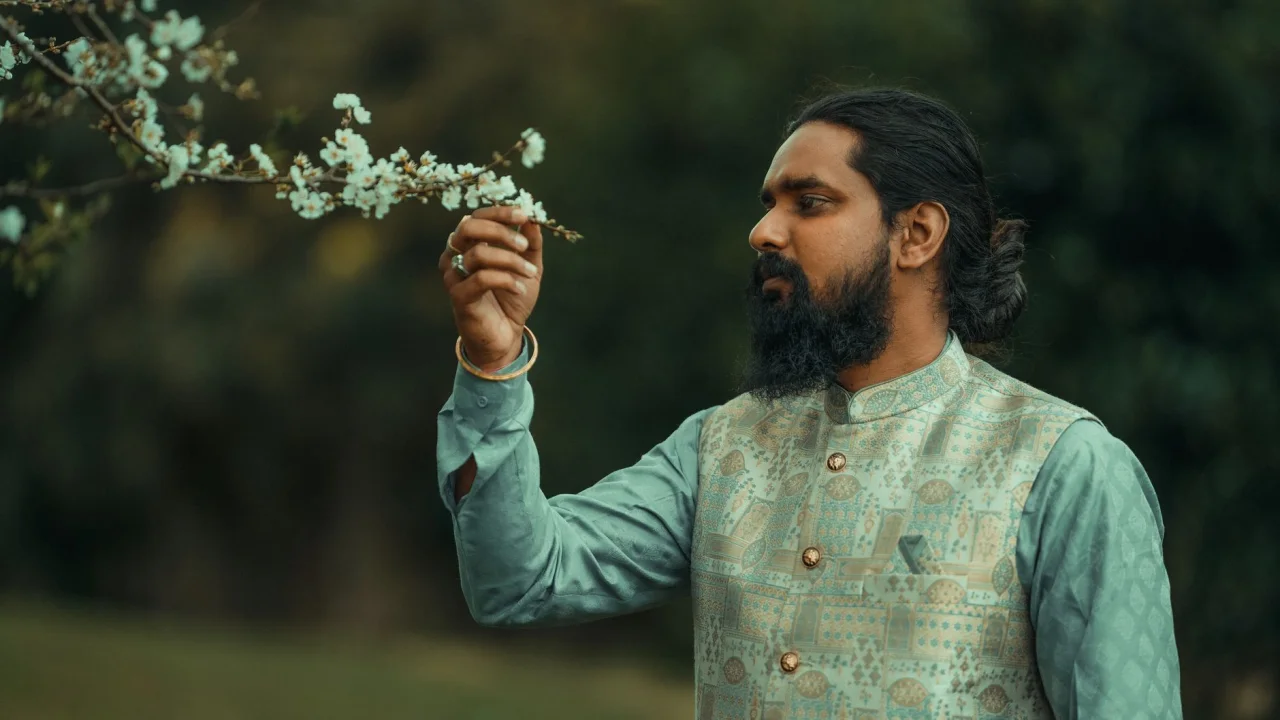
These are the everyday backbone of stitched suits and kurtis. A set-in sleeve is joined at a seam that sits right at the natural shoulder line, giving a tidy, tailored look.
- Cap sleeve: a very short sleeve that just covers the top of the shoulder. Light and youthful, lovely on summer lawn kurtis.
- Short sleeve: ends around the mid-upper arm. The safe, versatile default for casual and office wear.
- Elbow and three-quarter sleeve: ends at or just below the elbow. Flattering, practical and the most-requested length for stitched suits.
- Full sleeve: runs to the wrist. The most formal and the most coverage, ideal for winter, embroidery and modest styling.
- Fitted point sleeve: a long sleeve that tapers to a point over the back of the hand, a delicate, old-world detail on formals.
Flared and bell sleeves
Flared sleeves are having a long moment on festive and fusion wear because they add graceful movement without much weight.
- Bell sleeve: fitted through the upper arm, then flaring out like a bell at the forearm. Dramatic yet wearable.
- Angel or flared full sleeve: widens steadily from shoulder to a very open, floaty cuff, beautiful in chiffon and georgette.
- Umbrella sleeve: a circular flare that ripples all the way around, a favourite for festive kurtis and Anarkali-style tops.
- Pagoda sleeve: a tiered, layered flare that steps outward in stages for a structured, architectural finish.
Flared shapes pair especially well with fluid drops. If this is your style, our guide to the Anarkali suit shows how a flared sleeve balances a full, sweeping silhouette.
Gathered and puff sleeves
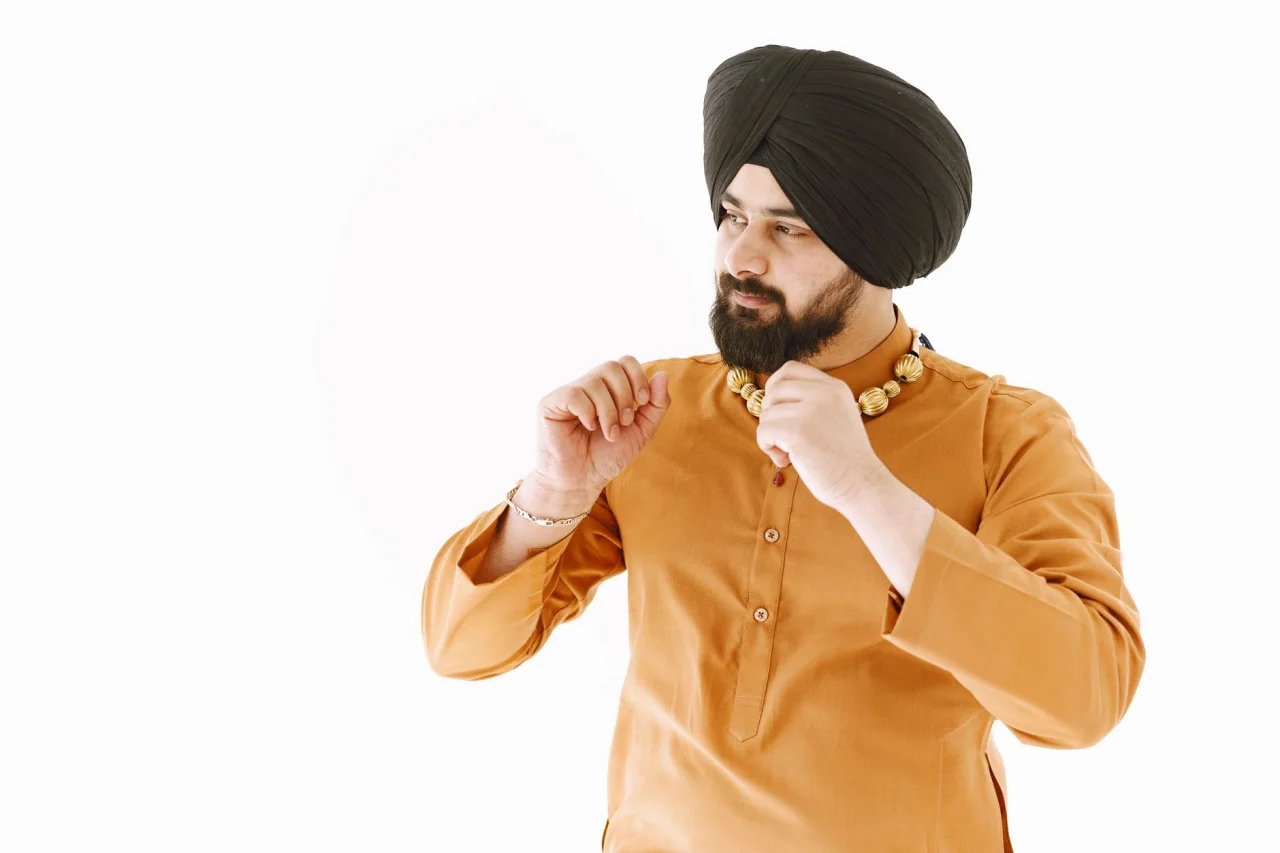
Gathering pleats extra fabric into the seam for volume, and it is one of the most flattering tricks for slimmer arms and for adding a soft, romantic mood.
- Puff sleeve: gathered at the shoulder, the cuff or both to create a rounded pouf. The defining detail of the current romantic revival.
- Balloon sleeve: a larger, rounder puff that billows through the whole upper arm before drawing in.
- Bishop sleeve: loose and full through the length, gathered into a fitted cuff at the wrist. Elegant and forgiving.
- Juliet sleeve: a puff at the shoulder joined to a fitted lower sleeve, a soft, vintage-inspired look.
- Lantern sleeve: puffed out in the middle and drawn in at both ends, giving a sculpted, lantern-like shape.
Styling note: balance is everything
A big sleeve wants a calm neckline and vice versa. Pair a dramatic bell or balloon sleeve with a simple round or boat neck, and save an ornate neckline for a slim, fitted sleeve. For help pairing the two, read our companion dictionary of necklines for Pakistani dresses and the fuller neckline design guide.
Wide, cut-in and shoulder-shaping sleeves
These styles change the shoulder line itself, either extending it or opening it up, and they set the overall mood of a garment.
- Kimono sleeve: cut in one piece with the body, with no shoulder seam, for a relaxed, drapey line.
- Dolman or batwing sleeve: very deep and roomy at the underarm, tapering to the wrist, dramatic on kaftans and maxis.
- Raglan sleeve: joined by a diagonal seam running from underarm to collar, giving a soft, sporty shoulder.
- Cold-shoulder sleeve: a long or flared sleeve with a cut-out at the shoulder, a playful fusion detail.
- Cape sleeve: a loose flowing layer that falls over the arm like a small cape, popular on formal fusion tops.
The airy, cut-in shapes are made for flowing silhouettes. See how they work on relaxed pieces in our look at the kaftan and the maxi dress.
Sleeveless and strap options
Removing the sleeve is a design choice in its own right, usually reserved for layering under a dupatta, jacket or shrug in desi styling.
- Sleeveless: a clean armhole with no sleeve, cool for summer and easy to layer.
- Halter: straps that tie or fasten behind the neck, leaving the shoulders bare.
- Spaghetti strap: thin shoulder straps, most often seen on inner slips and fusion tops.
- Off-shoulder: the neckline and sleeve drop below the shoulders, a statement look for parties.
In much of Pakistani styling these are worn with a shrug, jacket or generous dupatta for coverage, which lets you keep the cool of a sleeveless cut while staying occasion-appropriate.
Sleeves by occasion and body shape
Once you know the names, choosing gets simple. Think about the event first, then flatter your frame:
- Office and daywear: three-quarter and full fitted sleeves look polished and professional.
- Casual and summer: cap, short and simple flared sleeves keep things easy and cool.
- Festive and party: bell, puff, bishop and cape sleeves add the drama an occasion wants.
- Bridal and formal: full fitted or fitted point sleeves give the most surface for embroidery and the most elegance.
For fuller arms, a bishop or bell sleeve skims rather than clings and is very flattering. For slimmer arms, a puff or balloon adds welcome volume. Petite frames usually look best in neat three-quarter lengths that do not overwhelm, while taller frames can carry the most dramatic flares with ease. To see these choices inside a full outfit, browse ideas in our kurti design roundup and our guide on styling a kurta for every occasion.
Matching the sleeve to the fabric
A sleeve shape only works if the cloth can hold it. Crisp lawn and cotton keep a structured cap or straight sleeve neat, while soft chiffon, georgette and net are what give a flared or angel sleeve its beautiful fall. Heavier fabrics like raw silk and jacquard hold sculpted puff and lantern shapes without collapsing. When you plan a stitched suit, decide the sleeve and the fabric together, and use the tailoring notes in our kurta fit and fabric guide so the cut you love actually sits the way you imagined.
Frequently asked questions
What are the most common sleeve types for kurtis and suits?
The most common are fitted set-in sleeves in cap, short, three-quarter and full lengths, because they are versatile and easy to tailor. Flared bell sleeves, gathered puff and bishop sleeves, and relaxed kimono or dolman cuts are the popular statement options for festive and fusion wear.
Which sleeve style is best for heavy or fuller arms?
Sleeves that skim rather than cling are most flattering, such as bishop, bell and three-quarter fitted sleeves. They cover the upper arm softly and draw the eye to the wrist. Very tight cap sleeves and clingy sleeveless cuts tend to be less forgiving on fuller arms.
What is the difference between a bell sleeve and a flared sleeve?
A bell sleeve is fitted through the upper arm and then flares out sharply at the forearm, like the mouth of a bell. A general flared or angel sleeve widens more gradually from the shoulder or upper arm to an open, floaty cuff. Both add movement, but the bell keeps a slimmer top.
Which sleeves suit formal and bridal wear best?
Full fitted sleeves and fitted point sleeves are the classic bridal and formal choice because they offer the most surface for embroidery and give an elegant, elongated line. Structured bishop and cape sleeves also work beautifully on formal fusion outfits.
How do I choose a sleeve based on the fabric?
Match the shape to the weight of the cloth. Crisp lawn, cotton and khaddar hold structured cap and straight sleeves neatly, soft chiffon, georgette and net give flared and angel sleeves their graceful fall, and heavier raw silk and jacquard support sculpted puff and lantern shapes. Deciding sleeve and fabric together avoids disappointment at the tailor.
More on Styling Guides
Have a question or a topic to suggest?
We read every message. Tell us what you would like to see next in the journal.
Get in touch