Zari Kurti: Best Designs 2026
What real zari is, quality tells, versatile designs and honest price ranges for zari kurtis.
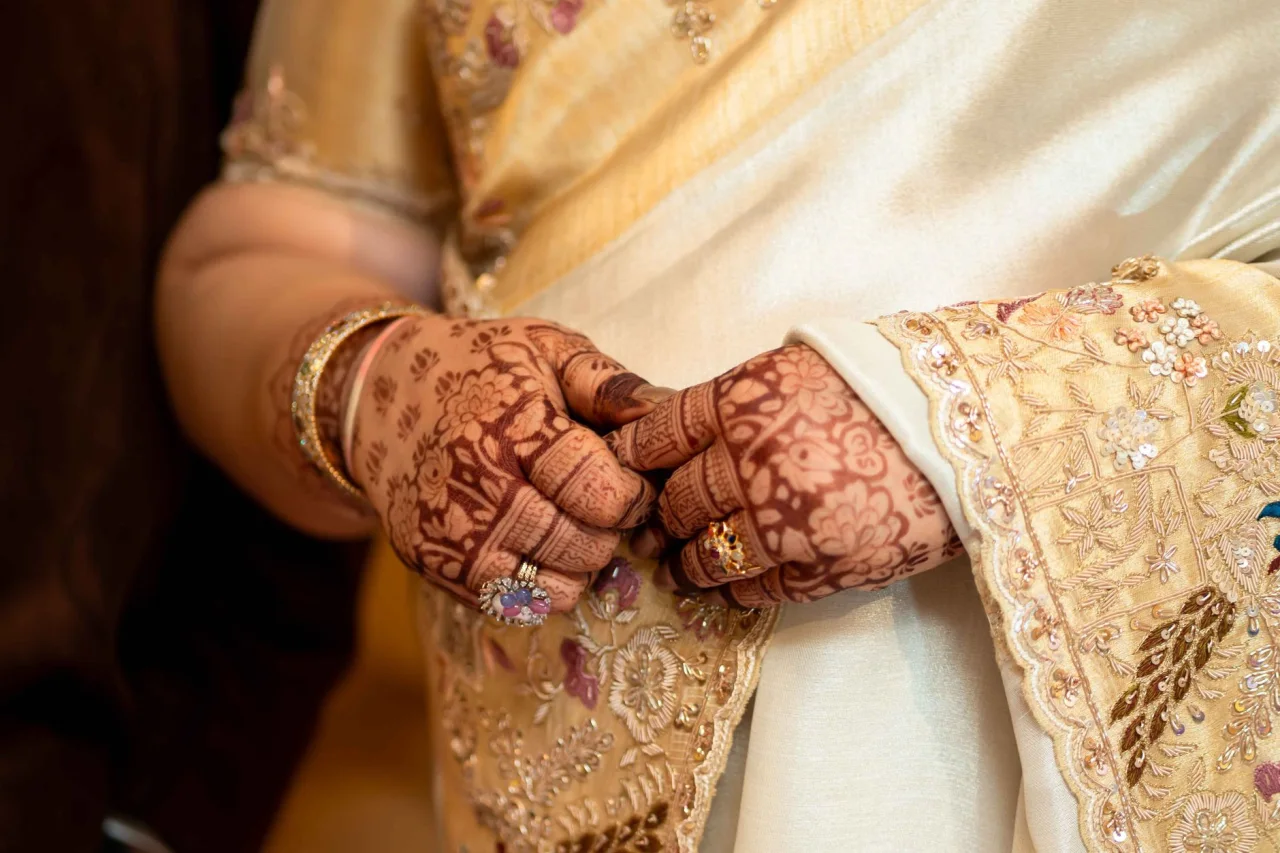
Zari is the quiet luxury of desi wardrobes: a fine metallic thread that turns a plain kurti into something you can wear to work, then to a dinner, without changing. In 2026 the smartest zari kurti buys are the ones that read rich but stay wearable. This guide explains what real zari is, how to tell good work from cheap tinsel, which designs earn their place, and the price ranges to expect.
The short version
- Zari is metallic thread, traditionally gold or silver wound on silk, now often a non tarnishing metallic version for everyday wear.
- For a kurti, subtle zari borders and buttis beat heavy all over work: they stay office to evening versatile.
- Cotton, lawn and raw silk bases carry zari well for a kurti without feeling costume heavy.
- Price rises with real versus imitation zari and hand versus machine work. Treat listed prices as ranges and confirm current pricing.
What zari actually is
Zari is a decorative metallic thread. According to Wikipedia's entry on zari, the word has Persian origins, and authentic zari is made from flattened gold or silver strips wound around a silk core. Surat in Gujarat is described as the world's largest producer of zari threads and trims. The same source distinguishes real zari, which uses pure silver or gold, from imitation zari made with electroplated copper, and modern metallic zari, which uses non tarnishing synthetic materials that are lighter and more durable. For everyday kurtis, that modern metallic zari is usually what you are buying, and that is perfectly fine.
To understand the craft in depth before you shop, read our guide to what zari is, its history and how to spot quality. For the garment itself, our complete guide to the kurti covers cuts and lengths.
How to judge a zari kurti

A good zari kurti looks refined up close, not scratchy or plasticky. Check these points.
- Thread finish: quality zari has an even, smooth metallic sheen. Cheap tinsel thread looks harsh, frays and can feel rough against skin.
- Backing: on the reverse, neat carried threads signal careful work. A chaotic, thread heavy back can pucker and scratch.
- Placement: borders, cuffs and neckline zari should line up cleanly and mirror across the two sides.
- Comfort: run a hand over the inside of worked areas. If it feels sharp, it will irritate over a long day.
Styling note
Zari already adds shine, so pair it with matte fabrics and understated jewellery to keep the look modern. For more pairing ideas across settings, see our guide to styling a kurti for every occasion.
Designs worth buying in 2026
These zari kurti styles are chosen for versatility and value rather than any invented trend chart.
- Zari border kurti: a plain kurti with a fine zari hem and cuff line. The most wearable, day to night option.
- Zari butti kurti: small scattered metallic motifs across the body for gentle festive shine.
- Zari neckline straight kurti: a worked placket and collar on a straight cut, smart for office and dinners.
- Zari and thread combination: metallic zari paired with coloured resham for a richer, layered look.
- Raw silk zari kurti: a structured silk base with zari for formal and festive wear.
If you want to compare finishes, a gota kurti gives a flatter metallic ribbon look, while a mirror work kurti reflects light instead of glowing. For a broader survey, browse our kurti design ideas.
Matching a zari kurti to the occasion
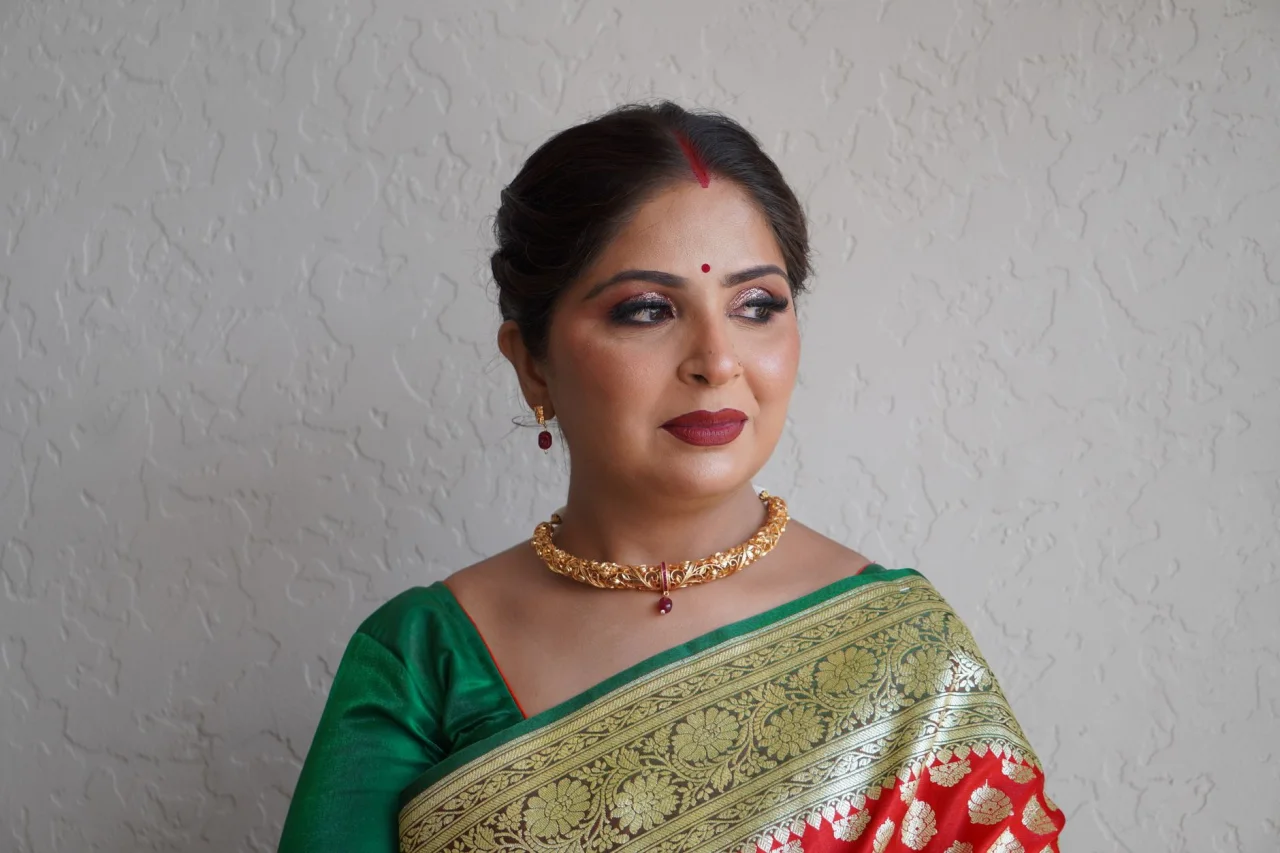
The beauty of a zari kurti is its range. A fine zari border on cotton or lawn is office appropriate and understated. A zari butti kurti moves into evening events and casual Eid visits. Raw silk with denser zari suits engagements and festive dinners. Because zari reads as warm and rich, it pairs especially well with deep and jewel tones. For fit and proportion advice when buying, our kurti fit, fabric and price guide is the reference.
Fabrics that suit zari on a kurti
- Cotton and lawn: breathable and casual, best for light zari borders and summer wear.
- Raw silk: structured and formal, holds heavier zari cleanly.
- Georgette: flowing and soft, good for medium metallic work on evening kurtis.
- Jacquard: already textured, pairs well with restrained zari accents.
Zari has long been the main decorative material in silk garments, from saris to kurtas, as the Wikipedia entry on zari notes when it lists the textiles it embellishes. That heritage is why even a small amount of zari on a simple kurti reads as considered rather than flashy.
Price ranges to expect
Zari kurti prices depend on whether the thread is real, imitation or modern metallic, and whether the work is machine or hand done. Machine metallic zari on lawn sits at the affordable end, hand zari on raw silk sits higher, and dense hand work with real zari commands a premium. These vary by fabric, thread type, work density and retailer, so read any figure as a range and confirm current pricing before buying. For shopping strategy, our guide to shopping affordable Pakistani dresses helps you spot value.
Care so zari keeps its shine
Real metallic zari can tarnish, so keep it dry and away from perfume and moisture. Dry clean formal zari kurtis, and hand wash lighter ones gently, turning them inside out. Iron on the reverse over a cloth and never press a hot plate directly on the zari. Store folded with acid free tissue or a soft cloth over worked areas to prevent tarnish and snagging.
Frequently asked questions
Is zari the same as gold thread?
Traditionally yes, real zari is made from flattened gold or silver strips wound on a silk core. Most everyday zari kurtis today use modern metallic zari, a non tarnishing synthetic thread that is lighter, more durable and far more affordable while giving a similar metallic sheen.
Can I wear a zari kurti to the office?
A zari kurti with a fine border or small buttis works well for the office, since the shine is subtle and refined. Save dense all over zari and heavy raw silk versions for evenings and festive occasions, where the richer work suits the setting.
How do I tell good zari from cheap tinsel?
Good zari has an even, smooth metallic sheen and a neatly carried reverse, and it feels comfortable against the skin. Cheap tinsel thread looks harsh, frays quickly and can feel rough. Check placement lines up cleanly and that the inside of worked areas is not scratchy.
Does zari tarnish?
Real gold and silver zari can tarnish over time, especially with moisture and perfume, while modern metallic zari resists tarnishing. Keep zari dry, store it with a soft cloth over the work, and avoid spraying fragrance directly onto embellished areas.
Which fabric is best for a zari kurti?
Cotton and lawn suit light zari borders for daywear, raw silk carries heavier formal zari, and georgette works for softer evening kurtis. Match the base to how dressy you want the kurti and how much zari it carries.
More on Embroidery
Have a question or a topic to suggest?
We read every message. Tell us what you would like to see next in the journal.
Get in touch