Winter Dresses 2026: Best Picks & Styling
The fabrics, colours and layering that make a cold-weather wardrobe work, with best picks by occasion for 2026.
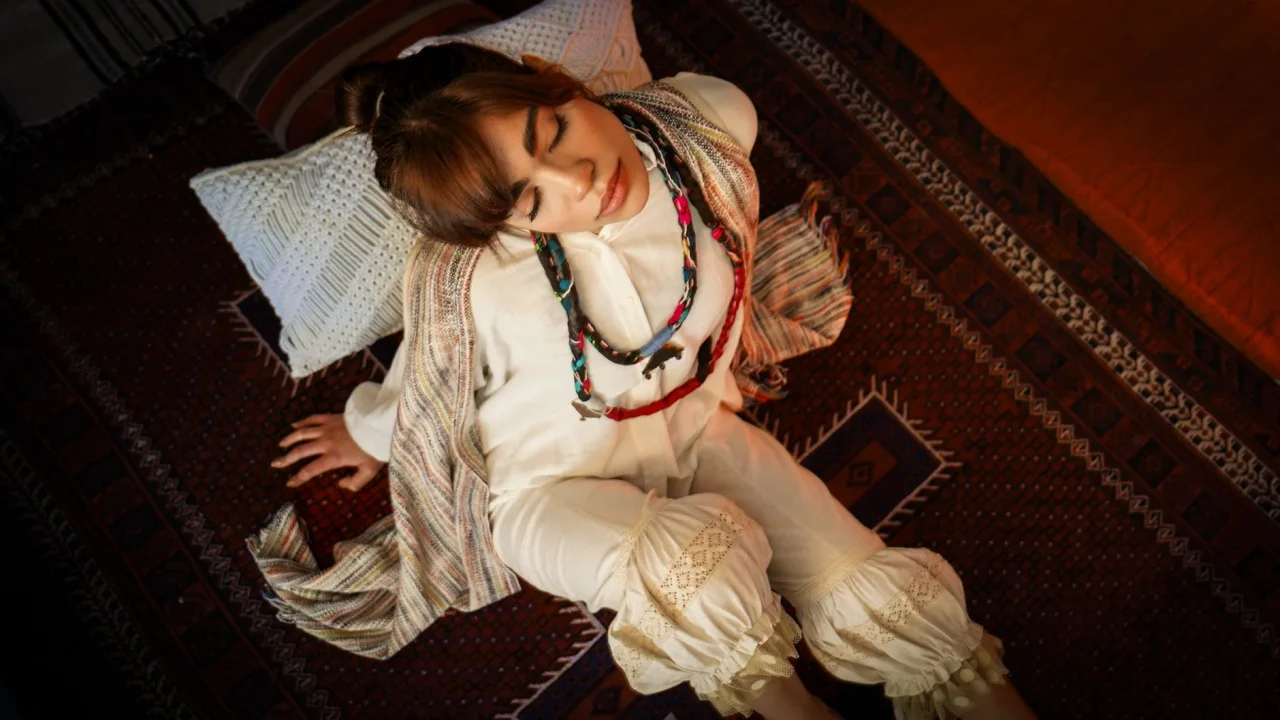
Winter dressing in South Asia is a happy contradiction: cold enough to justify richer fabrics, but rarely cold enough to hide them under a coat. This guide walks through the winter dresses worth buying in 2026, the fabrics and colours that actually earn their place in a cold-weather wardrobe, and simple styling formulas that keep you warm without looking bundled up.
The short version
- Winter is your permission slip for weight and texture: khaddar, raw silk, velvet and jacquard bring warmth that lawn and chiffon cannot.
- Deep, saturated colours (maroon, bottle green, plum, rust, charcoal) read as seasonal and photograph beautifully in soft winter light.
- Layering is the real skill: a shawl, waistcoat or long jacket over a simple suit does more than a single heavy piece.
- Prices vary widely by fabric, embroidery and retailer, so treat any figure you see online as a starting point and confirm current pricing before you buy.
What actually makes a dress a winter dress
A winter dress is not just a warmer colour, it is a warmer construction. The single biggest factor is fabric weight and fibre. Heavier weaves trap a thin layer of warm air against the skin, which is why the same silhouette feels cosy in khaddar and cold in lawn. When you shop for winter in 2026, read the fabric label before you fall for the print.
The second factor is coverage. Full sleeves, higher necklines and longer hemlines all keep more of you warm, and they happen to suit the season's mood of quiet elegance. You can absolutely wear a sleeveless kameez in December if you layer a jacket or shawl over it, but building warmth into the base garment means you are never caught out.
The winter fabrics worth your money
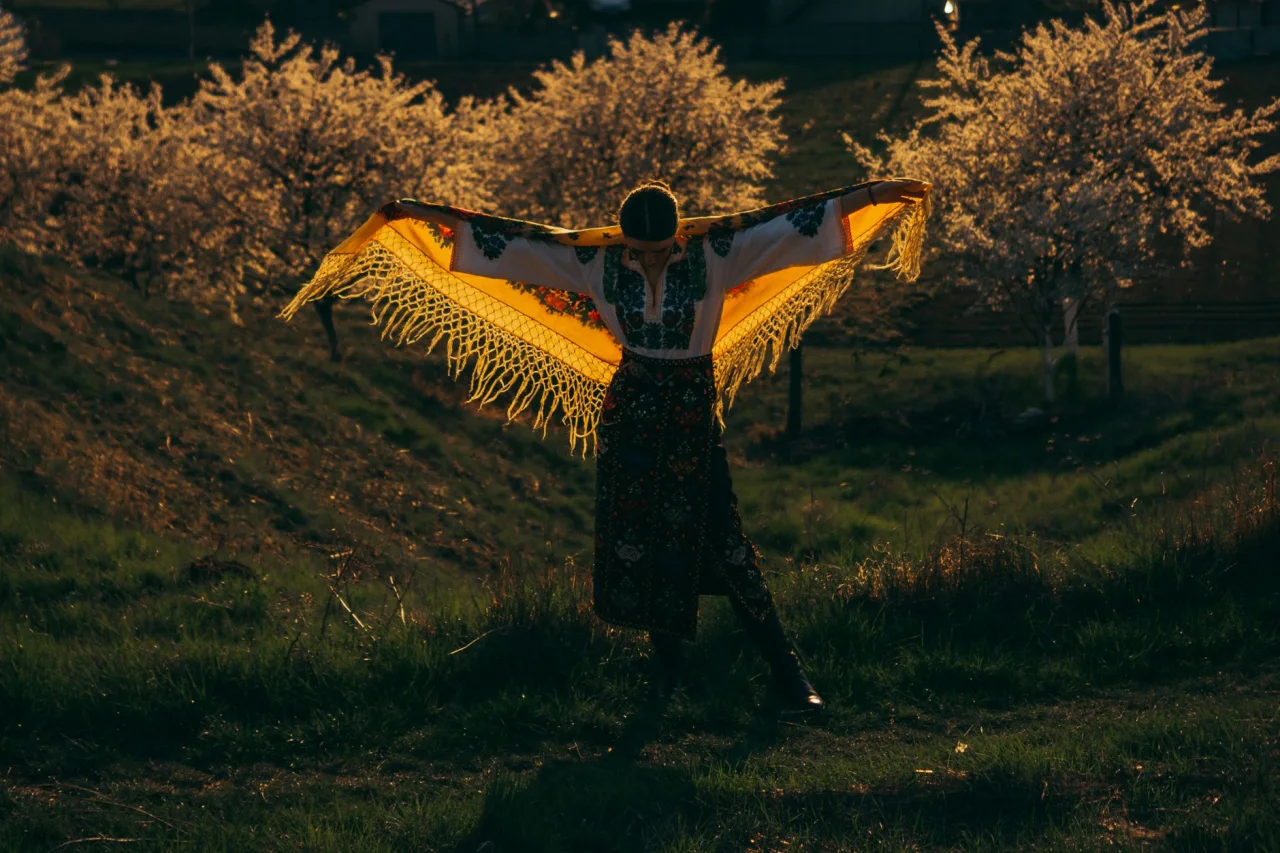
Most Pakistani and desi brands release dedicated winter fabric each year in heavier weaves, and the choice comes down to how cold your winters actually get and how dressy you need to be.
- Khaddar. A handwoven-style cotton with a slightly coarse, warm hand, khaddar is the everyday winter workhorse. It takes print and embroidery well and suits daily wear. See our guide to khaddar suit styles and care.
- Raw silk. Structured, matte and warm, raw silk holds its shape for formal winter suits and reads expensive without shouting.
- Velvet. The most luxurious winter option, velvet is warm, rich and made for evening events. It rewards restraint, so let the fabric be the statement. Read what the fabric does best in our velvet properties and care guide.
- Jacquard. Woven with the pattern built into the cloth rather than printed on top, jacquard adds texture and body, and it bridges the gap between casual and formal.
For a fuller breakdown of what to wear when the temperature drops, our companion piece on the best fabrics for winter dresses compares warmth, drape and care side by side.
Styling note: warmth without bulk
The trick to looking sleek in winter is layering thin over thin, not thick over thick. A fine cotton camisole under a suit, a lightweight shawl rather than a heavy blanket wrap, and a structured waistcoat all add warmth while keeping your silhouette clean.
Best winter dress picks for 2026, by occasion
Rather than chase a single trend, match the dress to where you are going. These are the categories worth building a winter wardrobe around.
- The everyday khaddar suit. A printed or lightly embroidered khaddar shalwar kameez with a wool-blend shawl is the backbone of a desi winter. It works for the office, the school run and casual visits.
- The raw-silk formal. For dinners and daytime functions, a raw-silk kameez in a jewel tone with tonal embroidery looks polished and holds up through a long evening.
- The velvet occasion dress. For weddings and parties, a velvet kameez, gown or lehenga blouse brings drama and warmth at once. Keep jewellery minimal so the fabric leads.
- The layered maxi. A long, high-neck maxi dress in a heavier crepe or jacquard, styled with boots and a long coat, is the easy fusion option for younger, city wardrobes.
The shalwar kameez is Pakistan's national dress and is worn by men and women alike, according to Wikipedia, which makes it the most flexible base for winter layering you can own.
Colours that belong in winter
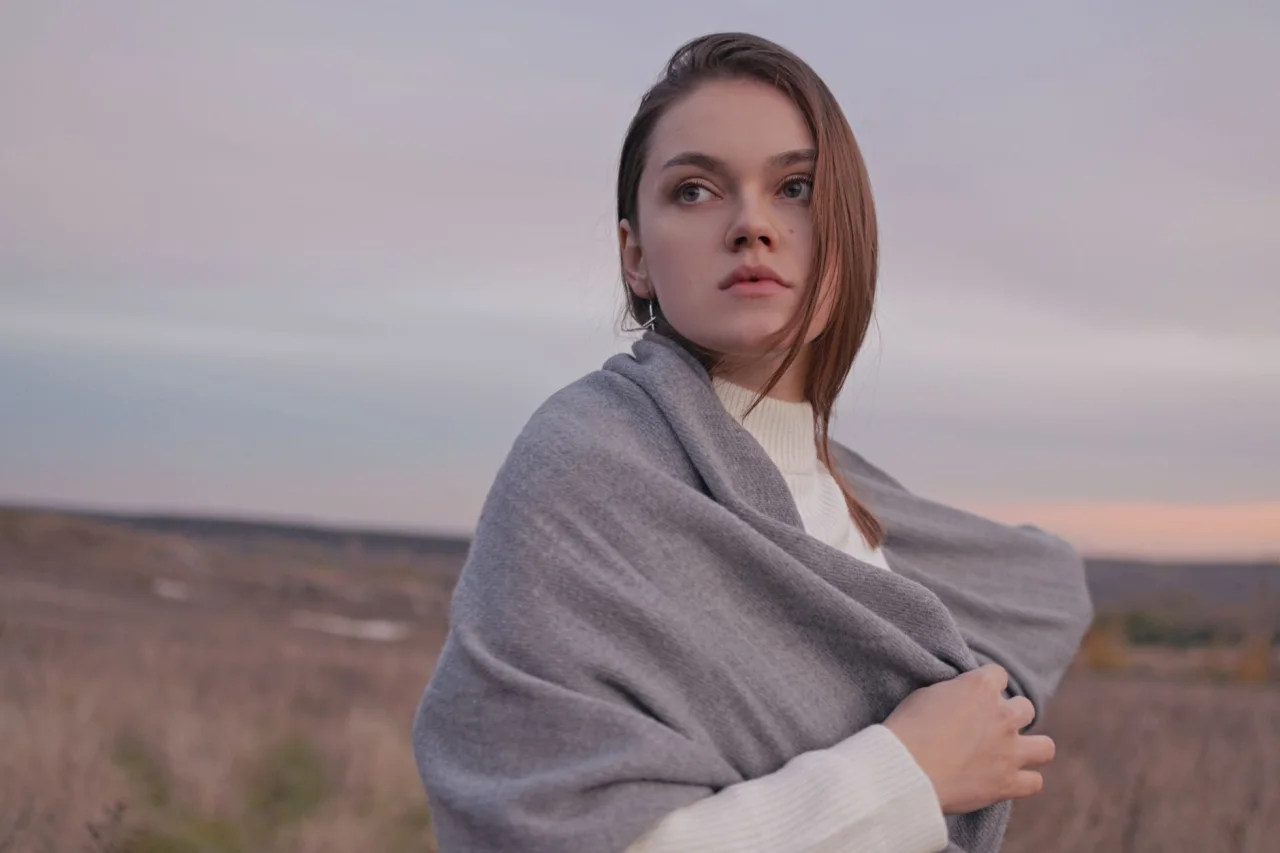
Winter light is soft and low, and it flatters deep, saturated colour. You do not have to abandon pastels, but the season leans into richness. The most wearable winter palette for 2026 runs through maroon, wine and plum, bottle and forest green, rust and terracotta, mustard, charcoal and inky navy, warmed with gold or antique-copper embroidery.
If you prefer lighter tones, choose them in heavier fabrics so they still read seasonal: an ivory raw-silk suit or a dove-grey jacquard feels like winter in a way that a thin white lawn never will. Texture is what carries a pale colour through the cold months.
Layering pieces that do the heavy lifting
The fastest way to make a summer-weight wardrobe work in winter is to invest in a few strong layers rather than replacing everything.
- The shawl. A good pashmina-style or wool-blend shawl instantly warms and dresses up any suit. One rich neutral and one jewel tone will cover most outfits.
- The long jacket or coat. A structured long coat over a kameez is both practical and fashionable, and it turns a simple suit into a considered look.
- The waistcoat. A fitted waistcoat, in velvet or wool, adds warmth to the core and a sharp, tailored line for men and women.
- Boots and closed shoes. Swapping sandals for ankle boots or closed pumps quietly signals the season and keeps you comfortable.
Buying tip: check the drape and weight in person
Winter fabrics vary enormously between brands and even between prints in the same collection. Where possible, feel the weight and see how it hangs before you commit, and if you buy unstitched, ask the shop about shrinkage and stitching allowance for heavier cloth.
Where winter dresses fit in the seasonal calendar
Most major labels drop winter fabric from roughly October, with heavier festive and formal lines arriving ahead of the wedding season that peaks in the cooler months. If your winter includes weddings, plan those outfits early because tailors book out fast. Our wedding collection guide for 2026 covers the dressier end, while the festive collection guide handles parties and events.
When the weather turns again, the same wardrobe logic flips: lighter fabrics, brighter prints and less layering. Our spring collection guide and broader winter outfit ideas help you bridge the change without a full new wardrobe.
A simple winter styling formula
If you take one thing from this guide, make it this repeatable formula: start with a heavier base fabric, choose a deep seasonal colour, add exactly one warm layer, and finish with closed shoes and restrained jewellery. That is genuinely all it takes to look pulled together and stay warm from morning to a late winter evening.
Frequently asked questions
What fabrics are best for winter dresses in 2026?
Heavier, warmer weaves are the priority: khaddar for everyday wear, raw silk and jacquard for formals, and velvet for occasion and party dresses. These trap warmth better than summer fabrics like lawn and chiffon. Pair any of them with a shawl or long jacket for extra warmth without adding bulk.
What colours work best for winter outfits?
Winter light flatters deep, saturated colours, so maroon, plum, bottle green, rust, mustard, charcoal and navy all read as seasonal and photograph well. Lighter tones still work if you choose them in heavier fabrics, such as an ivory raw silk or a grey jacquard, so texture carries the colour through the cold months.
How do I stay warm without looking bulky?
Layer thin over thin rather than piling on thick pieces. A fine camisole under your suit, a lightweight wool-blend shawl instead of a heavy wrap, and a fitted waistcoat all add warmth while keeping your silhouette sleek. Closed boots or pumps finish the look and keep you comfortable.
When do winter collections usually release?
Most Pakistani and desi labels begin dropping winter fabric from around October, with heavier festive and formal lines following ahead of the cool-weather wedding season. If you have winter weddings or events, shop and book your tailor early, because popular pieces and good tailors both sell out quickly.
Are winter dresses more expensive than summer ones?
They often cost more because heavier fabrics like velvet, raw silk and quality khaddar use more material and finishing than lightweight lawn. That said, prices vary widely by fabric, embroidery and retailer, so treat any figure you see online as a starting point and confirm current pricing directly with the seller before buying.
More on Fashion Trends
Have a question or a topic to suggest?
We read every message. Tell us what you would like to see next in the journal.
Get in touch