Khaddar Suit: Styles, Care and Best Picks
Why the textured cotton weave works for a three piece, plus designs, colours, care and smart buying tips.
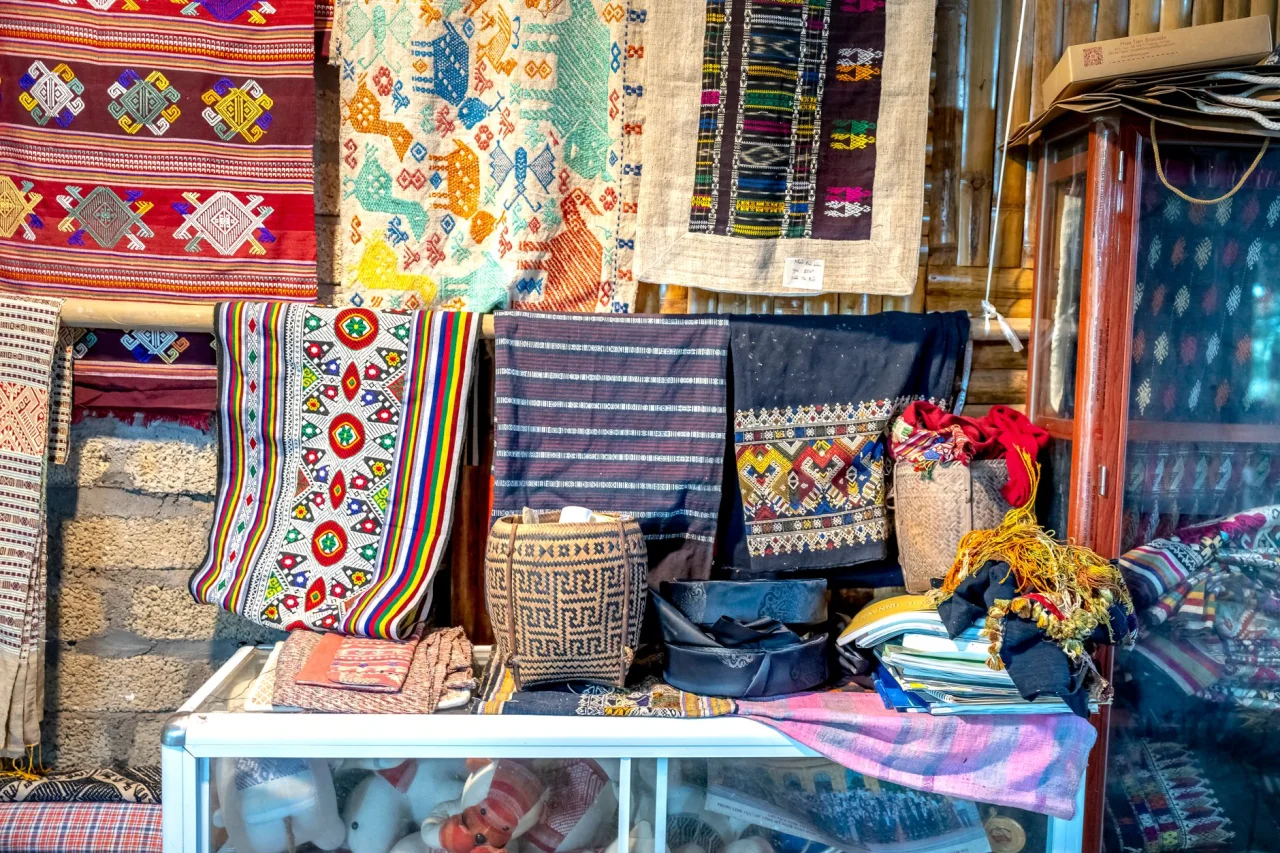
A khaddar suit is the quiet workhorse of a desi winter wardrobe: warm without being heavy, matte instead of shiny, and made to be worn again and again. If you love texture over sparkle and want a fabric that softens the more you wash it, khaddar earns its place. This guide covers why khaddar works for a suit, the design ideas worth trying, how to care for it, and how to buy well.
The short version
- Khaddar (from khadi) is a hand or mill spun cotton weave prized for a slubby, grounded texture and cool-in-summer, warm-in-winter comfort.
- It suits straight and A-line shirts, wide trousers and simple embroidery, so it shines in everyday and semi-formal wear more than heavy bridal looks.
- Care is easy: cold gentle wash, wash separately the first few times because deep dyes bleed, dry in shade, iron slightly damp.
- Prices vary widely by yardage, whether it is stitched or unstitched, and the embroidery, so treat any figure as a range and confirm current pricing with the retailer.
What khaddar actually is
Khaddar is the everyday name for cloth in the khadi family: yarn that is spun and then woven into a natural fibre fabric, most commonly cotton, though the wider khadi tradition also includes silk and wool spun on a charkha, or spinning wheel. That spinning method is what gives khaddar its signature slightly uneven, textured surface rather than the flat smoothness of a fine mill cotton.
The fabric carries real history. Khadi rose to prominence during India's independence struggle, when Mahatma Gandhi promoted hand spinning as a swadeshi, or homeland, act, with the first handwoven pieces made at his Sabarmati Ashram around 1917 to 1918. You do not need to know any of that to enjoy a khaddar suit, but it explains why the cloth feels honest and grounded rather than flashy. If you want the deeper backstory, the Wikipedia entry on khadi is a reliable starting point.
One practical property matters most for a suit: khaddar is versatile across seasons. It reads as a cool, breathable weave in mild weather and a cosy, insulating one when woven a little heavier for winter, which is why it dominates October to February collections across Pakistan and North India. For a fuller technical breakdown, see our guide to what khaddar is, its properties, uses and care.
Why khaddar works for a suit (and when it does not)
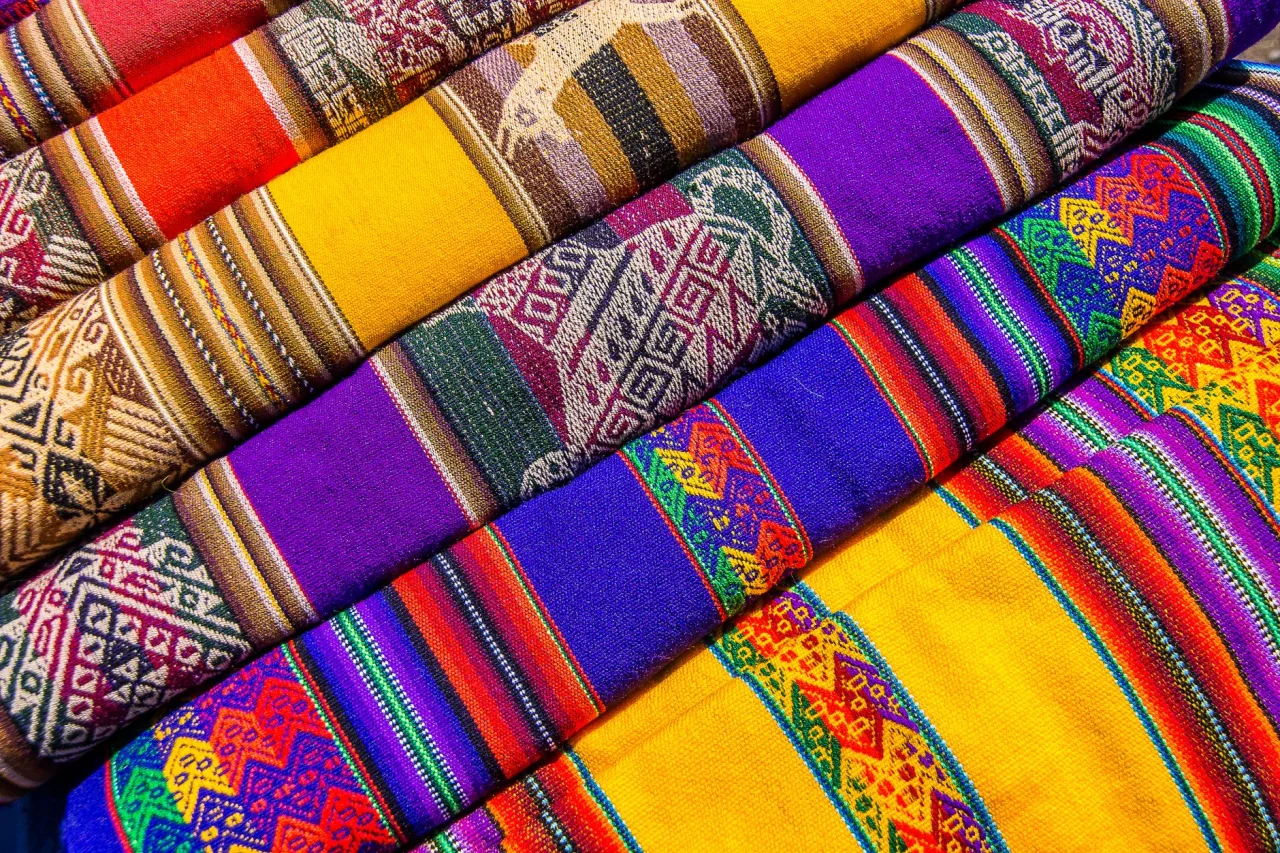
Khaddar works beautifully for a three piece suit because its weight and body hold a clean silhouette. A khaddar shirt hangs straight without clinging, trousers keep their line, and the matte surface makes embroidery and block prints pop against it. It is forgiving to stitch and comfortable for long days, which is exactly what you want in workwear, campus wear and casual visits.
Where khaddar is less ideal: flowing, drapey looks. If you want a fluid gharara fall, a liquid maxi or a sheer dupatta that floats, khaddar is the wrong tool because it is a structured, opaque weave. It also runs warm, so a heavier winter khaddar is not your friend in peak summer heat. For that end of the calendar, lighter weaves make more sense, which we compare in the best fabrics for winter dresses.
Styling note
Khaddar loves contrast in texture, not glitter. Pair a matte khaddar shirt with a soft wool shawl or a printed cotton net dupatta, and let one embroidered panel do the talking. Overloading khaddar with heavy sequins fights the fabric's grounded character.
Khaddar suit designs worth trying
The strength of khaddar is that it flatters simple, well cut shapes. A few directions consistently look good:
- Straight shirt with embroidered daaman: a knee length straight kameez with thread or resham work along the hem, worn over straight or slightly tapered trousers. Clean and endlessly wearable.
- A-line with front placket detail: a soft A-line shirt with a buttoned or embroidered placket adds interest without extra weight.
- Printed khaddar with solid trousers: geometric or floral prints on the shirt, balanced by plain trousers in a matching tone.
- Colour blocked three piece: a solid shirt, contrast trousers and a printed or shawl style dupatta, which reads modern and needs no embroidery at all.
- Kameez with a wool shawl: in cold weather, swap the dupatta for a shawl and let the shawl carry the pattern.
For more shape and construction ideas that translate well to khaddar, browse what sews and styles best in khaddar.
Colours and embroidery that suit khaddar
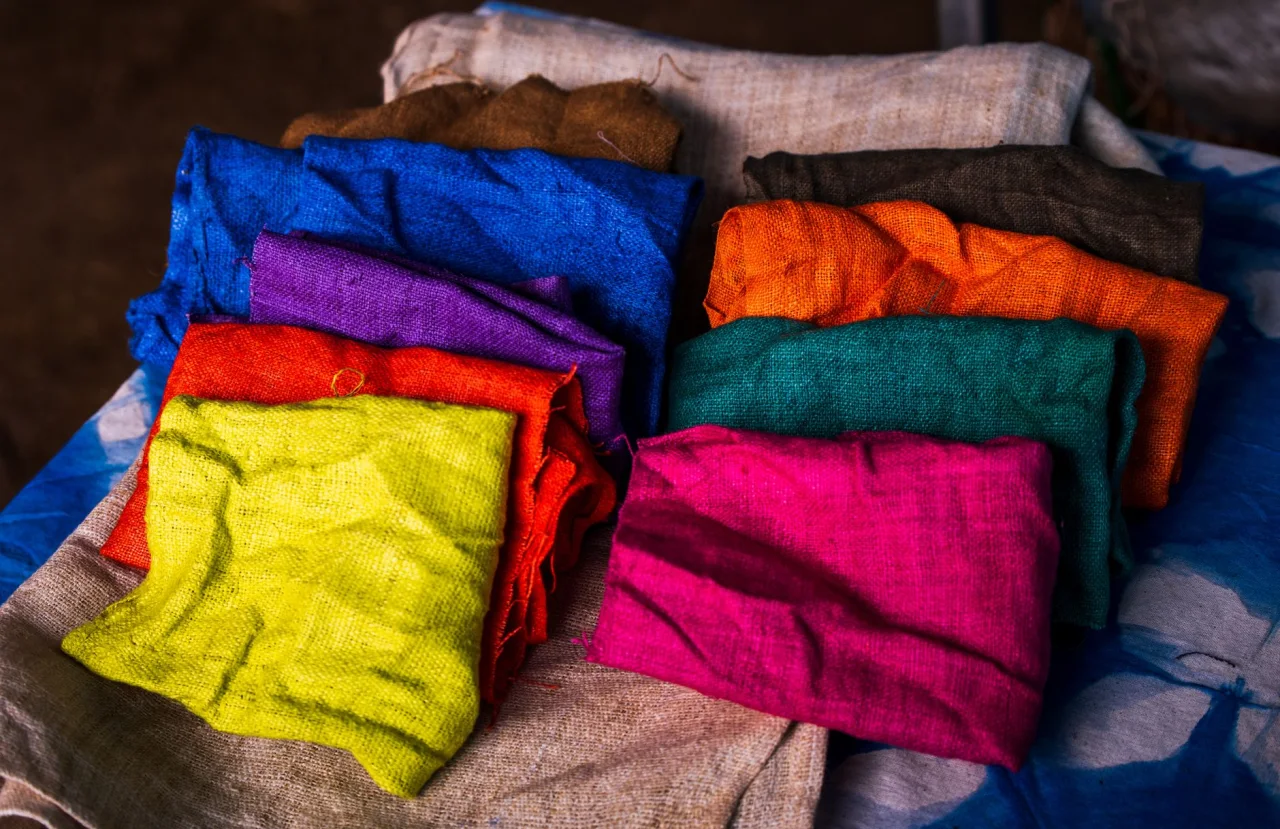
Because the surface is matte and earthy, khaddar sits especially well in grounded, seasonal palettes: rust, mustard, olive, deep teal, maroon, charcoal, cream and dusty pinks. These winter tones read rich against the textured weave. Bright summer neons are possible but tend to fight the fabric's calm character.
For embroidery, thread work, resham, small mirror accents and machine embroidery in matching or tonal colours look intentional. Metallic zari can work in small doses on a border, but a fully sequinned khaddar shirt often looks heavy and dampens the fabric's natural charm. Let the texture be part of the design.
Care and washing without ruining it
Khaddar is low maintenance if you respect a few basics. New, deeply dyed khaddar is the main thing to watch, because rich dyes can bleed for the first few washes.
- First wash cold and separate: hand wash the new suit alone in cold water, or with a colour catcher, before mixing it with other clothes.
- Use a mild detergent: skip harsh bleach, which dulls colour and weakens cotton fibres over time.
- Do not wring hard: press water out gently to protect the weave and any embroidery.
- Dry in shade: direct harsh sun fades dyed khaddar, so line dry in shade or indoors.
- Iron slightly damp: cotton based khaddar creases, so iron on a medium to hot cotton setting while a little damp for a crisp finish. Turn embroidered pieces inside out.
Expect some natural softening and mild shrinkage in the first wash, which is normal for cotton weaves. Buying a touch generous on length accounts for it.
Buying tip
Rub a corner of the fabric and check the weave: good khaddar feels substantial and textured, not thin or papery. For unstitched sets, confirm the dupatta and trouser fabric are included, since some three piece deals swap in a different, cheaper base for the dupatta.
Stitched, unstitched and what to pay
Khaddar comes both ready to wear and as unstitched fabric you take to a tailor. Unstitched three piece sets give you control over fit and cut and are usually the better value, while ready to wear saves time. Prices swing a lot depending on whether the piece is printed or embroidered, plain or designer, and where you buy, so any single number is misleading.
Treat pricing as a range: a plain printed unstitched khaddar suit sits at the affordable end, embroidered mill khaddar in the middle, and designer or heavily worked pieces at the top. Because rates change every season and by retailer, always confirm current pricing with the seller before you commit. If khaddar feels too warm or structured for your climate, weigh it against a lighter option in our linen versus khaddar comparison, or consider a breathable summer kurta in our linen kurta guide.
Who should choose a khaddar suit
Khaddar is a smart pick if you want everyday winter and mid season suits that look put together without effort, if you prefer texture and matte finishes over shine, and if you like fabric that ages softly rather than wearing out. It is less suited to formal bridal wear, peak summer heat, or anyone chasing a fluid, floaty drape. Matched to the right occasion, a well cut khaddar three piece is one of the most reliable, re wearable pieces you can own.
Frequently asked questions
Is a khaddar suit good for winter?
Yes. Khaddar is described as a versatile fabric that stays cool in summer and warm in winter, and heavier winter khaddar weaves are a mainstay of cold season collections. For the coldest days, pair it with a shawl for extra warmth.
Does khaddar shrink or bleed?
Cotton based khaddar can shrink slightly and, when deeply dyed, may bleed colour for the first few washes. Wash new pieces cold and separately, dry in shade, and buy a little generous on length to allow for minor shrinkage.
Is khaddar the same as khadi?
Khaddar is the common name used for cloth in the khadi family, which is a hand spun and woven natural fibre fabric, most often cotton. In everyday desi fashion, khaddar usually refers to the textured cotton winter suiting fabric.
How much does a khaddar suit cost?
It varies widely by fabric weight, print or embroidery, brand and retailer, and whether it is stitched or unstitched. Rather than a fixed figure, think in ranges from affordable printed sets up to designer embroidered pieces, and always confirm current pricing with the retailer.
Can khaddar be embroidered?
Yes. Its matte, substantial surface holds thread work, resham, machine embroidery and small mirror accents well. Keep heavy metallic sequins to small border accents so they do not overwhelm the fabric's natural texture.
More on Fabrics
Have a question or a topic to suggest?
We read every message. Tell us what you would like to see next in the journal.
Get in touch