Linen Kurta: Styles and Care
Why linen keeps you cool, the most flattering relaxed styles, colour ideas and low fuss care for the fabric.
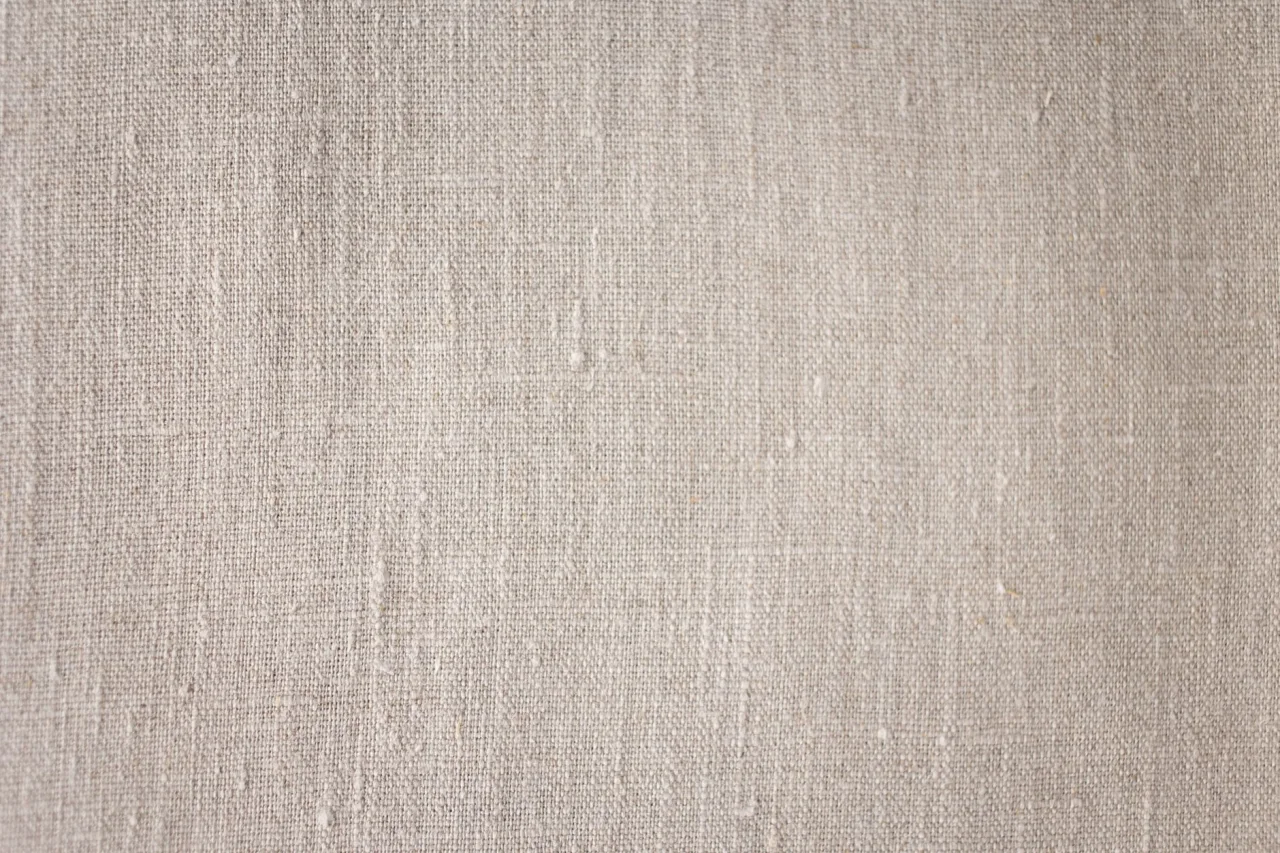
A linen kurta is the piece that keeps you cool and looking effortlessly put together when the heat is on. Strong, breathable and quick to dry, linen turns a simple kurta into a relaxed, elevated staple, wrinkles and all. This guide covers what linen is, why it works so well for a kurta, the styles worth owning, and how to care for a fabric that only gets better with wear.
The short version
- Linen is made from the fibres of the flax plant. It is strong, absorbent, breathable, feels cool to the touch and dries faster than cotton, but it wrinkles easily.
- That breathability and body make it excellent for straight and relaxed kurtas, especially for summer, travel and daytime formals.
- Care is easy: gentle cool wash, dry in shade, and lean into the natural crumple rather than fighting it, ironing slightly damp when you want it crisp.
- Prices vary between pure linen and linen blends, and by finish and brand, so treat any figure as a range and confirm current pricing.
What linen actually is
Linen is a textile made from the bast fibres of the flax plant, and it is one of the oldest fabrics humans have made. Flax based cloth goes back thousands of years, with linen fragments from around 8,000 BC found in Swiss lake dwellings and linen used extensively in ancient Egypt for clothing and burial. That long history is a good sign of how well the fibre performs.
The properties that matter for a kurta are practical. Linen is very strong and absorbent, dries faster than cotton, and feels cool to the touch because of its higher thermal conductivity, which is why it is a classic hot weather fabric. The trade off is that it wrinkles easily due to poor elasticity, and it becomes softer with every wash. You can read the fabric's history and science on the Wikipedia entry for linen, and we cover more in our guide to what linen is, its properties, uses and care.
Why linen works for a kurta
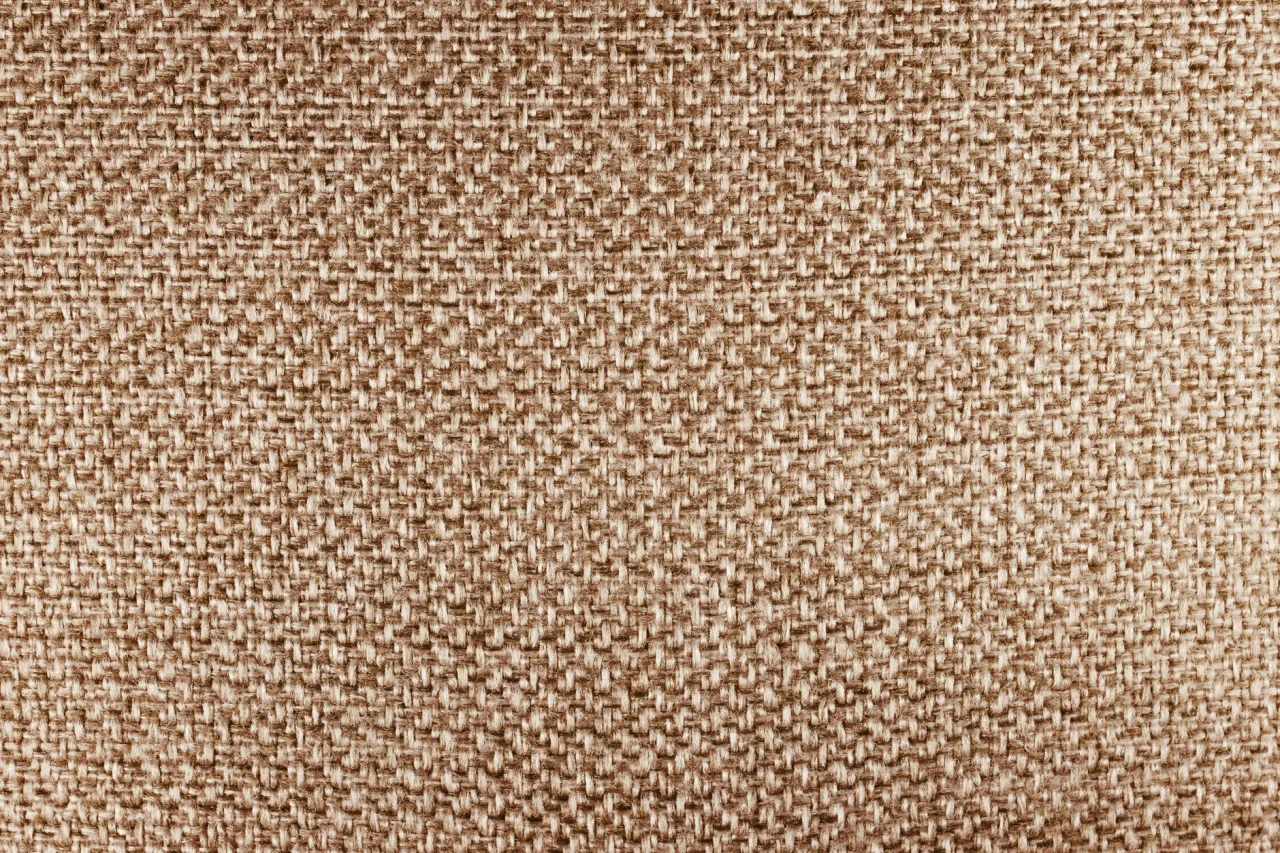
Linen's breathability is the headline. Because it feels cool and dries fast, a linen kurta keeps you comfortable in real heat far better than most fabrics, which makes it a summer, travel and daytime workhorse. It also has a lovely dry, textured hand and enough body to hold a relaxed straight shape without clinging, so it drapes with an easy, lived in elegance.
The one thing to make peace with is creasing: linen wrinkles, and that soft crumple is simply part of its character rather than a flaw. If you want a poker crisp, wrinkle free look all day, linen will frustrate you, and a cambric or blend behaves better. It is also better suited to warm weather than deep winter. For a direct comparison with a warmer textured fabric, see our linen versus khaddar guide, and if you are building a hot weather wardrobe, our roundup of the best fabrics for Pakistani summers puts it in context.
Styling note
Lean into linen's relaxed character rather than fighting it. A solid linen kurta with rolled sleeves, straight trousers and loafers or juttis reads effortlessly smart, and the natural crumple adds to the look. Keep accessories minimal and let the fabric's texture carry the outfit.
Linen kurta styles worth owning
Linen flatters clean, relaxed shapes that make the most of its breathability and body:
- Straight solid kurta: a knee or calf length straight cut in a natural or muted tone, the ultimate summer staple.
- Short kurta with pants: a hip length linen kurta over cigarette pants or straight trousers for a modern fusion look.
- Pathani or band collar kurta: linen's body suits a structured collar and placket for a smart daytime look.
- Kurta with rolled or three quarter sleeves: a relaxed, breezy cut ideal for travel and warm weather.
- Solid kurta with tonal embroidery: subtle thread work in a matching colour keeps it understated and elevated.
For more cuts and length ideas, browse our kurta design ideas. If you want a piece with a little more sheen and formality for occasions, our raw silk kurta guide is a good companion read.
Colours and finishes that suit linen
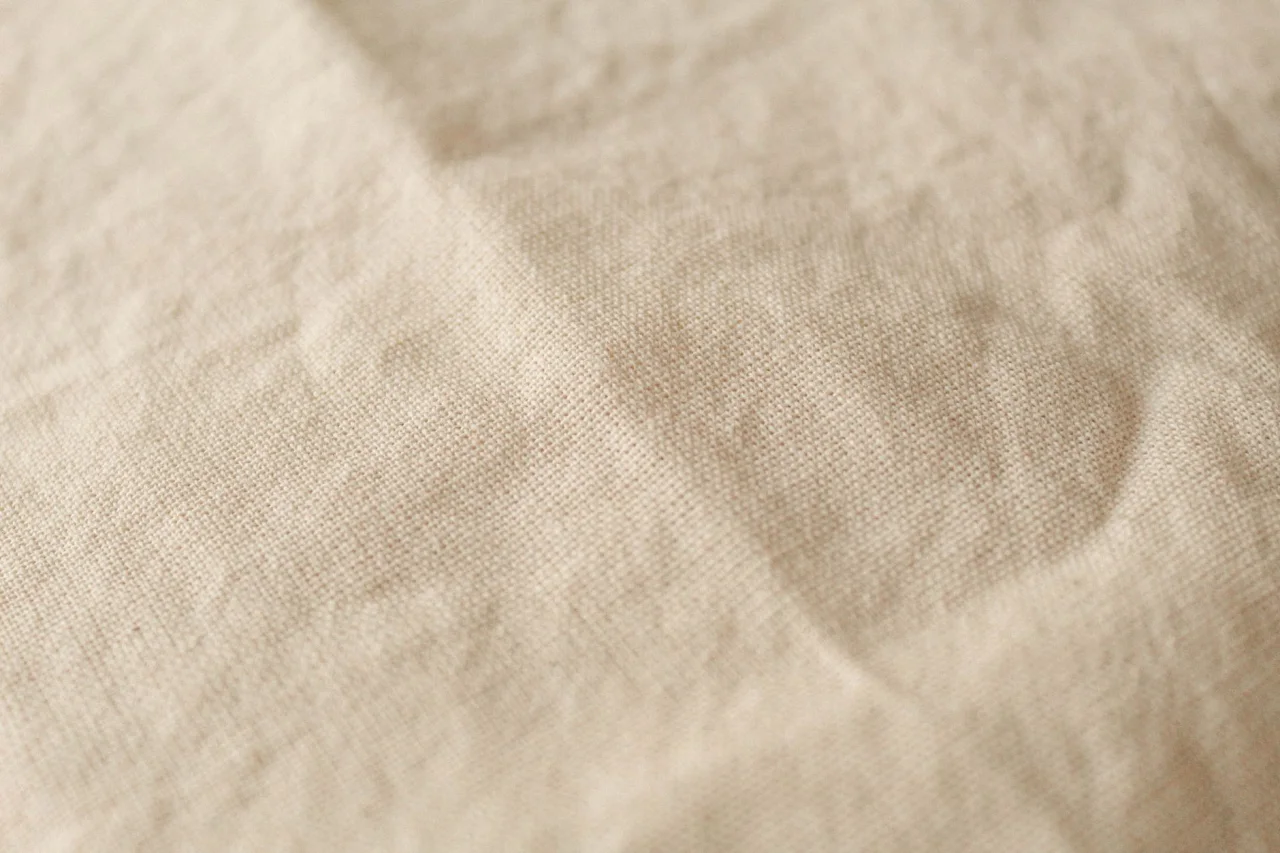
Linen looks most natural in earthy, muted and neutral tones: ecru, sand, olive, slate, dusty blue, rust and off white all play to its organic character. Rich solids also work well and let the texture show. Because linen has a slightly dry, matte surface, it pairs beautifully with tonal or subtle embroidery rather than heavy shine, so a solid kurta with matching thread work or a simple contrast placket usually looks more refined than a busy, embellished one. Prints work too, though softer, washed out prints suit the fabric's relaxed mood better than sharp, glossy ones.
Fit and construction details
Linen kurtas look best in a clean, slightly relaxed fit that lets the fabric breathe and drape. An overly tight fit fights linen's body and emphasises creasing at stress points, while a well judged straight or slightly loose cut looks intentional and stays comfortable. Because linen can shrink a little in the first wash, especially pure linen, buy a touch generous on length or pre wash the fabric before stitching. Look for neat, finished seams, since linen can fray, and consider a soft lining on the yoke for structure. When buying ready to wear, check the fibre content, since many kurtas are linen blends that wrinkle less but breathe a little less too.
Buying tip
Ask whether a kurta is pure linen or a linen blend. Pure linen breathes best and softens beautifully but creases the most, while linen cotton or linen viscose blends wrinkle less and are easier to maintain. Neither is wrong; match the choice to how crisp you want to look and how much ironing you are willing to do.
Care and washing without ruining it
Linen is durable and low fuss, and it actually improves with washing as it softens:
- Wash cool and gentle: hand wash or use a gentle machine cycle in cold to lukewarm water with a mild detergent. Hot water encourages shrinkage.
- Wash new colours separately: deeply dyed linen can bleed at first, so wash it alone or with a colour catcher initially.
- Do not wring hard: press water out gently, since aggressive wringing sets deep creases and stresses the fibres.
- Dry in shade: line dry away from harsh direct sun, which can fade colour, and reshape while damp.
- Iron slightly damp for crispness: if you want a smooth finish, iron linen while still a little damp on a hot linen setting, or simply embrace the natural crumple for a relaxed look.
Who should choose a linen kurta
A linen kurta is a smart pick if you want genuine comfort in heat, an easy relaxed elegance, and a fabric that softens and ages beautifully with wear. It is ideal for summer, travel and daytime formals, and it takes subtle tonal embroidery well for a quietly elevated look. It is a less suitable choice if you need a crisp, wrinkle free finish all day, or for deep winter warmth. If you love natural fabrics and can make peace with a little crumple, a good linen kurta becomes one of the most reached for pieces in your wardrobe.
Frequently asked questions
Is a linen kurta good for summer?
Yes, linen is one of the best summer fabrics. It is breathable, absorbent, dries faster than cotton and feels cool to the touch, so a linen kurta keeps you comfortable in real heat. It is a top choice for hot weather, travel and daytime wear.
Why does my linen kurta wrinkle so much?
Linen wrinkles easily because the fibre has poor elasticity, so creasing is a natural part of its character rather than a defect. You can iron it slightly damp for a crisp finish, choose a linen blend that wrinkles less, or simply embrace the relaxed crumple.
Does a linen kurta shrink?
Pure linen can shrink a little, especially in the first wash or in hot water. Wash in cool to lukewarm water, dry in shade, and either buy a touch generous on length or pre wash the fabric before stitching to allow for it.
Is pure linen or a linen blend better for a kurta?
Pure linen breathes best and softens beautifully with wear but creases the most, while linen blends such as linen cotton wrinkle less and are easier to maintain but breathe slightly less. Choose based on how crisp you want to look and how much ironing you will do.
How much does a linen kurta cost?
It varies widely by whether it is pure linen or a blend, plus finish, embroidery, brand and retailer. Rather than a fixed figure, think in ranges from affordable blends up to premium pure linen, and always confirm current pricing with the seller.
More on Fabrics
Have a question or a topic to suggest?
We read every message. Tell us what you would like to see next in the journal.
Get in touch