Raw Silk Kurta: Styles and Care
What raw silk really means, why its structure suits a kurta, the best styles, and how to care for the fabric.
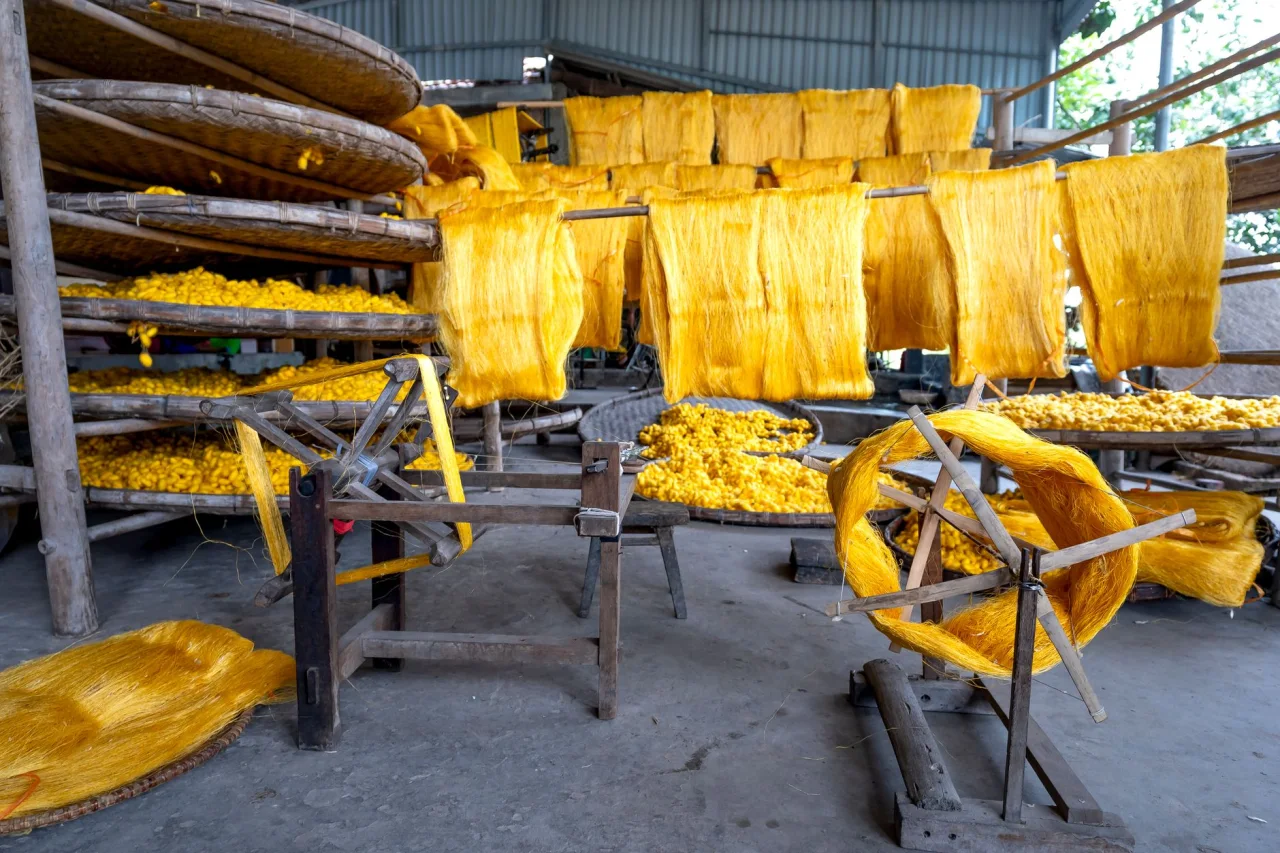
A raw silk kurta is the piece that makes you look dressed up without trying. The fabric has body, a subtle sheen and a textured hand that reads rich in photos and in person. This guide explains what raw silk really means, why it works so well for a kurta, the styles worth owning, and how to care for a fabric that rewards a little attention.
The short version
- Silk is a natural protein fibre, and its fibres are coated in sericin, a gummy protein removed by degumming. In fashion, raw silk usually means a slightly stiff, textured, low sheen silk with visible slubs.
- That structure is exactly why it suits a kurta: it holds a crisp straight or A-line shape, takes embroidery well and drapes with quiet formality.
- Raw silk is best hand washed cold or dry cleaned, kept out of direct sun, and ironed on low with a cloth to protect the sheen.
- Prices vary a lot between pure silk and blended or art silk, and by embroidery and brand, so treat any figure as a range and confirm current pricing.
What raw silk actually means
Silk is a natural protein fibre produced by silkworms, most famously the mulberry silkworm, and it has been tied to China and the Silk Road for centuries. When cocoons are harvested, the fibres are coated in sericin, a water soluble protective gum, which is softened and largely removed in a process called degumming. Strictly speaking, raw silk is silk that still carries this sericin gum before it is fully degummed. The Wikipedia entry on silk covers this chemistry in detail.
In everyday desi fashion, though, the phrase raw silk is used more loosely. It usually describes a silk fabric with a firmer hand, a matte to low sheen surface and a visible slubby texture, which many people love for its grounded, understated look. It is worth knowing that silk noil is also sometimes called raw silk, although textile references note this is technically a misnomer. Whatever the exact fibre, the appeal for a kurta is the same: structure plus a soft glow. For the full breakdown, see our guide on what raw silk is, its properties, uses and care.
Why raw silk works for a kurta
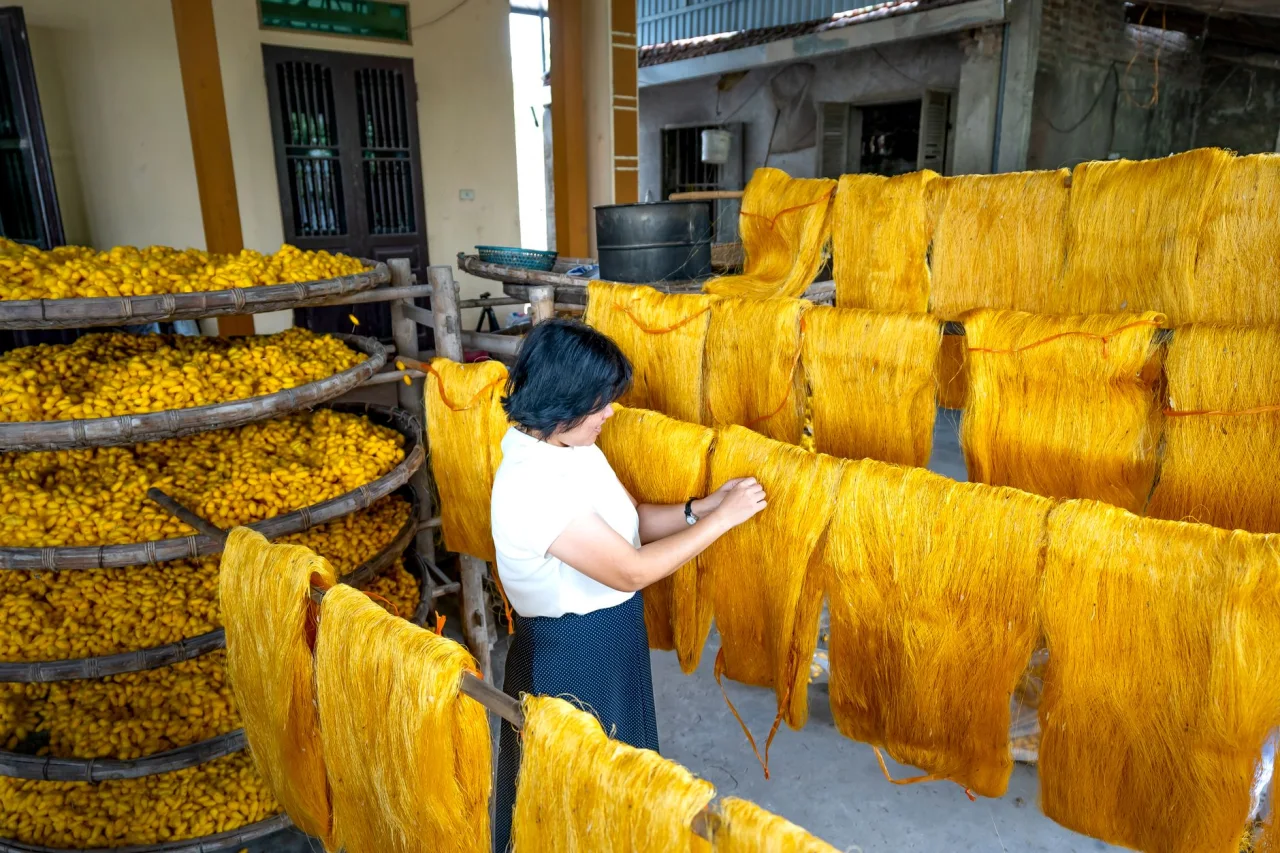
A good kurta needs enough body to hold its shape, and raw silk delivers exactly that. Its firmness keeps a straight cut looking sharp and lets an A-line flare stand out cleanly instead of collapsing. The subtle sheen lifts a plain kurta into something that reads formal, so a solid raw silk kurta can carry a dinner, an Eid lunch or an office celebration with almost no accessorising.
The textured surface also holds embroidery, thread work and small mirror or zari accents beautifully, because the slubby weave gives them something to sit against. Where raw silk is less ideal is in peak heat and in looks that need a liquid, floaty drape, since it is structured rather than fluid, and it wrinkles if crushed. For a side by side with smoother mulberry silk, see our silk versus raw silk comparison.
Styling note
Raw silk already carries sheen and structure, so keep the rest of the look calm. A solid raw silk kurta with cigarette pants or straight trousers, statement earrings and juttis or heeled mules is a complete outfit. Let the fabric be the star and avoid layering it under heavy, competing textures.
Raw silk kurta styles worth owning
Because raw silk holds structure, the shapes that flatter it are clean and architectural:
- Straight solid kurta: a knee or calf length straight cut in a single rich colour, worn over trousers or a churidar. Timeless and endlessly re wearable.
- A-line with embroidered neckline: a soft flare with thread or zari work framing the neck adds occasion polish without heaviness.
- High low or panelled kurta: the fabric's body makes structured hemlines and panels look intentional.
- Kurta with contrast border: a solid body with a woven or embroidered border along the hem and sleeves.
- Festive short kurta with palazzos: a hip length raw silk kurta over wide palazzos for a modern fusion look.
For more cuts and length ideas that translate to raw silk, browse our kurta design ideas, and for outfit pairings across occasions, see how to style a kurta for every occasion.
Colours and embroidery that suit raw silk
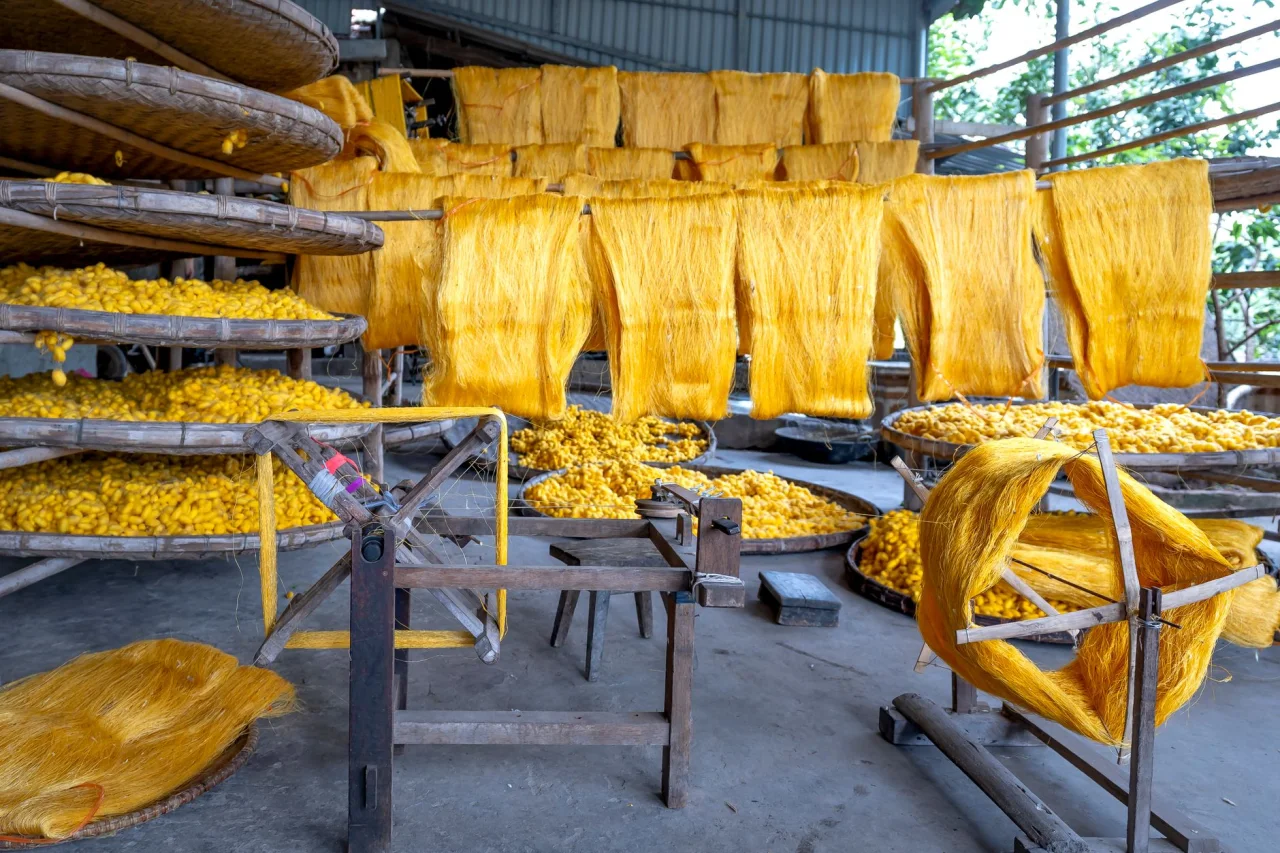
Raw silk sits especially well in deep, saturated tones because the low sheen makes them glow: emerald, sapphire, wine, mustard, rust, ivory and jewel pinks all look luxurious. Softer pastels also work for daytime formals. For embroidery, tonal thread work, zari borders, resham and restrained mirror or dabka accents look elegant against the texture. Because the fabric already has visual richness, a little embellishment goes a long way, so a bordered or lightly worked kurta often looks more refined than a fully covered one.
Fit and construction details
Raw silk kurtas look best when the fit respects the fabric's structure. A clean, slightly relaxed fit through the body lets the cut speak, while an overly tight fit fights the firm hand and creases at stress points. Ask your tailor to line the kurta, or at least the yoke and sleeves, because a soft lining protects the silk, improves the fall and stops the slightly rough inner texture from catching. Neat, finished seams matter too, since raw silk can fray. When buying ready to wear, check the stitching, the neckline finish and whether the piece is lined.
Buying tip
Pure silk, silk blends and art silk all get sold as raw silk, and they wear differently. Pure silk feels warmer and drapes more softly, while polyester based art silk is crisper, shinier and cheaper. Ask what the fibre content is, check the sheen and slub up close, and match the choice to your budget and how often you will wear it.
Care and washing without ruining it
Silk is a protein fibre and needs gentler handling than cotton, but a raw silk kurta is easy to keep looking new with a routine:
- Prefer dry cleaning for special pieces: embellished or pure silk kurtas are safest dry cleaned. For plain, sturdier raw silk, gentle hand washing can work.
- Hand wash cold if you do: use cold water and a mild detergent made for delicates, and wash the kurta alone since dyes can bleed.
- Do not wring or soak long: press water out gently and avoid prolonged soaking, which can dull the sheen.
- Dry in shade: hang on a padded hanger away from direct sun, which fades colour and weakens silk fibres.
- Iron low through a cloth: use a low, cool iron on the reverse or steam through a pressing cloth, and never press embellishment directly.
- Store breathable: keep it on a hanger in a breathable cover, not sealed plastic, so the fabric can breathe.
Who should choose a raw silk kurta
A raw silk kurta is a smart pick if you want a piece that looks formal with minimal effort, if you like texture and a soft glow rather than high shine, and if you value a garment that holds a clean shape. It is worth investing in pure or good quality blended silk for festive and occasion wear you will keep for years. It is a less practical choice for peak summer heat, hard everyday washing or looks that demand a liquid drape. Chosen for the right occasion and cared for gently, it is one of the most quietly luxurious pieces in a desi wardrobe.
Frequently asked questions
What is raw silk exactly?
Technically, raw silk is silk that still contains sericin, the gummy protein coating removed during degumming. In everyday fashion, raw silk usually refers to a firmer, textured, low sheen silk with visible slubs, and the term is sometimes loosely applied to silk noil as well.
Is a raw silk kurta good for summer?
Raw silk is more structured and can feel warmer than light cottons or lawn, so it is better suited to mild weather, evenings and air conditioned settings than peak summer heat. For hot daytime wear, a breathable cotton or lawn kurta is more comfortable.
Can I wash a raw silk kurta at home?
Plain, sturdier raw silk can be gently hand washed in cold water with a mild detergent, washed alone since dyes may bleed, and dried in shade. Embellished or pure silk kurtas are safest dry cleaned to protect the fabric and any work.
Does raw silk wrinkle a lot?
Raw silk has a firm, textured hand and can crease if crushed or packed tightly, though its slubby surface hides light wrinkling better than a smooth satin. Hang it to store and press on low heat through a cloth to keep it crisp.
How much does a raw silk kurta cost?
It varies widely by fibre, whether it is pure silk, a blend or art silk, plus embroidery, brand and retailer. Rather than a fixed figure, think in ranges from affordable art silk up to designer pure silk, and always confirm current pricing with the seller.
More on Fabrics
Have a question or a topic to suggest?
We read every message. Tell us what you would like to see next in the journal.
Get in touch