Shalwar Kameez Designs 2026
20+ shalwar kameez design ideas for 2026, sorted by occasion and budget, with neckline, sleeve and dupatta tips to match your shape.
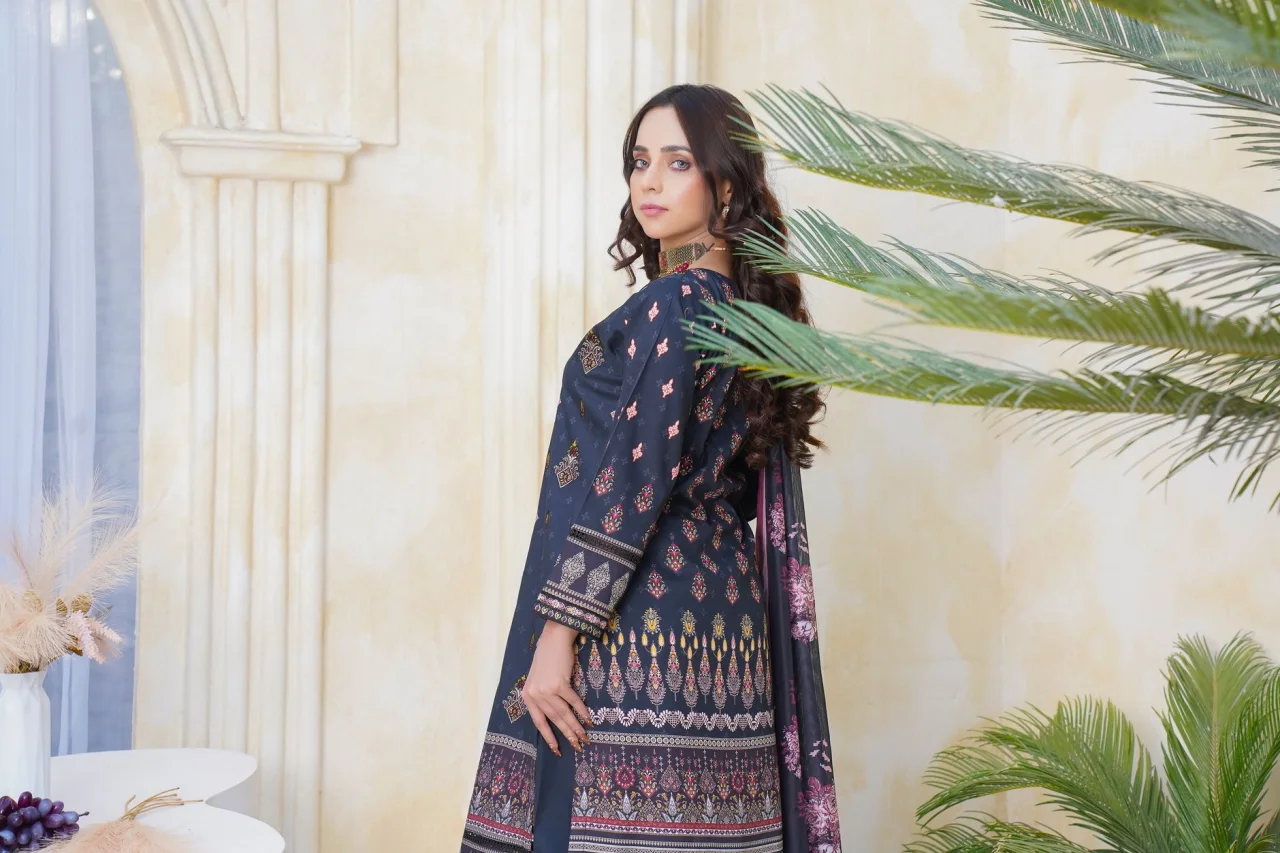
The shalwar kameez is the most versatile outfit in the desi wardrobe, and its design language shifts every season without ever losing its roots. For 2026 the mood is quieter tailoring, cleaner necklines and smarter fabric choices, so you can carry the same three pieces from a work desk to a family dinner. This roundup gathers more than twenty design ideas, grouped by occasion and budget, so you can find a shape that flatters you rather than chasing a trend.
The short version
- A shalwar kameez is three pieces: the kameez (tunic), the shalwar (trousers) and the dupatta (scarf), and each one can be restyled.
- 2026 favours structured straight and A-line kameez cuts, narrow trousers and understated embroidery over heavy all-over work.
- Design choices should follow the occasion and your body shape first, then colour and print.
- Everyday cotton designs and heavy formal designs use the same silhouette, so learning a few shapes covers your whole year.
How to read a shalwar kameez design
Before you scroll through options, it helps to know the levers a designer actually pulls. Every shalwar kameez is built from three garments, and the outfit changes character when you adjust any one of them. The kameez controls length, neckline and fit. The lower half can be a classic shalwar, a slim trouser, a wide palazzo or a churidar, and that single swap can move a look from traditional to modern. The dupatta then sets the formality, from a light cotton scarf to a fully embroidered net drape.
According to the garment's documented history, the shalwar is a loose trouser that is wide at the top and narrows at the ankle, while the kameez is a long shirt or tunic often left open at the side seams below the waist for ease of movement. Those two features are the foundation of almost every design below, so you are really choosing variations on a very old and very practical template.
Everyday and casual designs
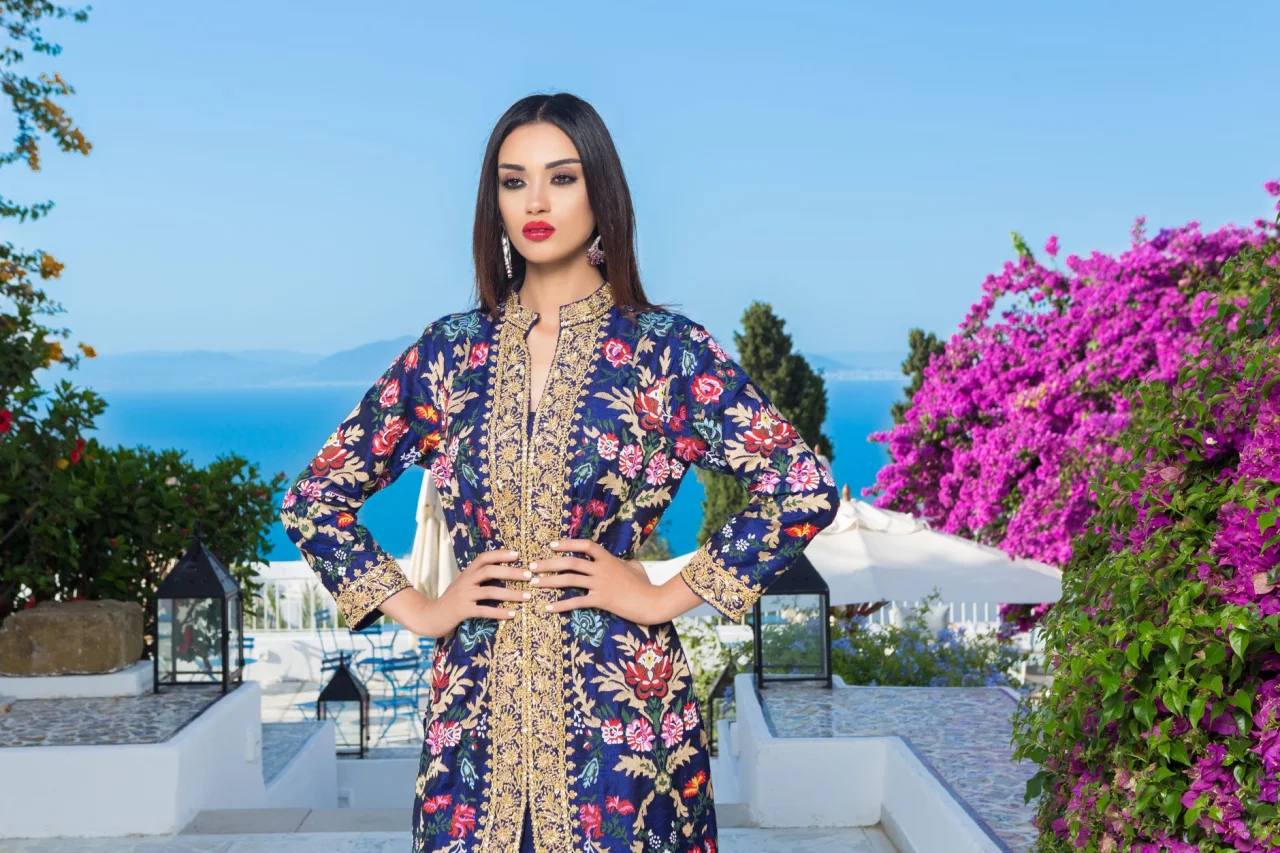
Daily wear is where comfort leads and the design stays calm. These shapes are made to be washed often, layered simply and worn without fuss.
- Straight-cut cotton kameez: a knee-length tunic with a plain round or V neckline, paired with a slim trouser. It reads clean and modern and suits most body types.
- Short shirt with cigarette pants: a hip-length kameez over narrow ankle-grazing trousers, ideal for a put-together but relaxed look.
- Boat-neck kurti style: a wide neckline that flatters the shoulders, kept minimal with a contrast piping detail.
- Printed A-line: a softly flared kameez in a small floral or geometric print that skims the hips and needs no jewellery.
- Collared button-down kameez: a shirt-inspired top that borders on Indo-western and works with both trousers and jeans.
For hot months, fabric matters more than the cut. A breathable weave keeps a simple design looking crisp all day, which is why cotton and lawn dominate summer casuals. Our guide to the best fabrics for Pakistani summers explains why.
Office and smart designs
Workwear sits between casual and festive: structured, low on shine, high on polish. The goal is a design that looks intentional in a meeting and still lets you move.
- Tailored straight kameez in a solid colour: nothing flatters a workspace like a well-cut single-tone tunic with a matching or tonal trouser.
- Subtle self-embroidery: tone-on-tone thread work along the placket or cuffs adds interest without looking dressy.
- Panelled A-line: vertical seams create a lengthening line and a professional silhouette.
- Waistcoat layering: a short jacket or waistcoat over a plain kameez instantly formalises a basic outfit.
Styling note
For office designs, keep the dupatta lightweight and let it sit neatly, or skip it with a collared kameez. A structured trouser in the same colour family lengthens the frame and keeps the focus on tailoring rather than embellishment.
Festive and Eid designs
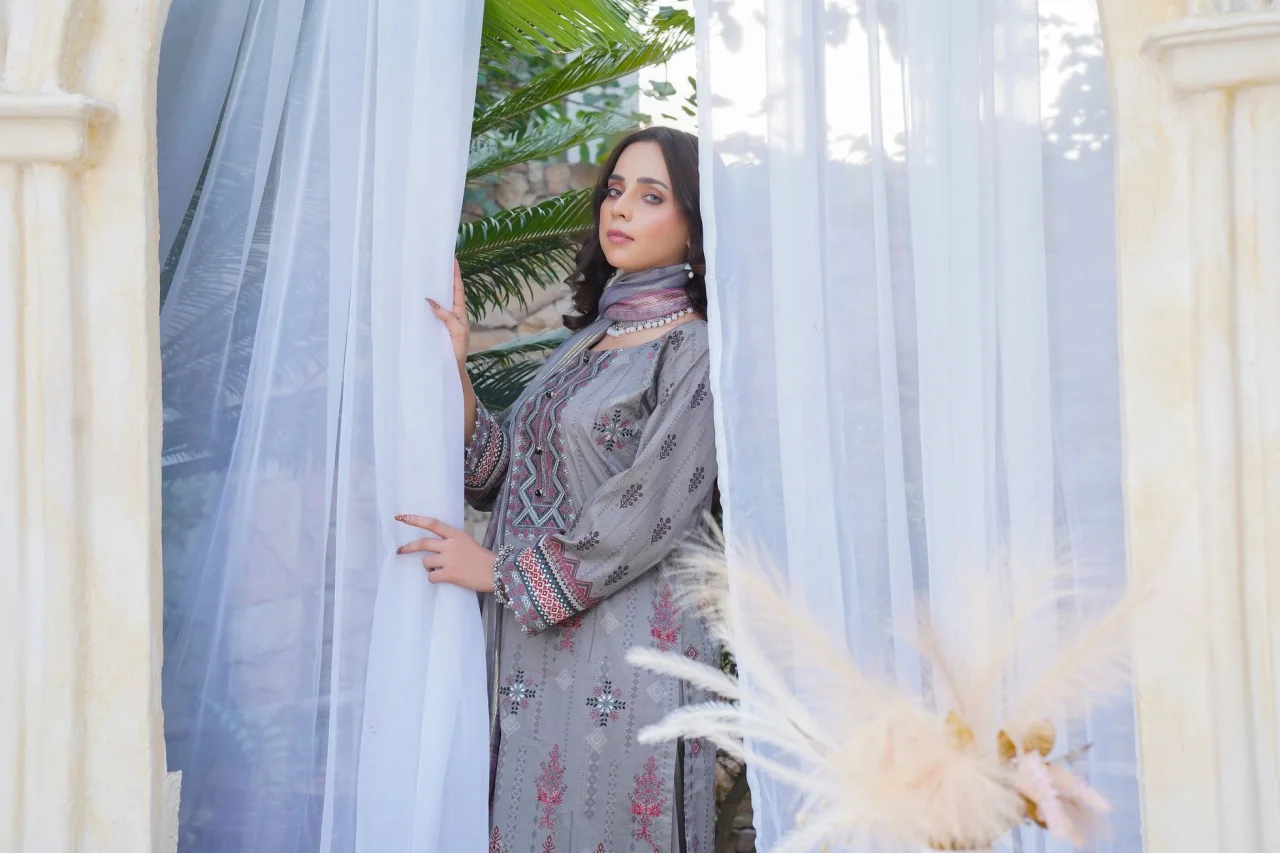
Festive shalwar kameez leans into colour, sheen and a little more embroidery, but 2026 keeps it refined rather than loud. Think placed motifs instead of head-to-toe work.
- Chikankari-inspired kameez: delicate white-on-colour thread work that feels celebratory yet breathable.
- Embroidered neckline with plain body: a worked yoke draws the eye up and keeps the rest simple.
- Angrakha-style overlap: a wrap front with a tie detail brings a heritage silhouette to festive dressing.
- Contrast dupatta: a solid kameez paired with a printed or embroidered dupatta is an easy, high-impact festive design.
- Bright monochrome: a single saturated colour top to bottom looks modern and photographs beautifully.
If you are dressing for the season specifically, our Eid outfit ideas for 2026 pair these silhouettes with jewellery and footwear.
Formal and wedding-guest designs
For weddings and evening events, the shalwar kameez turns into occasion wear through fabric and embellishment rather than a change of shape. These designs carry the most detail.
- Sharara or gharara pairing: a short embellished kameez over flared, panelled trousers is a classic celebration look.
- Net or organza dupatta with borders: a sheer drape with a worked edge frames a formal outfit.
- Zari and dabka accents: metallic thread and coiled wire work catch light for evening events; a little goes a long way.
- Full-length straight formal: an ankle-length kameez in a rich tone reads elegant and unfussy.
- Peplum kameez: a fitted top with a flared waist frill adds structure and a contemporary edge.
Designs by budget
The same silhouette lives at every price point, so budget mostly buys you fabric quality and the amount of hand work. Prices vary widely by fabric, embroidery, stitching and retailer, so treat these as broad brackets and confirm current pricing before you buy.
- Budget: unstitched or ready cotton and lawn suits with printed designs and machine embroidery.
- Mid-range: better fabric, mixed hand and machine embroidery, and a contrast or embellished dupatta.
- Premium: fine fabrics, extensive hand embroidery such as zari or dabka, and designer tailoring.
Buying unstitched fabric and having it tailored to your measurements often gives the best fit for the money. To match a shape to your frame and budget, see our salwar kameez fit, fabric and price guide.
The dupatta makes the design
It is easy to treat the dupatta as an afterthought, but it often decides how a whole outfit reads. As a long shawl-like scarf worn across the subcontinent, it can be draped over one shoulder, wrapped across the chest in a U or V shape, or draped behind both shoulders. A plain kameez with a heavily worked dupatta instantly becomes formal, while a printed dupatta over a solid suit adds colour without extra tailoring. Regional versions such as the phulkari from Punjab or bandhani tie-dye from Gujarat and Rajasthan let you carry real craft into a simple design.
Neckline and sleeve variations
Small details near the face carry a design further than most people expect, which is why necklines and sleeves are where a lot of 2026 interest sits. The neckline frames the whole outfit, so it is worth choosing deliberately.
- Boat neck: wide and elegant, flatters the shoulders and suits minimal jewellery.
- V and sweetheart: lengthens the neck and works well with a pendant.
- Mandarin or band collar: a clean, slightly formal finish that reads modern.
- Keyhole and tie-back: a small detail at the back that adds interest without embellishment.
- Square neck: a contemporary shape that suits both casual and festive suits.
Sleeves add another layer of variation: fitted full sleeves for a polished line, bell or flared cuffs for drama, bishop sleeves for volume, or short and three-quarter lengths for summer ease. Pairing a simple neckline with a detailed sleeve, or the reverse, keeps a design balanced rather than busy. These small choices are the easiest way to make a plain suit feel personal without adding cost.
Choosing the right design for you
The most flattering design is the one that suits your shape and your day, not the most decorated one. A few reliable guidelines:
- Match the silhouette to your frame: straight cuts suit most bodies, A-line flatters fuller hips, and a defined waist detail balances a longer torso.
- Let the occasion set the fabric and embellishment level, then choose colour last.
- Buy fewer, better-fitting pieces you can restyle rather than many novelty prints.
- Keep one neutral formal suit that you can rework with different dupattas and jewellery.
If you are still deciding whether this outfit is right for you at all, start with our complete guide to the shalwar kameez. For a lighter warm-weather cousin of these designs, the lawn suit design roundup covers the same silhouettes in seasonal cotton fabric.
Frequently asked questions
What is the difference between a shalwar kameez and a salwar kameez?
They are the same outfit spelled two ways. Shalwar is the more common spelling in Pakistan and salwar is common in India, but both describe the trouser, tunic and dupatta combination.
Which shalwar kameez design is most flattering?
A straight-cut kameez in a solid colour with a slim trouser suits the widest range of body types. If you have fuller hips, a softly flared A-line is very forgiving, and a defined waist detail balances a longer torso.
Are heavy embroidered designs trending in 2026?
The direction in 2026 is toward refined, placed embroidery such as a worked neckline or border rather than head-to-toe work. Understated tailoring and cleaner necklines are leading, though heavy hand embroidery remains popular for weddings.
Can I wear a shalwar kameez to the office?
Yes. A tailored straight kameez in a solid colour with a matching trouser and a light or skipped dupatta reads professional. Tone-on-tone self-embroidery and a waistcoat layer add polish without looking dressy.
Is it better to buy stitched or unstitched?
Unstitched fabric tailored to your measurements usually gives a better fit and lets you choose the exact silhouette, while ready-stitched suits are faster and convenient. If fit matters most to you, unstitched is worth the extra step.
More on Clothing Types
Have a question or a topic to suggest?
We read every message. Tell us what you would like to see next in the journal.
Get in touch