Farshi Shalwar vs Gharara
Both come from the courts of Awadh, both are wide-legged, both feel regal. Here is the real difference between them.
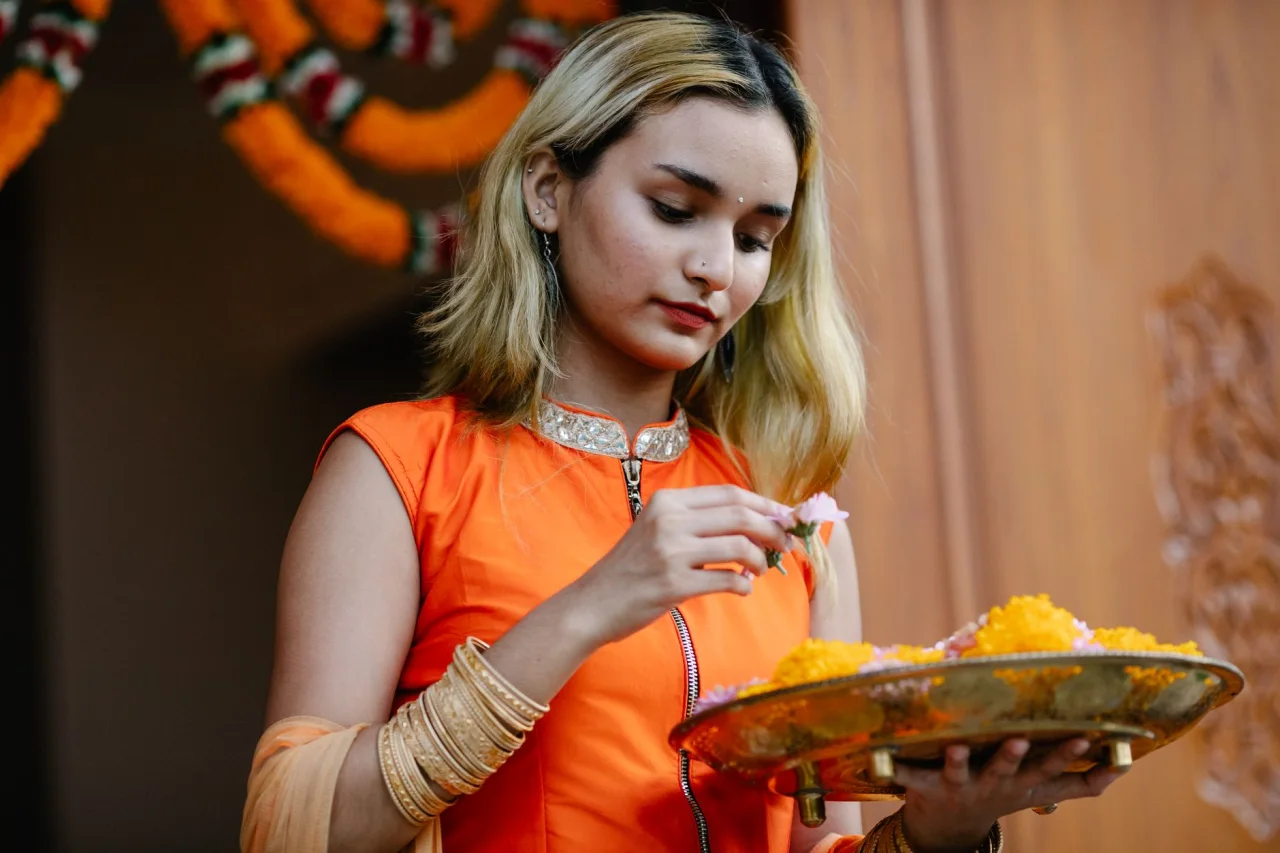
Two heritage silhouettes are having a moment again: the farshi shalwar, with its dramatic floor-pooling train, and the gharara, with its wide legs flaring from an embroidered knee. Both come from the courts of Awadh, both feel unmistakably regal, and both are easy to confuse. This guide explains where each one comes from, exactly how they differ in cut, and why they are back on wedding rails, so you can tell them apart and wear them well.
The short version
- The farshi shalwar is a floor-length garment with a long flaring train that pools onto the ground, traditionally held up in one hand while walking.
- The gharara is a pair of wide-legged trousers fitted to the knee, then flared out from a decorative knee joint.
- Both originate in Awadh and the Nawabi courts and are worn with a short kurti and a dupatta.
- Their revival is driven by heritage-led bridal and festive fashion, usually in modernised, more manageable lengths.
The quick answer
The fastest way to separate them is the hem. A farshi shalwar, also called a farshi pajama, falls straight to the ankle and then keeps flaring into a long trail that spreads onto the floor. A gharara stops at the ankle with no train, and its drama comes from wide legs that flare outward from a gathered, embroidered joint at the knee. In short: the farshi trails on the ground, the gharara does not.
What a farshi shalwar is
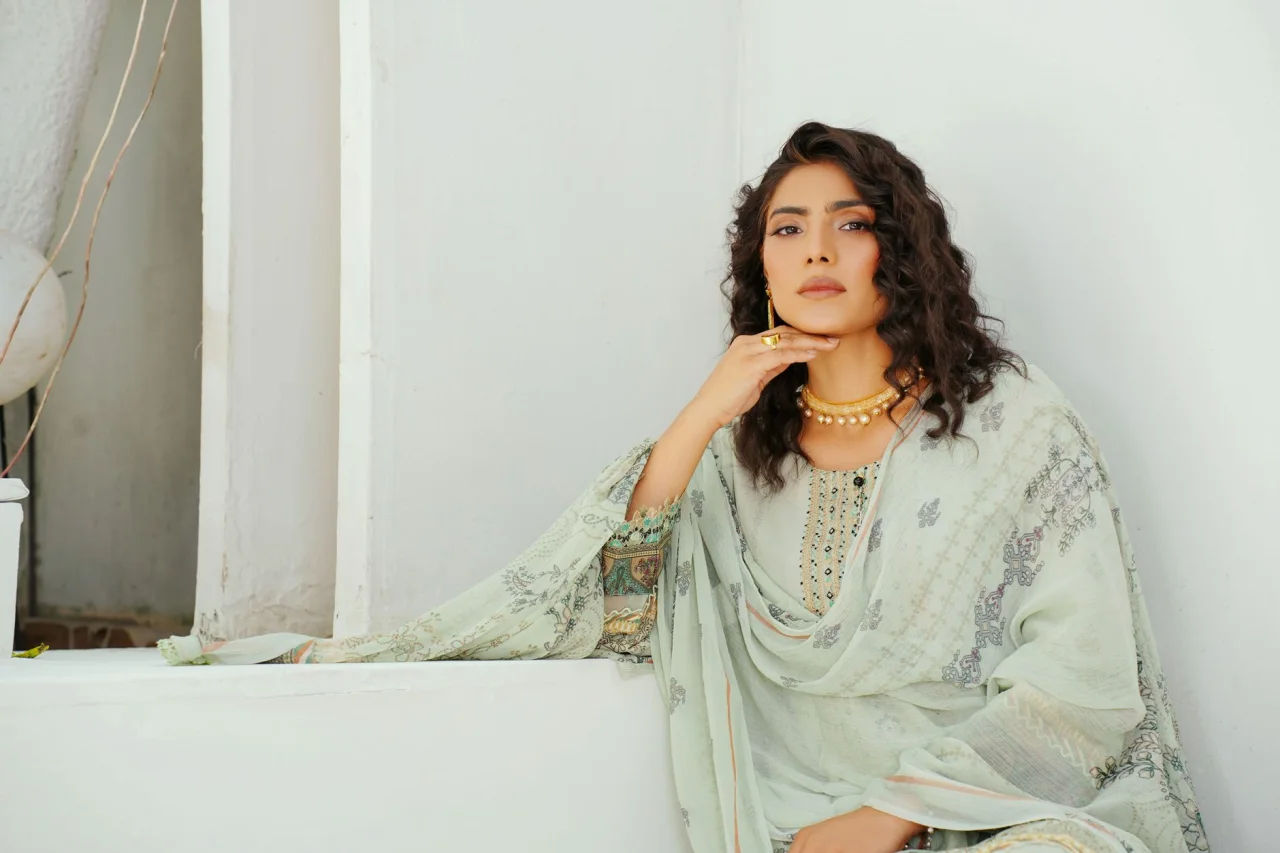
The farshi shalwar is a flowing, floor-length garment described as a two-legged skirt held by drawstrings. It falls straight to the ankles, then flares copiously so the excess fabric pools onto the floor like a train. It emerged in early twentieth-century Awadh, in what is now Uttar Pradesh, worn by royalty and elite women, and its flowing lines were influenced by the gowns of British noblewomen of the period.
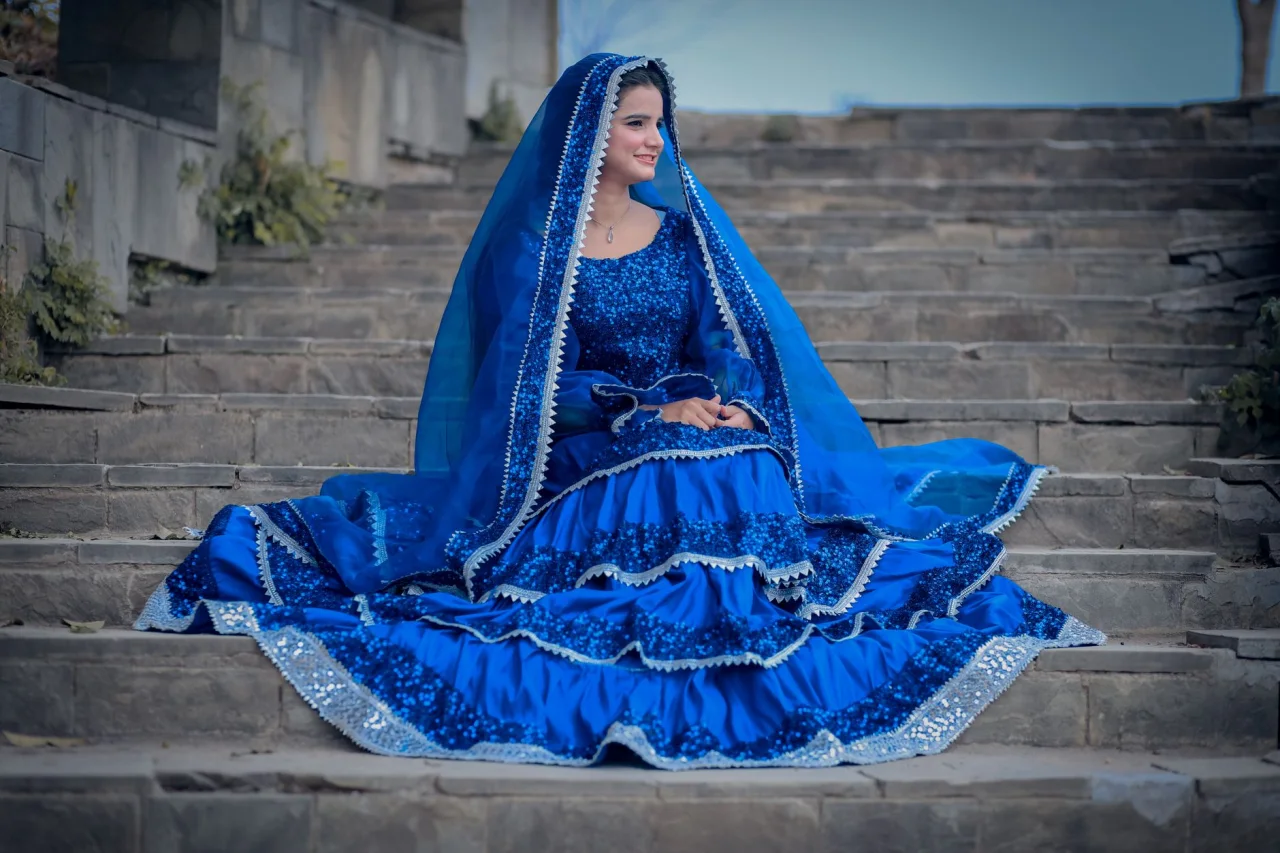
Two details tell you how grand it was. First, the fabric: historically a single farshi could use anywhere from nine to fifteen yards of cloth, often lavishly worked with gold and silver thread embroidery. Second, the walk: the wearer would carefully gather and fold the trailing fabric and hold it in her left hand, keeping the right hand free. For the full picture, see our farshi shalwar guide and the farshi shalwar designs roundup.
That deliberate, one-handed gathering was part of the garment's language of status. It signalled that the wearer moved slowly and formally, in settings where a trailing hem could be shown off rather than worried about. The farshi was never meant to be practical, and that is exactly the point: it was court dress, designed to communicate leisure, wealth and grace through sheer quantity of beautifully worked cloth.
What a gharara is
The gharara is a three-part outfit: a short kurti, a dupatta, and distinctive wide-legged trousers. The signature is the knee. Each leg is fitted from the waist to the knee, then flares out from a joint, and that joint, sometimes called the gota, is emphasised with heavy embroidery in zari and zardozi to disguise the seam in style.
It originated in Awadh during the era of the Nawabs and was part of everyday attire among Muslim women of the Hindi-Urdu belt in the late nineteenth and early twentieth centuries. The volume is real: a traditional gharara can use over twelve metres of fabric per leg, often in silk brocade. Public figures such as Fatima Jinnah helped keep it prominent in the mid-twentieth century. Our complete gharara guide covers the construction, and the gharara designs roundup shows current takes.
It is worth pausing on that knee joint, because it is the heart of the garment. The fitted section from waist to knee keeps the silhouette sleek up top, and then the flare bursts out below, so the eye is led straight to the embellished seam. Traditionally this band was worked so densely that it hid the join entirely, turning a construction necessity into the showpiece of the whole outfit. A well-made gharara is often judged first on how clean and rich that knee is.
Farshi shalwar vs gharara at a glance
| Feature | Farshi shalwar | Gharara |
|---|---|---|
| Hemline | Trails and pools on the floor | Ends at the ankle, no train |
| Where it flares | From the ankle outward into a trail | From an embroidered knee joint |
| Origin | Early twentieth-century Awadh, British gown influence | Awadh during the Nawabi era |
| How it is worn | Trail gathered and held in one hand while walking | Worn like trousers, no gathering needed |
| Signature detail | The floor-length pooling train | The decorated knee seam and wide legs |
Spot it in a photo
Look at the floor. If fabric spreads out around the feet like a puddle of cloth, it is a farshi shalwar. If the hem stops cleanly at the ankle and the interest is at the knee, it is a gharara. Both pair with a short kurti and dupatta, so the legs and hem are your clues, not the top.
What they share
These two are cousins, not strangers. Both come from the same courtly Awadhi tradition, both put the volume in the lower half rather than a skirt, and both are worn with a short kurti and a draped dupatta. Both were also garments of status, using generous yardage and rich metal-thread embroidery. That shared heritage is exactly why they turn up together in the same bridal collections and why shoppers mix them up.
They also sit near the sharara, another wide-legged silhouette. If you want the sharara and gharara split specifically, our guide to the difference between sharara and gharara covers it: the sharara flares from the waist in one sweep, the gharara from the knee.
Why they are being revived
The comeback is part of a broader heritage revival in South Asian bridal and festive fashion, where couples and designers look back to Mughal and Nawabi silhouettes for occasion wear. A few practical shifts have made the revival stick:
- Modernised proportions: modified, shorter farshi versions appear at contemporary weddings, keeping the pooling effect without the full historical yardage.
- Lighter construction: today's ghararas and farshis are often built in lighter fabrics so they are wearable through a long event.
- Event dressing: both suit the multi-function Pakistani wedding calendar, from mehndi to walima, where distinctive silhouettes stand out.
To place them in the wider occasion wardrobe, see our wedding wear designs.
How to style each one
- Farshi shalwar: let the train lead. Keep the kurti relatively short and structured so the eye travels down to the pooling hem, and choose a dupatta you can drape without competing with the trail. Reserve it for seated or slow-moving occasions where the floor-length effect can be seen.
- Gharara: emphasise the knee. A contrast or heavily worked joint reads best with a fitted kurti and heeled footwear that keeps the wide legs off the ground. It moves more freely than a farshi, so it suits events where you will be up and about.
For styling the gharara through a full event, our gharara styling guide walks through looks occasion by occasion.
Which should you choose?
Choose a farshi shalwar when you want the most dramatic, heritage-forward statement and the occasion allows a floor-length train, such as a nikah or walima where you will be photographed and largely seated. Choose a gharara when you want regal volume that is still easy to move in across a lively mehndi or reception. Both are investment pieces, so buy for the specific event and body of the celebration rather than for novelty alone.
Frequently asked questions
What is the difference between a farshi shalwar and a gharara?
A farshi shalwar falls to the ankle and then keeps flaring into a long train that pools on the floor, traditionally held in one hand while walking. A gharara ends at the ankle with no train, and its wide legs flare from a decorated joint at the knee. The farshi trails on the ground, the gharara does not.
Are the farshi shalwar and gharara from the same place?
Both originate in Awadh, in present-day Uttar Pradesh. The gharara dates to the era of the Nawabs, while the farshi shalwar emerged in the early twentieth century among royalty and elite women, with its flowing lines influenced by British noblewomen's gowns of the period.
Why is the gharara flared at the knee?
The gharara is fitted from waist to knee, then flares outward from a joint. That joint is usually emphasised with heavy zari and zardozi embroidery, which both decorates the garment and disguises the seam where the flare begins.
Is the farshi shalwar practical to wear today?
In its full historical form it uses nine to fifteen yards of fabric and a trailing train that must be gathered by hand, so it suits formal, mostly seated occasions. Modern revivals use modified, shorter proportions that keep the pooling effect while being easier to wear at contemporary weddings.
What do you wear on top with each?
Both are worn with a short kurti and a dupatta. The lower garment, the trailing farshi or the knee-flared gharara, provides the drama, so the top is usually kept relatively short and structured.
More on Buying Guides
Have a question or a topic to suggest?
We read every message. Tell us what you would like to see next in the journal.
Get in touch