Dabka Suit Designs Worth Buying 2026
Coordinating coil work across shirt, trousers and dupatta, with quality checks and occasion matching.
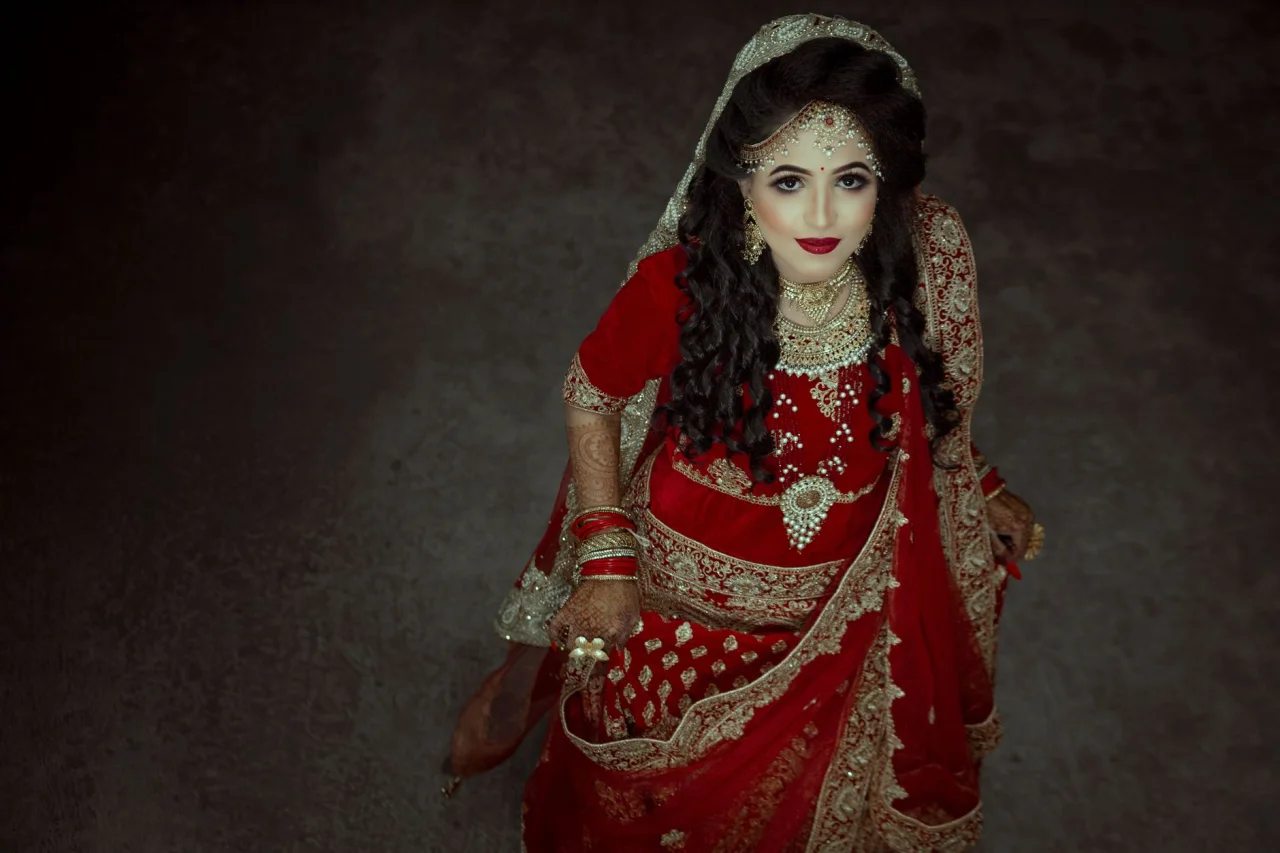
A dabka suit is where raised metallic embroidery gets room to tell a fuller story: shirt, trousers and dupatta together, worked in the springy coiled wire that catches light with every movement. Because a suit is a three-piece canvas, the placement of dabka matters even more than on a single kurti. This guide covers the dabka suit designs worth buying in 2026, how to spot honest quality, and how to match the work to the event.
The short version
- Dabka is coiled metallic wire from the zardozi and goldwork tradition, couched onto fabric so it sits raised and reflective rather than flat.
- On a suit, judge how the work is distributed across shirt, trousers and dupatta: balanced placement reads intentional and formal.
- Prices swing hugely with fabric, density of work, and hand versus machine application, so treat every figure as a range and confirm before buying.
- Unstitched suits let you control fit and add or omit work; ready-to-wear saves time but locks the design.
What makes a dabka suit different
Dabka is a fine metal wire wound into a hollow coil, cut into short pieces and stitched down with a second thread, a method called couching that belongs to the wider world of metal thread embroidery. The same coiled wire is called purl or bullion in classic goldwork, and the tradition sits alongside zardozi, the heavy metallic embroidery that flourished in the Mughal era. Because the coils sit on the surface, they raise the design and throw light, which is why a dabka suit reads dressier than one with flat thread work. On a full suit the effect multiplies: a worked neckline echoed by a dabka border on the dupatta and a touch on the trouser hem creates a coordinated, occasion-ready look. If you want the deeper craft background, see our note on what dabka is and how to spot quality.
The reason a suit rewards careful planning is that the eye reads all three pieces together. A shirt with a heavily worked front, a dupatta drowning in border, and trousers with dense hem work will fight for attention and end up looking cluttered rather than rich. The most elegant dabka suits behave like a conversation: one piece speaks loudly, the others answer softly. That principle also protects your budget, because concentrating fine hand work in one focal area costs less than scattering it everywhere, and usually looks more refined too.
Dabka suit designs worth buying in 2026
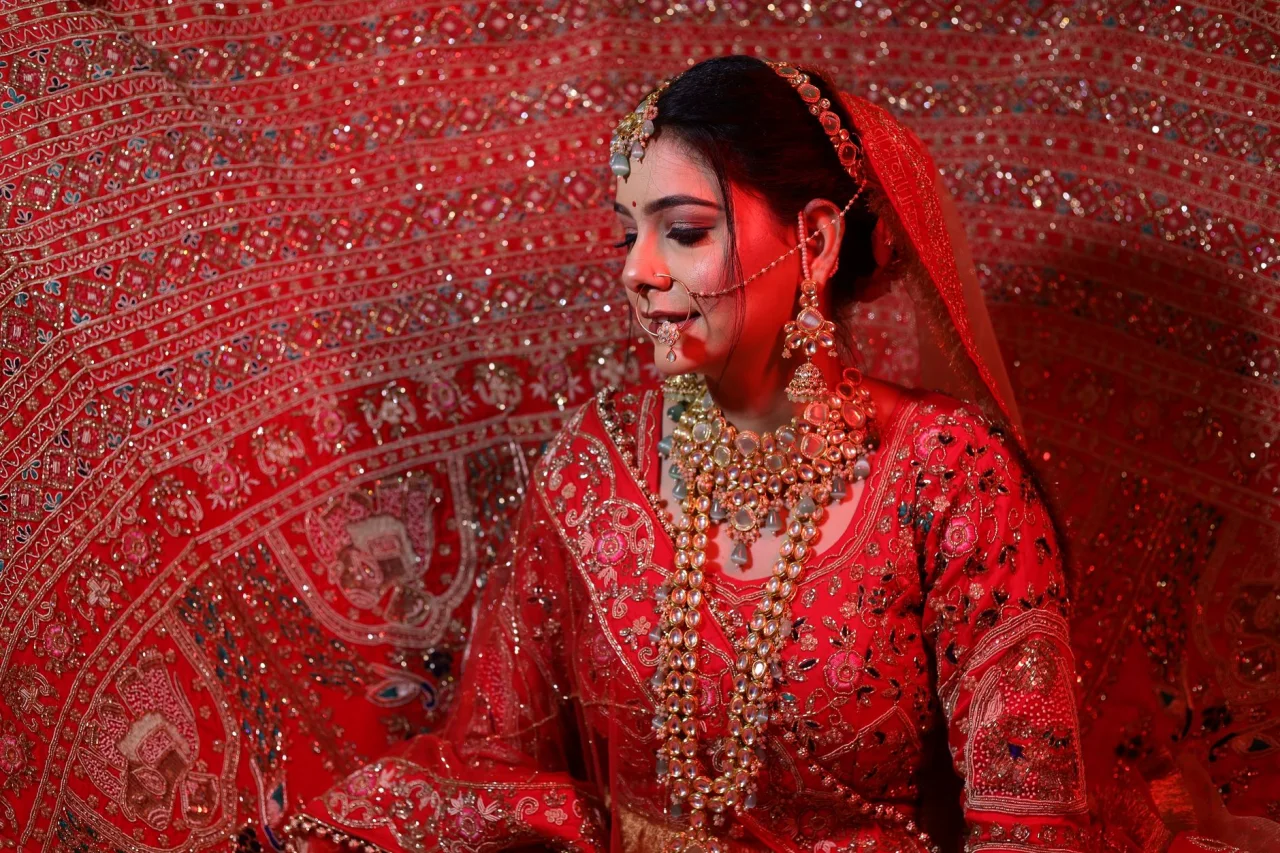
Think in terms of where the work lives rather than chasing a trend list. These placements recur because they flatter and coordinate well.
- Statement-neckline suit: concentrated dabka around the neck and shoulders, with a lighter dupatta border to echo it. The most balanced everyday-formal choice.
- Full-front panel suit: dense coil work down the centre of the shirt for a rich, festive front. Best kept plain elsewhere so it does not overwhelm.
- Border-led suit: dabka running along shirt hem, sleeve edges and dupatta borders, leaving bodies clean. Elegant and easy to wear.
- Scattered-motif suit: small dabka buttis spread over the shirt, often with sequins or resham, for an all-over soft shimmer.
- Dupatta-focused suit: a plain or lightly worked shirt paired with a heavily bordered dabka dupatta, so the drape becomes the centrepiece.
Styling note
On a worked suit, let one piece lead. If the shirt front is heavy, keep the dupatta border slim, and vice versa. Two competing heavy elements flatten each other, while one clear focal point looks deliberate.
How to judge a dabka suit before you pay
Inspect the reverse of every worked section, because the back tells the truth about the finishing.
- Secure couching: coils should be firmly held with no gaps. On a dupatta especially, loose work sheds fast with draping and folding.
- No poking ends: gently run a finger along the lines. Sharp wire ends snag skin and thread, and signal rushed work.
- Even runs: spacing and height of the coils should be consistent along a line.
- Supported panels: heavy areas need proper backing so the fabric does not pucker or droop.
- Coordinated tones: the metal shade should read consistently across all three pieces, not mismatched between shirt and dupatta.
Unstitched versus ready-to-wear
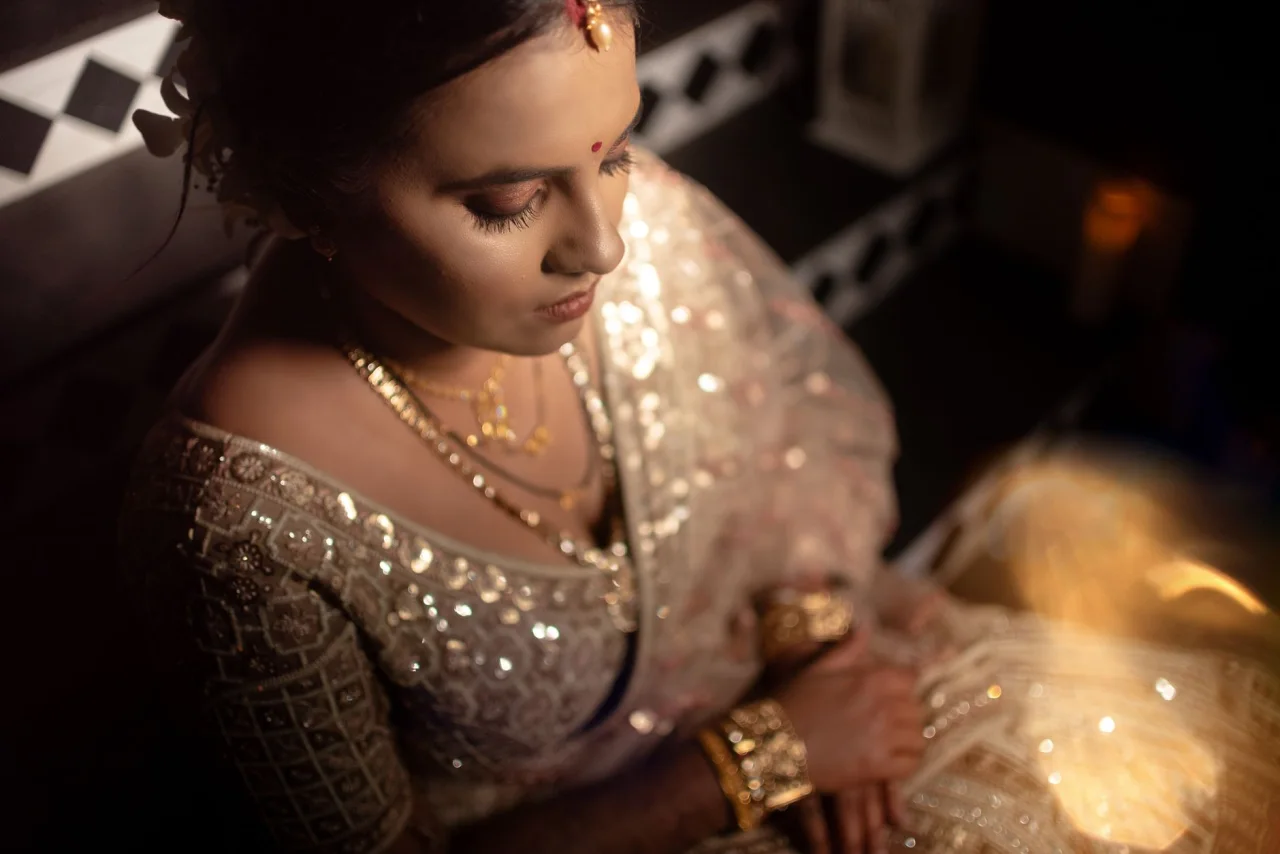
Dabka suits sell both ways. An unstitched suit gives you fabric and embroidery to tailor to your exact fit, and lets you place or omit work as you like, which is ideal if you want the neckline shaped a particular way. Ready-to-wear saves time and shows you the final drape, but you cannot change the design. Neither is better in the abstract: it depends on whether fit or convenience matters more to you. Our comparison of ready to wear versus unstitched lays out the trade-offs in full.
Hand versus machine dabka on a suit
Traditional dabka is applied by hand, coil by coil, which is slow, skilled and more valuable. Many contemporary suits use machine or partly machine-assisted work to reach the raised look at a friendlier price. A good machine-assisted suit can be a sensible everyday-formal buy, and fine hand work is worth its premium for heirloom pieces. The key is an honest seller and a secure finish. To train your eye, read our guide on telling hand and machine embroidery apart.
Fabrics that suit dabka work
The base cloth shapes both drape and durability.
- Lawn and cotton: breathable and casual-leaning, best with lighter work. See our lawn fabric guide.
- Silk and raw silk: enough body to carry dense coils, with a natural sheen that flatters metal.
- Chiffon and organza: beautiful for dupattas, but they need light, well-supported work so they do not sag.
- Velvet: a classic winter ground for heavy metal thread, best on formal suits.
Fabric and work should also match the season you plan to wear the suit in. A dense dabka yoke on velvet is glorious in winter and stifling in summer, while light coil work on lawn or cotton keeps a warm-weather suit both dressy and breathable. Thinking about climate first, then occasion, then density, tends to produce a suit you actually reach for rather than one that stays in the wardrobe. It is a small reordering of priorities that quietly prevents the most common buyer's regret.
Matching a dabka suit to the occasion
Density is your dial. Light border work suits daywear and low-key gatherings. A worked neckline with a coordinating dupatta border fits Eid mornings and casual celebrations. A full-front panel or heavily bordered dupatta belongs at evening functions, mehndi events and festive dinners. Buy lighter when unsure, because a subtle suit can be elevated with jewellery, while a heavily worked one cannot be toned down. For festive planning, our festive wear ideas show how metallic work fits a fuller look, and our dabka lehenga guide covers the heavier end of the spectrum.
Colour of the metal matters as much as the amount. Classic gold reads warm and traditional and pairs naturally with reds, greens and deep jewel tones, while antique or oxidised gold gives a softer, more vintage feel. Silver dabka looks cooler and more contemporary, and suits pastels, greys and monochrome palettes beautifully. Matching the metal tone to your skin and to your jewellery pulls the whole outfit together, so decide on gold or silver before you settle on a base colour rather than after.
Care in one line
Because metal thread work does not survive frequent laundering, keep dabka suits to gentle spot cleaning or professional dry cleaning, air rather than wash after wear, and store folded with the work protected.
Caring for a dabka suit
Metal thread pieces are traditionally kept for occasional wear because the threads will not hold up to repeated laundering. Air your suit after wearing, spot clean small marks, and rely on a trusted dry cleaner for anything more. Fold each piece with tissue over the worked areas so coils do not crush, and keep the dupatta separate so its border does not catch on the shirt. Treated gently, a dabka suit stays sharp across many seasons.
Frequently asked questions
How is a dabka suit different from a dabka kurti?
A kurti is a single top, while a suit is a three-piece set of shirt, trousers and dupatta. That gives a suit more surface to coordinate, so placement across all three pieces becomes the main design decision.
Should I buy a dabka suit stitched or unstitched?
Unstitched gives you control over fit and lets you shape or omit work, while ready-to-wear saves time but locks the design. Choose based on whether a precise fit or convenience matters more to you.
Can I wash a dabka suit at home?
Avoid regular washing. Metal thread work does not survive frequent laundering, so spot clean by hand and use professional dry cleaning for anything more. Never machine wash or wring the worked pieces.
How much does a dabka suit cost?
Prices vary widely with fabric, density of work, and hand versus machine application, so a single figure would mislead. Treat listings as a range and confirm current pricing with the retailer.
Which fabric is best for a dabka suit?
Silk and raw silk carry dense work well, lawn and cotton suit lighter everyday designs, and chiffon or organza make elegant dupattas when the work is kept light and supported.
More on Embroidery
Have a question or a topic to suggest?
We read every message. Tell us what you would like to see next in the journal.
Get in touch