What Is Resham Embroidery?
The colourful silk thread work behind desi outfits: where it comes from, how it is stitched and how to tell careful handwork from a cheap copy.
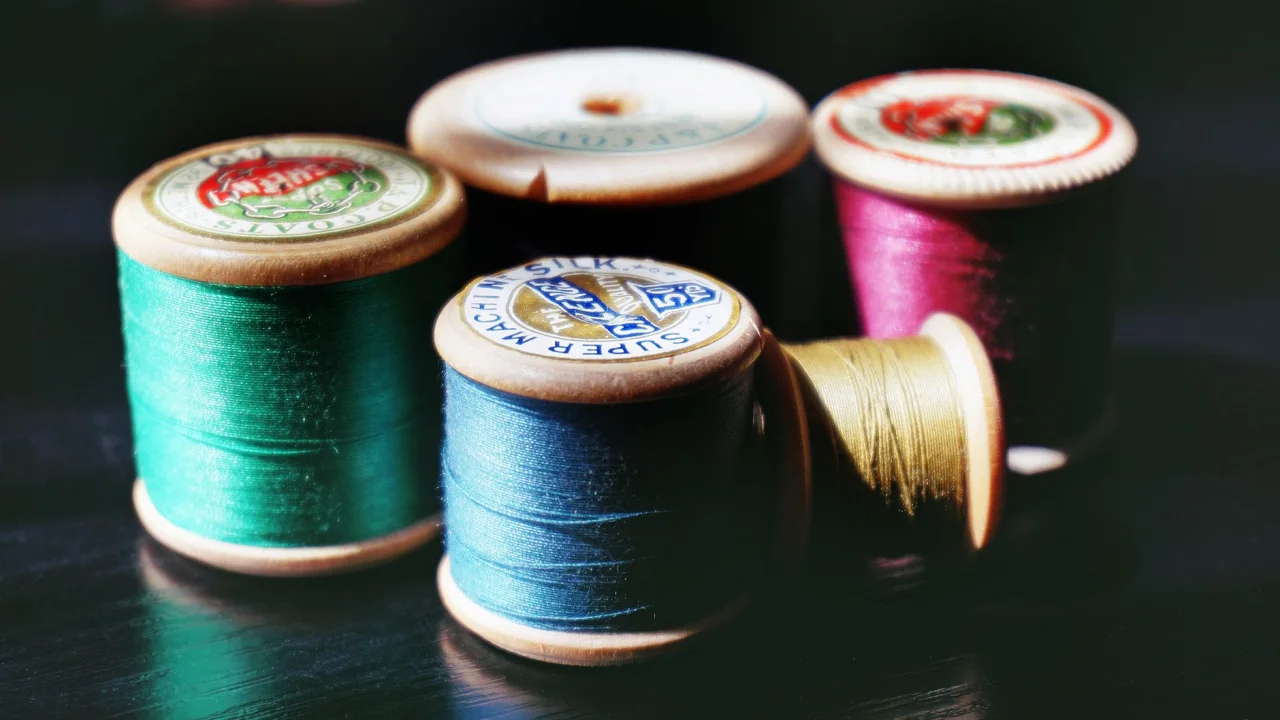
Resham embroidery is the glossy, colourful thread work that gives so many desi outfits their soul: the trailing vines on a lawn kurti, the dense floral bouquet on a dupatta corner, the shaded petals on a bridal blouse. The word resham simply means silk, and at its heart this is embroidery worked in silk or silk-like thread rather than metal. This guide explains where it comes from, how it is made, and how to tell careful handwork from a rushed imitation.
The short version
- Resham means silk, so resham embroidery is surface embroidery worked in silk or art-silk (rayon) thread, prized for its sheen and colour.
- It is a thread craft, not a metal one: think satin stitch petals, stem stitch stems and French knots, unlike the gold and silver of zari or zardozi.
- Quality shows in even tension, smooth colour shading, a tidy reverse and thread that keeps its shine after a gentle press.
- You will find it on kurtis, lawn suits, dupattas, lehengas and blouses, from everyday pret to heavily worked occasion wear.
What resham embroidery actually is
Resham is the Persian and Urdu word for silk, and it carries the same meaning across Hindi and Punjabi. When embroiderers talk about resham kaam or resham work, they mean thread embroidery stitched in silk or a silk substitute, usually rayon art-silk today, chosen for the soft light it throws back. It is the opposite pole to metallic work: where zari and zardozi build texture with gold and silver wire, resham builds colour and gentle shine with floss.
Because it is defined by the thread rather than by one fixed stitch, resham covers a wide family of surface stitches. A single motif might use satin stitch to fill a petal, long and short stitch to shade it from deep to pale, stem stitch for the stalk and a cluster of French knots for the flower centre. That flexibility is exactly why resham is everywhere in desi fashion, from a simple sprig on a cotton kurti to a densely shaded garden on a party dupatta. To see how it sits alongside every other technique, start with our overview of the different types of embroidery in Pakistani fashion.
A short, honest history
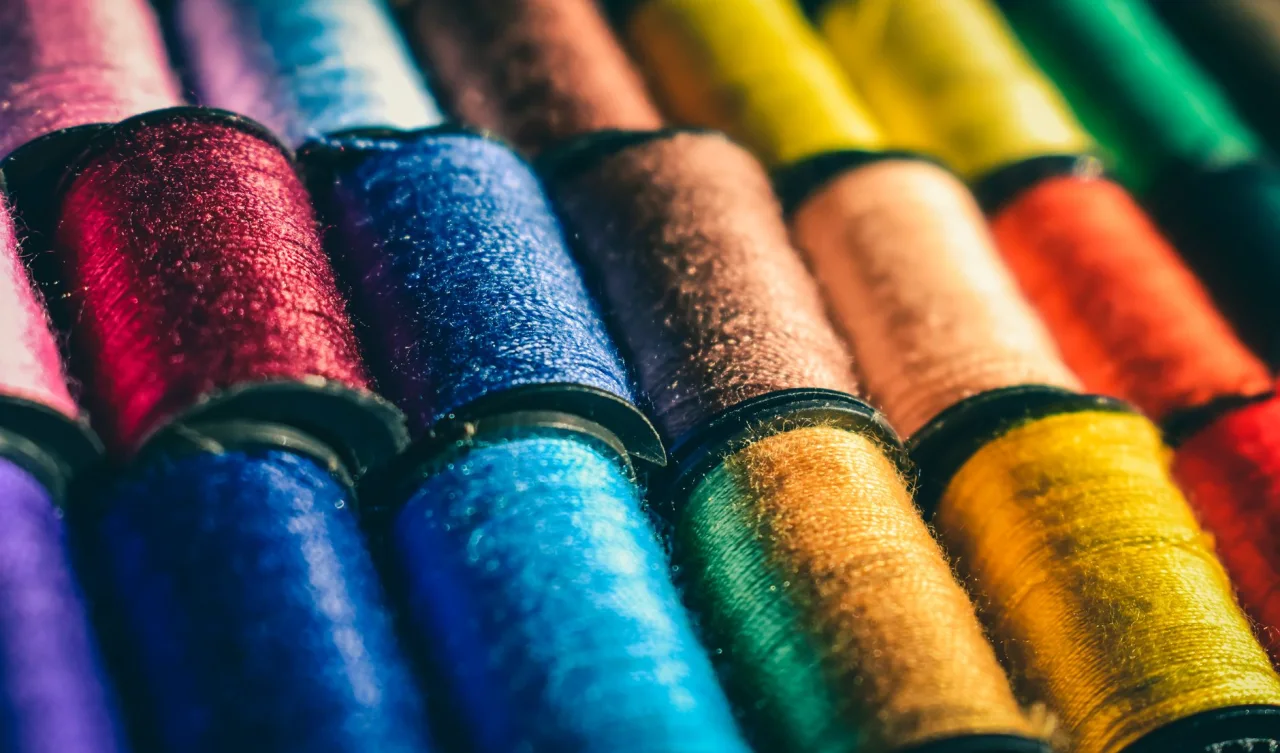
Silk thread embroidery is ancient, and older than most people assume. Some of the earliest developed embroidery survives from China, where the craft was already established during the Warring States period, roughly the fifth to third centuries BC, according to the general history of embroidery. What is striking is how little the fundamentals have changed: the basic hand stitches used then, such as chain, satin and running stitch, are the same ones an artisan reaches for today.
In the Indian subcontinent, silk-thread surface work flourished under Mughal patronage alongside the more famous metal embroideries. Zardozi, for instance, historically combined flat and coiled metal wires with silk thread on silk, satin and velvet grounds, as the record of zardozi notes. Resham work is the thread half of that world, allowed to stand on its own in colour. Rather than invent a tidy single origin story, it is fairer to say that colourful silk-floss embroidery has deep roots across Persia, Central Asia and South Asia, and that regional traditions each shaped their own motifs.
How resham embroidery is made
Traditional resham work begins with the design traced onto the fabric, often by pouncing chalk or fine powder through a perforated paper stencil so the outline transfers as dots. The cloth is then stretched drum-tight on a wooden frame, called an adda, so the fabric cannot pucker as it is stitched.
From there the artisan works in one of two main ways:
- Needle work: a standard embroidery needle passes the silk thread up and down through the taut cloth, one stitch at a time. This gives fine control for shading and detail.
- Aari work: a fine hooked needle, the aari, is pushed through from above to catch the thread held below, pulling up a chain stitch. An experienced hand can lay a long line of chain stitch remarkably fast, which is why aari is common on larger filled areas.
Densely shaded floral resham can take many hours per motif, which is why heavily worked pieces cost more and why a beautifully shaded bloom is a fair marker of skill. This same thread logic underpins broader thread embroidery across the region.
Styling note
Resham reads as soft and approachable, so it flatters daytime and semi-formal looks beautifully. Let one resham-heavy piece lead, a dupatta or a kameez front, and keep the rest of the outfit quiet so the thread work has room to breathe.
Where you will see it on desi outfits
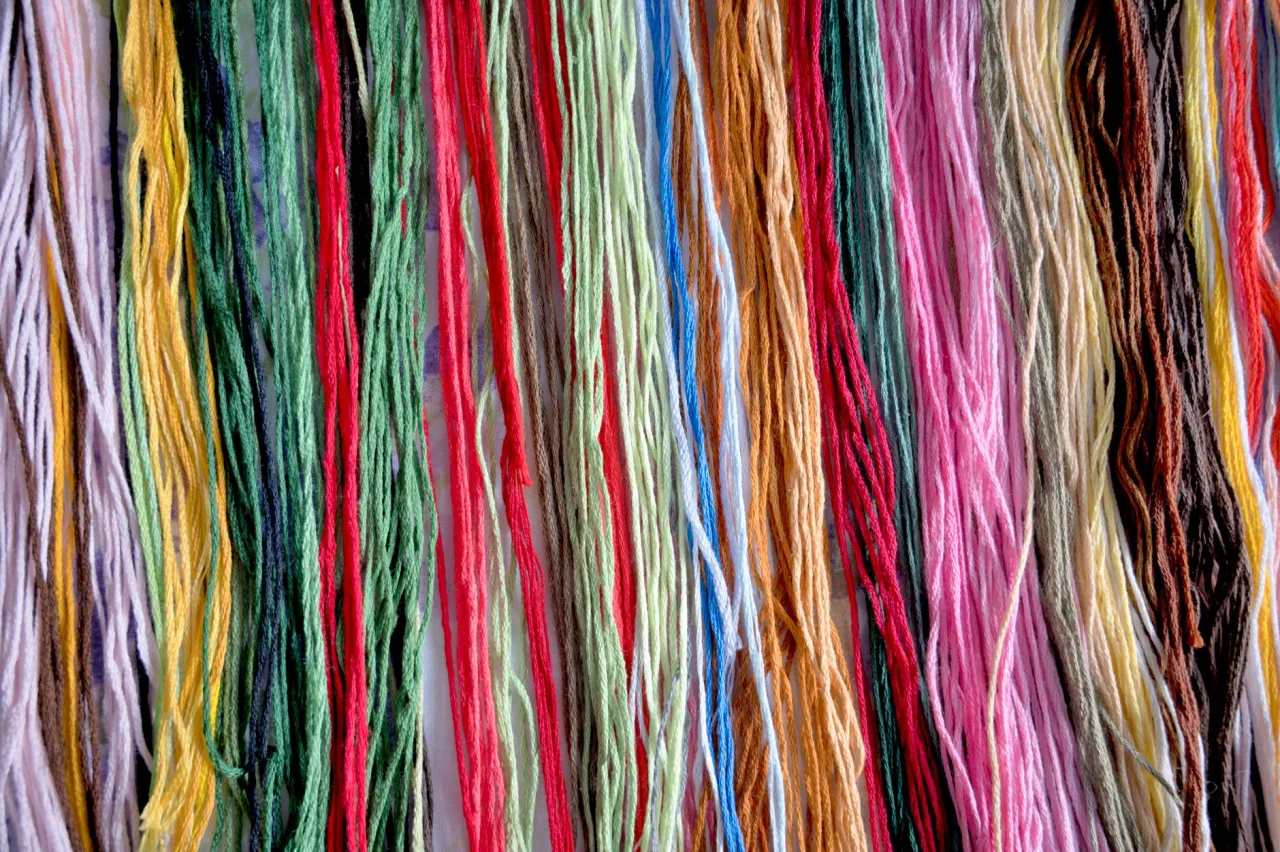
Resham is arguably the most widely used embroidery in everyday and occasion wear because it suits almost any fabric weight. Common homes for it include:
- Lawn and cotton suits: light sprigs, borders and necklines for summer.
- Kurtis and shirts: a single placed motif or an all-over jaal for pret.
- Dupattas: corner bouquets and running floral borders.
- Lehengas and blouses: shaded flowers, often mixed with a little zari or sequin for lift.
- Formal and bridal wear: as the colourful counterpoint to gold work, keeping heavy outfits from looking cold.
On an embroidered suit, resham and metallic work are frequently combined, so learning to read the thread part on its own is genuinely useful when you shop.
How to spot quality resham work
You do not need to be an embroiderer to judge resham. Turn the piece over, hold it to the light, and check these:
- Even tension: stitches should lie flat and uniform. Puckered, wavy fabric around a motif means the tension was uneven.
- Smooth shading: on shaded flowers, colour should move gradually from dark to light with no harsh jumps. Clean long and short stitch is a hallmark of a good hand.
- A tidy reverse: the back should be reasonably neat, with threads carried short distances, not a chaos of long floats and knots.
- True sheen: real silk and good art-silk keep a soft glow. Very cheap thread can look dull or plasticky, or fluff up after one wash.
- Secure ends: gently tug a stray end. Well-finished work holds; if a whole line loosens, the finishing was rushed.
Resham versus other embroideries
It helps to place resham next to its neighbours so you know what you are actually looking at:
- Resham versus zari: resham is coloured silk thread, zari is metallic gold or silver thread. Many outfits use both.
- Resham versus chikankari: classic chikankari is delicate, traditionally white thread on pale fabric, while resham is defined by colour and sheen rather than a single palette.
- Resham versus zardozi: zardozi is raised metal wire work; resham lies flat and flexible against the cloth.
Caring for resham embroidery
Silk thread is beautiful but wants gentle handling. Wash resham pieces by hand in cool water with a mild detergent, or dry clean formal outfits. Never wring embroidered areas. Dry in shade, since strong sun fades dye over time. Press from the reverse over a soft cloth so the iron never sits directly on the thread, which protects the sheen you paid for.
Is resham worth it?
For most wardrobes, yes. Resham gives you real hand craft and colour at a far friendlier price than heavy metal work, and it suits everyday life rather than sitting in a box for one wedding. As a rough guide, thread work varies widely: a lightly worked lawn suit sits at the affordable end, while a densely shaded formal piece climbs quickly with the hours involved. Prices vary by fabric, thread quality, density of work and retailer, so always confirm current pricing before you buy.
Frequently asked questions
What does resham mean in embroidery?
Resham is the Persian and Urdu word for silk. In embroidery it refers to thread work stitched in silk or a silk-like art-silk thread, prized for its soft sheen and rich colour, as opposed to the gold and silver of metallic zari work.
Is resham embroidery done by hand or machine?
Traditionally it is hand worked, either with a needle or with a hooked aari, on fabric stretched tight on a wooden adda frame. Machines can now imitate the look at speed, so if you want genuine handwork, check the reverse and the shading rather than assuming.
How can I tell good resham work from cheap work?
Look for even, flat stitches with no puckering, smooth colour shading with no harsh jumps, a reasonably tidy reverse, a true soft sheen in the thread, and ends that hold when gently tugged.
What is the difference between resham and zari?
Resham is coloured silk or art-silk thread, so it reads as soft and colourful. Zari is metallic gold or silver thread, so it reads as shiny and formal. Many desi outfits combine the two, using resham for flowers and zari for outlines or highlights.
Which outfits usually have resham embroidery?
You will find it on kurtis, lawn and cotton suits, dupattas, lehengas, blouses and formal or bridal wear. Because it suits almost any fabric weight, resham is one of the most widely used embroideries in everyday and occasion desi fashion.
More on Embroidery
Have a question or a topic to suggest?
We read every message. Tell us what you would like to see next in the journal.
Get in touch