Kurti vs Kurta: Complete Guide
The short answer: a kurta is the longer, unisex tunic, and a kurti is its shorter, women's cousin. Here is the full difference.
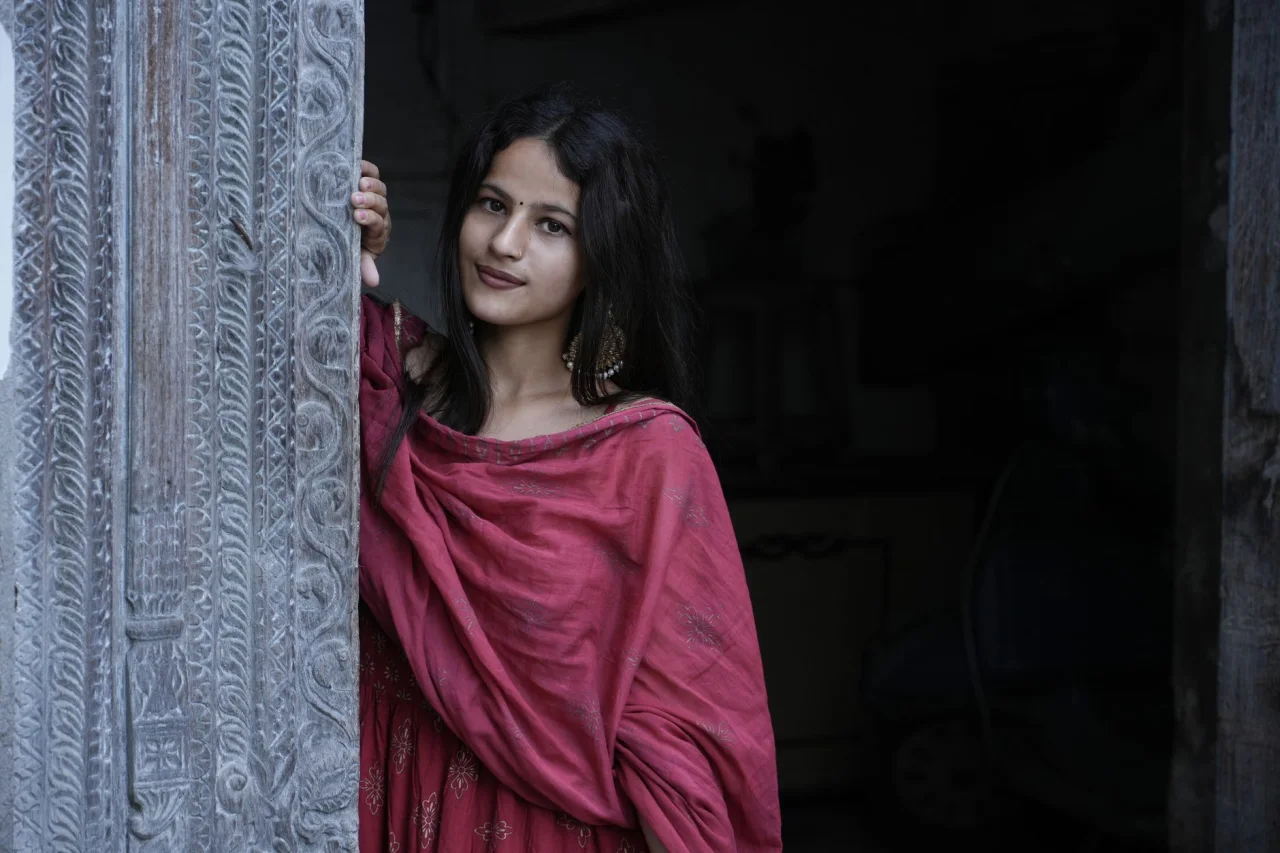
Kurti and kurta sound almost identical, and plenty of shoppers use the words interchangeably, but they are not quite the same garment. The short answer is that a kurta is the longer, unisex tunic and a kurti is its shorter, usually women's cousin. This guide explains what a kurti actually is, how it differs from a kurta in length, cut and use, and how to choose between them.
The short version
- A kurta is a loose, collarless tunic worn across South Asia by both men and women, usually falling around or below the knee.
- A kurti, in modern usage, is a shorter version for women, typically hip length, worn more casually.
- The kurta traces back to Central Asian nomadic tunics; the word kurti historically also meant a short waistcoat-like garment.
- Pick a kurta for a more traditional, covered, formal look and a kurti for lighter, fusion and everyday styling over jeans, trousers or leggings.
What is a kurta?
A kurta is a loose collarless shirt or tunic worn in many regions of South Asia and, increasingly, around the world. According to Wikipedia's kurta entry, it traces its roots to Central Asian nomadic tunics from the late-ancient or early-medieval era. It typically falls either just above or below the knees and is cut from rectangular front and back pieces with side seams left open a few inches above the hem for ease of movement. Sleeves run straight to the wrist, and the traditional garment has no collar, though modern versions increasingly add a standing collar. Both men and women wear it, historically over pyjamas, shalwars or churidars and today often over jeans or leggings. For the full picture, see our complete guide to the kurta.
What is a kurti?

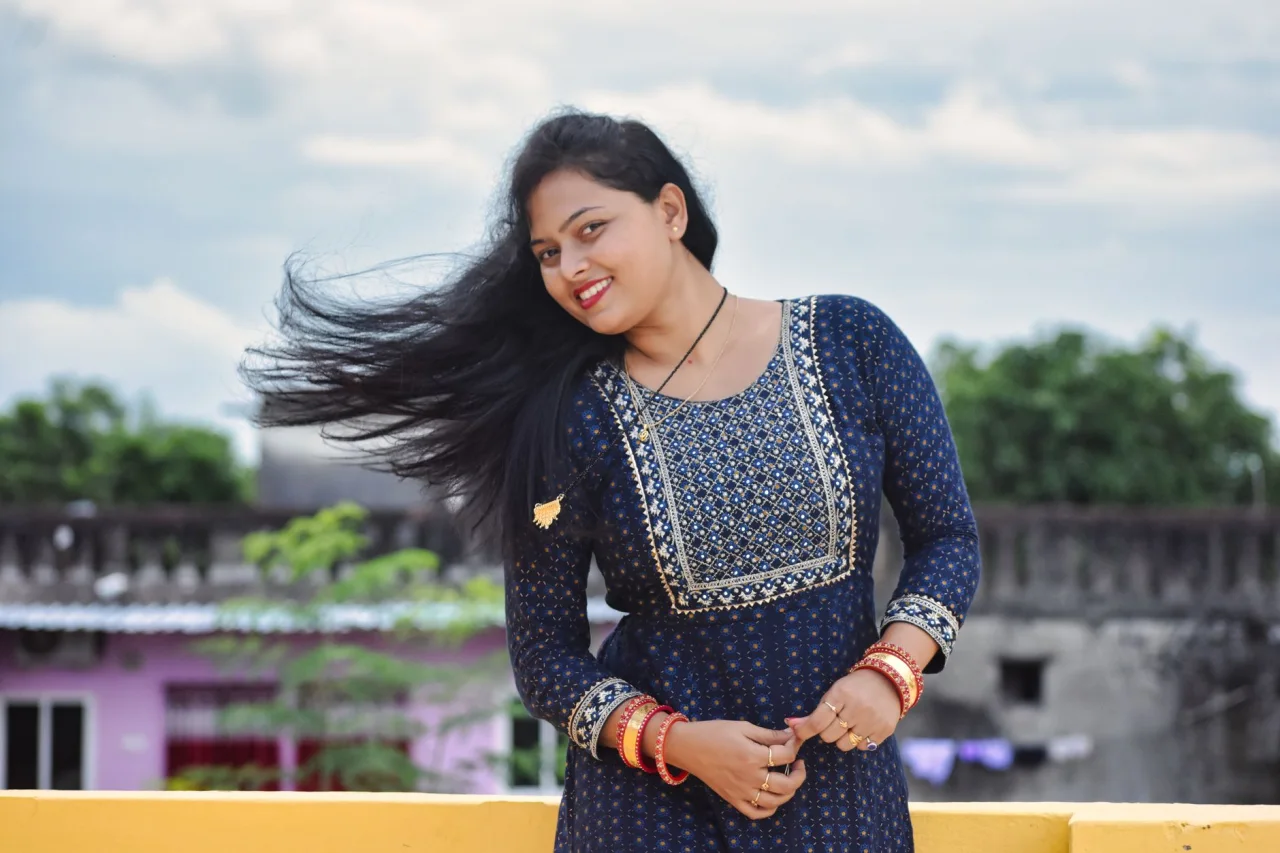
In modern usage the kurti is distinguished as a shorter version of the kurta for women, typically hip length. That is the practical definition most shoppers mean today: a lighter, shorter tunic that reads as more casual and more fusion-friendly than a full-length kurta. Interestingly, the word has older meanings too. Historically, kurti referred to waistcoats or jackets that sat above the waist without side slits, a form some trace back to tunics of the Shunga period. So the name has always leaned short. Our complete guide to the kurti goes deeper into its cuts and styling.
Buyer's tip
If you are shopping online and the length is not stated, look at where the hem falls on the model relative to the hip and knee. Hip-to-mid-thigh usually signals a kurti; knee-length or longer signals a kurta. Retailers are not always consistent with the labels, so judge by the hemline, not the word.
The core difference: length and proportion
The single clearest distinction is length. A kurta generally falls around or below the knee, giving a longer, more covered line. A kurti is shorter, usually ending somewhere between the hip and the mid-thigh. That difference in proportion changes everything about how each is styled: a longer kurta balances well over slim churidars or straight trousers, while a shorter kurti pairs naturally with jeans, leggings, palazzos or a skirt. Neither is more correct; they simply create different silhouettes.
Gender and how each is worn
Kurtas are genuinely unisex and have long been core menswear as well as womenswear across South Asia. The kurti, in its current sense, is understood as a women's garment. That is the main reason a menswear listing will almost always say kurta, while a women's fusion top may say kurti even when the cut is quite similar. If you are dressing a man, you want a kurta; for women both terms are in play, and the choice comes down to length and formality rather than gender.
Formality and occasion
Because it is longer and more traditional, the kurta tends to carry more formal and festive weight. A well-made kurta in silk or a richly worked cotton suits Eid, family functions and semi-formal events. The kurti, being shorter and lighter, sits more comfortably in the everyday, office-casual and fusion space, though an embellished kurti can absolutely dress up. As a rough guide:
- Kurta: traditional occasions, festive wear, a covered and dressed-up look.
- Kurti: daily wear, work, college, fusion outfits over Western bottoms.
For occasion-specific ideas, browse our kurti styling looks for every occasion.
Fabric and construction
Both are traditionally made in cotton or silk, with heavier cloth such as wool or khadi silk used in winter, and both take embroidery beautifully, including Lucknow chikankari on hems and front openings. Construction is similar in principle, rectangular panels with side slits, but a kurti is simply cut shorter and often a touch more fitted for a contemporary line. If you want to match fabric to season and event, our guides on choosing the perfect kurta and the perfect kurti break down fit, fabric and price for each.
Styling note
A quick rule for balance: pair a longer kurta with slimmer bottoms, such as churidars or cigarette pants, so the volume stays at the top. Pair a shorter kurti with fuller or structured bottoms, such as palazzos, wide-leg trousers or straight jeans, so the outfit does not look top-heavy.
Kurti vs kurta at a glance
| Feature | Kurta | Kurti |
|---|---|---|
| Length | Around or below the knee | Hip to mid-thigh |
| Worn by | Men and women | Women |
| Feel | Traditional, more covered | Casual, fusion-friendly |
| Typical bottoms | Churidar, shalwar, straight trousers | Jeans, leggings, palazzos, skirts |
| Best for | Festive and semi-formal occasions | Everyday, office and college wear |
| Fabrics | Cotton, silk, wool, khadi silk | Cotton, lawn, silk blends |
Which should you buy?
Buy a kurta when you want a longer, more traditional and more formal line, or when you are shopping for menswear. Buy a kurti when you want something shorter, lighter and easier to pair with Western bottoms for daily and fusion wear. Many wardrobes want both: a couple of dressy kurtas for occasions and a rotation of everyday kurtis. If you are comparing other look-alike garments, our explainers on sharara versus gharara and kaftan versus maxi dress use the same side-by-side approach.
Frequently asked questions
What is the main difference between a kurti and a kurta?
The main difference is length. A kurta is a longer tunic that usually falls around or below the knee and is worn by both men and women. A kurti, in modern usage, is a shorter version for women, typically hip length, and reads as more casual and fusion-friendly.
Is a kurti only for women?
In its current sense, yes. The kurti is understood as a women's garment, while the kurta is genuinely unisex and remains a core piece of South Asian menswear. That is why menswear listings almost always say kurta, while shorter women's tunics are often labelled kurti.
Can a kurti be worn for formal occasions?
It can, though the kurta is more naturally formal because it is longer and more traditional. An embellished kurti in a rich fabric can dress up nicely for semi-formal events, but for the most covered and festive look, a well-made kurta is the safer choice.
What do you wear under a kurti versus a kurta?
A longer kurta balances best over slim bottoms such as churidars, shalwars or straight trousers. A shorter kurti pairs naturally with jeans, leggings, palazzos or a skirt. Matching the volume of the top to the bottom keeps the silhouette balanced.
Are kurti and kurta made from the same fabrics?
Largely yes. Both are traditionally cotton or silk, with heavier fabrics like wool or khadi silk for winter, and both take embroidery such as chikankari well. The kurti is simply cut shorter and is often a little more fitted for a contemporary line.
More on Buying Guides
Have a question or a topic to suggest?
We read every message. Tell us what you would like to see next in the journal.
Get in touch