Kaftan vs Maxi Dress
One is a loose, ancient robe, the other a modern full-length dress. Here is how kaftans and maxi dresses differ and which suits you.
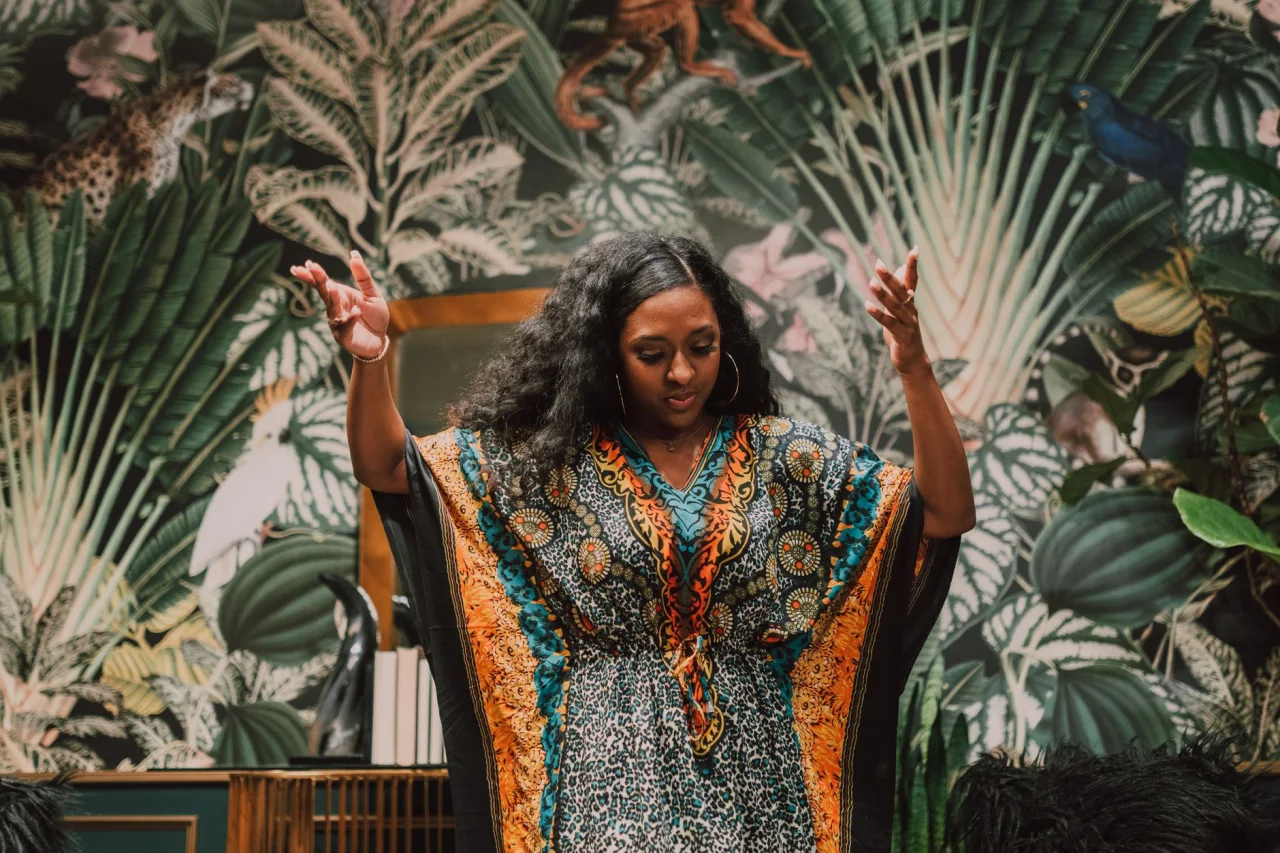
Kaftan and maxi dress both give you full-length, breezy coverage, so they get lumped together on shopping sites and in wardrobes alike. But one is a loose, ancient robe and the other a modern full-length dress, and that difference in cut changes how each fits, flatters and dresses up. This guide separates the two and helps you decide which one actually works for you.
The short version
- A kaftan is a long, loose robe or tunic with wide sleeves, historically an open-front garment from West Asia.
- A maxi dress is a modern, typically informal ankle-length dress that can be fitted, A-line or flowing.
- The kaftan hangs away from the body for an easy, unstructured drape; a maxi dress can follow the figure more closely.
- Choose a kaftan for relaxed, covered, resort and at-home elegance and a maxi dress when you want a defined silhouette.
What is a kaftan?
A kaftan is a variant of the robe or tunic, and according to Wikipedia's kaftan entry, it originates in West Asia, is long and loose-fitting, typically reaches the ankles, and has long sleeves. The name derives from the Persian khaftan, and the garment became prominent during the Abbasid era before spreading through Ottoman, Persian, North African and other cultures. It has traditionally been worn as a coat or overdress, often with a sash, and in warm climates it works as a lightweight, airy layer. Kaftans are made in everything from cotton and silk to velvet and brocade. In modern desi and resort fashion, the kaftan is usually a pull-on or open-front flowing robe prized for comfort. Our complete guide to the kaftan covers its cuts and styling.
What is a maxi dress?
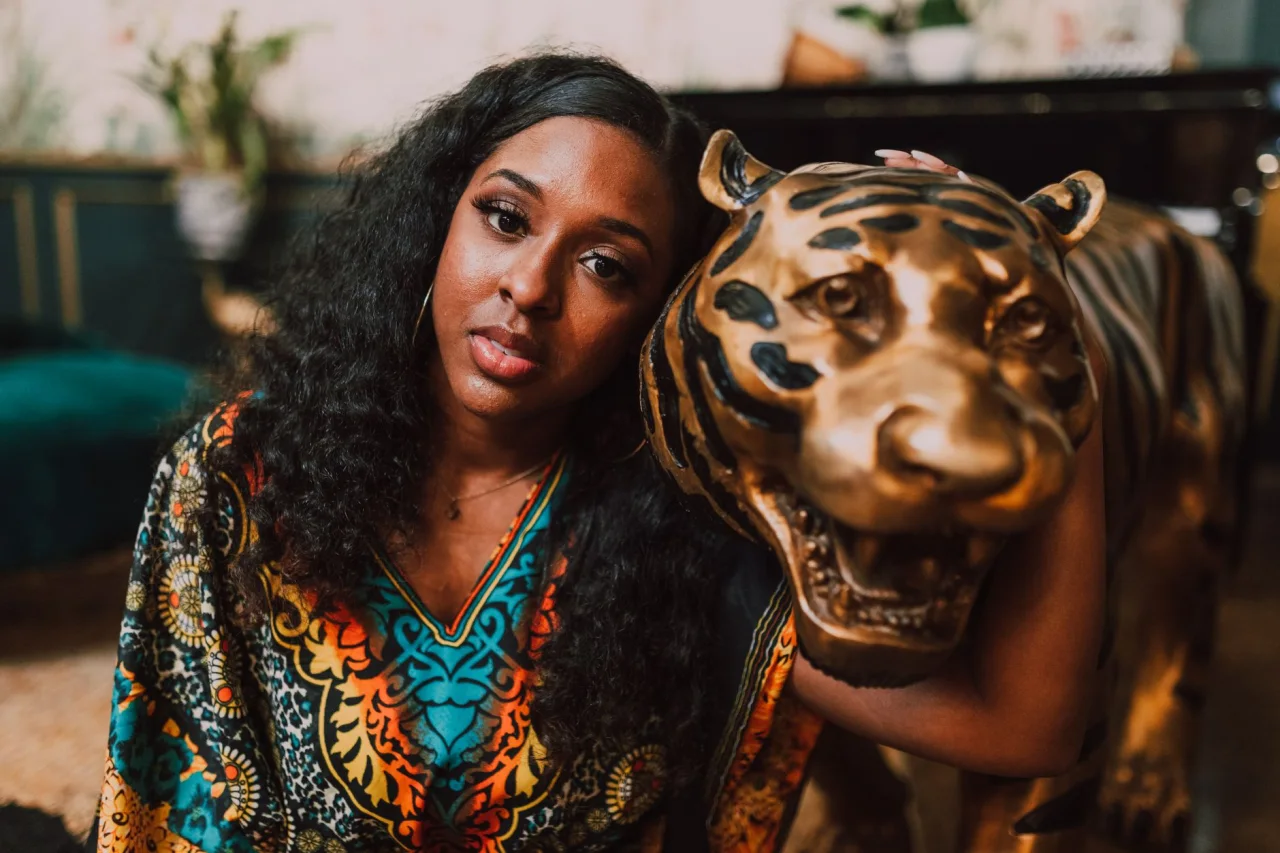
A maxi dress is a full-length dress. As Wikipedia records, maxi is a term used since the late 1960s for ankle-length, typically informal dresses, and the style rose to popularity through the 1970s. Unlike the kaftan, which is defined by its loose robe shape, a maxi dress is defined only by its length, so it comes in many cuts: fitted, empire-line, A-line, wrap, bodycon and flowing. That flexibility is its strength. A maxi can be as relaxed as a kaftan or as shaped as an evening gown, depending on the design. Our complete guide to the maxi dress goes into the variations.
Buyer's tip
The quickest test is the shape at the waist. If the garment hangs straight and loose from the shoulders with wide sleeves and no defined waist, it is a kaftan. If it has a waist seam, darts, a wrap or any shaping that follows the body, it is a maxi dress, even when the skirt is very full.
The core difference: robe vs dress
The defining contrast is structure. A kaftan is intentionally unstructured: it falls away from the body in a wide, forgiving line, usually with roomy sleeves, so it skims rather than fits. A maxi dress is a dress first, which means it can be tailored to define the shoulders, bust or waist and then flow to the ankle. So the kaftan is about ease and coverage, while the maxi dress is about a full-length silhouette that you can make relaxed or fitted at will.
Sleeves, neckline and coverage
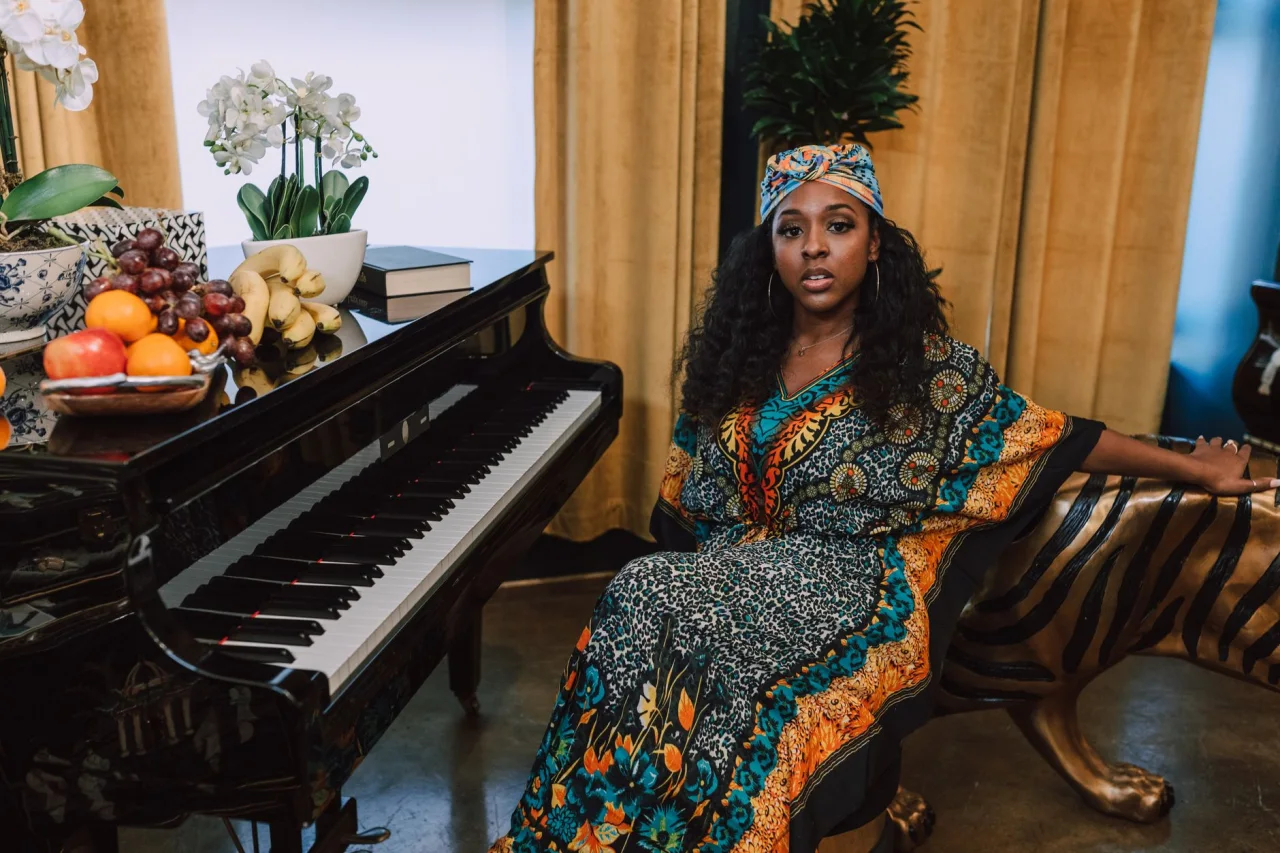
These details set the mood of each:
- Kaftan: almost always long or wide sleeves, generous coverage and a neckline that ranges from a simple slit to an embellished V. It is a naturally modest, covered garment.
- Maxi dress: anything goes, from full sleeves to sleeveless and from high necks to deep or halter necklines, so coverage depends entirely on the design you pick.
If modest, covered dressing is the goal, the kaftan gets you there by default, while a maxi dress can be chosen with sleeves and a higher neckline to do the same.
Fabric and drape
Both love flowing cloth, but they use it differently. A kaftan relies on lightweight, fluid fabrics such as cotton, lawn, chiffon, georgette and silk so its loose volume drapes softly rather than looking boxy. A maxi dress can use those same fluid fabrics for a floaty look or firmer, structured cloth for a sculpted one. As a rule, the looser the garment, the more the fabric's drape matters, so kaftans reward soft, fluid textiles. For hot-weather picks, see our guide to the best fabrics for Pakistani summers.
Occasions: where each shines
They overlap, but each has a home turf:
- Kaftan: resort and beach, at-home elegance, relaxed Eid and festive lounging, and easy embellished eveningwear when done in silk with embroidery.
- Maxi dress: daywear, brunches, garden events and formal evenings, since the right cut and fabric can take a maxi from casual to black-tie.
For a georgette maxi that bridges casual and dressy, our notes on the georgette maxi dress are a useful reference, and you can see styling ideas in our kaftan looks for every occasion.
Styling note
To make a loose kaftan look intentional rather than shapeless, add a slim belt at the waist, or choose one with subtle side shaping, and pair with heeled sandals and statement earrings. To keep a fitted maxi comfortable for long events, look for stretch or a fluid skirt with a defined but not tight waist.
Fit and flattery
Because it hangs loose, a kaftan is one of the most universally comfortable and forgiving shapes, which is exactly why it is loved for warm weather and relaxed events; the trade-off is that it does not define the figure. A maxi dress can flatter by creating shape, but it also has to fit well through the shoulders, bust and waist to look its best, so it is less forgiving if the fit is off. If comfort and coverage top your list, the kaftan wins; if you want a defined, lengthening line, the maxi does.
Kaftan vs maxi dress at a glance
| Feature | Kaftan | Maxi dress |
|---|---|---|
| Shape | Loose robe, hangs from shoulders | Dress, can be fitted or flowing |
| Defined by | Its loose robe cut | Its ankle length only |
| Sleeves | Usually long or wide | Any, from sleeveless to full |
| Coverage | Naturally modest | Depends on the design |
| Best for | Resort, at-home, relaxed festive | Day to evening, casual to formal |
| Flattery | Forgiving and comfortable | Shaping but needs a good fit |
Which should you buy?
Buy a kaftan when you want effortless, covered, breezy elegance that flatters everyone and needs no tailoring, ideal for hot climates, travel and relaxed occasions. Buy a maxi dress when you want a full-length look with a defined silhouette that you can dress up or down through cut and fabric. Many wardrobes keep both: a couple of easy kaftans and a versatile maxi or two. For more side-by-side buying calls, see our sharara versus gharara and lawn versus cotton guides, and browse ideas in trending maxi dress designs.
Frequently asked questions
What is the main difference between a kaftan and a maxi dress?
A kaftan is a long, loose robe or tunic with wide sleeves that hangs away from the body, while a maxi dress is any ankle-length dress and can be fitted, A-line or flowing. In short, the kaftan is defined by its loose robe cut and the maxi dress only by its length.
Is a kaftan more modest than a maxi dress?
By default, yes. A kaftan is naturally covered, with long or wide sleeves and a loose shape. A maxi dress can be just as modest if you choose one with sleeves and a higher neckline, but because it comes in many cuts, coverage depends on the specific design.
Which is more comfortable?
The kaftan is usually the more comfortable and forgiving of the two because it hangs loose and does not need to fit closely. A maxi dress can be very comfortable too, especially in soft or stretch fabrics, but a fitted maxi has to fit well through the shoulders, bust and waist to feel and look right.
Can a kaftan be formal?
Yes. In silk or with embroidery and embellishment, a kaftan becomes elegant eveningwear, and belting it at the waist adds shape for a dressier look. Its relaxed drape simply reads as luxurious ease rather than casual when the fabric and detailing are rich.
Which is better for hot weather?
Both work in heat if made from breathable cloth, but the kaftan has an edge because its loose, airy shape lets air circulate and does not cling. Choosing lightweight, natural fabrics such as cotton, lawn or silk keeps either one cool.
More on Buying Guides
Have a question or a topic to suggest?
We read every message. Tell us what you would like to see next in the journal.
Get in touch