Velvet Lehenga: Styles, Care, Best Picks
Why velvet suits a lehenga, the styles worth knowing, and delicate care for the pile.
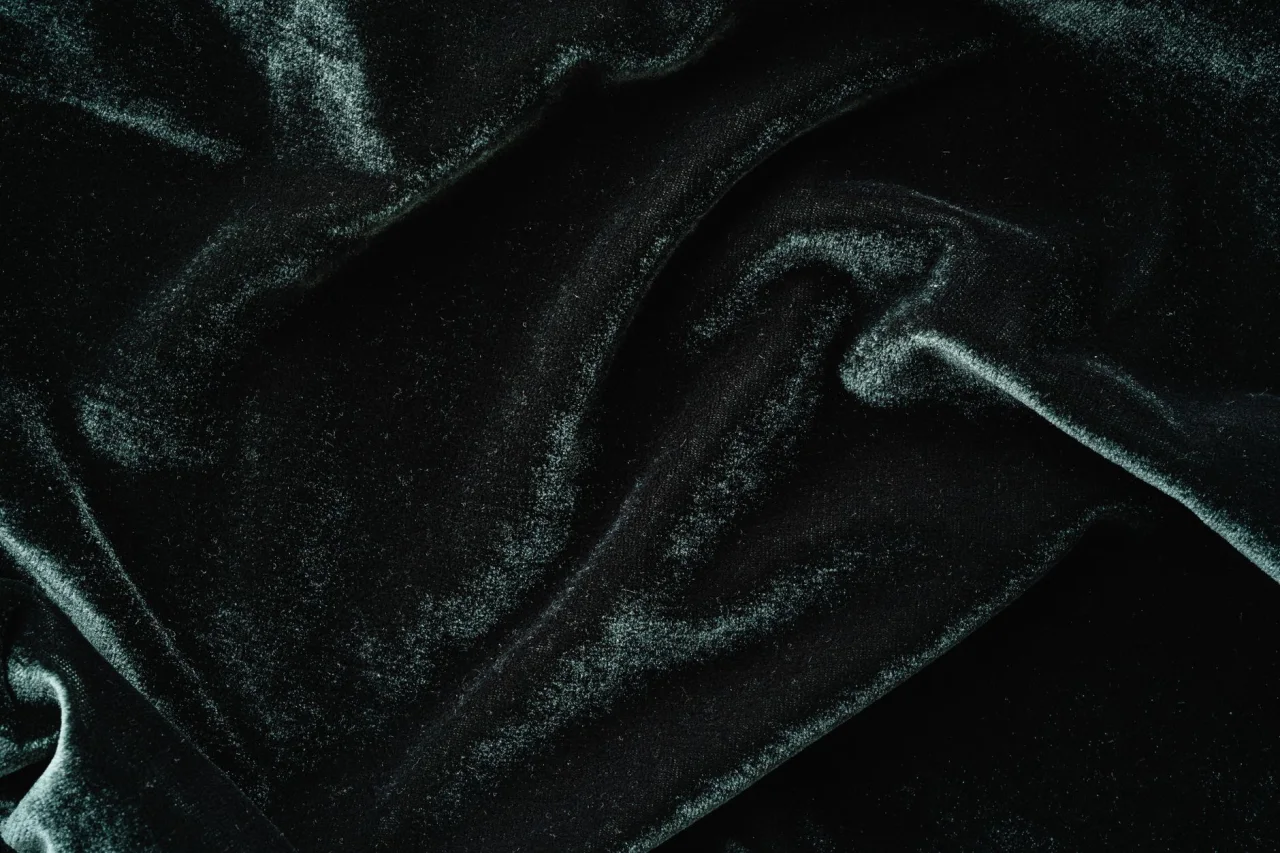
Nothing says winter grandeur quite like a velvet lehenga. The deep, light-absorbing pile gives colours a richness no other fabric matches, which is why velvet is a perennial favourite for cold-weather weddings and evening functions. This guide explains why velvet works for a lehenga (and when it does not), the styles worth knowing, how to care for a fabric that hates rough handling, and how to pick the right piece.
The short version
- Velvet is a woven fabric with a dense, soft pile that gives it depth, sheen and a luxurious weight, ideal for formal winter wear.
- It suits grand occasion lehengas beautifully, but its warmth and weight make it a poor choice for summer or long outdoor events in heat.
- Velvet is delicate: it crushes, marks and needs professional care, so treat it as an occasion fabric, not an everyday one.
- Prices vary widely by fibre (silk, cotton or synthetic), embroidery and construction, so treat any figure as a range and confirm current pricing.
What velvet actually is
Velvet is a woven fabric with a dense, even pile that gives it its signature soft, plush surface. It is traditionally made using a specialised double-cloth technique, where two layers are woven at once and then cut apart to create the raised pile. That pile is what catches and absorbs light, so velvet reads deep and saturated, especially in jewel tones. Modern velvet can be woven from silk, which is the most luxurious and costly, from cotton, or from synthetics like polyester and viscose that make it more affordable and easier to care for. The fabric has been associated with nobility since around the 14th century, largely because it was so costly to produce before power looms. For a fuller profile, see our velvet properties and care guide.
Why velvet suits a lehenga
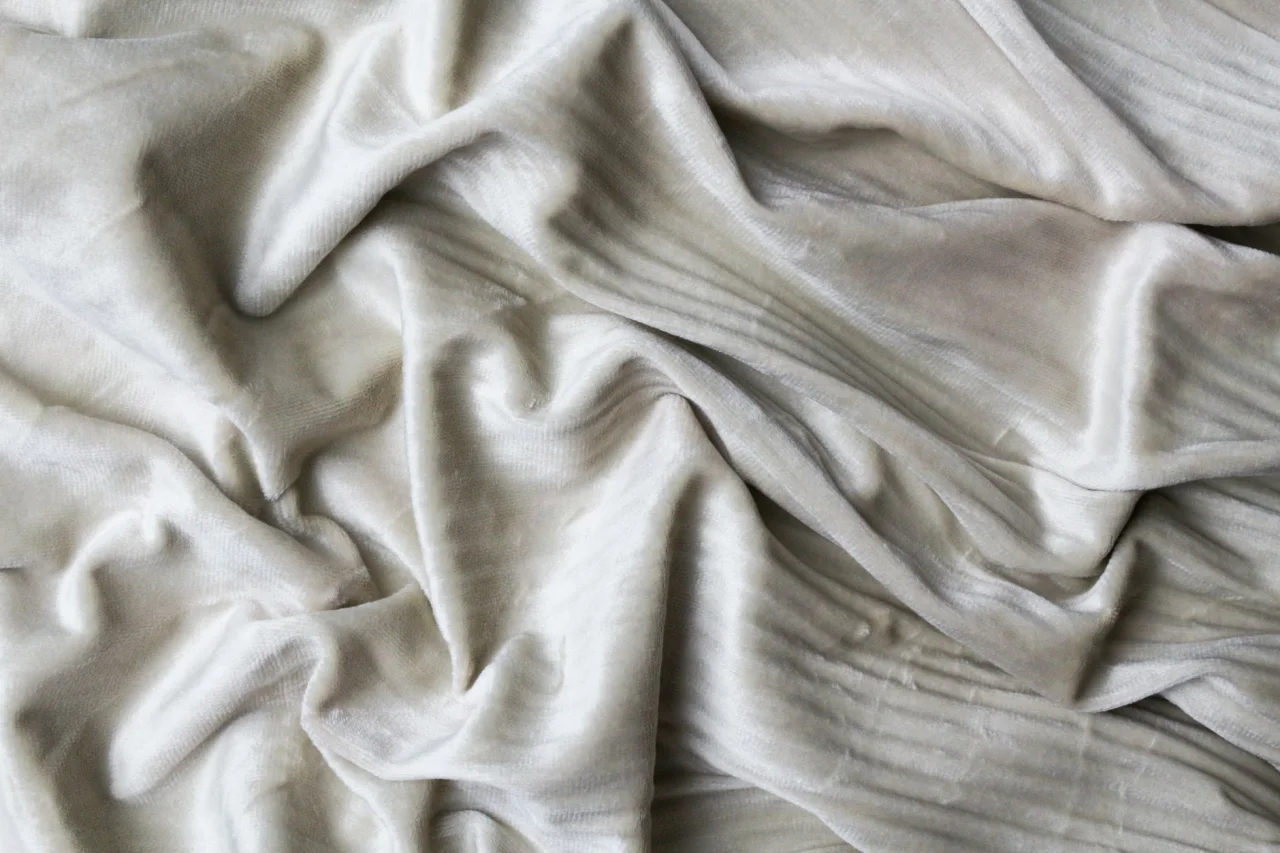
A lehenga is built for grand occasions, and velvet delivers grandeur in a way lighter fabrics cannot. Its weight gives the skirt a rich, structured fall that holds pleats and volume elegantly. Its depth of colour makes classic bridal shades like deep red, emerald, navy and wine look extraordinarily rich. And it is a natural ground for heavy metallic embroidery: the raised sheen of gold zardozi or dabka against a matte velvet pile is a centuries-old pairing. It is also genuinely warm, which makes it perfect for winter weddings. The trade-off is that same warmth and weight, which rule velvet out for summer events or anything involving long hours outdoors in heat.
The type of velvet you choose changes the whole character of the lehenga. Silk velvet is the most luxurious, with a fluid drape and a deep, liquid sheen, but it is delicate and costly. Cotton-backed and viscose velvets are more affordable and hold structure well, which can actually be an advantage for a full skirt that needs body. Synthetic velvets are the easiest to care for and the lightest on the budget, though they can look flatter and shinier than natural fibres. Micro velvet, a fine short-pile version, has become popular for occasion wear precisely because it balances richness with a slightly lighter, more manageable feel. Knowing which you are buying explains both the price and how the piece will behave.
Buying tip
Check the pile direction before you buy. Velvet looks darker and richer when the pile runs one way and lighter when it runs the other, so make sure the panels of the skirt are cut consistently, or the colour will look uneven across the garment.
Velvet lehenga styles worth knowing
Velvet spans a range of looks, from heavily embellished bridal to cleaner contemporary pieces.
- Bridal embroidered lehenga: deep velvet skirt with dense metallic work, the classic winter wedding statement.
- Border-led velvet lehenga: a rich embroidered hem and choli with a plainer skirt, lighter to wear and still opulent.
- Panelled velvet lehenga: worked panels alternating with plain velvet, which elongates the silhouette and cuts total weight.
- Contemporary plain velvet: a solid, minimally worked velvet lehenga that lets the fabric's depth and colour lead, paired with a statement blouse.
- Mixed-fabric lehenga: a velvet choli or border combined with a lighter net or organza skirt, blending richness with movement.
Velvet and embroidery: a classic pairing
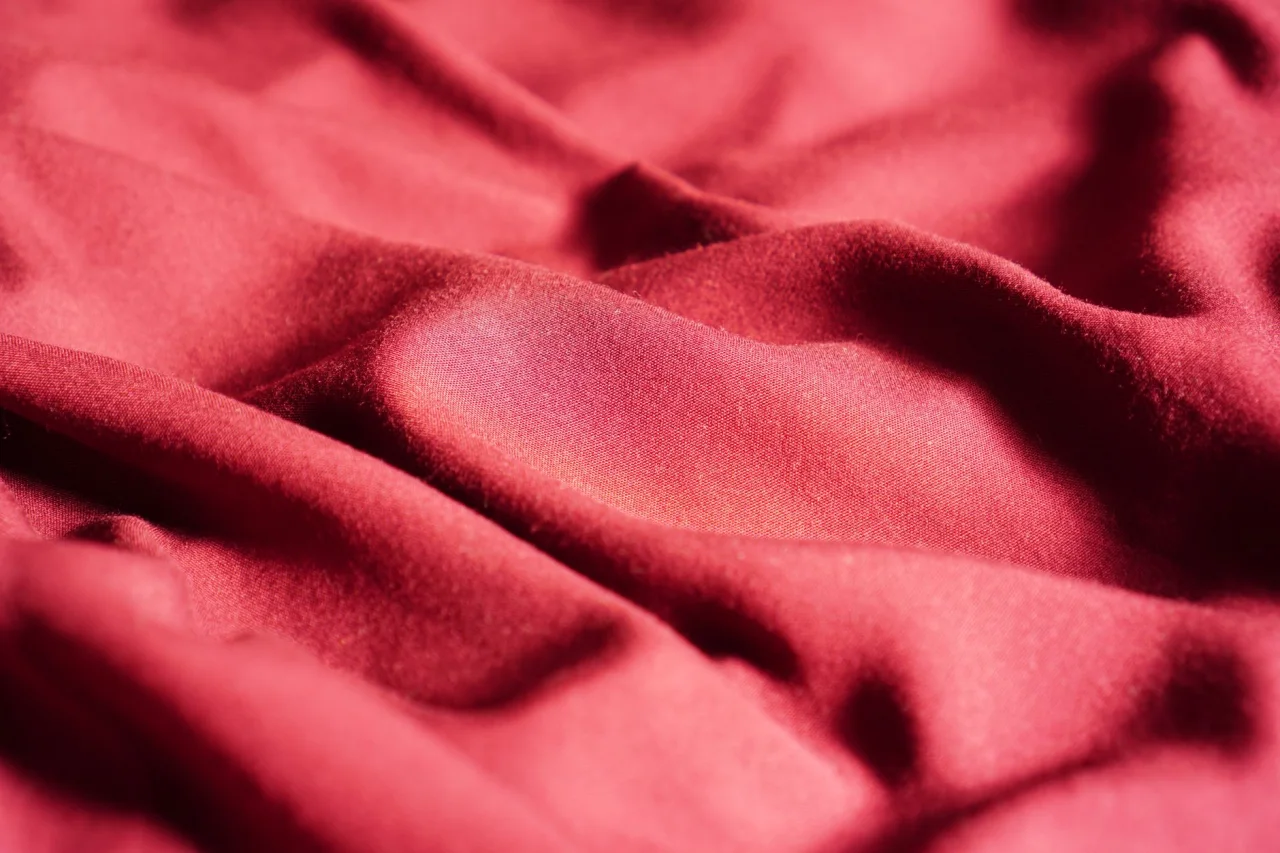
Velvet is one of the traditional grounds for heavy metal thread embroidery like zardozi, and the contrast of glinting gold coils against a matte pile is why the combination endures. Dabka, zardozi and zari all sit beautifully on velvet, though the weight of both fabric and work means these are firmly occasion pieces. If you love that look, our guides to the dabka lehenga and to zari work explain how to judge the embroidery itself.
How to care for velvet
Velvet rewards gentle, careful handling and punishes rough treatment, so learn its rules early.
- Never wring or scrub: pressure crushes the pile permanently. Blot spills gently rather than rubbing.
- Dry clean, do not machine wash: most embroidered and silk velvets should go to a professional. Home washing can flatten the pile and damage the work.
- Steam, do not iron: a direct iron crushes velvet. Use a garment steamer or iron on the reverse over a soft cloth, with the pile face down on a towel.
- Hang, do not fold: long storage folds leave permanent crush lines, so hang velvet on a padded hanger where possible.
- Brush the pile: a soft brush in the direction of the pile keeps the surface even and revives its look.
- Air after wear: hang the lehenga to air out in a dry, ventilated spot after an event, so trapped moisture does not settle into the pile or the embroidery.
Velvet versus other formal fabrics
Velvet is not the only luxe option for a lehenga, and knowing its rivals helps you choose. Raw silk offers structure and sheen with less weight and warmth, net and organza give airy volume for movement, and jacquard provides pattern and body. Velvet wins on depth of colour, warmth and richness, while lighter fabrics win on comfort in heat and ease of movement. For a direct comparison, see our piece on velvet versus jacquard.
Styling note
Velvet already carries visual weight, so keep the rest balanced. Pair a heavily worked velvet lehenga with restrained jewellery and let the fabric's depth do the work, and choose a dupatta in a lighter fabric to add movement against the dense skirt.
Best picks: choosing the right velvet lehenga
Match the piece to the event and the season rather than chasing a trend list. For a winter bride, a deeply embroidered velvet lehenga in a classic jewel tone is the natural choice. For a guest at a cold-weather wedding, a border-led or panelled velvet gives richness without upstaging the bride or exhausting you across a long night. For a contemporary evening event, a plain velvet lehenga with a statement blouse reads modern and elegant. And if you want richness with more movement, a mixed-fabric design pairs a velvet choli with a lighter skirt. Whatever you choose, check the pile direction, the security of any embroidery, and the manageability of the weight. Our lehenga buying guide covers fit and price, and our guide to winter dresses for 2026 places velvet within a full cold-weather wardrobe.
It is also worth being honest with yourself about wearability before you fall for a photograph. A fully embroidered velvet lehenga can be genuinely heavy, and combined with the fabric's warmth, it asks a lot of the wearer across a long, indoor winter function. If you know you will be on your feet, dancing, and moving between rooms for hours, a panelled or border-led design in a lighter velvet will let you enjoy the evening rather than endure it. The most beautiful lehenga is the one you can actually move and smile in, so weigh comfort alongside grandeur when you make the final call.
Frequently asked questions
Is velvet good for a lehenga?
Yes, for formal winter wear. Velvet's dense pile gives rich colour and a structured fall, and it is a classic ground for heavy embroidery. Its warmth and weight, however, make it unsuitable for summer or long outdoor events in heat.
Can I wash a velvet lehenga at home?
It is not recommended. Most embroidered and silk velvets should be professionally dry cleaned, because home washing can crush the pile and damage the work. Blot spills gently and never wring or scrub velvet.
How do I remove creases from velvet?
Steam rather than iron. A garment steamer or ironing on the reverse over a soft cloth, with the pile face down on a towel, smooths creases without crushing the surface. A direct iron on the face of velvet flattens it.
What colours look best in velvet?
Deep jewel tones such as red, emerald, navy and wine look especially rich, because velvet's pile absorbs and reflects light to deepen colour. Classic bridal shades are popular for exactly this reason.
How much does a velvet lehenga cost?
Prices vary widely with the fibre (silk, cotton or synthetic), the amount of embroidery, and the construction, so a single figure would mislead. Treat listings as ranges and confirm current pricing with the retailer.
More on Fabrics
Have a question or a topic to suggest?
We read every message. Tell us what you would like to see next in the journal.
Get in touch