Jacquard Kurta: Styles, Care and Picks
Pattern woven into the cloth: jacquard kurta styles, how to spot a true jacquard, care and buying tips.
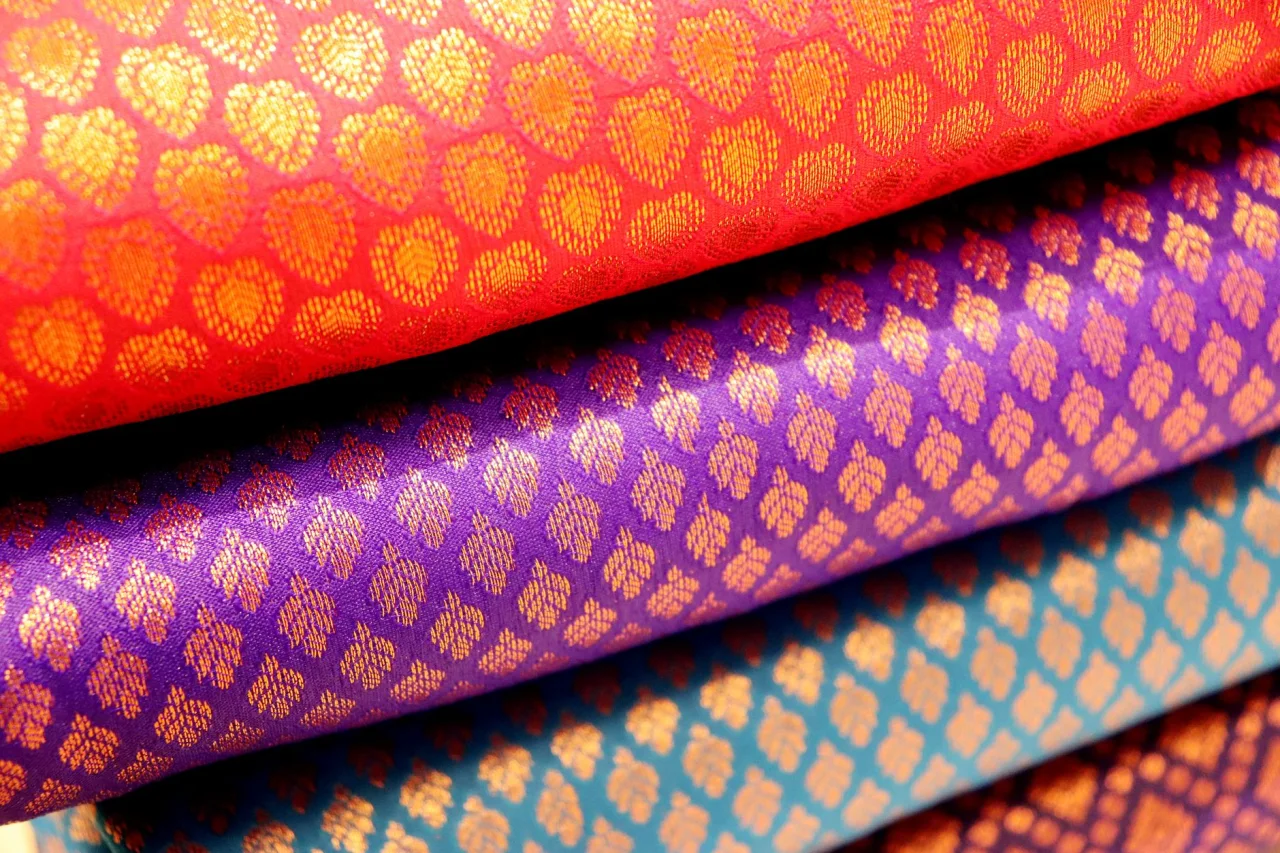
A jacquard kurta gives you pattern and texture without a single stitch of embroidery, because the design is woven right into the cloth. That built-in richness makes jacquard a smart pick for a semi-formal kurta that looks put together with almost no styling effort. This guide covers the styles that suit jacquard, how to care for a woven-pattern fabric, and how to buy one that reads as quality rather than costume.
The short version
- Jacquard is not a fibre but a weave: the pattern is woven into the fabric, so it has texture and body rather than a flat printed surface.
- That woven structure makes a jacquard kurta look formal and self-decorated, ideal when you want richness without embroidery.
- It ranges from light cotton and viscose jacquards to heavy silk and brocade versions, so match the weight to the occasion and season.
- The woven pattern can snag and the fabric can be warm, so gentle care and low-heat pressing keep it looking sharp. Confirm pricing with the retailer.
What jacquard actually is
Jacquard is a method of weaving, not a specific fibre. It is named after Joseph Marie Jacquard, who patented the Jacquard machine in 1804, a loom attachment that used a chain of punched cards to control each warp thread individually. That let weavers produce intricate, repeating patterns like brocade, damask, and matelasse automatically and with crisp definition. The key point for a shopper is this: in a jacquard the pattern is part of the weave, integral to the cloth, rather than printed on top of a finished fabric. For the full weave and fibre picture, see our explainer on what jacquard is, its properties and care.
Because the motif is woven in, a jacquard fabric has real texture and body, it usually looks the same tone on tone or in a subtle two-tone, and the reverse of the cloth shows the pattern in negative. All of that gives a jacquard kurta a quiet, formal richness that a printed kurta cannot quite match.
Why jacquard makes a good kurta
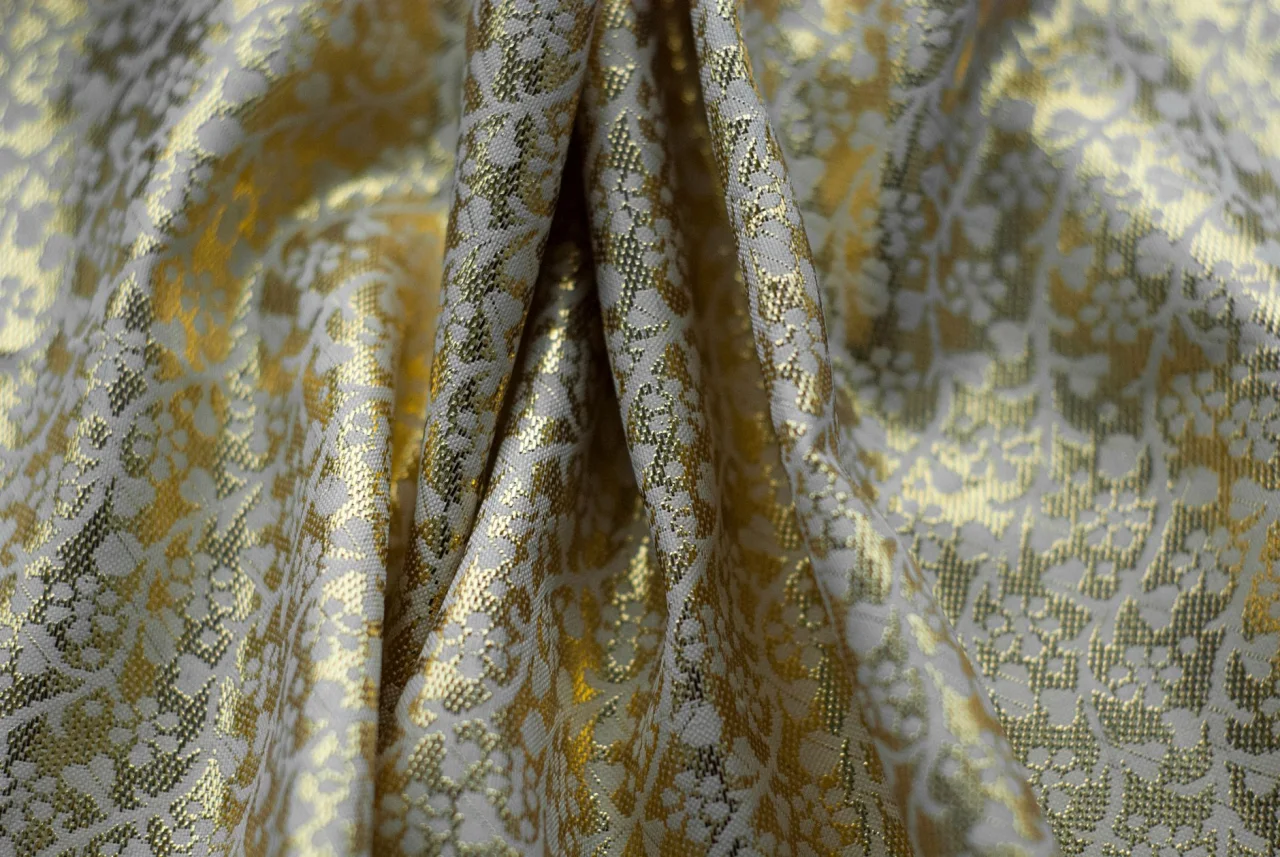
A kurta is a loose, collarless tunic worn across South Asia by both men and women, traditionally in cotton or silk. Jacquard suits it well because the woven pattern dresses up an otherwise simple silhouette. A plain kurta needs embroidery or a bright print to feel occasion-ready, but a jacquard kurta arrives already textured and formal, so it works with minimal accessorising.
The structure also holds a clean line. Jacquard tends to have more body than a plain lawn or cotton, so a straight or A-line kurta cut in it keeps its shape well. The trade-offs are that heavier jacquards can feel warm, and the raised weave can catch on rough surfaces.
Popular jacquard kurta styles
Jacquard spans a wide range from casual to formal depending on the base fibre and the density of the weave.
- Cotton and viscose jacquard. Lighter, more breathable versions with subtle tone-on-tone motifs, good for daytime and semi-formal wear.
- Silk and blended jacquard. Richer, more lustrous fabric with a formal sheen, suited to evening and festive occasions.
- Brocade jacquard. Dense, often metallic-accented weaves for the most formal, celebratory kurtas.
- Self-colour jacquard. A single tone where the pattern shows only through texture and light, elegant and understated.
- Two-tone jacquard. Contrasting warp and weft that shifts colour as it moves, adding subtle depth.
- Damask and matelasse jacquard. Classic reversible or quilted-look weaves that give a kurta an especially structured, formal surface.
It is worth appreciating just how much history sits behind that woven pattern. Before the Jacquard machine, intricate figured cloth was made on a drawloom and needed an assistant to lift threads by hand, which made it slow and costly. Jacquard's punched-card system automated that selection and let weavers produce unlimited varieties of complex pattern with crisp, well-defined outlines. The same punched-card idea later inspired early computing, but for a shopper the practical legacy is simple: rich, affordable woven pattern in everyday fabric.
For silhouettes and cuts to pair with these fabrics, see our roundup of kurta design ideas.
Styling note
Let the weave be the decoration. Because a jacquard kurta already carries pattern and texture, keep the rest of the outfit calm: plain trousers or churidars, a simple dupatta, and understated jewellery. Piling heavy embroidery or a busy print on top of a jacquard usually makes the look fight itself.
Matching a jacquard kurta to the occasion
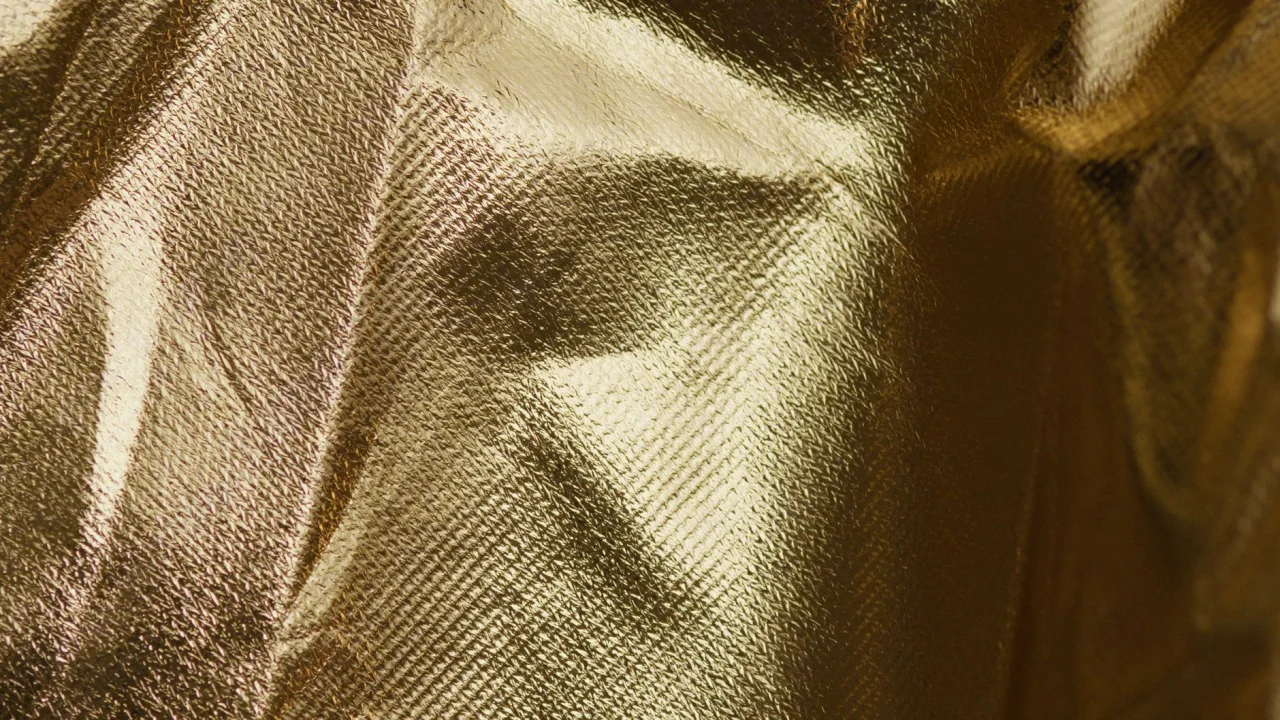
The base fibre and weight of the jacquard should follow the event and the season.
- Office and daytime wear. A light cotton or viscose jacquard in a subtle self-colour looks polished without trying too hard.
- Eid and formal dinners. A silk or blended jacquard with a richer motif strikes an elegant, effort-free note.
- Weddings and festive events. A brocade jacquard, or a jacquard kurta paired with a worked dupatta, reads suitably celebratory.
- Warm-weather occasions. Favour lighter cotton jacquards, since dense silk and brocade weaves can feel warm through a long day.
For putting the whole look together, see our guide on how to style a kurta for every occasion, and to get the fit and budget right, how to choose the perfect kurta.
Caring for a jacquard kurta
Care depends heavily on the base fibre, so the label is your first guide.
- Follow the fibre. A cotton or viscose jacquard may be gently machine or hand washable, while a silk or brocade jacquard is usually dry-clean only.
- Wash cold and gentle. For washable jacquards, use cold water and a mild detergent, turn the garment inside out, and avoid harsh spinning that can distort the weave.
- Press on the reverse with low to medium heat, ideally with a cloth barrier, so the raised weave keeps its texture and does not flatten or shine.
- Store it hung, which helps a structured fabric keep its clean line and avoids hard creases across the pattern.
- Mind snags, since the raised motifs can catch on rough jewellery, watch straps, and bag zips.
Buying tip
Turn the fabric over before you buy. On a genuine jacquard the pattern appears on the reverse in negative, because it is woven in, whereas a printed lookalike is patterned only on the front. Also check the base fibre, since a cotton jacquard and a silk jacquard sit at very different price points. Treat any figures you see as ranges that vary by fibre, weave density, and retailer, and confirm current pricing before buying.
Jacquard compared with other formal fabrics
When you want a textured, self-decorated fabric, jacquard and velvet are the two obvious choices, but they behave differently: jacquard is a woven pattern with body and breathability, while velvet is a dense pile with warmth and a plush surface. Our comparison of velvet vs jacquard lays out the trade-offs, and our guide to jacquard outfits and what styles best covers the fabric beyond kurtas.
Common jacquard kurta mistakes to avoid
- Over-decorating it, when the woven pattern is already the feature. Keep the styling simple.
- Ironing the raised side hot, which flattens the texture and can leave a shine.
- Washing a silk or brocade jacquard at home, which can distort the weave and dull the finish.
- Confusing a print for a true jacquard, and overpaying for a surface pattern that is not woven in.
- Choosing a heavy brocade for a hot daytime event, where a lighter cotton jacquard would be far more comfortable.
Frequently asked questions
Is jacquard a good fabric for a kurta?
Yes, jacquard is an excellent kurta fabric when you want a formal, textured look without embroidery. Because the pattern is woven into the cloth, a jacquard kurta looks dressed up on its own, holds a clean line thanks to its body, and needs very little extra styling to feel occasion-ready.
How can I tell a real jacquard from a print?
Look at the reverse of the fabric. On a true jacquard the pattern is woven in, so it appears on the back in negative and the cloth has a raised, textured feel. A print sits only on the front surface, leaving the back plain, and feels flat to the touch.
Is a jacquard kurta suitable for summer?
It depends on the base fibre. A light cotton or viscose jacquard is reasonably breathable and works for warm weather, while dense silk and brocade jacquards trap more heat and are better for cooler evenings and formal events. Check the fibre content when buying for a hot climate.
Can I wash a jacquard kurta at home?
A cotton or viscose jacquard can often be gently hand or machine washed in cold water, turned inside out, if the label allows. Silk and brocade jacquards are usually dry-clean only, since washing can distort the weave and dull the finish. Always follow the care label for the specific fibre.
How much does a jacquard kurta cost?
Price is driven mainly by the base fibre and the density of the weave. A cotton or viscose jacquard kurta sits at the affordable end, while a silk or brocade jacquard costs considerably more. Treat any figure as a range that varies by fibre, weave, and retailer, and confirm current pricing before buying.
Sources: Wikipedia: Jacquard machine and Wikipedia: Kurta.
More on Fabrics
Have a question or a topic to suggest?
We read every message. Tell us what you would like to see next in the journal.
Get in touch