Dabka Kurti Designs Worth Buying 2026
How to judge coil-work quality, match fabric to occasion, and buy a dabka kurti without regret.
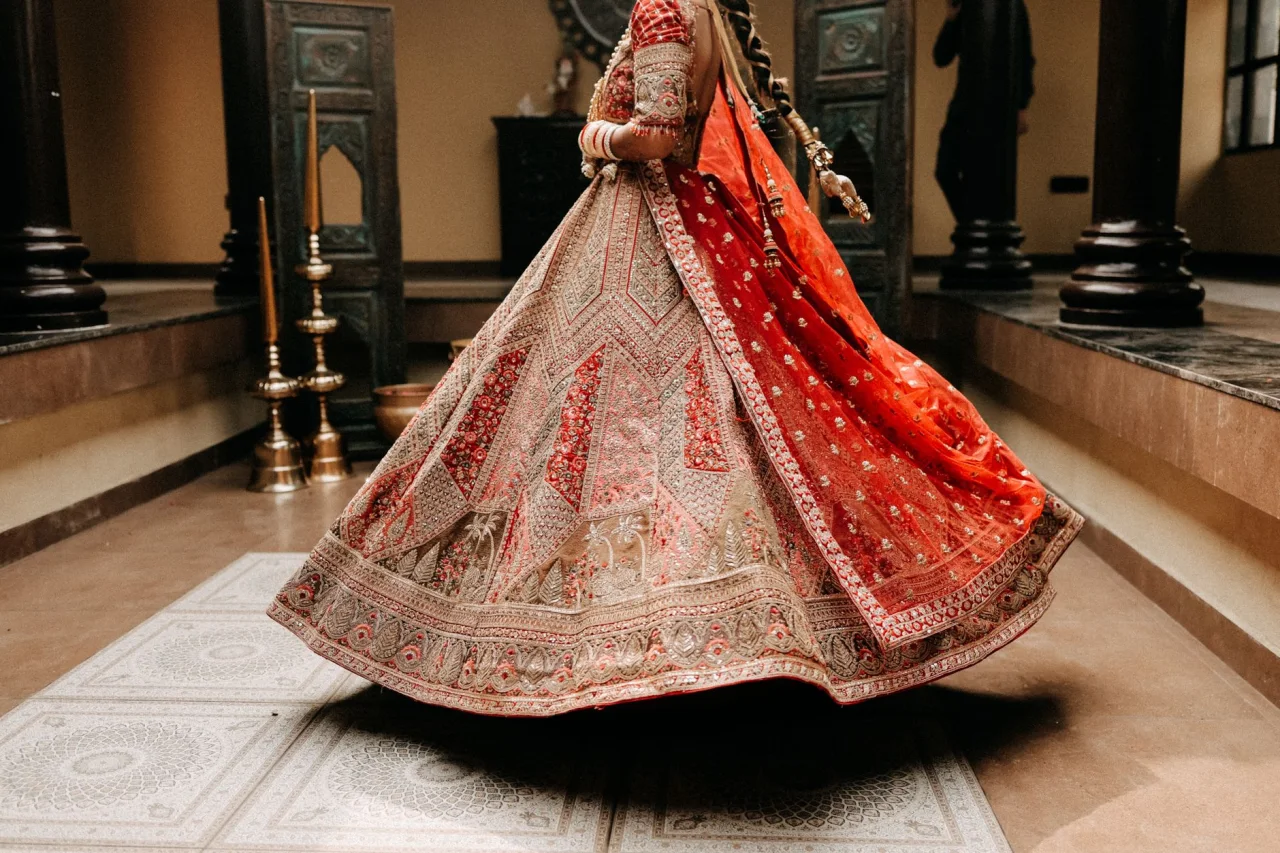
Dabka is one of those details that quietly separates an ordinary kurti from a special one. It is the raised, glinting metallic coil work you see tracing a neckline or scattered across a yoke, and on a kurti it adds just enough shine to carry you from a family dinner to a small celebration. This guide walks through the dabka kurti designs worth buying in 2026, how to judge quality before you pay, and which occasions each style actually suits.
The short version
- Dabka is a coiled metallic wire embroidery from the zardozi and goldwork family, couched onto fabric rather than stitched flat, which is why it sits raised and catches light.
- For a kurti, look for neat, secure couching, no loose wire ends, and a balanced amount of work so the garment stays comfortable to wear.
- Prices vary widely by fabric, density of work and whether it is hand or machine assisted, so treat any figure as a range and confirm current pricing with the seller.
- Match the density to the occasion: light dabka on the placket for daywear, heavier yoke or full-front work for festive evenings.
What dabka actually is
Dabka is a metallic coil, essentially a fine wire wound into a springy hollow tube, that is cut into short lengths and couched onto fabric with a second thread. It belongs to the broader tradition of metal thread embroidery, where threads are held on the surface by couching rather than passed repeatedly through the cloth. In goldwork this same springy coiled wire is known as purl or bullion, and it can be stretched slightly and stitched over, or cut into small pieces and applied almost like beads. The technique is closely tied to zardozi, the heavy metal embroidery that flourished under the Mughals and is still worked across the subcontinent today. That is exactly how dabka behaves on a kurti: tiny cut coils laid side by side to build a raised, light-catching line.
Because it is a metal element sitting on the surface, dabka reads as more formal than flat thread embroidery. On a kurti it is usually used with restraint, an outlined neckline, a decorated placket, sprinkled motifs, so the piece stays wearable. If you want the full background on the craft, our explainer on what dabka is and how to spot quality goes deeper into the technique.
Dabka kurti designs worth buying in 2026
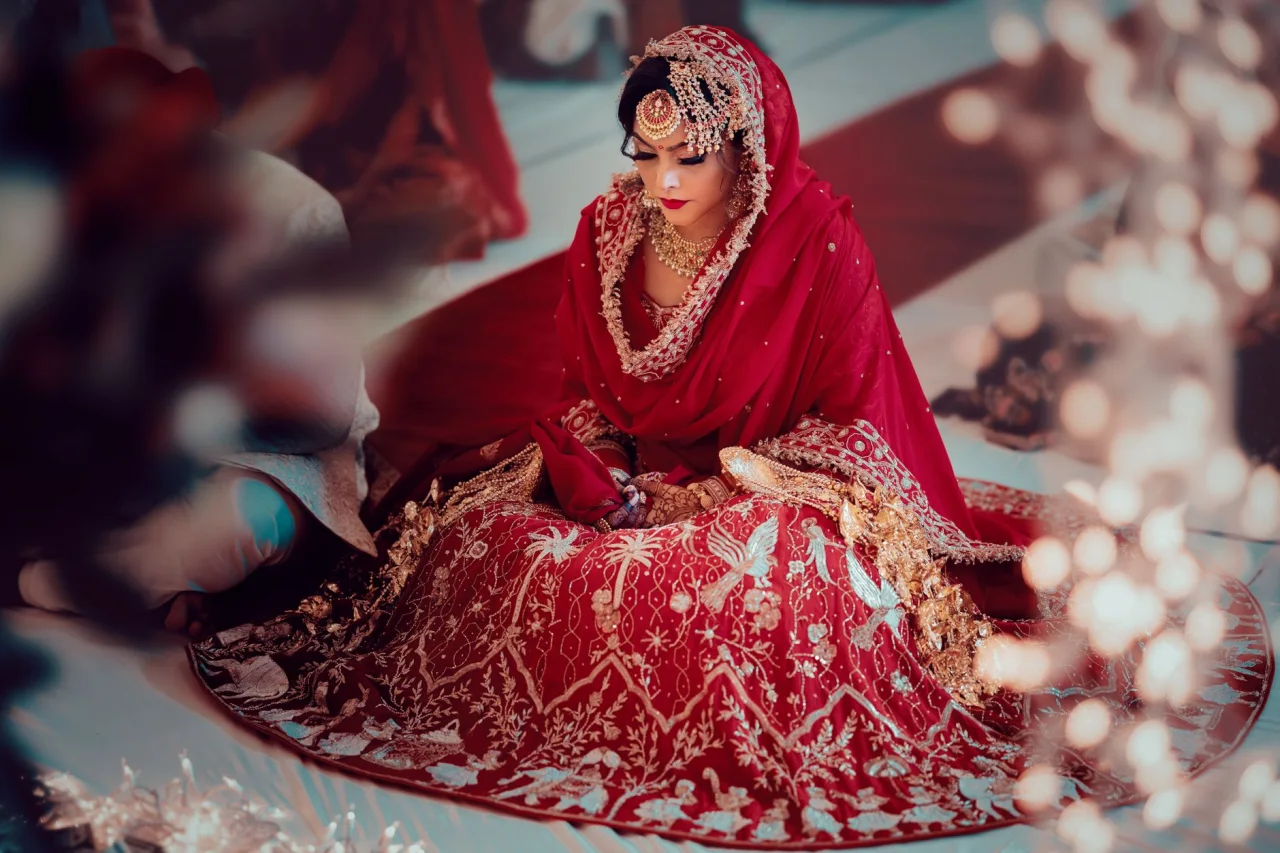
Rather than chase a fake leaderboard, think in terms of design families. These are the recurring styles that flatter most body types and suit a range of budgets.
- Neckline outline kurti: a single crisp line of dabka tracing a round, V or boat neck. The most versatile choice, and the easiest to dress up or down.
- Placket and button-band kurti: dabka running down the front opening, often paired with small buttons or loops. Structured and office-friendly in muted tones.
- Yoke-heavy kurti: dense coil work across the chest and shoulders, tapering into a plain body. Reads festive without weighing down the whole garment.
- Scattered motif kurti: small dabka buttis (motifs) spread across the fabric, sometimes mixed with sequins or resham thread. Good for a soft, all-over shimmer.
- Border and hem kurti: work concentrated along the hem and sleeve edges, leaving the body clean. Flattering for a longer, straighter silhouette.
Styling note
Let the dabka be the loudest thing you wear. Pair a worked kurti with plain culottes or straight trousers and understated jewellery, so the metallic work reads as intentional rather than competing with a busy print or heavy earrings.
How to judge dabka quality before you buy
Quality is where most of your money goes, so learn to read it. Turn the garment inside out and inspect the reverse of the worked areas first.
- Secure couching: each coil should be firmly held by its couching thread, with no gaps where a piece could slide out. Loose sections shed quickly.
- Clean ends: run a fingertip gently along a line of work. Sharp, poking wire ends signal rushed finishing and can snag both skin and other clothes.
- Even lines: the coils should sit uniformly, with consistent spacing. Wobbly, uneven runs are a sign of hurried labour.
- Balanced weight: a well-made worked yoke is supported by an appropriate backing so the fabric does not sag or pucker around it.
- Colourfast base: check that the fabric under and around the work is neatly finished and unmarked by the embroidery process.
Hand versus machine dabka
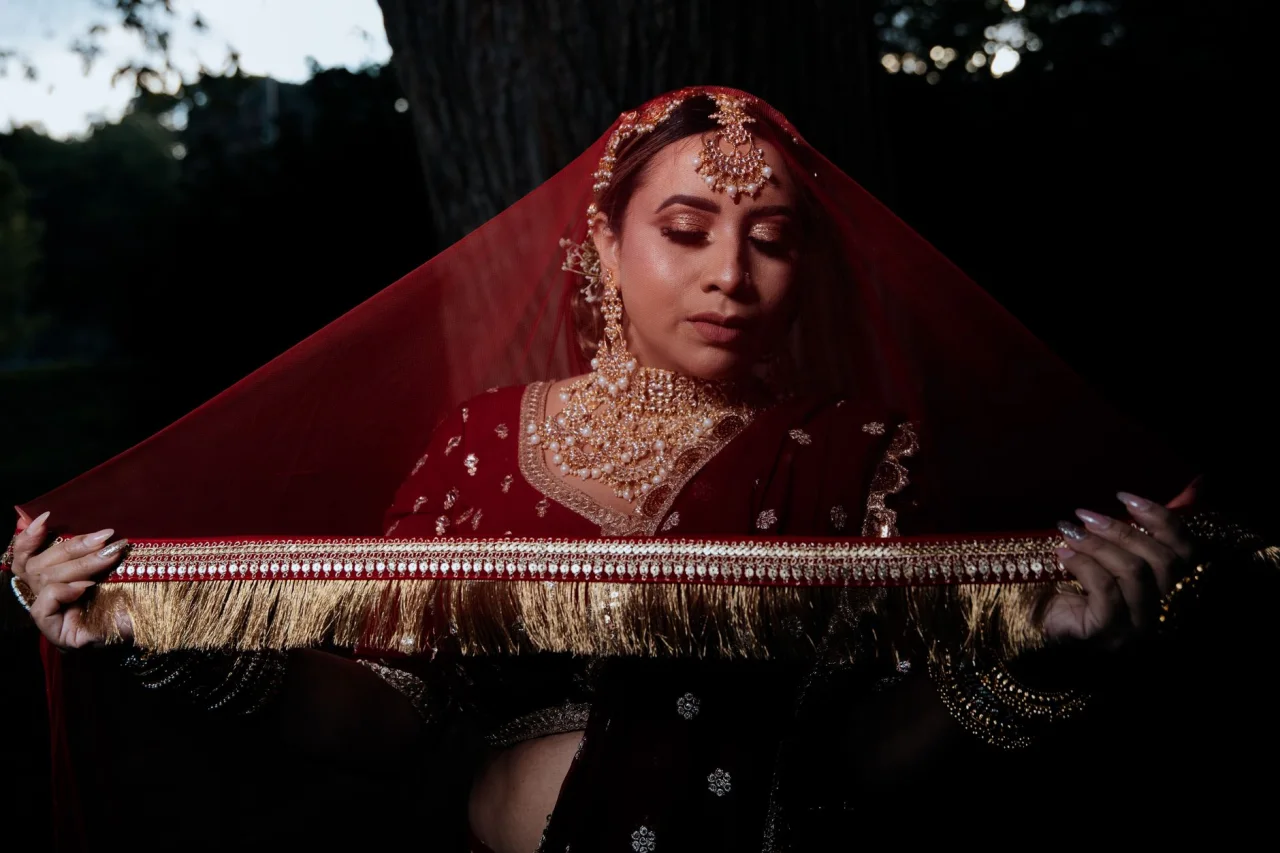
Traditional dabka is applied by hand, one couched coil at a time, which is slow and skilled work. Some contemporary kurtis use machine or partly machine-assisted techniques to imitate the raised look at a lower price. Neither is automatically wrong: hand work carries more character and value, while a good machine-assisted piece can be a sensible everyday buy. What matters is that the seller is honest about which you are getting, and that the finish is secure. If you like understanding the difference across techniques, our guide on hand versus machine embroidery is a useful companion.
Fabrics that carry dabka well
The base fabric changes how the work sits and how the kurti feels to wear. A few reliable pairings:
- Cotton and lawn: breathable and casual-friendly, best with lighter dabka so the metal does not overwhelm a soft cloth. See our lawn fabric guide for care basics.
- Silk and raw silk: a natural match for metallic work, with enough body to support denser coils. Our raw silk explainer covers its texture.
- Georgette and chiffon: flowing and elegant, but they need lighter, well-supported work to avoid dragging.
- Velvet: luxurious and winter-friendly, and a classic ground for heavy metal thread. Best reserved for occasion kurtis.
Matching the design to the occasion
Density is your main signal. A thin neckline outline in silver dabka suits work and daytime visits. A decorated placket with a few scattered motifs works for casual celebrations and Eid mornings. A dense, glinting yoke belongs at evening gatherings, mehndi functions and festive dinners. When in doubt, buy lighter: you can always dress a subtle kurti up with jewellery, but you cannot tone down a heavily worked one. For festive planning, our Eid outfit ideas show how metallic details slot into a full look.
Care in one line
Metal thread work does not survive frequent laundering, so keep dabka kurtis to gentle spot cleaning or professional dry cleaning, store them folded with the work protected, and never wring or machine wash them.
Caring for dabka so it lasts
Goldwork and metal thread pieces are traditionally reserved for occasional wear precisely because the metal threads will not hold up to repeated laundering. Treat your dabka kurti the same way. Air it after wearing rather than washing it each time, spot clean small marks, and take it to a trusted dry cleaner for anything more. Store it flat or gently folded with tissue over the worked areas so the coils do not crush or catch on other garments. Kept this way, a good dabka kurti stays sharp for years. One extra habit helps: keep the kurti away from perfume and hairspray, which can tarnish or dull the metal over time, so dress and spray before you put it on rather than after.
Where dabka kurtis fit in your wardrobe
A single well-chosen dabka kurti is a genuine workhorse for the desi wardrobe. It bridges the gap between plain everyday shirts and full formal wear, so it is often the piece you reach for when an event is dressier than casual but not quite black tie. Pair it across the season with plain trousers, a worked sharara for functions, or straight palazzos for daywear. If you are still deciding on the silhouette itself, our kurti buying guide helps you nail fit and fabric before you factor in the embroidery.
Frequently asked questions
Is dabka the same as zari or tilla?
They are related but not identical. Dabka is specifically a coiled metallic wire couched onto fabric so it sits raised, while zari usually refers to metallic thread woven or embroidered flatter, and tilla is another metal thread tradition. All belong to the wider family of metal thread embroidery.
Can I wash a dabka kurti at home?
Avoid regular washing. Metal thread work does not survive frequent laundering, so spot clean small marks by hand and use professional dry cleaning for anything more. Never machine wash or wring a piece with dabka.
How much does a dabka kurti cost?
Prices vary widely by fabric, how dense the work is, and whether it is hand or machine assisted, so any single figure would be misleading. Treat listings as a range and confirm current pricing directly with the retailer.
Is dabka work comfortable to wear?
A well-made kurti with balanced, properly finished work is comfortable, because the coils are secured and the ends are tucked. Discomfort usually comes from poking wire ends or overly heavy work on a thin fabric, both signs of lower quality.
What should I wear with a dabka kurti?
Keep the rest simple. Plain trousers, culottes or palazzos let the metallic work stand out, and understated jewellery avoids competing with the shine. Save heavier accessories for kurtis with only light dabka.
More on Embroidery
Have a question or a topic to suggest?
We read every message. Tell us what you would like to see next in the journal.
Get in touch