Autumn Fashion 2026: Best Picks
Mid-weight fabrics, earthy colours and easy layering formulas to shop the transitional season smartly, no fake leaderboards.
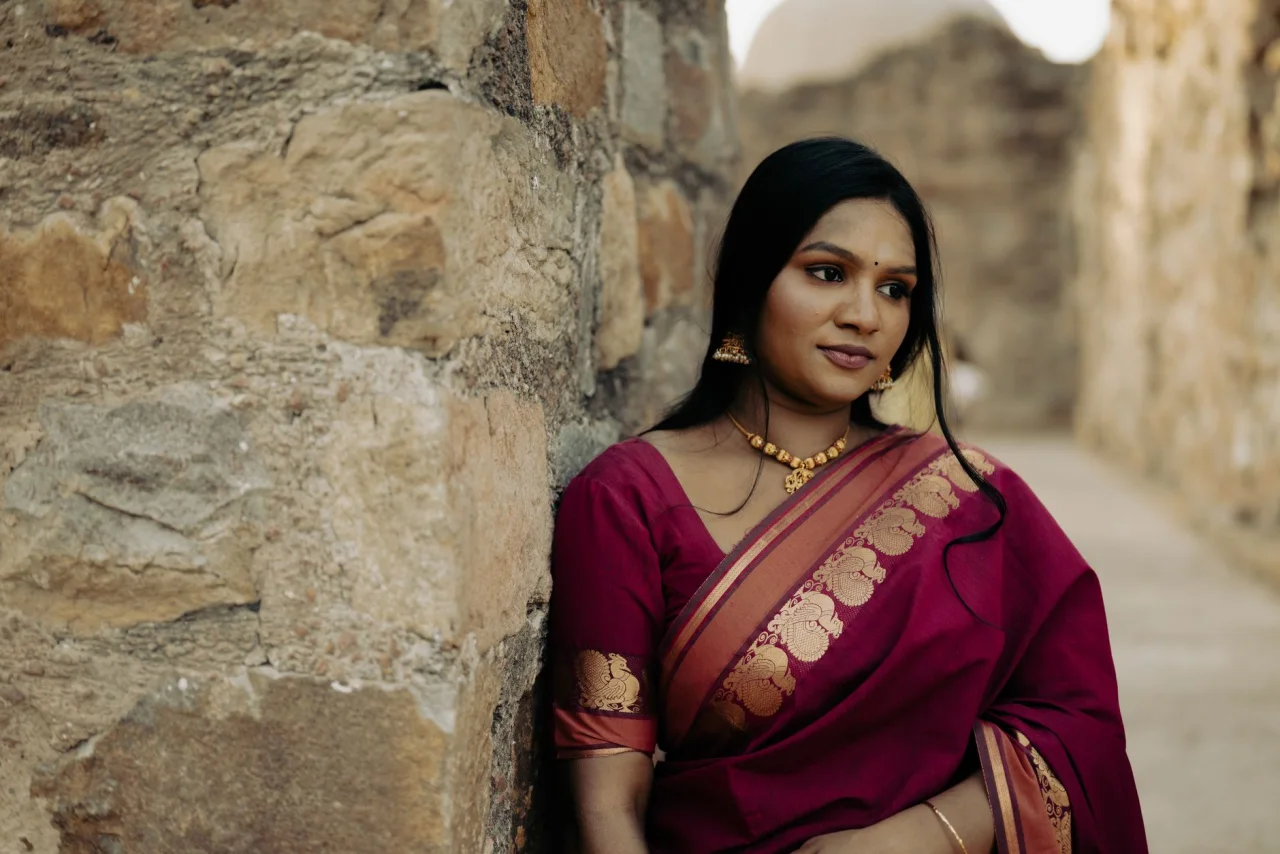
Autumn is the quiet turning point of the desi wardrobe, the moment lightweight lawn gets folded away and slightly heavier weaves start to feel right again. This guide is an honest look at how to shop the autumn 2026 season smartly: what to prioritise, how to judge value across brands, and simple styling formulas that carry a few well chosen pieces a long way. There is no fake leaderboard here, just criteria you can use on any collection.
The short version
- Autumn in Pakistan and much of South Asia is a transitional season, so mid-weight fabrics like khaddar, cambric, and light linen do most of the work.
- The best autumn picks are versatile pieces you can layer, not one-occasion outfits.
- Judge a collection by fabric weight, print depth, and price per wear rather than by hype or launch buzz.
- Prices vary a lot by fabric, work, and retailer, so confirm current pricing on official brand channels before you buy.
What autumn dressing actually means in desi fashion
Autumn in most of Pakistan and northern South Asia is not the sharp cold of winter. It is a transitional stretch where mornings and evenings cool down but afternoons can still be warm. That in-between climate is the whole reason a dedicated autumn wardrobe makes sense: pure lawn starts to feel too thin, but heavy velvet and wool are still weeks away. The sweet spot is mid-weight cloth that holds a little warmth without overheating you.
Practically, that means the season rewards fabrics like khaddar, cambric, brushed cotton, and lighter linen, along with the first embroidered suits of the year. Even the summer staple starts to change role: lawn, a fine plain-weave combed cotton as its reference entry explains, is prized for keeping you cool, which is exactly why it feels too thin once mornings turn crisp. If you want to understand why these weaves behave the way they do before you spend, our guide to the best fabrics for winter dresses maps out where autumn ends and true winter begins.
The fabrics to prioritise this autumn
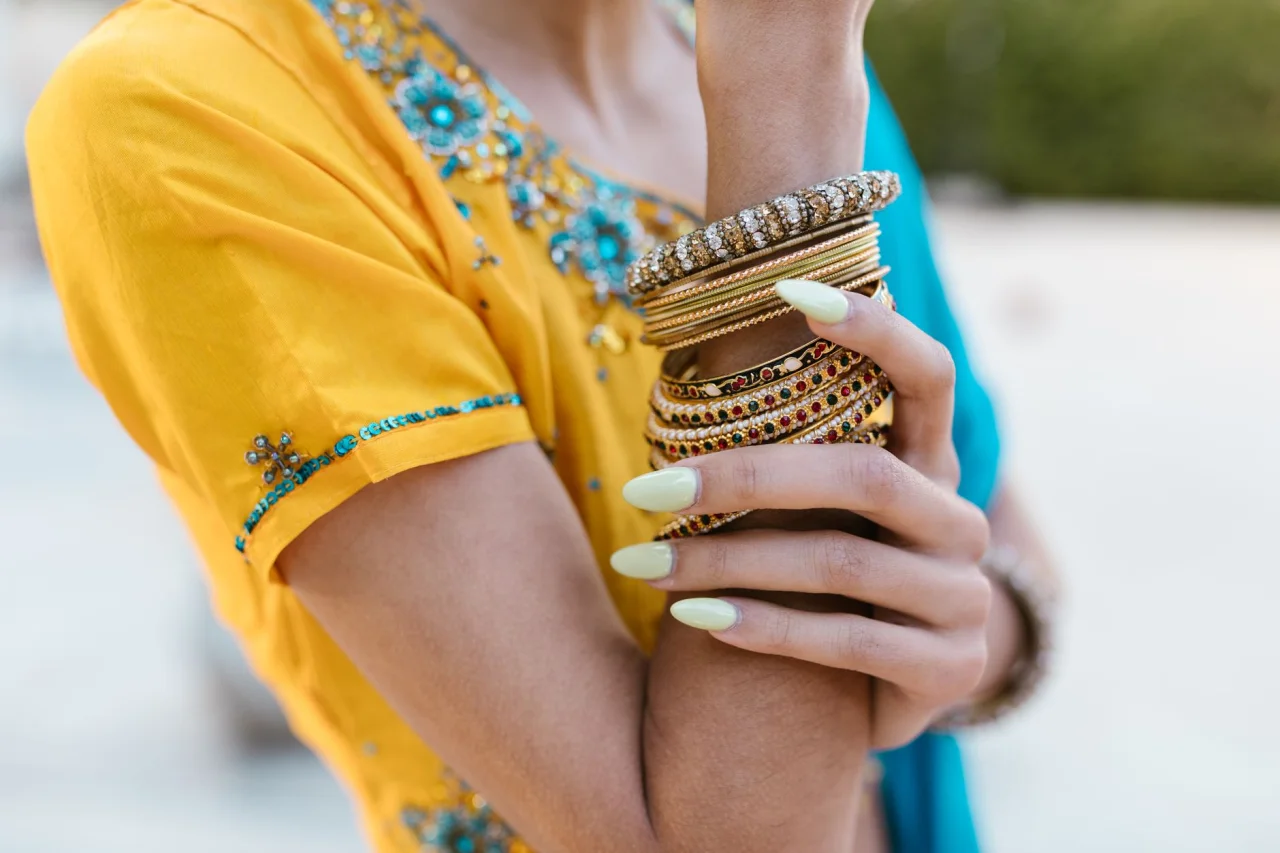
Rather than chasing specific print names, shop by fabric first. These are the weaves that earn their place in an autumn rotation:
- Khaddar: a handwoven-style cotton with a slightly coarse, warm hand. It is the classic Pakistani autumn and winter staple because it insulates gently without bulk.
- Cambric: a smooth, densely woven cotton that sits a touch heavier than lawn, ideal for the early part of the season.
- Light linen: breathable but with more structure than summer cottons, so it drapes well as the air dries out.
- Cotton net and light silk: for evening and festive dressing when you want a dressier finish without heavy winter cloth.
Our deeper dives into khaddar suits explain how to spot a good weave and keep it looking new, which matters more in autumn because you will wear these pieces repeatedly before the season shifts.
A quick word on layering, since it is what makes autumn dressing work. The season is really about pieces you can add or remove as the temperature swings through the day. A light shawl, a waistcoat, or a longer unstitched dupatta doubled over the shoulders lets a single suit handle a cool morning and a warmer afternoon without a full change of clothes. Think of your autumn base as a foundation and your layers as the dial you turn up or down.
Styling note
Autumn is the best time to build around a neutral base. A khaddar or cambric suit in a muted tone works as a canvas you can restyle with different dupattas, shawls, and jewellery, which stretches a small budget across many looks.
How to judge the best autumn picks (without a fake ranking)
Every brand calls its new drop the best, so ignore the label and use a simple checklist instead. A genuinely strong autumn piece usually ticks these boxes:
- Right weight for the season: mid-weight, not summer-thin and not deep-winter heavy.
- Print or embroidery depth: colours that read well in the softer autumn light, and stitching that is even and secure.
- Versatility: can it move from a workday to a casual evening with a change of accessories?
- Honest value: the price makes sense for how many times you will realistically wear it.
This is the same logic we apply in our comparison of luxury lawn brands: the winner is whichever collection fits your body, budget, and calendar, not whichever has the loudest launch.
Autumn colour and print direction
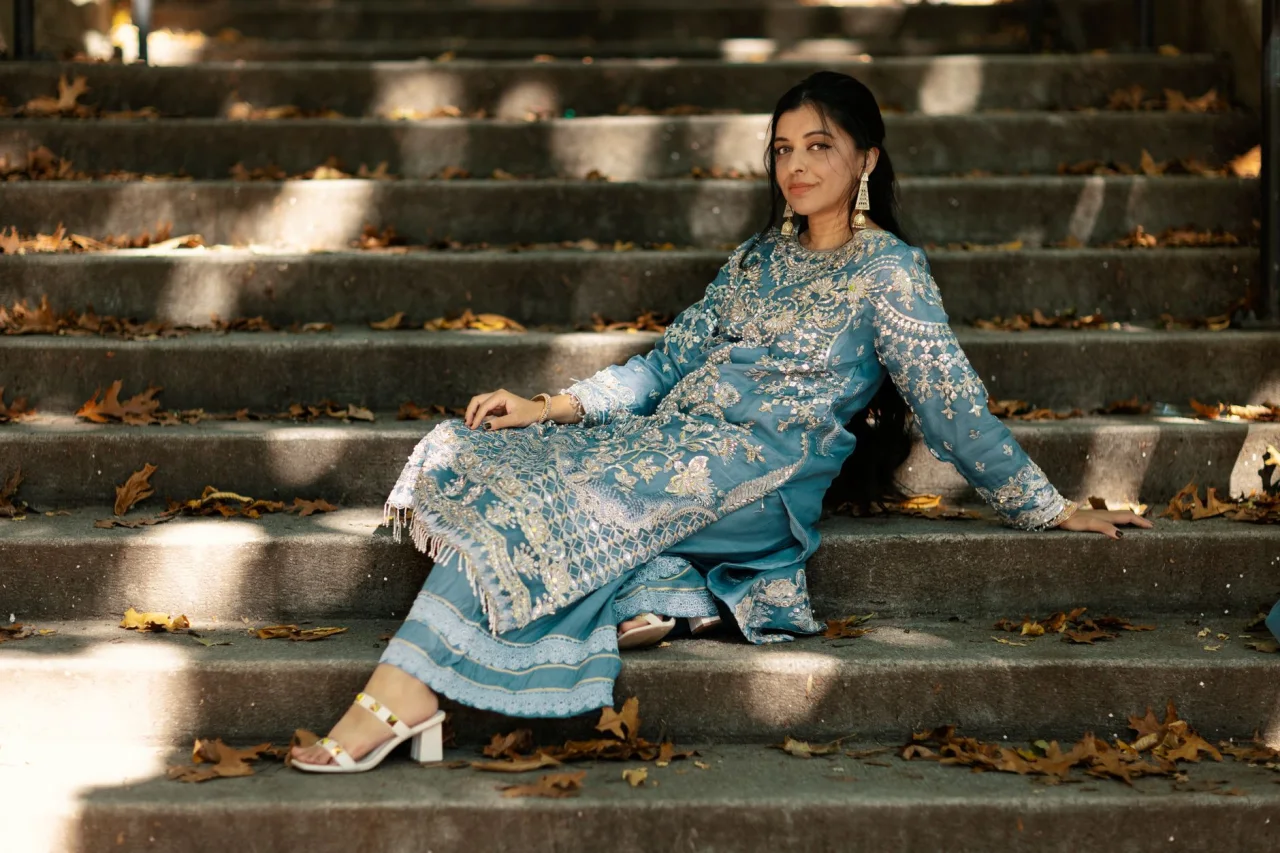
Autumn palettes traditionally lean warm and earthy: rust, mustard, olive, deep teal, brick, and chocolate, softened by creams and dusty pastels. These tones flatter the season and are easy to mix, which is exactly why they recur year after year. If you prefer cooler shades, muted jewel tones like emerald and plum also sit comfortably in an autumn wardrobe.
For prints, expect a shift away from the bright, busy florals of high summer toward smaller motifs, geometric repeats, and more embroidery-led designs. If you want to build a considered palette rather than buying on impulse, our color combinations guide shows how to pair two or three shades that always work together.
Texture matters as much as colour once the light softens. A khaddar with a visible weave, a self-embroidered panel, or a raised thread border adds depth that a flat summer print cannot, and it photographs well in autumn's warmer, lower light. When you are choosing between two suits in similar tones, let the one with more textural interest win, because it will feel more seasonal on the body even before you add jewellery or a shawl.
Three autumn styling formulas that always work
You do not need a large wardrobe to look pulled together this season. Three repeatable formulas cover most of what autumn asks for:
- The everyday layer: a khaddar or cambric suit in a neutral tone, a contrast dupatta, flat or block-heel shoes, and minimal gold jewellery. Add a light shawl as evenings cool.
- The smart-casual look: a straight or A-line embroidered kurta over cigarette pants or a simple shalwar, with a structured bag and stud earrings for work or a lunch. The classic shalwar kameez, Pakistan's national dress, is the natural backbone of this formula.
- The evening upgrade: a light silk or net suit in a jewel tone, statement earrings, and a heeled sandal for a dinner or an early-season event.
For step-by-step help turning a single suit into several outfits, our guide on how to style a lawn suit for every occasion uses the same principles that carry over cleanly into autumn cloth.
Buyer tip
If you can only buy one or two autumn pieces, choose unstitched fabric and a trusted tailor. You get the exact fit you want and can adjust sleeve length or shirt length to suit the transitional weather, which ready-to-wear rarely lets you do.
How to shop the season without regret
Autumn collections tend to arrive a few weeks before the weather actually turns, so there is real value in shopping early: the strongest fabrics and prints sell first and restocks are limited. A few habits keep the process calm and cost-effective:
- Buy for the climate you actually live in, not the catalogue styling. A heavy suit is wasted if your autumn stays mild.
- Read the fabric and work description closely, since two suits that look alike in photos can differ sharply in weight and price.
- Confirm the current price on the official brand channel rather than trusting old listings or resellers.
- Prioritise pieces you can layer and restyle over single-use festive outfits.
It also helps to shop with your existing wardrobe in mind. Before buying a new autumn suit, picture the shawls, dupattas, and shoes you already own and choose colours that extend what you have rather than sitting apart from it. A single well judged purchase that pairs with three things you already wear is worth more than three showy pieces that each demand new accessories. That discipline is what keeps a transitional-season wardrobe both affordable and genuinely wearable.
If you plan to shop online, our guide to buying Pakistani dresses online without regrets covers sizing, fabric checks, and return realities that matter even more when you cannot feel the cloth in person. And once the temperature truly drops, hand over to our roundup of winter dresses for 2026 for heavier weaves and richer occasion wear.
Frequently asked questions
What fabrics are best for autumn in Pakistan?
Mid-weight fabrics work best because autumn is a transitional season. Khaddar, cambric, brushed cotton, and lighter linen give gentle warmth without the bulk of true winter cloth, while light silk and net suit dressier evening looks.
When should I buy an autumn collection?
Aim to shop a few weeks before the weather actually cools, since collections launch ahead of the season and the strongest fabrics and prints sell out first with limited restocks. Buying early gives you the best choice.
How do I judge which autumn picks are actually best?
Use a simple checklist rather than the marketing label: the right fabric weight for the season, even and secure print or embroidery, versatility across occasions, and a price that makes sense for how often you will wear it.
What colours suit an autumn desi wardrobe?
Warm, earthy tones like rust, mustard, olive, brick, and chocolate are traditional autumn shades and mix easily. Muted jewel tones such as emerald and plum also work well if you prefer cooler colours.
How many autumn outfits do I really need?
Fewer than most collections suggest. Two or three versatile, layer-friendly pieces in neutral or earthy tones, restyled with different dupattas, shawls, and jewellery, cover most of the transitional season comfortably.
More on Fashion Trends
Have a question or a topic to suggest?
We read every message. Tell us what you would like to see next in the journal.
Get in touch