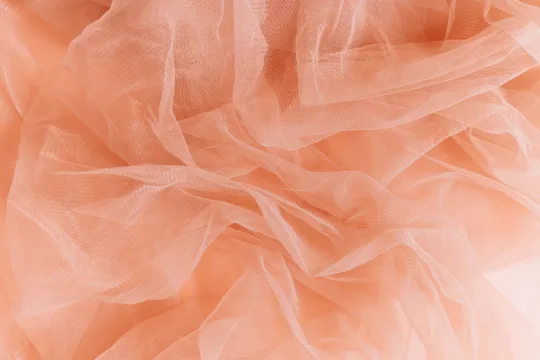
How to Care for Organza Safely
How to clean organza, the products to use and avoid, how to press out creases, and the mistakes that ruin this crisp, sheer fabric for good.
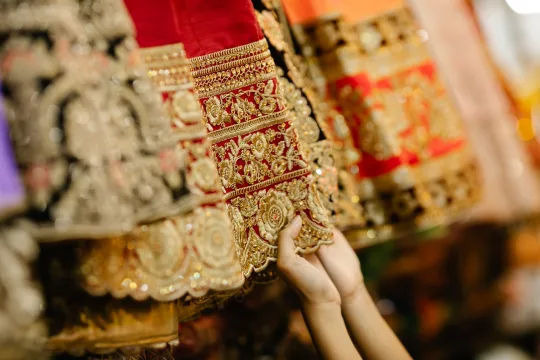
What Is Thread Embroidery?
Thread embroidery in silk or cotton floss is the family behind chikankari, phulkari and kantha. Here are the regional roots, core stitches, and how to tell hand from machine work.
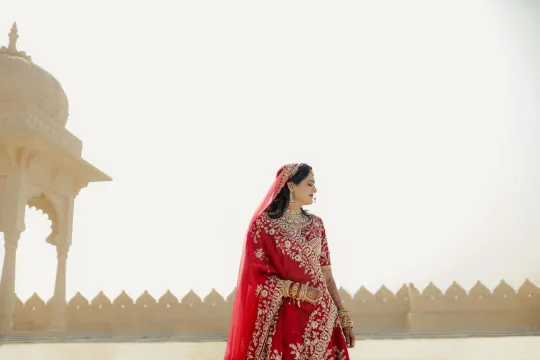
How to Store a Bridal Lehenga
How to store a bridal lehenga so it survives the years looking as good as it did on the day: cleaning, covers, folding, environment, and upkeep.
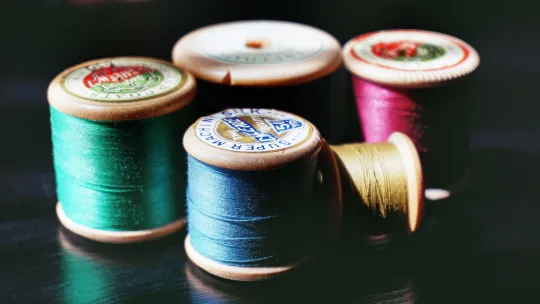
What Is Resham Embroidery?
Resham means silk, so resham embroidery is the glossy, colourful thread work seen on kurtis, dupattas and bridal wear. Here is its history, technique and how to judge quality.
How to Iron Chiffon Safely
How to iron chiffon safely: the correct heat, the barrier you must use, the steaming alternative, and the mistakes that scorch, melt, or snag the fabric.
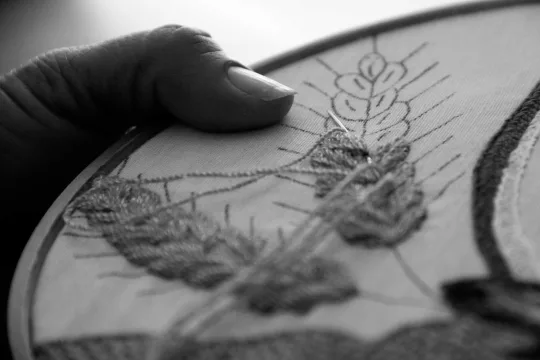
What Is Hand Embroidery?
Hand embroidery places every stitch by hand, and it is what gives a bridal lehenga its depth. Learn its history, core stitches and how to recognise true handwork.
What Is Machine Embroidery?
Machine embroidery reproduces a stored digital design at speed, powering most everyday desi clothing. Learn how it developed, its types and how to recognise it.
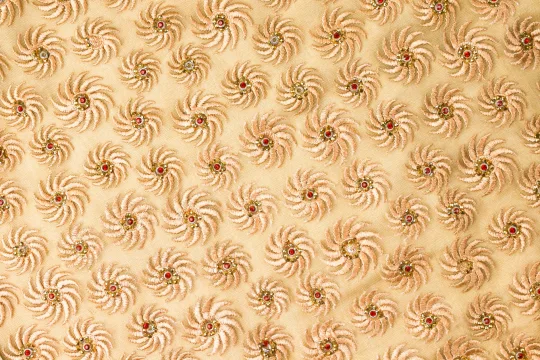
Types of Pakistani Embroidery
Pakistani fashion is a story told in thread. This hub covers chikankari, zari, dabka, tilla, gota and mirror work, with each one's region, technique and price band.
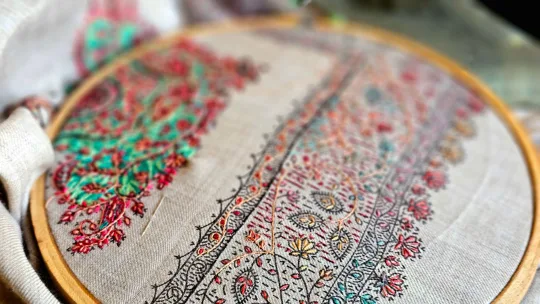
Hand vs Machine Embroidery
Is that bridal outfit hand or machine embroidered? Learn the fastest tells, from the reverse of the fabric to repetition, texture and price, before you spend.