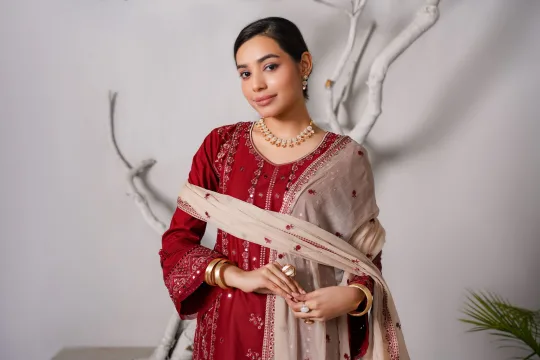
What Is Tilla Work?
Tilla is the golden metallic thread that has draped Kashmiri brides for centuries. Here is what tilla work is, where it comes from, and how to spot authentic tilla dozi.
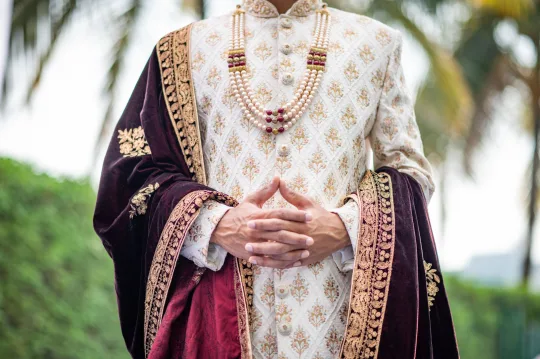
What Is Gota Patti Work?
Gota is the metallic ribbon appliqué that looks heavy yet wears light. Here is what gota patti is, its Rajasthani roots, and how to tell real ribbon work from plastic gota.

What Is Mirror Work?
Mirror work, known as shisha or abhla bharat, holds reflective discs with thread alone. Here is its history, how the mirrors are stitched, and how to spot genuine handwork.
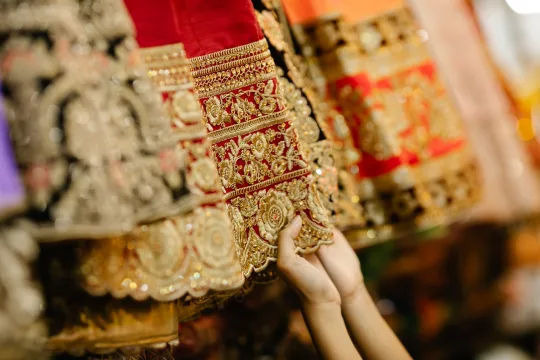
What Is Thread Embroidery?
Thread embroidery in silk or cotton floss is the family behind chikankari, phulkari and kantha. Here are the regional roots, core stitches, and how to tell hand from machine work.
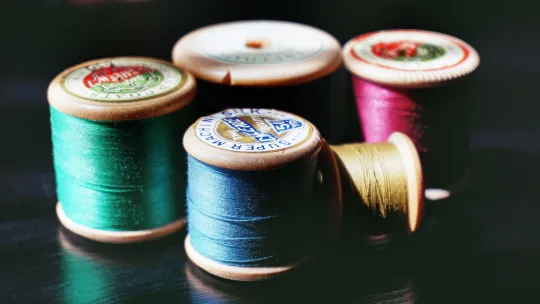
What Is Resham Embroidery?
Resham means silk, so resham embroidery is the glossy, colourful thread work seen on kurtis, dupattas and bridal wear. Here is its history, technique and how to judge quality.
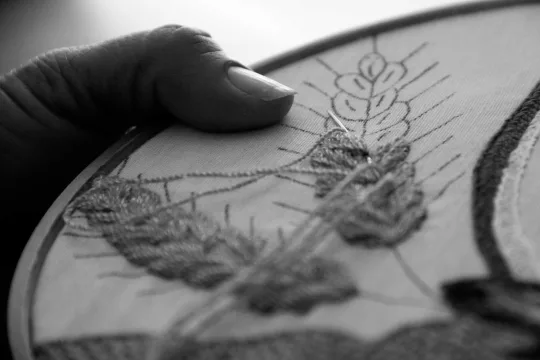
What Is Hand Embroidery?
Hand embroidery places every stitch by hand, and it is what gives a bridal lehenga its depth. Learn its history, core stitches and how to recognise true handwork.
What Is Machine Embroidery?
Machine embroidery reproduces a stored digital design at speed, powering most everyday desi clothing. Learn how it developed, its types and how to recognise it.
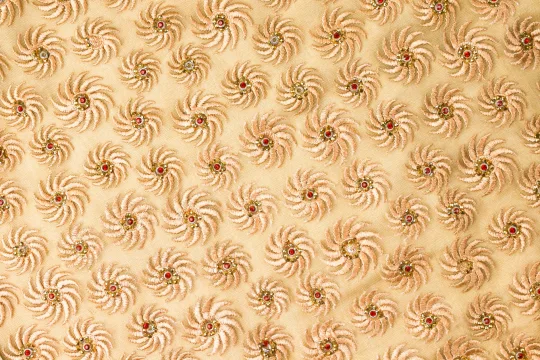
Types of Pakistani Embroidery
Pakistani fashion is a story told in thread. This hub covers chikankari, zari, dabka, tilla, gota and mirror work, with each one's region, technique and price band.
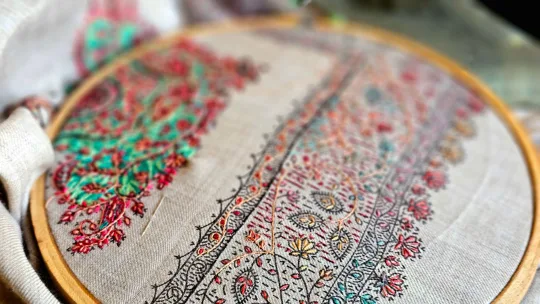
Hand vs Machine Embroidery
Is that bridal outfit hand or machine embroidered? Learn the fastest tells, from the reverse of the fabric to repetition, texture and price, before you spend.