Ready to Wear 2026: In and Out
Relaxed silhouettes, co-ords and inclusive sizing rise while stiff over-tailoring fades in off-the-rack desi wear.

Ready-to-wear is the quiet revolution in desi fashion: finished clothes in standard sizes that you buy and wear the same day, no tailor, no waiting. In 2026 the shift toward stitched, ready pieces is accelerating as busy shoppers trade the ritual of unstitched fabric for convenience and consistency. Here is an honest read on what is trending in ready-to-wear, what is fading, and how to buy well so a standard size actually fits your life.
The short version
- Ready-to-wear means finished garments in standard sizes, bought off the rack rather than stitched to order.
- In for 2026: relaxed silhouettes, co-ord sets, size-inclusive ranges and easy-care everyday fabrics.
- Out: stiff over-tailoring, poor size ranges and disposable single-season pieces.
- Ready-to-wear trades some custom fit for speed and consistency: check the size chart, not just the label.
What ready-to-wear actually means
Ready-to-wear refers to garments sold in finished condition in standardized sizes, produced to be bought off the rack rather than tailored for one person. It sits between two other models: unstitched fabric, which you take to a tailor for a custom fit, and bespoke or made-to-measure, which is sewn to your exact measurements. The trade-off is straightforward: you give up some personalisation in exchange for speed, predictable sizing and no tailoring wait. If you are deciding between the two main desi options, our guide to ready to wear versus unstitched weighs it up in detail.
Ready-to-wear is not new: globally it has dominated wardrobes for decades, and by 1951 around 90 percent of garments sold in the United States were already ready-made. In desi fashion its share keeps growing as lifestyles get busier. The trends below reflect a category built around convenience getting better at fit and quality.
What is in for ready-to-wear in 2026
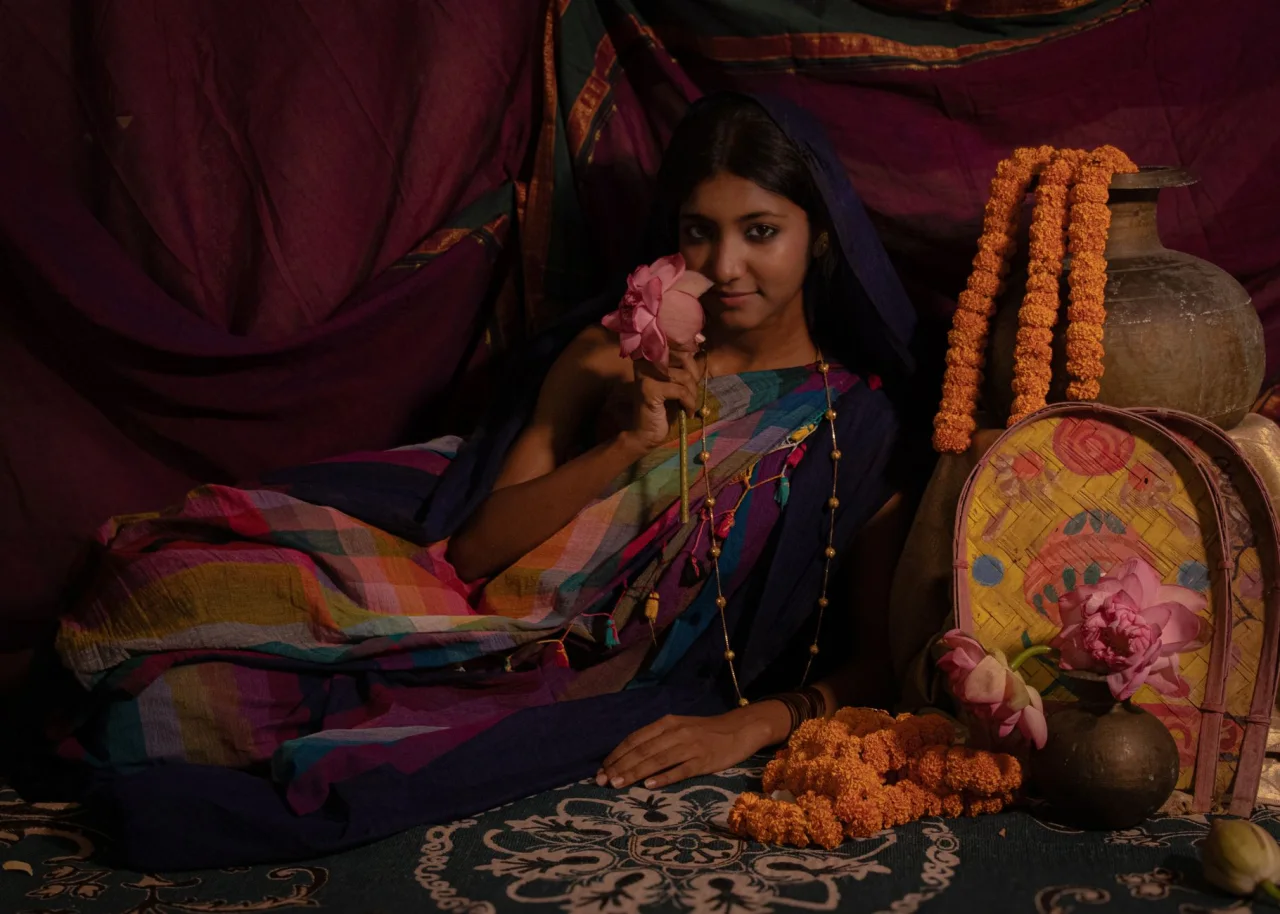
The defining direction is wearable ease: clothes that look considered but ask nothing of you beyond putting them on.
- Relaxed, forgiving silhouettes: Straight and A-line cuts that flatter more body types than rigid, ultra-fitted tailoring.
- Co-ord sets: A complete, coordinated look in one purchase, the ultimate ready-to-wear convenience. See co-ord set designs trending in 2026.
- Broader size ranges: More inclusive sizing so standard sizes fit more people well.
- Easy-care everyday fabrics: Breathable lawn and cotton for daily wear that survives frequent washing.
- Workwear-friendly separates: Mixable pieces that move from office to evening, echoing our office wear ideas for 2026.
What is on its way out
A garment you love is never wrong, but a few ready-to-wear habits are fading in 2026.
- Stiff, restrictive over-tailoring: Pieces that need constant adjusting are losing to relaxed cuts.
- Narrow, unrealistic size ranges: Brands offering only a couple of sizes are being left behind.
- Disposable single-season pieces: Shoppers are buying fewer, better items and keeping them longer.
- Fabric that pills or fades fast: Poor everyday cloth is a dealbreaker as buyers judge cost per wear.
Buying note
The single most useful habit in ready-to-wear is reading the actual size chart in centimetres, not trusting the S, M, L label. Sizes vary hugely between brands, and a two-minute measurement check prevents most fit disappointments.
Ready-to-wear versus luxury pret

Ready-to-wear spans a huge range, from budget high-street basics to premium designer pret. Luxury pret is simply the top tier of ready-to-wear: designer-level fabric, cut and finishing, still sold finished in standard sizes. If you are weighing a premium purchase, our comparison of luxury pret versus ready-to-wear and our explainer on what luxury pret really means show where the extra money goes and whether it is worth it for you.
Fabrics and fit for everyday ready-to-wear
Everyday ready-to-wear lives or dies on fabric. For hot weather, breathable lawn and cotton keep pieces comfortable and washable, which is why our guide to the best fabrics for Pakistani summers pairs well with any ready-to-wear haul. On fit, the honest reality of standard sizing is that minor alterations often make a good piece great. Budget for a quick nip at the tailor if needed, and you get most of the benefit of custom fit with almost none of the wait.
Fabric content also tells you how a piece will age. A high natural-fibre content in lawn or cotton breathes better and tends to wear more gracefully than heavily synthetic blends, which can pill or trap heat. Check the care label too: pieces you can wash at home will cost far less to maintain over a year than anything requiring frequent dry cleaning. For daily wear, that maintenance cost is a real part of the price, and it is easy to overlook at the point of sale. The most economical ready-to-wear wardrobe is built from durable, easy-care fabrics in cuts you can alter to fit, not from the cheapest sticker price.
What ready-to-wear realistically costs
Ready-to-wear covers an enormous price band, from affordable high-street pieces to premium designer pret, and figures shift with fabric, finishing, brand and retailer. As a general shape, everyday ready-to-wear is the most budget-friendly finished option, while luxury pret sits near the top. Because prices move constantly, treat any figure as indicative and confirm current pricing directly with the retailer. For smart low-cost shopping, our guide to affordable Pakistani dresses is a useful starting point.
Value tip
Ready-to-wear rewards buying for your real week. A few versatile, well-fitting stitched pieces you reach for constantly beat a wardrobe of single-use items, and they cost far less per wear.
The upsides and trade-offs of buying ready-to-wear
Ready-to-wear earns its growing share for concrete reasons, but it is worth being honest about the trade-offs so you buy with open eyes.
- Speed: You see the finished piece, try it on and wear it the same day. No tailor, no waiting, no guessing how fabric will hang once stitched.
- Predictability: What you see is what you get, which removes the risk of a tailor misreading a design or a fit going wrong after cutting.
- Consistency: Standard sizing lets you rebuy a brand you know fits, and it makes online shopping far more reliable once you know your measurements against their chart.
- The trade-off: You give up a truly custom fit. Standard sizes are built for an average, so alterations are often the difference between good and great.
For most people the convenience outweighs the compromise, especially for everyday and semi-formal wear. For statement occasions or unusual proportions, unstitched with a trusted tailor can still win. Knowing which model suits which occasion is the real skill, and it is worth mixing both across your wardrobe.
Building a ready-to-wear capsule for the year
A small, well-chosen ready-to-wear capsule covers most of the year with minimal effort. A practical core looks like this:
- Two or three straight or A-line kurtas in neutral, mixable shades.
- One versatile co-ord set that spans casual and semi-formal.
- A pair of well-fitting trousers and one pair of relaxed pants.
- A couple of dupattas or light scarves to restyle the same base.
- One dressier piece for events, in a fabric that photographs well.
Bought in good fabric and lightly altered to fit, these pieces recombine into far more outfits than their number suggests, which is the whole efficiency of ready-to-wear. Add pieces slowly and only when they earn a place, replacing worn basics before chasing new trends, and the capsule stays useful year after year instead of ballooning into a wardrobe of clothes you never reach for. For seasonal fabric choices, our guide to the best fabrics for Pakistani summers pairs naturally with this capsule.
How to shop ready-to-wear well
Before you buy, check three things: the size chart in real measurements, the fabric content and care, and how the piece mixes with what you already own. Buy for the life you actually lead, keep the receipt in case a size runs off, and factor in a small alteration budget. Done this way, ready-to-wear delivers exactly what it promises: good clothes, fast, with no waiting on a tailor. For the wider seasonal picture, see our roundup of Pakistani fashion trends in 2026.
Frequently asked questions
What does ready-to-wear mean?
Ready-to-wear means garments sold in finished condition in standardized sizes, bought off the rack rather than tailored for one person. It trades some custom fit for speed, consistent sizing and no tailoring wait.
What ready-to-wear trends are in for 2026?
Relaxed, forgiving silhouettes, complete co-ord sets, broader and more inclusive size ranges, easy-care everyday fabrics and mixable workwear separates are all rising. The overall theme is wearable ease and better fit.
What ready-to-wear habits are going out?
Stiff over-tailoring, narrow unrealistic size ranges, disposable single-season pieces and fabric that pills or fades quickly are all fading, as buyers judge pieces on comfort, fit and cost per wear.
Is ready-to-wear the same as luxury pret?
Luxury pret is the top tier of ready-to-wear, offering designer-level fabric, cut and finishing in standard sizes. All luxury pret is ready-to-wear, but ready-to-wear also includes affordable high-street clothing.
How do I get a good fit from ready-to-wear?
Read the actual size chart in real measurements rather than trusting the S, M, L label, since sizes vary between brands. Budget for minor alterations at a tailor, which turn a good standard-size piece into a near-custom fit.
More on Fashion Trends
Have a question or a topic to suggest?
We read every message. Tell us what you would like to see next in the journal.
Get in touch