Cotton Lawn Suit: Styles, Care & Picks
The fabric, the styles, the care routine, and how to buy well.
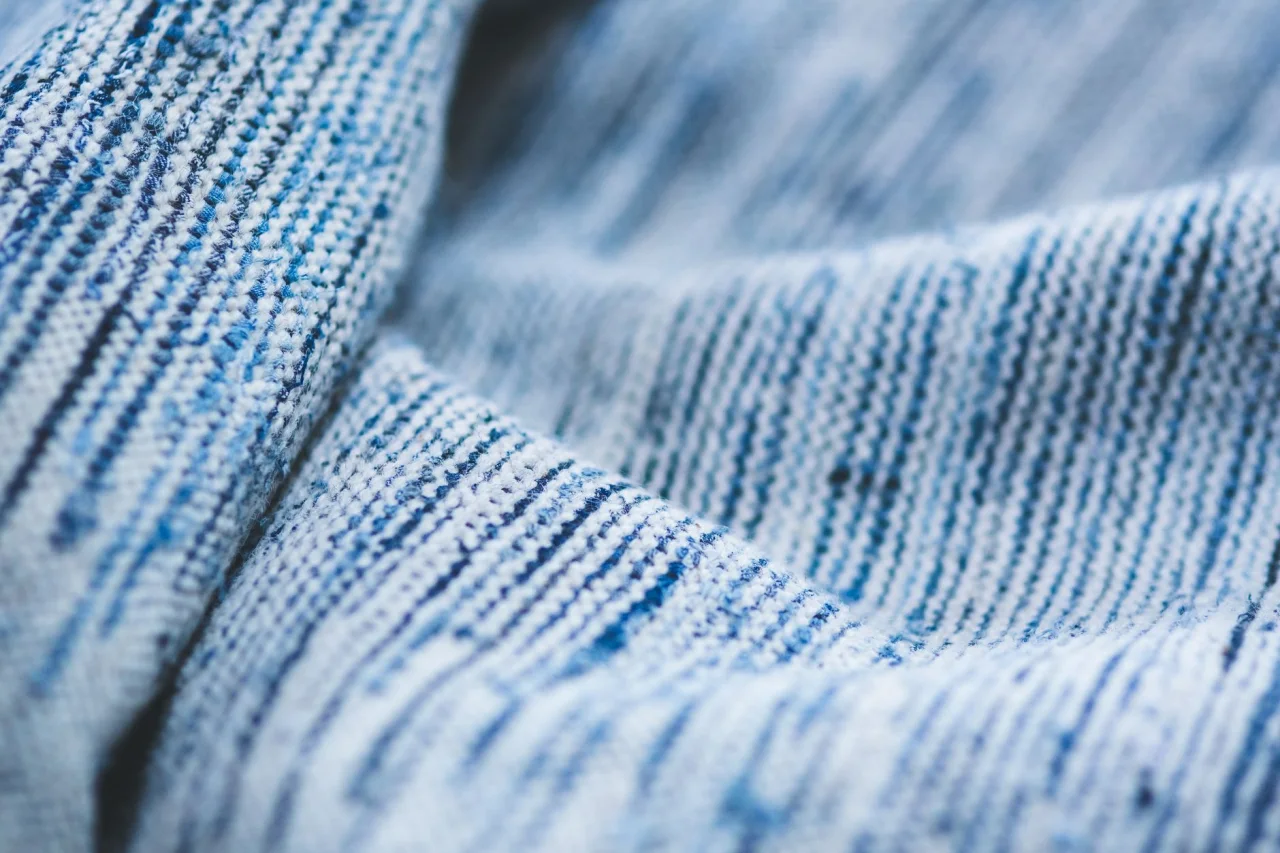
A cotton lawn suit is the workhorse of a South Asian summer wardrobe: light enough for a scorching afternoon, smart enough for the office, and endlessly printable so it never gets boring. This guide explains what cotton lawn actually is, the design styles worth knowing, how to care for a lawn suit so it lasts more than one season, and how to pick a good one without overpaying.
The short version
- Lawn is a fine, plain-weave cotton fabric: lightweight, smooth, breathable, and easy to print, which is why it dominates warm-weather desi wear.
- Cotton lawn suits come in three broad formats: printed everyday, embroidered semi-formal, and unstitched three-piece sets you get tailored to fit.
- Care is simple but non-negotiable: wash cool, wash prints inside out, dry in shade, and iron slightly damp on a medium cotton setting.
- Prices swing widely by brand, print, and embroidery, so treat any figure as a moving target and confirm current pricing with the retailer.
What cotton lawn actually is
Lawn is, in the plain words of textile references, a fine plain-weave textile made with fine combed cotton. It is woven from high thread-count yarns in a simple over-under structure, which gives it a smooth, silky, untextured surface that is crisper than voile but never fully stiff. That combination is exactly what makes it comfortable in heat: the weave is light and lets air move, while the fine cotton yarn feels soft against the skin.
The name itself is a geography lesson. Lawn traces back to Laon, a city in France that historically produced fine linen lawn, and the original cloth was linen before cotton became the standard fibre. Today the fabric is closely tied to Pakistan, where the lawn industry is a major part of the textile economy and the annual launch of new print collections is practically a national event. If you want the fibre and weave explained in full, our guide to what cotton lawn is, its properties, uses and care goes deeper, and lawn fabric vs cotton lawn untangles the naming that confuses so many shoppers.
Why cotton lawn works so well for a suit
A suit here means the classic three-piece: shirt (kameez), trousers (shalwar or trousers), and dupatta. Cotton lawn earns its place in that format for a few practical reasons.
- It breathes. The light plain weave and natural cotton fibre let heat and moisture escape, so it stays wearable through a long, hot day.
- It takes print beautifully. The smooth, even surface holds crisp digital and screen prints, which is why lawn is the canvas for the season's boldest florals and geometrics.
- It is soft and low-fuss. Cotton lawn feels gentle on skin and is machine friendly, unlike delicate sheers that demand dry cleaning.
- It suits every register. The same fabric works for a plain office kurta, a printed casual suit, or a heavily embroidered festive three-piece.
The honest trade-off is that pure cotton lawn creases. It wrinkles more than synthetic blends, so it needs a press before wear. Many buyers happily accept that in exchange for the comfort. For head-to-toe outfit ideas built around the fabric, see our companion piece on cotton lawn outfits and what styles best.
Cotton lawn suit styles worth knowing
Once you know the fabric, the choice really comes down to how it is finished and cut. These are the styles you will meet most often.
- Printed casual suits. All-over florals, tropical motifs, geometrics, and paisleys on a plain trouser and dupatta. The everyday summer default.
- Embroidered semi-formals. A printed or plain base lifted with thread work, sequins, or a worked neckline and daaman (hem border) for dressier daytime events.
- Solid and textured plains. A single-colour lawn shirt is a quiet, versatile option for office and layering, easy to restyle with different dupattas.
- Chikankari and schiffli lawn. Fine white-on-colour or self-embroidery that reads elegant without heaviness, popular for Eid and daytime functions.
- Contrast and colour-block sets. A printed shirt paired with a contrasting trouser and dupatta, an easy way to look pulled together.
Cut matters as much as print. A straight or A-line kameez flatters most frames, while cropped shirts with wide trousers read more current. If you are unsure how the pieces should sit, our guide to choosing the perfect lawn suit covers fit, fabric grade, and price in one place, and the broader lawn suit styles and best picks guide compares formats side by side.
Styling note
Let a busy print do the talking and keep everything else quiet: flat sandals or nude heels, small gold studs, and a plain dupatta drawn from one colour in the print. For a solid lawn suit, flip the rule and add interest with a printed or embroidered dupatta and a stack of thin bangles. The fabric is casual by nature, so a little restraint keeps it looking intentional rather than loud.
Unstitched vs ready to wear
Cotton lawn is sold both as unstitched three-piece fabric sets and as stitched, ready-to-wear pieces, and the choice affects fit, price, and effort.
- Unstitched gives you full control over fit and cut through your tailor, usually at a lower fabric cost, but you pay for stitching and wait for it to be made.
- Ready to wear is convenient and instant, with a reliable standardised fit, though it costs more and cannot be tailored to your exact measurements.
If you have a trusted tailor and a specific silhouette in mind, unstitched almost always gives the best value and fit. If you want it now and off the rack, ready to wear is the sensible pick. Our ready to wear vs unstitched breakdown weighs both in detail.
How to care for a cotton lawn suit
Cotton lawn is easy to look after, but a few habits protect the print and the shape. The single biggest risk is colour bleeding and fading, both of which are avoidable.
- Wash the first time separately and cool. New prints can release excess dye, so wash a new suit on its own in cold water before mixing it with other clothes.
- Turn prints inside out. Washing and drying inside out shields the printed surface from abrasion and direct sun, which are the main causes of fading.
- Use a mild detergent, skip the bleach. Harsh detergents and any chlorine bleach dull colours and weaken cotton fibres.
- Dry in shade. Cotton takes strong sun badly over time. Line dry in a shaded, airy spot rather than in direct midday sun.
- Iron slightly damp on medium. Cotton lawn presses best when a little damp, on a medium cotton setting. Embroidered areas should be pressed from the reverse over a cloth.
Because lawn suits are such a summer staple, it is worth learning the full routine once. Our dedicated tutorial on how to wash lawn suits without ruining them walks through the method step by step, including the mistakes that shrink and bleed a suit on the first wash.
How to pick a good cotton lawn suit
Not all lawn is equal, and the difference shows up after a few washes. A handful of checks help you judge quality before you buy.
- Feel the weight and hand. Good lawn is fine and soft with a smooth, even surface. Very thin, papery, or stiff cloth often softens or thins out quickly.
- Hold it to the light. Look for an even weave with no thin patches or uneven density, which signals cheaper cloth.
- Check the print register. Crisp, well-aligned prints with clean edges point to better production than blurry or off-register printing.
- Inspect embroidery from the back. Neat, secure backing and tidy thread ends mean the work will survive washing.
- Confirm the fibre. Ask whether it is pure cotton lawn or a blend. Blends crease less but breathe less, so choose based on how you will wear it.
On price, be realistic and flexible. Plain and lightly printed cotton lawn sits at the affordable end, embroidered semi-formal suits land in the middle, and heavily worked designer lawn reaches the premium end. Figures shift by brand, collection, and season, so always confirm current pricing with the retailer rather than trusting a fixed number. For hot-weather buying in general, our guide to the best fabrics for Pakistani summers puts lawn in context against its rivals.
Frequently asked questions
What is the difference between cotton and cotton lawn?
Cotton is the fibre; cotton lawn is a specific fine, plain-weave cloth made from that fibre using high-count combed cotton yarns. Compared with ordinary cotton, lawn is lighter, smoother, and slightly crisper, which is why it feels cooler and prints so cleanly. All cotton lawn is cotton, but not all cotton is lawn.
Is a cotton lawn suit good for very hot weather?
Yes. The light plain weave and breathable cotton fibre let heat and moisture escape, so a pure cotton lawn suit is one of the most comfortable choices for a long, hot day. The main trade-off is that pure cotton lawn creases and needs a press before wear.
Does a cotton lawn suit shrink?
Pure cotton can shrink a little on its first wash, especially in hot water or a hot dryer. Wash a new lawn suit in cold water, avoid the tumble dryer, and let it line dry to keep shrinkage to a minimum. If you are getting an unstitched suit tailored, tell your tailor it is pure cotton so they can allow for it.
Should I buy an unstitched or a ready-to-wear cotton lawn suit?
Choose unstitched if you want a tailored fit and the best value and you have a reliable tailor. Choose ready to wear if you want convenience and an instant, standardised fit and do not mind paying a little more. Both use the same fabric, so the decision is about fit and effort, not quality.
How do I stop the print on my lawn suit from fading?
Wash a new suit separately in cold water, turn it inside out for washing and drying, use a mild detergent with no bleach, and dry it in the shade rather than direct sun. Sun and abrasion are the two biggest causes of fading, and these habits protect against both.
Sources: Wikipedia: Lawn cloth and Wikipedia: Cotton.
More on Fabrics
Have a question or a topic to suggest?
We read every message. Tell us what you would like to see next in the journal.
Get in touch