Gul Ahmed Bridal & Formals
Formal tiers, mill-backed fabric value, and when to spend more.
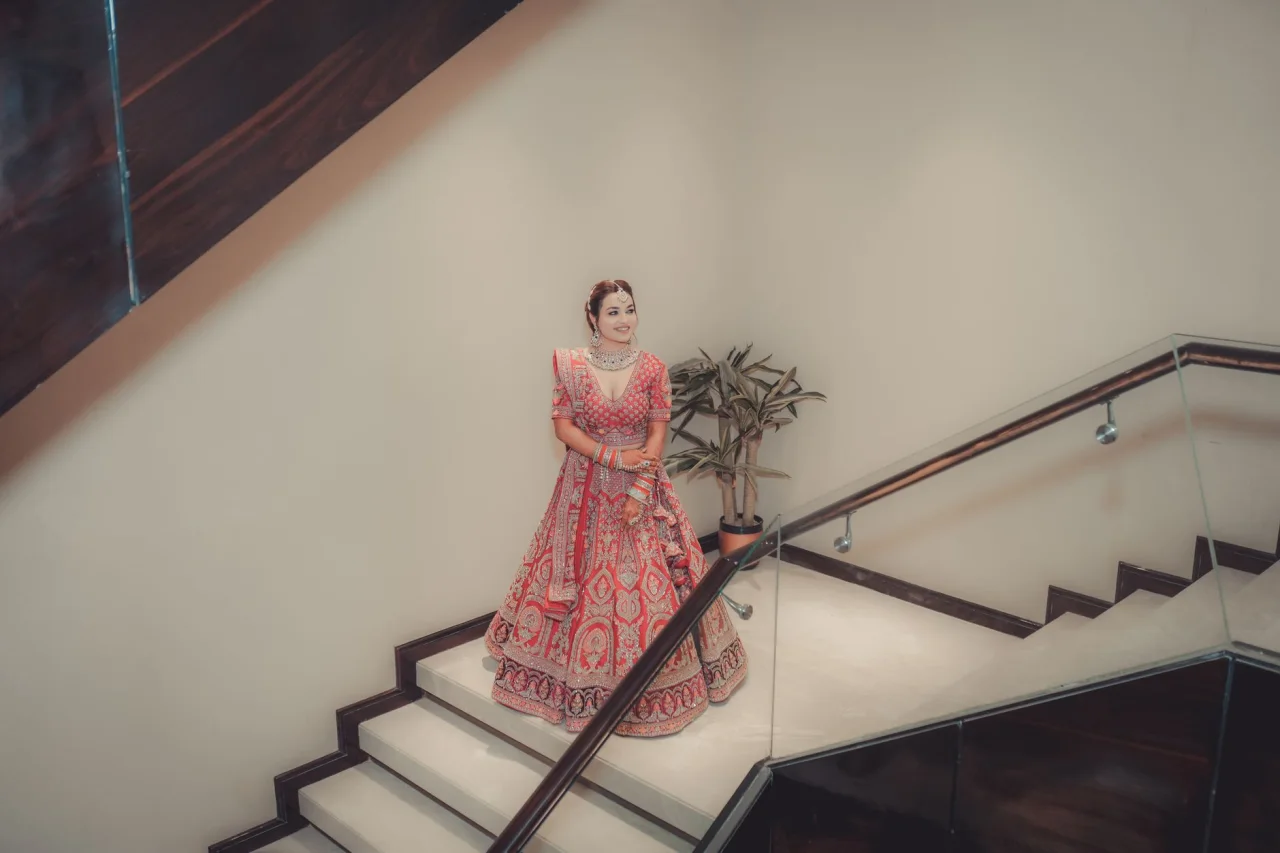
Gul Ahmed reaches most shoppers through its Ideas retail chain and its lawn, so its formal and wedding-season pieces belong to the high-street world, not the couture atelier. That reframes the value question. This guide explains what Gul Ahmed's dressier lines really offer, what pushes the price, and when a specialist bridal designer or a smarter alternative serves you better.
The short version
- Gul Ahmed is a textile mill trading since the early 1900s, founded by Haji Bashir Ali Mohammad, that moved into retail in 2003 with its Ideas by Gul Ahmed chain.
- Its formals are strongest for festive and wedding-guest wear, backed by the mill's fabric quality, rather than heavy bridal couture.
- For guest occasions where you want polish at high-street prices, they are genuinely worth it.
- For the bride's own lead outfit, a dedicated bridal designer usually justifies the higher spend on finish and fit.
Set expectations: mill first, couture never claimed
Gul Ahmed's identity is that of a manufacturer. Its Wikipedia profile records a company that has traded in textiles since the early 1900s, incorporated its mills in 1953, and expanded into retail in 2003 with Ideas by Gul Ahmed, offering apparel alongside home textiles and furnishings. That mix tells you where its formals sit: accessible, well-made occasion wear produced at retail scale, not made-to-order bridal couture.
Framed that way, the brand performs well. It leans on a real strength, fabric, and delivers festive and guest looks at prices a specialist atelier cannot match. Compare it to a couture house and you are comparing two different products with two different purposes.
The mill heritage also shapes what the formals are good at. Where a boutique designer sells vision and handwork, Gul Ahmed sells accessible, well-fabricated occasion wear you can buy off the rack across a wide store network and its Ideas retail chain. That breadth is a practical advantage: you can see and feel the cloth in person, compare pieces easily, and buy with the confidence that comes from a large, accountable retailer. What you trade away is the bespoke fit and the very heaviest hand embroidery, which are simply not what a scaled retail model is built to deliver.
The formal tiers you will actually find
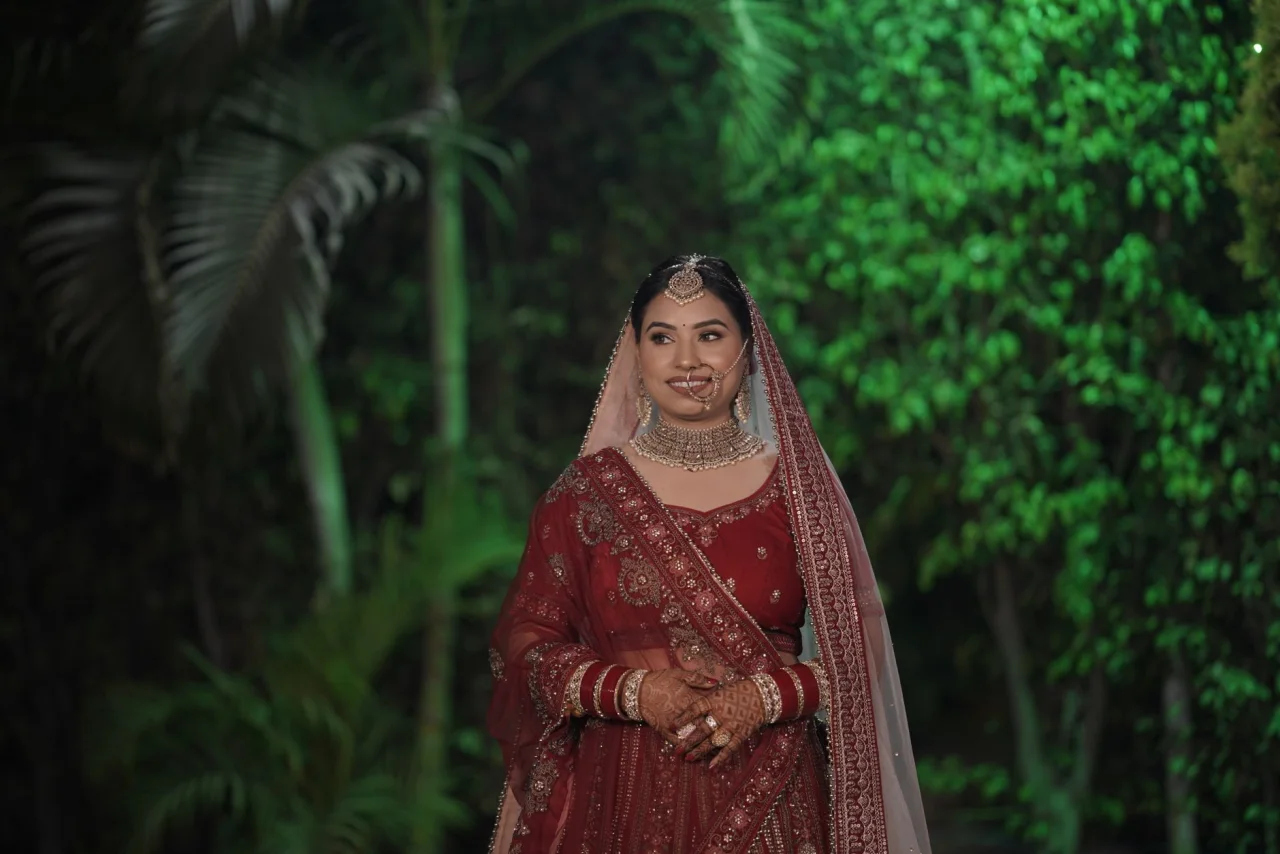
Across a wedding or festive season, Gul Ahmed's dressier offering usually breaks down like this:
- Embroidered lawn and light formals: the accessible entry into occasion dressing, good for Eid and daytime events.
- Luxury formals and festive edits: richer fabrics such as net, silk-family cloths, and chiffon with heavier embellishment for evening and wedding-guest wear.
- Seasonal wedding ranges: timed to the celebration calendar and aimed mainly at guests rather than the bride.
If the tier labels are fuzzy, our explainer on what pret wear really means and the luxury pret versus ready to wear breakdown will help you read them.
What drives the price
The three familiar levers set the cost: fabric, embellishment, and construction. Richer bases cost more than lawn, and embroidery is the big multiplier. Heavier occasion pieces sometimes carry metallic thread work in the zardozi family, a heavy metal embroidery that is slow to produce and lifts the price of any garment.
Where Gul Ahmed has an edge is the fabric itself. As a mill, it can put good base cloth under a formal at a competitive price, so more of your money goes into cloth and finish and less into a pure brand premium. The embellishment is generally lighter and more machine-assisted than a couture piece, which is exactly why the price stays accessible.
Price ranges, with the honest caveat
Prices depend on fabric, the amount and type of embroidery, the number of pieces, and the retailer or region, and they change every season. Treat these as broad bands and confirm current pricing on the official channels before you buy.
- Embroidered lawn and light formals: upper-mid high-street range, set mostly by embroidery density.
- Luxury formals and festive edits: a clear step up, still below dedicated designer-couture pricing.
- Seasonal wedding ranges: vary widely by fabric and work, so read each description on its own terms.
Prices vary by fabric, work, and retailer, so confirm before you commit. To place Gul Ahmed against its closest rival and the premium names, read Khaadi versus Gul Ahmed and the luxury lawn brands comparison.
One practical advantage of a large retailer is that you can often try before you commit. Where the brand has physical stores, seeing the fabric drape and checking the embroidery finish in person removes much of the guesswork that trips up online formal buying. If you are shopping remotely, lean harder on the fabric and work description, ask about the exact piece count, and factor any shipping and alteration costs into your comparison, since those can quietly close the gap between a high-street formal and a pricier one.
Cost-per-wear tip
High-street formals win on cost per wear because they are affordable to begin with. A wedding-guest outfit you can rotate across several events over a season pays for itself quickly, which is where Gul Ahmed often beats a pricier one-time couture buy.
Are they worth it? The honest verdict
For most buyers, most of the time, yes, with one qualifier. Gul Ahmed formals are worth it when:
- You are a guest, not the bride, and want a polished look without couture prices.
- You will re-wear the piece across a busy festive or wedding season, spreading the modest cost.
- You value dependable fabric, which the mill delivers reliably even when a print or design is not to your taste.
They are less compelling for the bride herself. The wedding lead outfit is the one purchase where made-to-order fit and the heaviest handwork genuinely matter, and that is where a specialist bridal designer earns the premium. Our guide to choosing the perfect bridal lehenga covers what to prioritise for the lead look.
A sensible test before you buy any formal is to ask what job the outfit has to do. If it must simply make you look pulled-together and festive as one of many guests, a Gul Ahmed formal answers that at a fair price. If it has to be the single image the whole event revolves around, the answer changes, and stretching for a specialist becomes the rational move. Most people attend far more events as a guest than as the star, which is why a well-chosen high-street formal earns its place in almost every wedding wardrobe, even for those who splurge on the headline look.
Smart alternatives, up and down the ladder
Two moves make sense depending on budget and occasion:
- Trade up for the bride: if it is your own wedding, direct the budget to a dedicated bridal label where finish and fit justify the spend, and use Gul Ahmed for your other event looks.
- Trade sideways for value: for guest wear, compare Gul Ahmed's formals with other high-street labels, or buy unstitched and tailor a clean silhouette. Our roundup of affordable Pakistani dresses lists more options, and shopping online without regrets keeps the process safe.
Stitched versus unstitched is part of this call. Our guide to ready to wear versus unstitched helps you choose on fit and value.
How to buy smart
A few habits protect your budget and the occasion:
- Shop festive and wedding edits early, since the best occasion pieces sell out before the season peaks.
- Read the fabric and embroidery description closely, because two similar-looking suits can differ a lot in price and finish.
- Budget for alterations on ready-to-wear, or buy unstitched if fit is a priority.
- Buy from official or authorised sellers to avoid counterfeits, and confirm the current price rather than trusting old listings.
- Store heavier pieces carefully after the event, following our note on storing occasion wear.
Frequently asked questions
Are Gul Ahmed bridals and formals worth the price?
For festive and wedding-guest dressing, yes: they offer a polished look at high-street prices, backed by the mill's fabric quality, with strong cost per wear when re-worn across a season. For the bride's own lead outfit, a dedicated bridal designer usually justifies the higher spend on finish and made-to-order fit.
Does Gul Ahmed make bridal couture?
Gul Ahmed is a textile mill and high-street retailer whose dressier pieces sit in its luxury formals and seasonal festive edits, sold through the Ideas by Gul Ahmed chain. It is strongest for occasion and wedding-guest wear rather than the heavy, made-to-order bridal couture that specialist designer houses focus on.
How much do Gul Ahmed formals cost?
Prices vary by fabric, embellishment, piece count, and retailer, and change every season. Embroidered lawn and light formals sit in the upper-mid high-street range, while luxury formals step up, still below dedicated designer-couture pricing. Confirm current pricing on the official channels.
What is a good alternative for a bride?
If it is your own wedding, put the budget toward a specialist bridal designer where made-to-order fit and the heaviest handwork matter most, and use Gul Ahmed for your other event looks. Our guide to choosing the perfect bridal lehenga covers what to prioritise.
Should I buy Gul Ahmed formals stitched or unstitched?
Unstitched with a trusted tailor usually gives a better fit and often better value, since ready-to-wear formals use standard sizing and may need paid alterations. Choose ready-to-wear when the standard cut already suits you and you want convenience.
More on Designers & Brands
Have a question or a topic to suggest?
We read every message. Tell us what you would like to see next in the journal.
Get in touch