Khaadi vs Gul Ahmed
Handwoven texture or mill-backed print variety? How Khaadi and Gul Ahmed compare on design, fabric, price and sizing, with a clear verdict.
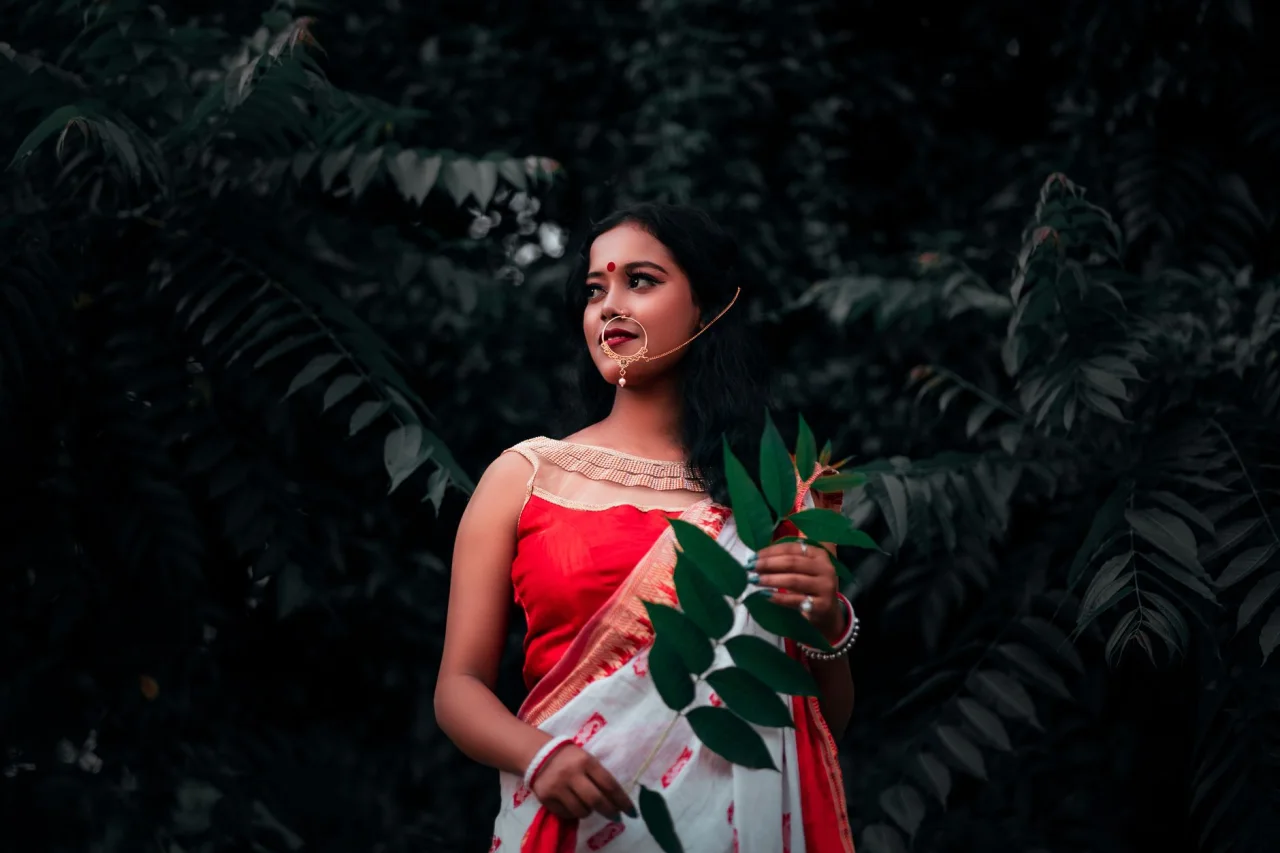
Khaadi and Gul Ahmed are two of the most familiar names on Pakistan's high street, and their stores are often a few doors apart in the same mall. Both sell lawn, pret and more at accessible-to-mid prices, but they come from very different roots and pull toward different strengths. Here is a clear-eyed comparison to help you decide which one fits your wardrobe and budget.
The short version
- Gul Ahmed grew from a textile mill: Gul Ahmed Textile Mills was incorporated in 1953, and the family had traded textiles since the early 1900s, so fabric and print heritage is its backbone.
- Khaadi was founded in 1998 by Shamoon Sultan and began as a handwoven clothing brand before expanding into ready-to-wear and lifestyle.
- Both are broad high-street brands, so let design language, print range and specific pieces decide, not brand prestige.
- Prices sit in the accessible to mid range and move with fabric and embroidery, so confirm current pricing before buying.
Two very different origins
The brands' histories shape what they are best at today. According to Wikipedia, Gul Ahmed Textile Mills Limited was incorporated on 1 April 1953, and the business had been trading in textiles since the early 1900s. It is a full textile manufacturer making fabrics, bedding, yarn, apparel and accessories, and it launched its retail chain, Ideas by Gul Ahmed, in 2003. That mill heritage is why Gul Ahmed is so strong on fabric variety and printed lawn.
Khaadi came from the opposite direction. Per Wikipedia, it was founded in 1998 by Shamoon Sultan, opening its first store in Zamzama, Karachi in 1999, and it began as a handwoven clothing brand. It later added women's ready-to-wear in 2002, a luxury line called Khaadi Khaas in 2008, and kids' and home lines, transitioning to a fast-fashion retail model in 2015. Its name itself points to that handwoven, textural origin.
Design language
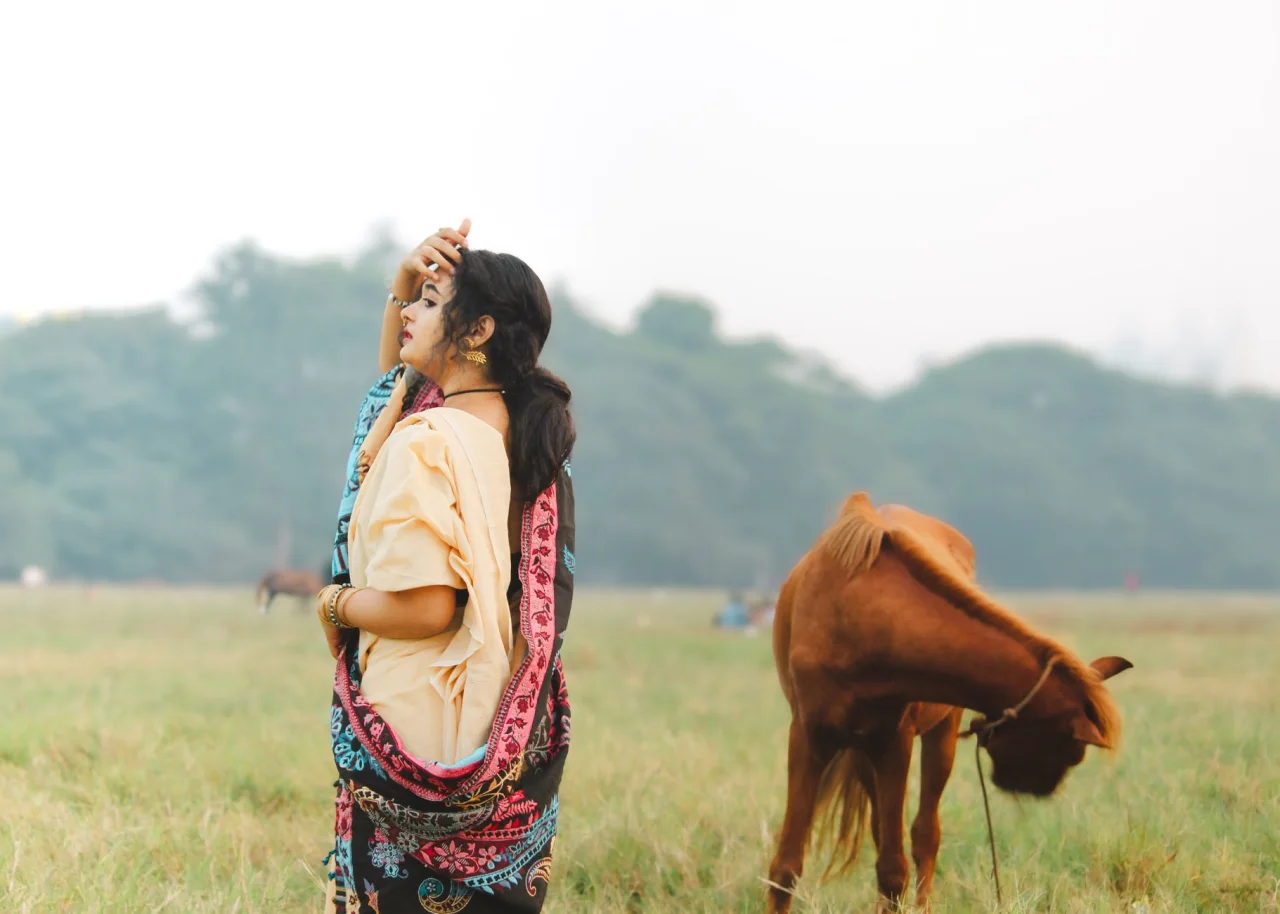
Gul Ahmed's identity is built on prints and fabric. Its vast lawn and unstitched ranges, backed by in-house manufacturing, mean an enormous spread of designs each season, from classic florals to contemporary geometrics. If you love choice and print-led dressing, this is fertile ground.
Khaadi's signature grew from handwoven texture and a more artisanal, contemporary feel, with a fondness for weave, colour and a slightly boho, urban sensibility. Even as it moved into fast fashion, that textural, design-forward instinct remains part of its appeal. For a wider view of where both sit this year, see our note on Pakistani fashion trends in 2026.
Fabric and quality
Gul Ahmed's mill roots give it a natural edge in fabric breadth: it produces its own cloth, so its lawn, cottons and other weaves come in wide variety and generally dependable high-street quality. Khaadi, born from handwoven cloth, leans on texture and weave character, and its quality is likewise solid for the tier. As always at this level, expect reliable everyday quality rather than couture, and inspect the individual piece for print registration, fabric hand and finishing.
Lawn is the fairest head-to-head, since both sell it in volume. Our roundup of luxury lawn brands compared sets the wider context, while the Gul Ahmed lawn review and Khaadi lawn review go deeper on prints.
Think about how you plan to use the fabric, too. Because Gul Ahmed produces such a wide spread of prints and weights, it is a natural first stop if you want unstitched cloth to take to your own tailor and cut to a specific shape. Khaadi's strength in texture and weave makes it rewarding when the fabric itself is the feature, where a slubby handwoven cotton or a distinctive weave carries the piece with minimal embellishment. Matching the brand to your intended use is often more useful than asking which is better in the abstract.
Buyer's tip
If print variety is what you want, Gul Ahmed's mill-backed range is hard to beat for sheer choice. If you want weave texture and a design-forward, artisanal feel, Khaadi is the more distinctive pick. Both reward inspecting the actual piece over trusting the lookbook.
Price: what to expect
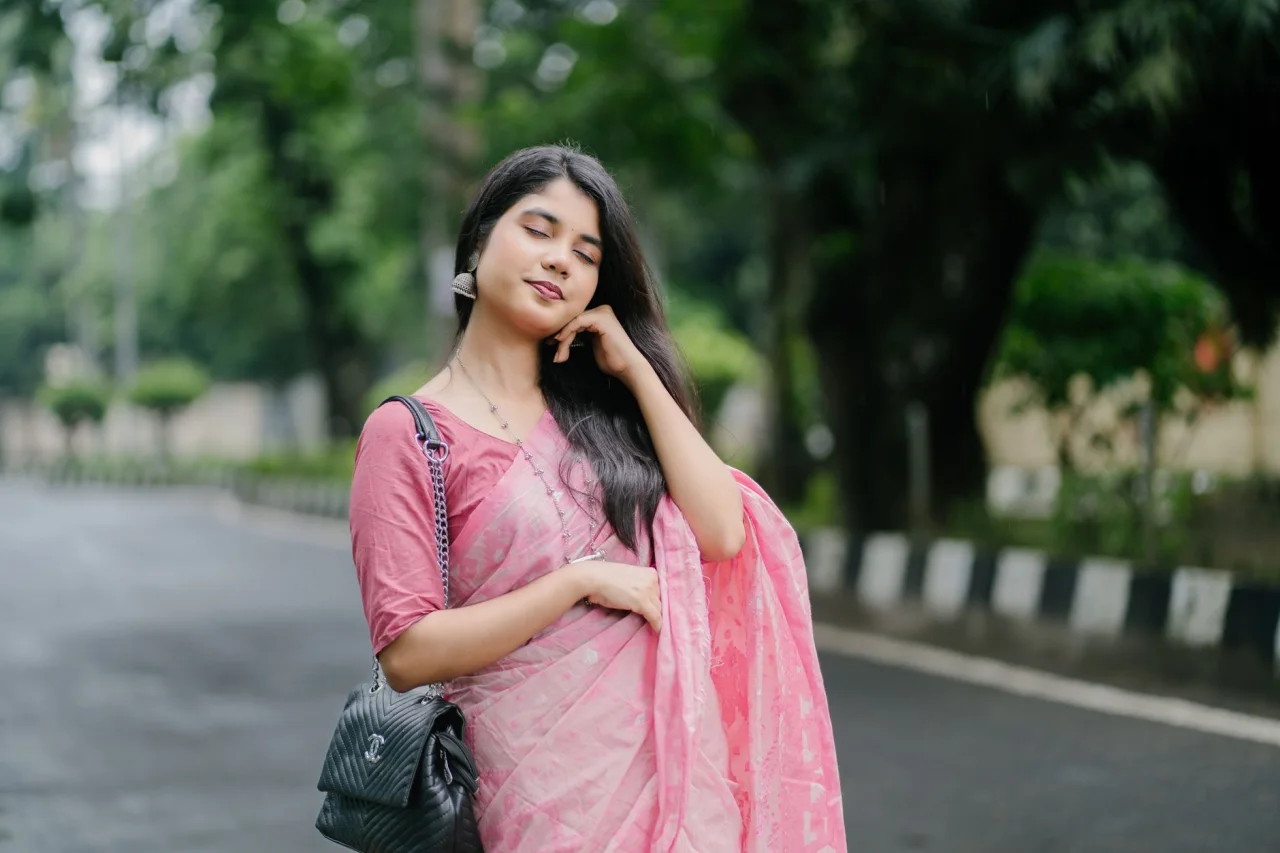
Both brands live in the accessible to mid range rather than the designer bracket. For each, simple unstitched or basic stitched pieces are the entry point, embroidered and festive stitched pieces cost more, and multi-piece festive sets sit at the top of their range. Between the two, price tracks fabric and embellishment more than the label, so compare like with like rather than assuming one is always cheaper.
Prices vary by fabric, work and retailer and change every season, so confirm current pricing on each brand's own channels before buying. If budget is your main filter, our guide to affordable Pakistani dresses helps you shop either brand smartly.
Both brands also run seasonal sales and end-of-line reductions, which is worth factoring in if you are not buying for a fixed date. A print that lingers past its launch window often drops in price without any loss of quality, so patient shoppers can do well on last season's designs. The trade-off is size and colour availability, which thins out as a collection ages, so the calculation is always fresh choice at full price versus a narrower pick at a discount.
Range and availability
Both brands are widely available. Wikipedia notes Khaadi operated 60 stores across 30 Pakistani cities as of 2022 and expanded to the United States with a store at Tysons Corner Center in Virginia in 2024, alongside its international presence. Gul Ahmed's Ideas retail chain is likewise widespread, and its home-textiles and lifestyle range is broader thanks to the mill business. If you want clothing plus home textiles under one roof, Gul Ahmed's lifestyle spread is the wider net; if you want a focused fashion and lifestyle edit, Khaadi is tightly curated. For buying from abroad, our regional guides such as where to buy Pakistani dresses in the USA are worth a look.
Sizing and fit
Ready-to-wear sizing differs between the two and between collections, so never assume your size carries across. Check each brand's size chart against your measurements, and favour unstitched fabric when precise fit matters, since a tailor can build to you exactly. Confirm return and exchange terms before ordering stitched pret online. Our explainer on ready to wear versus unstitched lays out the trade-offs.
The verdict: who should buy which
Both are excellent high-street choices, so the right answer depends on what you value:
| If you want | Choose |
|---|---|
| The widest print and fabric choice | Gul Ahmed |
| Handwoven texture and artisanal feel | Khaadi |
| Clothing plus home textiles together | Gul Ahmed |
| A design-forward, urban edit | Khaadi |
| Classic and contemporary prints in volume | Gul Ahmed |
| Distinctive weave and colour character | Khaadi |
Put simply, choose Gul Ahmed for fabric heritage and print variety, and Khaadi for texture and a design-led feel. To go deeper on each, read our Gul Ahmed brand guide and Khaadi brand guide.
Many shoppers, of course, end up owning both, and that is a perfectly sensible outcome. The two brands cover different needs rather than the same need at different prices, so a wardrobe that draws printed unstitched lawn from Gul Ahmed and a textural statement piece or two from Khaadi gets the best of each. Treat the comparison less as a contest to crown a single winner and more as a map of where each brand does its best work.
Frequently asked questions
Is Khaadi or Gul Ahmed better?
Neither is universally better; they suit different priorities. Gul Ahmed, with its textile-mill heritage, offers the widest print and fabric choice, while Khaadi, born from handwoven cloth, offers more weave texture and a design-forward feel. Compare specific pieces and let your taste decide.
When were Khaadi and Gul Ahmed founded?
Khaadi was founded in 1998 by Shamoon Sultan, with its first store opening in Karachi in 1999. Gul Ahmed Textile Mills Limited was incorporated in 1953, and the family had traded in textiles since the early 1900s.
Which brand has better lawn?
Both sell strong lawn. Gul Ahmed's mill background gives it exceptional print variety, while Khaadi brings a more textural, design-led sensibility. The better choice depends on whether you prioritise range or distinctive character, so compare each season's prints directly.
Which is more expensive?
Both sit in the accessible to mid range, and price tracks fabric and embellishment more than the label. Simple pieces are the entry point for each, while embroidered festive sets cost more. Prices vary by fabric, work and retailer and change every season, so confirm current pricing before buying.
Does Khaadi or Gul Ahmed sell home textiles?
Both offer lifestyle lines, but Gul Ahmed's home-textiles range is broader thanks to its textile-mill roots, covering bedding and furnishings alongside apparel. Khaadi also has home and lifestyle products within a more curated fashion-led edit.
Should I buy stitched or unstitched?
Buy unstitched when precise fit matters, since a tailor can build the piece to your measurements. Choose stitched pret for convenience, but check each brand's size chart against your measurements first, as sizing varies between brands and collections.
More on Designers & Brands
Have a question or a topic to suggest?
We read every message. Tell us what you would like to see next in the journal.
Get in touch