Zara Shahjahan Bridal: Worth It?
The soft, vintage bridal signature: craftsmanship, price and who it really suits.
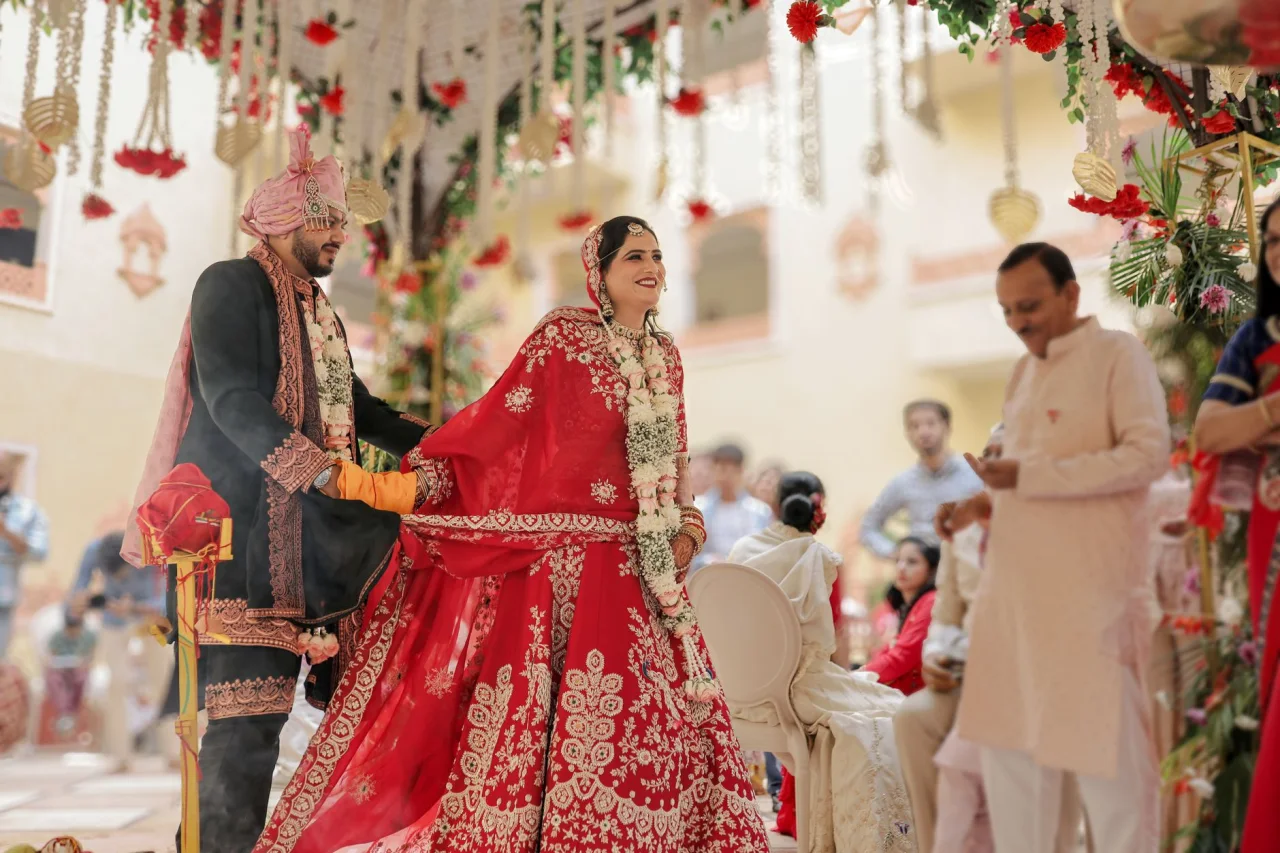
Zara Shahjahan bridals look nothing like the heavy, maximalist norm: they are softer, more vintage and more romantic, which is exactly why brides either love the label or wonder whether the price matches the understated look. This is an honest breakdown of what the bridal and formal segment offers, where the money goes, and who should look elsewhere.
The short version
- Zara Shahjahan is a Lahore-based label with a vintage, soft, feminine signature carried from lawn through to bridal.
- The bridal and formal segment sells romance and craftsmanship rather than sheer embellishment weight, so judge it on that.
- Expect designer-bridal pricing that varies widely by piece and customisation; always confirm current figures with the brand.
- If you want maximal, heavily worked bridals or a tight budget, a different house or skilled tailoring may serve you better.
The Zara Shahjahan bridal signature
The whole label runs on one idea, and the bridal line is its fullest expression. Trained in miniature painting at the National College of Arts, the designer builds collections around original, painterly motifs and a soft palette. On its official about page, the house describes itself as a celebration of vintage Pakistani fashion grounded in craftsmanship and quality of fabric, and in a Dawn interview the designer names Grace Kelly as a style reference and stresses a vintage, soft and feminine feel.
For a bride, that translates into a specific look: florals and delicate motif work, pastel and muted colourways alongside classic bridal tones, and an emphasis on elegance over sheer heaviness. If your vision of a bridal is romantic and refined rather than densely encrusted, this is the aesthetic. If you picture a maximal, glittering showpiece, it is worth knowing this before you fall for the fabric.
What the bridal and formal segment includes
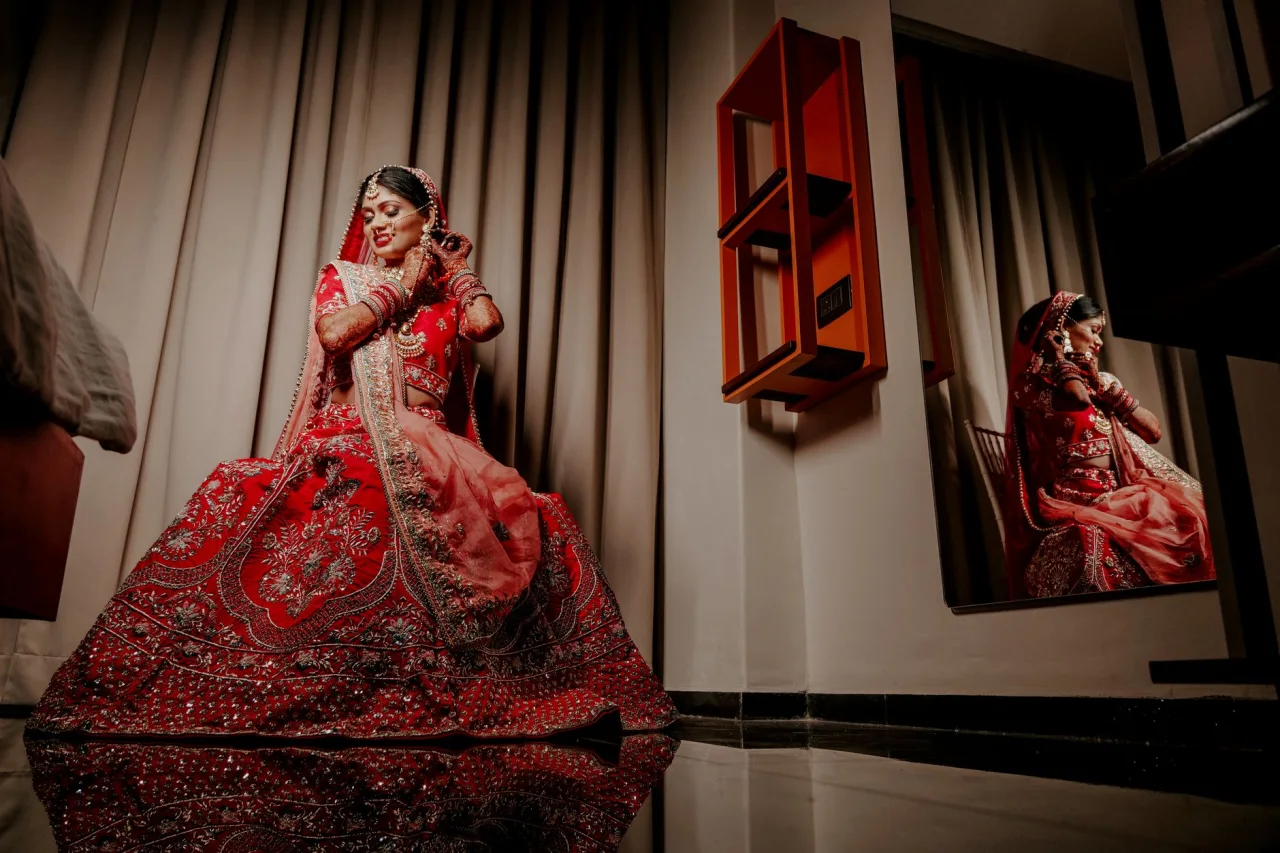
Beyond lawn, the label runs festive wear, formal pret and bridal, so the segment spans a wide range of occasions and price points. In practice you can expect:
- Formal and festive pret: ready or semi-formal outfits for events, engagements and family functions, at the more accessible end of the range.
- Bridal and couture: heavier lehengas, ghararas and formal ensembles built for the wedding itself, at the top of the range.
- Coordinated detailing: the label's signature print and embroidery work carried through dupattas, borders and blouses.
Understanding where each piece sits matters, because a formal pret outfit and a full bridal are very different commitments. If the vocabulary is new, our explainer on what luxury pret really means clears up the tiers.
Match the label to your event
- For a softer nikah or walima look, the vintage aesthetic shines and needs little extra.
- For a heavy, traditional mehndi or baraat, check the embellishment weight matches your expectations before committing.
- Always see the actual piece or a detailed video, since screens flatten how embroidery reads in person.
Craftsmanship: what you are paying for
At the bridal level the price reflects hand work and construction, not just fabric. Expect original motif development, embroidery worked over base fabrics, structured tailoring and the finishing you would want on a milestone outfit. The value case for this label rests less on covering every inch with stones and more on the quality and originality of the work that is there. That is a genuine strength if you appreciate craftsmanship, and a mismatch if you measure bridal value by embellishment density alone.
Whatever house you consider, inspect the work the same way. Check the reverse of embroidered panels for neat, secure stitching, confirm how much is hand versus machine, and feel the base fabric. Our guide to spotting quality zari work is a useful primer on judging metallic embroidery before you spend.
The price question, answered honestly
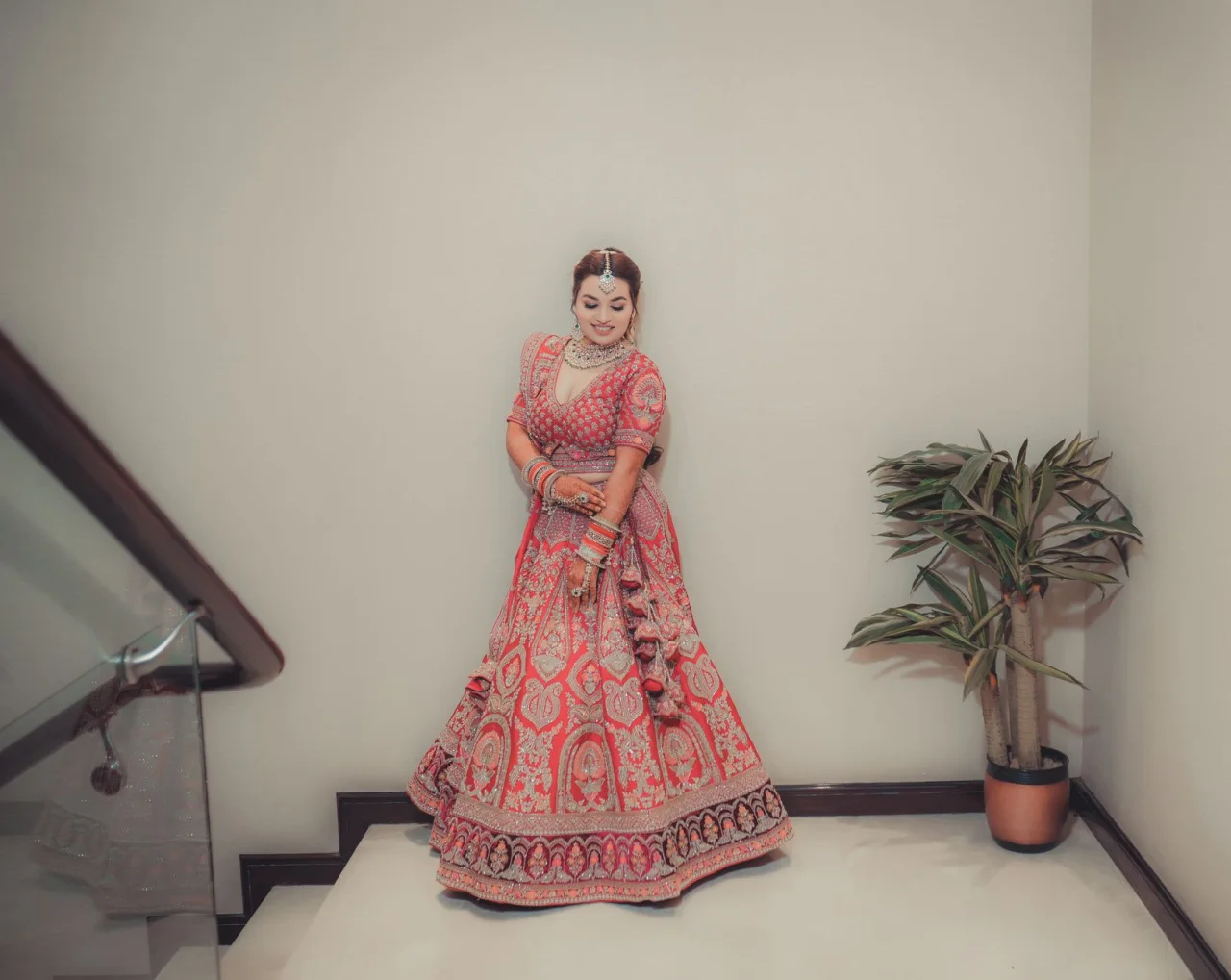
Zara Shahjahan bridal and formal pricing spans a broad range because the segment runs from formal pret up to full couture bridal. Formal and festive pieces are far more accessible than the bridals, and a heavily worked bridal ensemble sits at the premium designer level. Exact figures shift each season with fabric, the amount of hand work and any customisation, so treat any number as a guide only and confirm current pricing directly with the brand or an authorised stockist before you budget.
The honest way to think about worth is fit to purpose. For a bride who specifically wants this romantic, vintage look and values original design and craftsmanship, the premium buys something distinctive. For a bride chasing maximum sparkle per rupee, the same money spent on a heavier-work house or a skilled karigar commission will feel like better value. Neither answer is wrong; they are just different priorities.
How it compares, and who should look elsewhere
Comparing before a big purchase is always smart. Some Pakistani houses lean into heavy, dramatic bridals; Zara Shahjahan leans romantic and restrained. The right pick depends entirely on the look you want. To place the label among its peers, see the best Pakistani clothing brands overview and the direct Elan versus Zara Shahjahan comparison.
You should probably look elsewhere if you want an intensely embellished, maximal bridal, if your budget is tight enough that designer pricing is a stretch, or if you need a fully custom silhouette that a ready couture line will not accommodate. In those cases, a heavier-work label or a trusted master tailor and karigar will serve you better. Our guide to choosing the perfect bridal lehenga helps you define what you actually want first.
Lower-cost ways to get the look
If the vintage, floral aesthetic is the draw but couture is out of range, there are honest alternatives:
- Shop the formal pret, not the bridal: a festive or formal pret piece from the label carries the same signature at a lower price than full bridal.
- Commission the look: a skilled karigar can build a soft, floral, vintage-inspired outfit to your design for less, as long as you brief the palette and motifs clearly.
- Buy for the softer events: save the label for a nikah or walima where its restrained elegance is an advantage, rather than a heavy baraat.
- Consider pre-loved: designer bridals often resell in excellent condition for a fraction of retail.
To spread a wedding budget sensibly across events, our walima dress guide and bridal dresses guide help you decide where to spend and where to save.
So, are they worth the price?
Zara Shahjahan bridal and formals are worth it for the bride who genuinely wants a soft, vintage, craftsmanship-led look and values original design over sheer embellishment, and whose budget accommodates designer pricing comfortably. They are not the right call for a maximal bridal vision or a tight budget, and it is fairer to say so than to pretend the label suits everyone. Define your look first, inspect the work in person, confirm the real price, and the decision follows naturally. For the wider picture, read the Zara Shahjahan brand guide, the latest collection review, and, for summer, our Zara Shahjahan lawn review.
Frequently asked questions
What is Zara Shahjahan bridal known for?
It is known for a soft, vintage and romantic aesthetic built on original, painterly floral motifs and a refined palette, rather than heavy, maximal embellishment. The designer trained in miniature painting, so the motif work is a signature strength, and the label emphasises craftsmanship and quality of fabric.
How much do Zara Shahjahan bridal and formal outfits cost?
Pricing spans a wide range: formal and festive pret is far more accessible, while full bridal ensembles sit at the premium designer level. Exact figures change each season with fabric, hand work and customisation, so confirm current pricing directly with the brand or an authorised stockist rather than relying on a fixed number.
Is Zara Shahjahan worth it for a bridal outfit?
It is worth it for a bride who specifically wants a romantic, vintage look with original design and craftsmanship, and whose budget suits designer pricing. If you want a maximal, heavily encrusted bridal or you are on a tight budget, a heavier-work house or a skilled karigar commission will likely give you better value.
Who should choose a different brand?
Anyone wanting an intensely embellished, dramatic bridal, anyone for whom designer pricing is a real stretch, or anyone needing a fully custom silhouette a ready couture line will not accommodate. In those cases a heavier-work label or a trusted master tailor and karigar is a better fit than this soft, vintage aesthetic.
How can I get the Zara Shahjahan look for less?
Shop the formal or festive pret rather than the bridal line, commission a soft floral vintage-inspired outfit from a skilled karigar with a clear brief, save the label for softer events like a nikah or walima, or buy pre-loved. Each route keeps the aesthetic while lowering the cost.
More on Designers & Brands
Have a question or a topic to suggest?
We read every message. Tell us what you would like to see next in the journal.
Get in touch