Buy Pakistani Dresses in Canada
Desi shopping districts, boutiques, brand sites, and how customs and GST or HST apply.
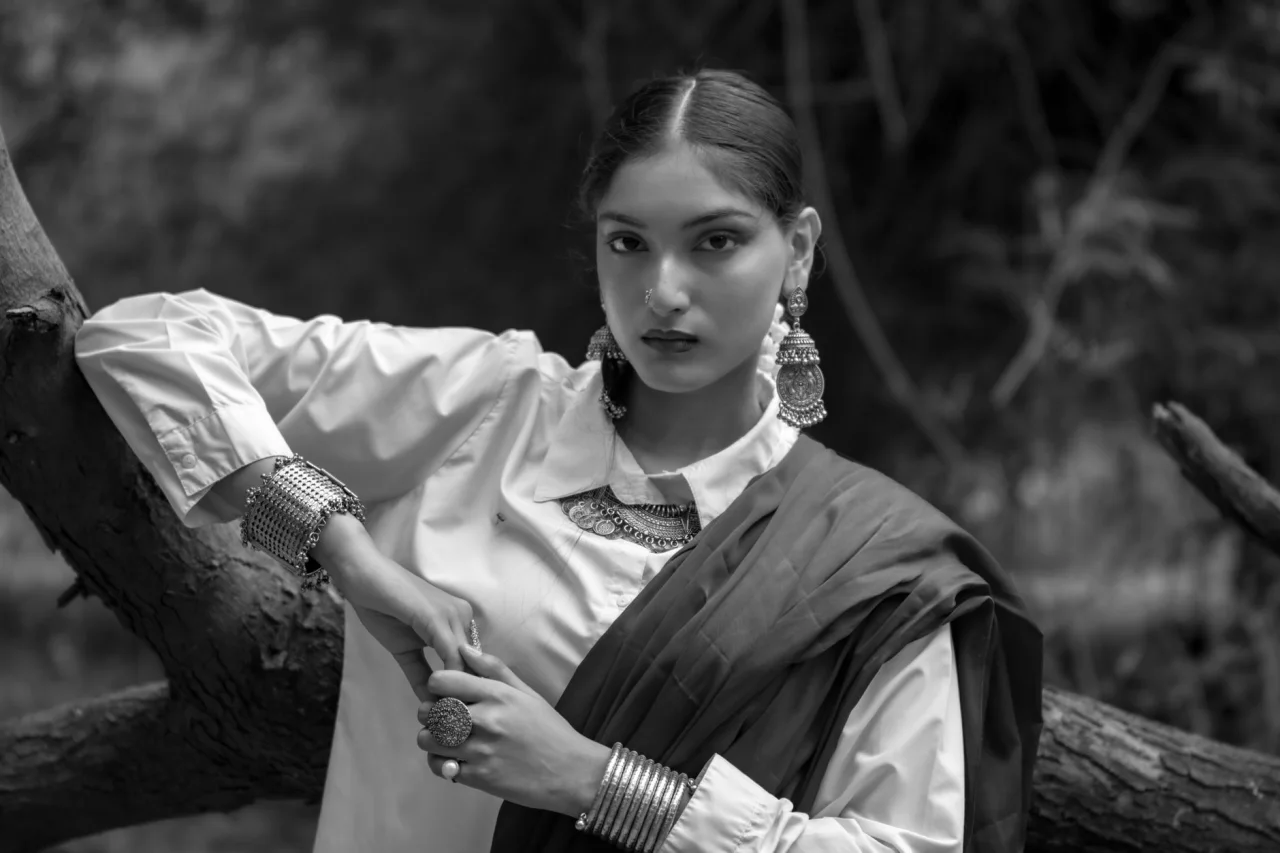
Canada's large and growing South Asian community means Pakistani clothes are easier to find than many newcomers expect: desi shopping districts in the big metros, boutiques that import current collections, brand websites that ship north, and tailors who understand exactly how a kameez should sit. This 2026 guide maps where to buy, how Canadian customs and taxes work on imports, and how to nail the fit from a distance.
The short version
- Established South Asian districts in Toronto, Vancouver-area Surrey and other metros sell suits, fabric and tailoring together.
- Canadian boutiques import Pakistani brands, giving you domestic delivery and easy returns without customs friction.
- Goods mailed from Pakistan can attract duty and GST or HST above a low value threshold, so budget for it.
- Buy from official stores or trusted boutiques, check size charts, and keep a good tailor for the fit.
South Asian shopping districts to visit in person
Canada's metros have well-established desi shopping areas where clothing stores, fabric shops and tailors cluster together. The Gerrard India Bazaar on Gerrard Street East in Toronto is one of the best known, and the Greater Toronto Area more broadly, along with Surrey in the Vancouver region, has a dense network of South Asian boutiques. These districts are ideal when you want to feel fabric, compare embroidery and arrange stitching in one trip.
Shopping in person lets you judge fabric weight, drape and print quality directly, the checks covered in our guide to choosing the perfect Pakistani dress. If you find an unstitched print you love, a local desi tailor can stitch it to your measurements or copy the fit of a suit you already own.
Canadian boutiques and online resellers
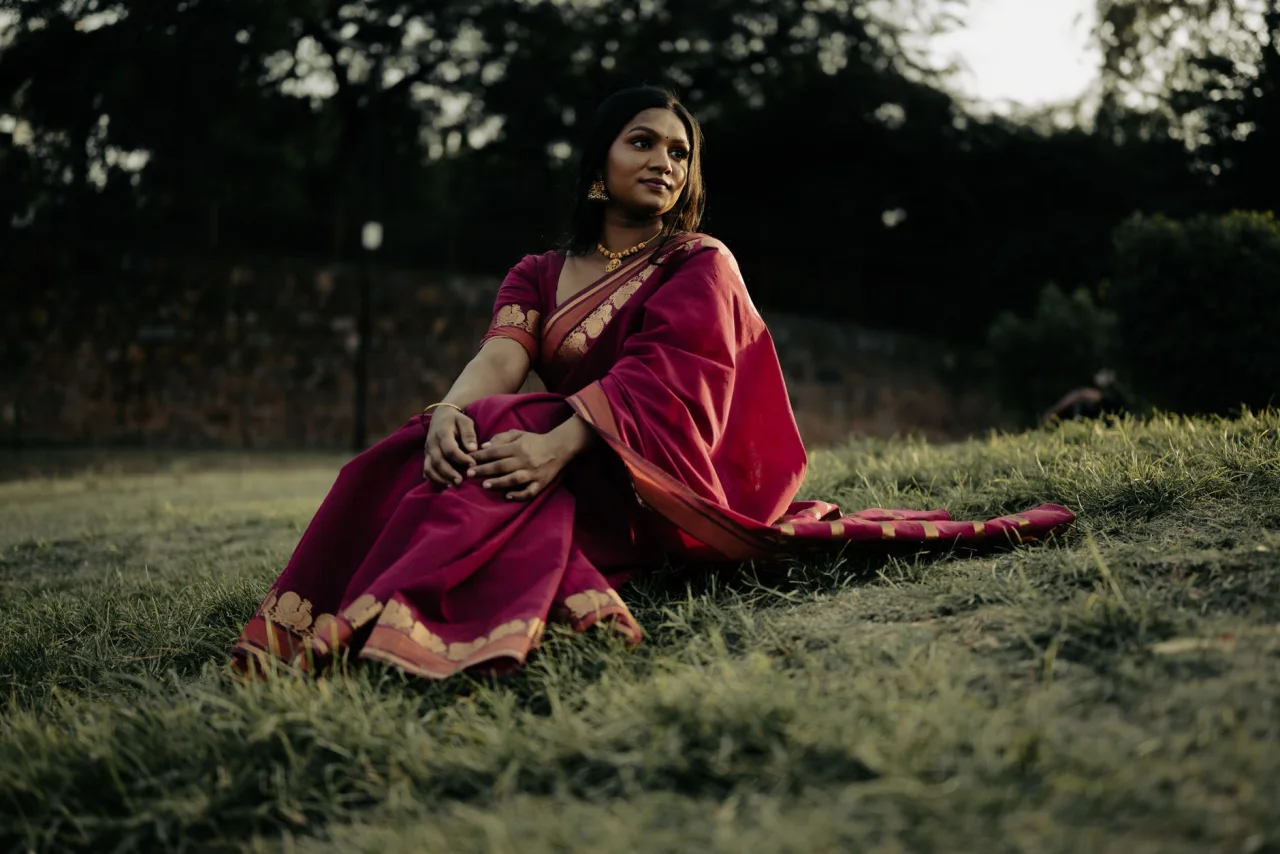
Many Canadian retailers import Pakistani brands and sell them domestically, either in store or through their own websites. The advantage is Canadian shipping, easier returns and no international customs step, since the goods are already in the country. The trade-off is a markup over Pakistan prices and a narrower selection than a brand's full range. When using a reseller, check reviews, confirm the stock is genuine rather than counterfeit, and read the return terms first.
To decide which labels to look for, our ranked guide to Pakistani clothing brands and the individual Khaadi and Sana Safinaz brand guides explain what each is known for. Prices vary by fabric, work and retailer, so confirm current pricing.
Local tip
Winters are long in much of Canada, so build in warmer fabrics and layering pieces. A silk or jacquard kameez, a shawl-weight dupatta, or a suit with more body wears better in cold months than a sheer summer lawn, which is best saved for indoor events.
Buying direct from Pakistani brand websites
Most major Pakistani brands ship to Canada through their international stores. Sana Safinaz, founded in 1989 in Karachi by Sana Hashwani and Safinaz Muneer, and Sapphire, which runs a global online store, both serve international customers, and Gul Ahmed reaches buyers worldwide. Ordering direct gives you the widest selection and genuine stock, but you then account for shipping and Canadian import charges. Our guide to shopping Pakistani dresses online without regrets covers sizing, fabric checks and returns.
How Canadian customs and taxes work
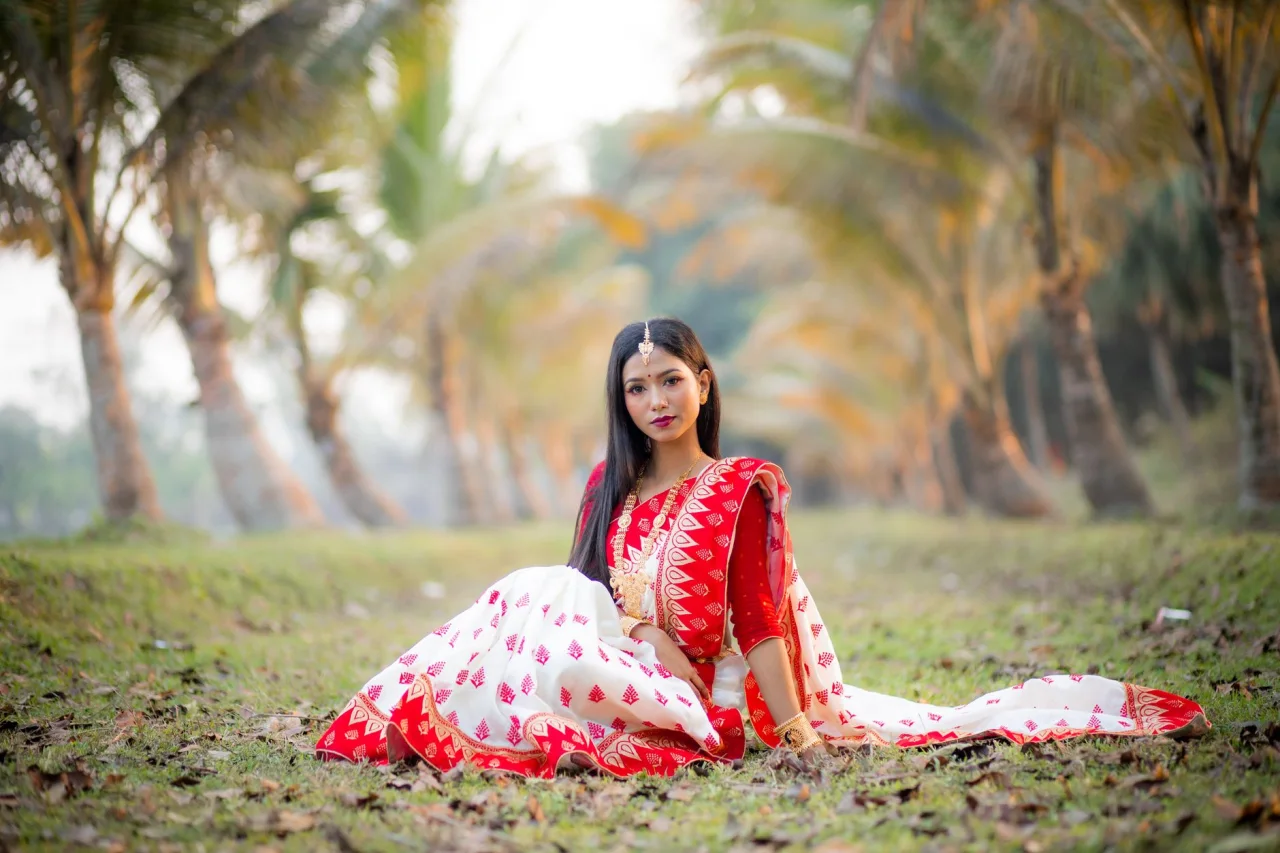
When you import clothing into Canada, duty and tax can apply. According to the Canada Border Services Agency guidance on paying duty and taxes on goods imported by mail, items may be subject to GST and, depending on the product and country of origin, customs duty. Very low-value items and small gifts fall under modest exemption thresholds, but most orders of clothing from Pakistan sit above them, so expect GST or HST and possibly duty. Participating provinces collect HST instead of GST, and some also apply provincial sales tax.
The carrier usually collects these charges before delivery, sometimes with a handling fee. Because shipping from Pakistan does not benefit from the preferential thresholds that apply to goods from the US or Mexico, treat a Pakistani website's price as a starting figure and budget for shipping, duty and tax on top. Buying from a Canadian boutique that has already imported the stock avoids this step entirely.
Getting the size and fit right
Sizing is the most common reason online orders disappoint. Pakistani ready-to-wear brands use their own charts, so measure yourself and compare rather than assuming your usual Canadian size. Check the garment length and chest measurement for ready-to-wear, and remember that unstitched fabric needs a tailor. A good desi tailor can also alter ready-made pieces, adjust a trouser or restyle a neckline. The same fit principles apply everywhere, as our companion guides for the USA and UK explain.
Working out the true landed cost
The real cost of an outfit is the garment price plus shipping, any duty and GST or HST, and stitching or alterations. A Canadian boutique piece may cost more upfront but arrive ready and free of customs friction, while a cheaper Pakistan order can climb once shipping and tax are added. For strategies that keep costs down wherever you buy, see our guide to affordable Pakistani dresses.
Frequently asked questions
Where can I buy Pakistani dresses in person in Canada?
Established South Asian shopping districts are your best bet. The Gerrard India Bazaar on Gerrard Street East in Toronto is well known, and the wider Greater Toronto Area, along with Surrey in the Vancouver region, has many desi boutiques. These areas cluster ready-made suits, unstitched fabric and tailoring together, so you can see fabric in person and get a proper fit.
Do I pay customs duty and tax on Pakistani clothes shipped to Canada?
Usually, yes, above a low value threshold. The Canada Border Services Agency notes that mailed goods may be subject to GST and, depending on the product and origin, customs duty. Most clothing orders from Pakistan sit above the small exemption thresholds, so expect GST or HST and possibly duty, often collected by the carrier before delivery with a handling fee.
Is it cheaper to buy from a Canadian boutique or import from Pakistan?
It depends on the total landed cost. A Canadian boutique that has already imported the stock avoids the customs step and offers easier returns, though at a markup. Importing direct from Pakistan can show a lower sticker price but adds shipping, duty and tax. Compare the full total, including any tailoring, before deciding.
What should I wear for Canadian winters?
Choose warmer, weightier fabrics and layer. A silk or jacquard kameez, a heavier shawl-style dupatta, or a suit with more body handles the cold better than a sheer summer lawn, which is best kept for indoor events. Adding a coat or wrap over an outfit keeps you comfortable between venues.
How do I get the right size ordering from Pakistan?
Measure yourself and compare against the brand's own size chart rather than assuming your usual Canadian size, and check the garment length and chest measurement for ready-to-wear. Unstitched fabric needs a tailor to fit it to your measurements. Reading reviews for notes on whether a brand runs small or large also helps avoid surprises.
More on Buying Guides
Have a question or a topic to suggest?
We read every message. Tell us what you would like to see next in the journal.
Get in touch