Sana Safinaz Bridal & Formals
Craftsmanship, price tiers, and honest alternatives for the label's dressiest lines.
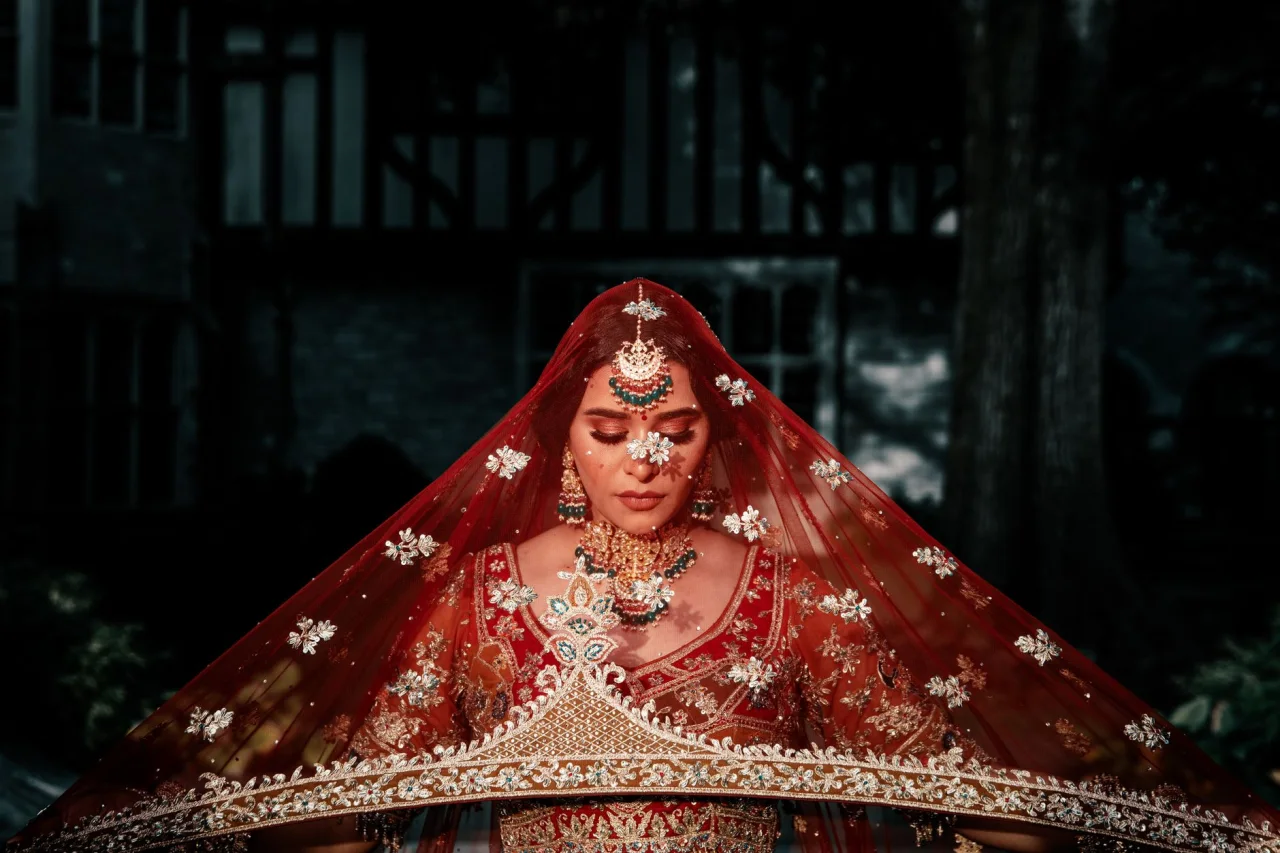
Sana Safinaz is best known today for its seasonal lawn, but the label actually began with light evening wear and bridal couture, so its formal and wedding lines carry real pedigree. The harder question is whether the price tag matches what you get. This guide weighs the craftsmanship, the tiers, and the honest alternatives so you can decide with your eyes open.
The short version
- Sana Safinaz was founded in 1989 by Sana Hashwani and Safinaz Muneer in Karachi, and its earliest work was evening wear and bridal couture.
- Formals and bridal sit at the premium end, priced well above the brand's lawn, with heavier embroidery driving the biggest jumps.
- They are worth it for milestone occasions where finish and consistency matter and cost per wear stays sensible.
- For routine event dressing, mid-tier formals or lower-cost labels with a similar clean aesthetic often make more sense.
What you are actually paying for
At the formal and bridal end, the price reflects three things: fabric, embellishment, and construction. Sana Safinaz formals lean on richer bases than lawn, often silk-family cloths and net, layered with embroidery that can run from light thread accents to dense metallic work. The heaviest bridal pieces use techniques in the zardozi family, a heavy metal embroidery on silk, satin, or velvet that is slow to produce and pushes cost up sharply.
The founders trained inside the textile industry before launching, spending three years each at Alkaram and Lakhany Mills, which you can verify on the brand's Wikipedia profile. That production background shows up as consistent fabric and finish across seasons, and consistency is a large part of what a premium formal price buys you. You are paying for a piece that photographs well, sits cleanly on the body, and does not look thrown together up close.
It also helps to understand where the hours go. A densely embroidered formal or bridal panel can represent days of hand and frame work, and that labour is the least compressible cost in the whole garment. Machine embroidery can imitate the look at a distance, but the depth, the slight irregularity, and the way light catches genuine metallic thread are what separate a couture-tier piece from a high-street copy up close. When you weigh the price, you are really weighing how much of that visible handwork the occasion actually calls for.
The formal and bridal tiers, decoded
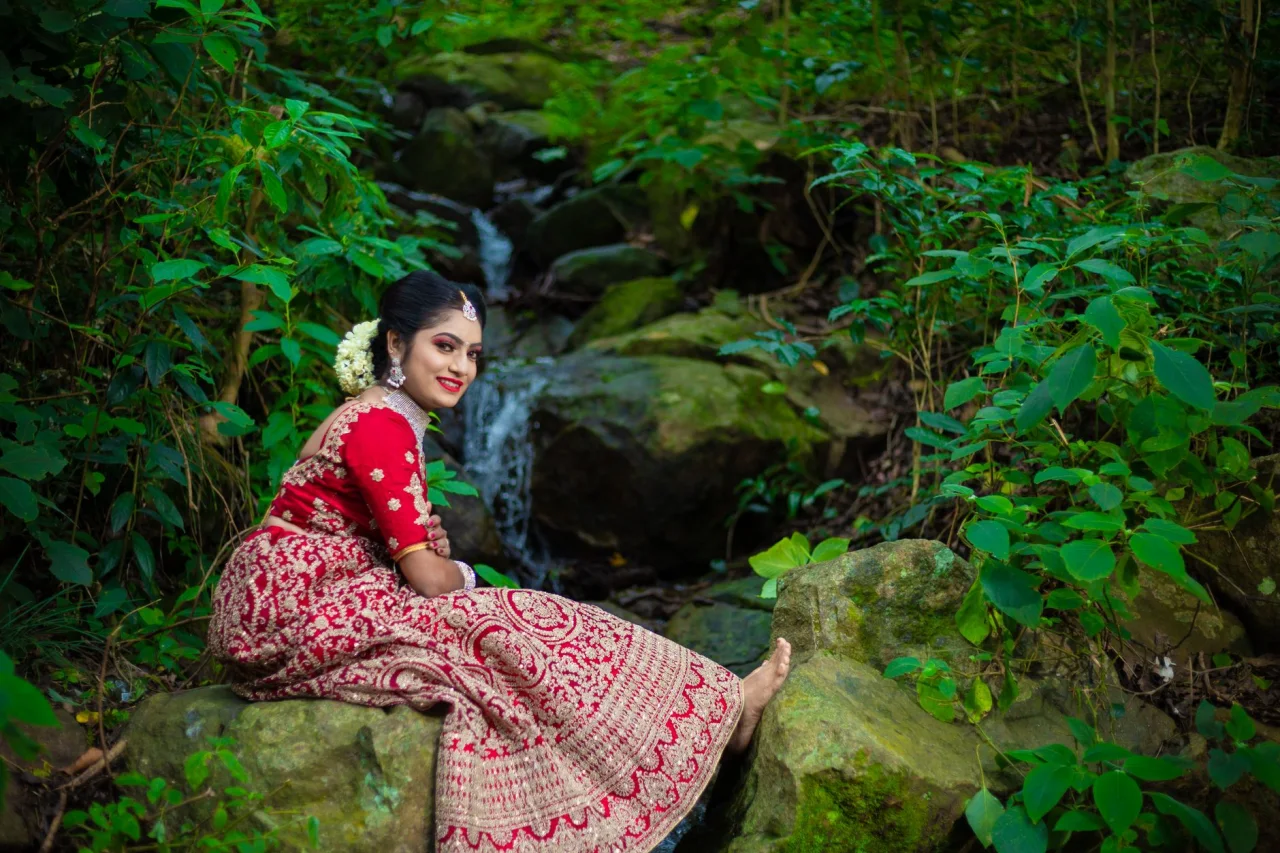
It helps to think of the segment as a ladder rather than a single price:
- Light formals: stitched or unstitched pieces with modest embroidery for dinners, Eid, and smaller events. The most accessible way into the label's dressier side.
- Heavy formals and party wear: denser embellishment and richer fabric for weddings you attend as a guest. A clear step up in price.
- Bridal couture: the top tier, with made-to-order construction and the heaviest handwork, reserved for the bride and closest family.
If those labels are fuzzy, our explainer on what pret wear really means and the difference between luxury pret and ready to wear will sharpen the vocabulary before you shop.
Price ranges, with the honest caveat
Prices depend on fabric, the amount and type of embroidery, the number of pieces, and the retailer or region, and they change every season. Treat the guidance below as broad bands, not a fixed rate card, and always confirm current pricing on the official channels.
- Light formals: mid to upper-mid range, driven mostly by embroidery density.
- Heavy formals and party wear: a meaningful step up, where fabric and handwork stack.
- Bridal couture: the premium tier, where made-to-order work and metallic embroidery reach the brand's highest prices.
Prices vary by fabric, work, and retailer, so confirm current pricing before you commit. To sense-check value against rivals in the same segment, our luxury lawn brands comparison and the best Pakistani clothing brands ranking put the big names side by side.
Cost-per-wear tip
Divide the price by the number of times you realistically expect to wear a piece. A bridal outfit worn once at a milestone can still be worth it if it is the moment. Several heavy formals you wear rarely usually are not. Match the tier to how often it will actually leave the wardrobe.
Are they worth it? Where the value is real
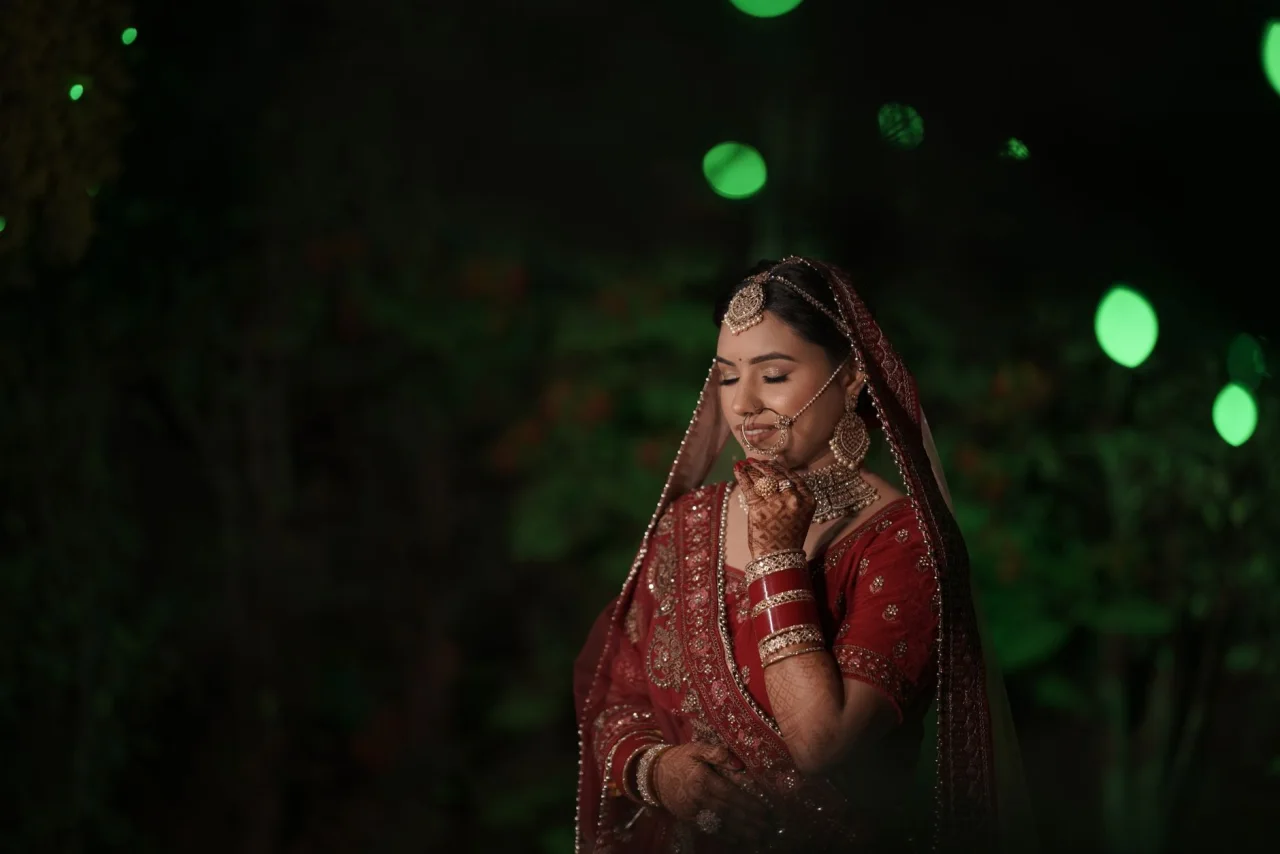
The honest answer is that it depends on the occasion. Sana Safinaz formals and bridals are worth the premium when:
- It is a milestone. Your own wedding events, or a close family wedding, justify the finish and the reassurance of a well-known house.
- You value consistency. The fabric and construction are dependable, which matters when you cannot inspect handwork in person.
- You will re-wear a formal. A versatile heavy formal you bring out for several events spreads the cost sensibly.
They are harder to justify for a one-off guest appearance you could dress for at a fraction of the price. In that case, the badge is doing more work than the garment.
There is one more angle worth naming: an established label holds its perceived value better than a fast-fashion piece, which matters if you ever plan to pass a bridal outfit down or preserve it as a keepsake. A well-made Sana Safinaz formal is likely to still read as special years later, whereas a trend-driven bargain often looks dated by the next season. That longevity does not turn every purchase into an investment, but it does tilt the calculation for pieces you genuinely intend to keep.
Where the value is thinner
Premium formals carry a brand premium, and you should be clear-eyed about it. A mid-tier embroidered suit from the same label, or a comparable piece from a more affordable brand with a similar clean aesthetic, can read almost as well in photos for far less money. If your budget is finite and the event is not yours, that trade is often the smarter one.
There is also the fit factor. Ready-to-wear formals are cut to standard sizing, so unless the piece happens to suit your frame, you may pay for alterations on top. Buying unstitched and using a trusted tailor can give a better fit and, frequently, better value, as our guide to ready to wear versus unstitched explains.
Lower-cost alternatives with a similar look
The Sana Safinaz aesthetic reads clean, contemporary, and restrained rather than heavily ornate, which is easier to approximate than a maximalist look. To get close for less:
- Shop the brand's own light-formal tier rather than jumping to party or bridal, and add your own dupatta styling for impact.
- Look at high-street formals from labels that share the minimal, well-finished sensibility, then confirm the fabric and work in the description before buying.
- Buy unstitched and tailor smartly, choosing a good base cloth and a clean silhouette over dense embroidery you will barely notice from across a room.
Our roundup on affordable Pakistani dresses and the guide to shopping online without regrets are good next stops for building a similar look on a tighter budget.
How to buy smart at the formal end
A few habits protect both your budget and the occasion:
- Order bridal and heavy formals well ahead, since made-to-order construction takes time and rushing invites mistakes.
- Read the fabric and embroidery description closely, because two similar-looking suits can differ a lot in price and construction.
- Budget for alterations on ready-to-wear, or buy unstitched if fit is a priority.
- Confirm the exact current price on the official channels rather than trusting old listings or resellers.
- Store heavy pieces carefully after the event so the investment survives, as our note on storing bridal pieces covers.
Frequently asked questions
Are Sana Safinaz bridals and formals worth the price?
For milestone occasions where finish, consistency, and the reassurance of an established house matter, yes, especially if the cost per wear stays sensible. For a one-off guest appearance, a mid-tier formal or a more affordable label with a similar clean look often makes more sense.
What makes the formal and bridal lines cost more than lawn?
Richer fabrics such as silk-family cloths and net, heavier embroidery including metallic zardozi-style work, and in the bridal tier made-to-order construction all add cost. Embroidery density is usually the single biggest driver of the price jump.
How much do Sana Safinaz formals cost?
Prices vary by fabric, embellishment, number of pieces, and retailer, and change every season. Light formals sit at the mid to upper-mid range, heavy formals step up further, and bridal couture is the premium tier. Always confirm current pricing on the official channels.
What are cheaper alternatives with a similar aesthetic?
Stay in the brand's own light-formal tier instead of party or bridal, look at high-street labels that share the clean, minimal sensibility, or buy unstitched and tailor a simple silhouette well. Our affordable Pakistani dresses guide lists more options.
Should I buy stitched or unstitched formals?
Unstitched with a trusted tailor usually gives a better fit and often better value, since ready-to-wear formals are cut to standard sizing and may need paid alterations. Choose ready-to-wear only when the standard cut already suits your frame and you want convenience.
More on Designers & Brands
Have a question or a topic to suggest?
We read every message. Tell us what you would like to see next in the journal.
Get in touch