How to Choose a Kaftan
Fit, fabric, stitched vs unstitched and honest price ranges for buying the right kaftan.
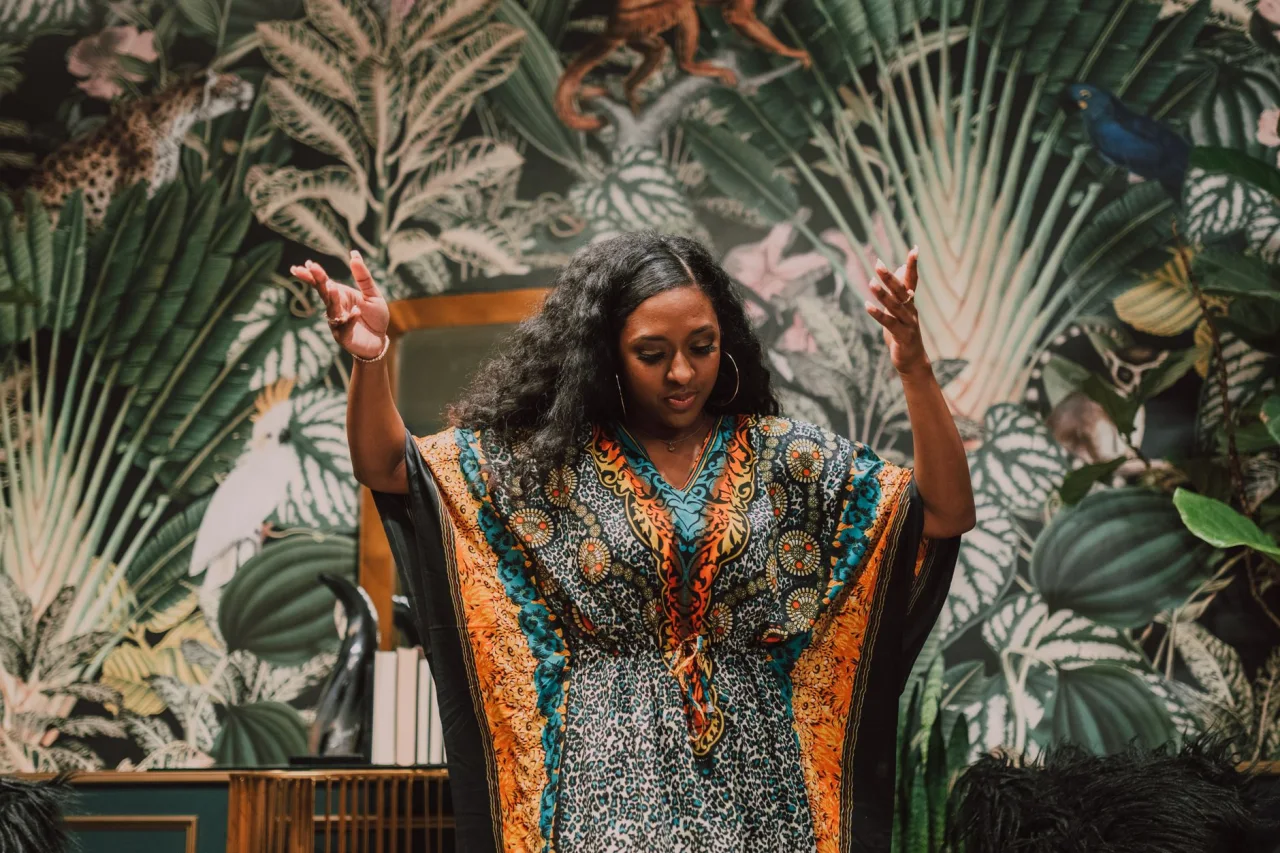
A kaftan looks deceptively simple to buy, one loose shape, how hard can it be, but the difference between a piece you reach for weekly and one that stays in the wardrobe comes down to fit, fabric and honest pricing. This buying guide walks through body-type fit, fabric by season, stitched versus unstitched, realistic price brackets and the red flags worth avoiding.
The short version
- Fit a kaftan at the shoulders and neckline first; the body is meant to drape, not cling.
- Match fabric to season: cotton, lawn and linen for heat, georgette and velvet for cooler, dressier settings.
- Stitched is convenient; unstitched lets you tailor length and fit but adds tailoring cost and time.
- Treat all prices as ranges that vary by fabric, work and retailer, and confirm current pricing before buying.
Get the fit right first
The kaftan is a drape-led garment that hangs from the shoulders, so unlike a fitted kurta or lehenga blouse, you are not chasing a nipped waist. This loose, robe-like cut is true to the garment's long history across West Asia and North Africa. What matters most is where the fabric meets your frame. If you are unsure what the garment even is, start with our complete kaftan guide.
- Shoulders and neckline. These are the only truly fitted points; a neckline that sits well is what makes a kaftan look intentional.
- Sleeve length. Kaftans range from cap sleeves to full flowing sleeves; choose based on coverage and occasion.
- Hem length. Floor-length reads festive; mid-calf and knee-length read casual or smart-casual.
- Armhole depth. A very deep armhole can gape; check it if you plan to wear the kaftan without an inner layer.
Fit by body type
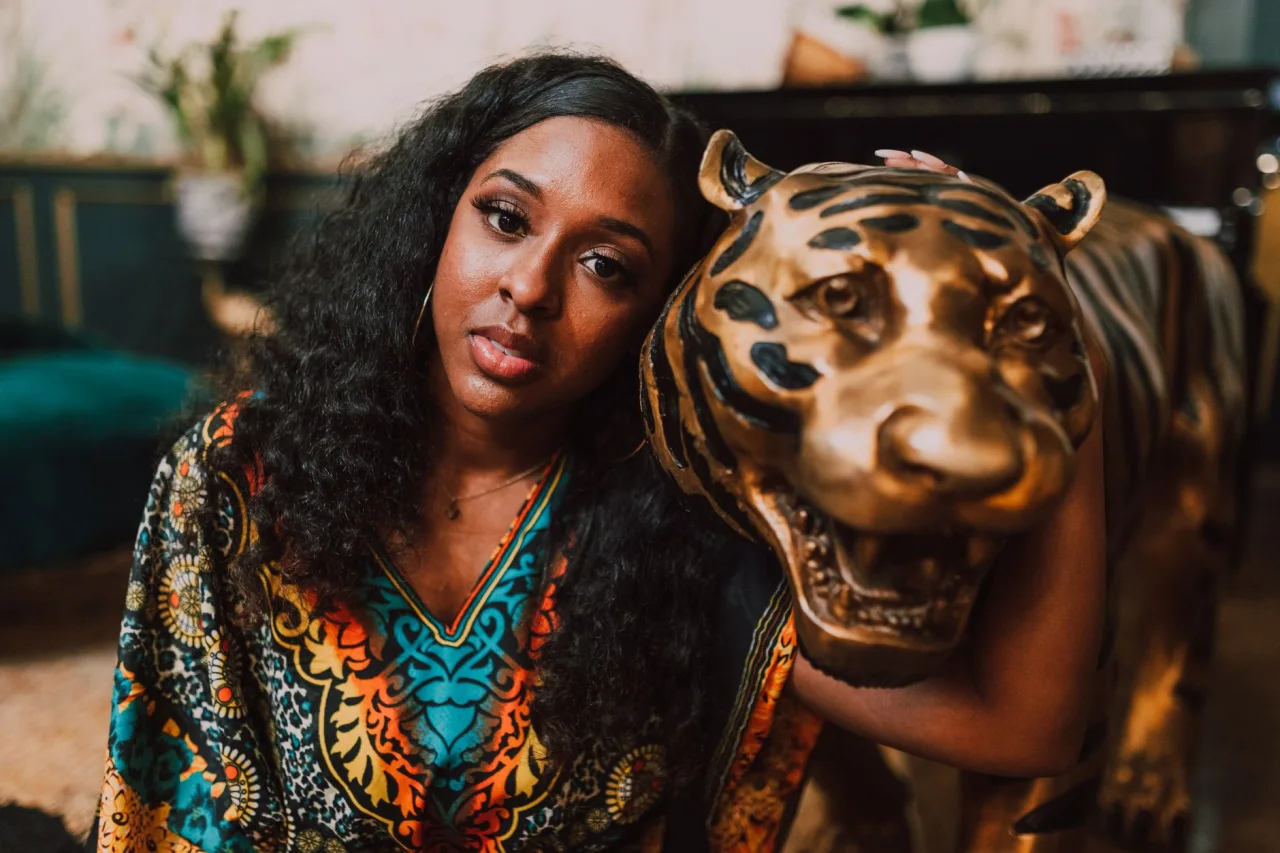
Because the kaftan skims rather than hugs, it flatters most shapes, but a few tweaks make it work harder for you.
- Petite frames. Choose a controlled length and smaller prints so the fabric does not overwhelm; a belt adds definition.
- Tall frames. Full floor-length kaftans and bolder prints carry beautifully.
- Curvier frames. Look for a defined shoulder and a fabric with some flow; a waist tie prevents the garment reading boxy.
- If you want shape. Any body type can add a belt at the natural waist to convert the drape into a defined silhouette.
Buying tip
If you like a defined waist, buy the kaftan slightly generous and belt it rather than sizing down. A tight kaftan loses the very drape that makes the garment comfortable and flattering.
Choosing fabric by season and occasion
Fabric is where a kaftan succeeds or fails. It sets the comfort, the drape and the formality all at once.
- Cotton and lawn. The most breathable choice for hot weather, easy to launder and ideal for everyday wear.
- Linen. Cool and textured with a relaxed, premium feel; it creases, which is part of its charm.
- Georgette and chiffon. Flowing and elegant for festive and evening kaftans; usually needs an inner slip.
- Organza. Crisp and sheer, good for a structured over-layer or cape-style kaftan.
- Velvet. Rich and warm for winter weddings and formal events.
For a deeper seasonal split, see our guides to the best fabrics for hot summers and the best fabrics for winter dresses.
Stitched versus unstitched
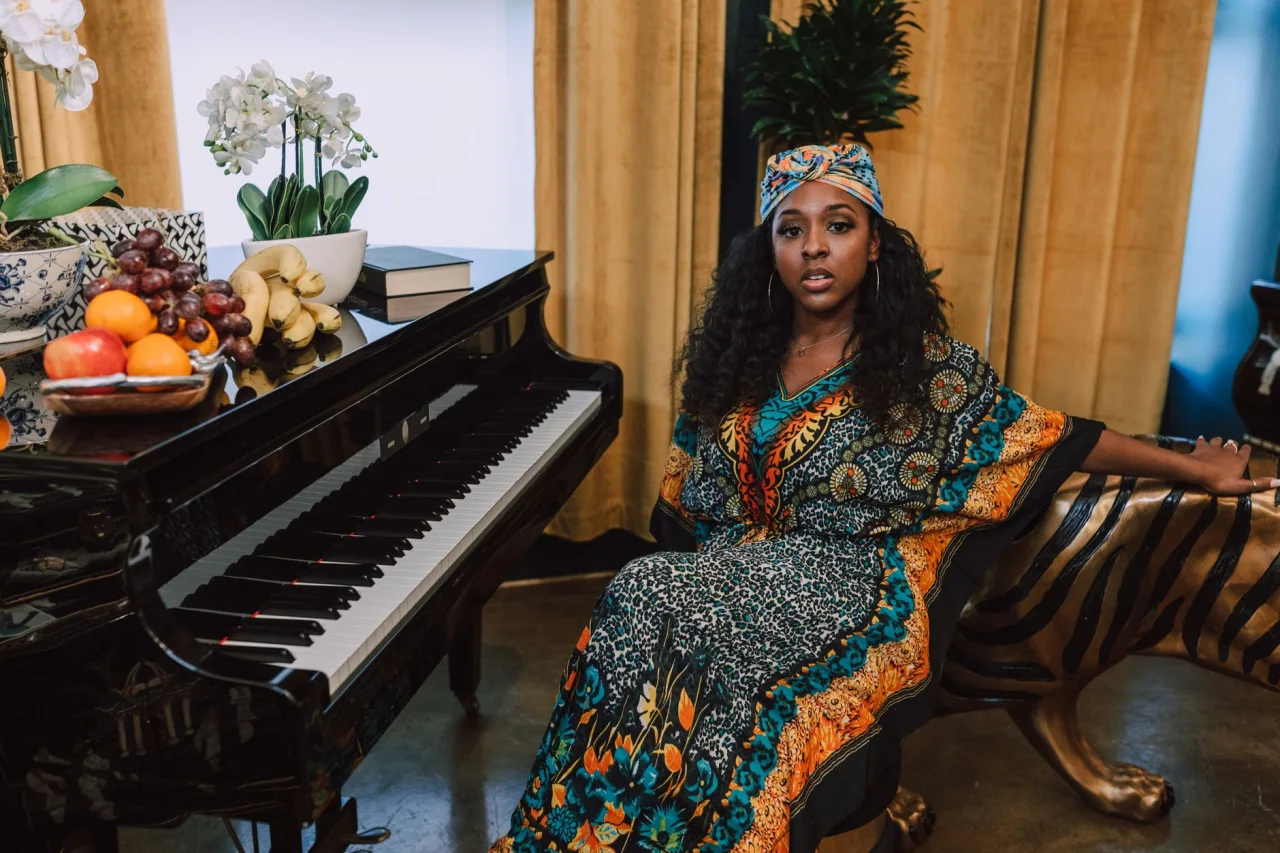
Desi retailers often sell kaftans both ready-to-wear and as unstitched fabric with a design. Each has trade-offs.
- Stitched (ready-to-wear). Convenient and immediate, but you are locked into the brand's fit and length.
- Unstitched. Lets you tailor the neckline, sleeve and hem to your body, and adjust the drape, but adds tailoring cost and turnaround time.
- When to pick unstitched. If you are between sizes, unusually tall or petite, or want a specific neckline, unstitched plus a good tailor wins.
- When to pick stitched. For standard sizing, quick occasions and simpler everyday styles.
Realistic price brackets
Kaftan prices swing widely because fabric and handwork vary so much. The figures below are broad brackets, not fixed prices, and always vary by fabric, work and retailer, so confirm current pricing before you commit.
- Budget. Printed cotton and lawn kaftans, ready-to-wear or unstitched, are the most affordable and the best value for everyday wear.
- Mid-range. Georgette, chiffon and lightly embellished festive kaftans cost more for the fabric and finish.
- Premium. Heavily embellished zari, sequin and velvet designer kaftans are the most expensive, driven by hours of handwork and fabric weight.
Because embellishment is the biggest cost driver, a plain premium fabric can cost less than a mid-fabric kaftan covered in handwork. Decide whether you are paying for the cloth or the craft.
Red flags to watch for
- Poorly finished necklines. The neckline is the one fitted point; loose threads or uneven cuts here signal weak construction.
- Embellishment that sheds. Sequins and stones that lift or fall on first handling will not survive wear.
- Mismatched inner slip. A sheer kaftan sold without a matching lining can cost extra to fix.
- Vague fabric labels. "Silky" or "premium" with no fibre content often means synthetic; ask for the actual composition.
- Prices that seem too good. Deep discounts on "designer" kaftans are often machine-made copies; buy embellished pieces from sellers who show close-up detail.
A simple buying checklist
- Name the occasion to set formality and fabric.
- Check the season and pick a breathable or warmer fabric accordingly.
- Confirm the fit points: shoulders, neckline, sleeve and hem length.
- Decide stitched or unstitched based on your sizing needs.
- Inspect the finish at the neckline and any embellishment.
- Confirm the current price and what you are paying for, fabric or handwork.
Once you have the right piece, our kaftan styling guide and our kaftan design ideas help you put it to work.
Frequently asked questions
How should a kaftan fit?
A kaftan should fit at the shoulders and neckline and drape loosely over the body. It is not meant to cling at the waist. If you want definition, buy it slightly generous and add a belt rather than choosing a tighter size.
What is the best fabric for a kaftan?
It depends on the season and occasion. Cotton, lawn and linen are best for hot weather and everyday wear, while georgette, chiffon, organza and velvet suit festive and formal settings. Match the fabric weight to how dressy you need the kaftan to be.
Is it better to buy a stitched or unstitched kaftan?
Stitched kaftans are convenient and ready to wear but lock you into the brand's fit. Unstitched fabric lets you tailor the length, neckline and fit to your body, which is worth it if you are between sizes or want a specific look, though it adds tailoring cost and time.
How much should I expect to pay for a kaftan?
Prices vary widely by fabric, embellishment and retailer. Printed cotton kaftans are the most affordable, festive georgette pieces sit mid-range, and heavily worked zari or velvet designer kaftans are the most expensive. Always confirm current pricing before buying.
How can I tell if a kaftan is good quality?
Check the neckline finish, look for secure embellishment that does not shed, confirm the fabric composition rather than vague marketing terms, and make sure a sheer kaftan comes with a matching lining. Clean stitching and honest fabric labels are the clearest quality signals.
More on Buying Guides
Have a question or a topic to suggest?
We read every message. Tell us what you would like to see next in the journal.
Get in touch